
 Nolan Paxton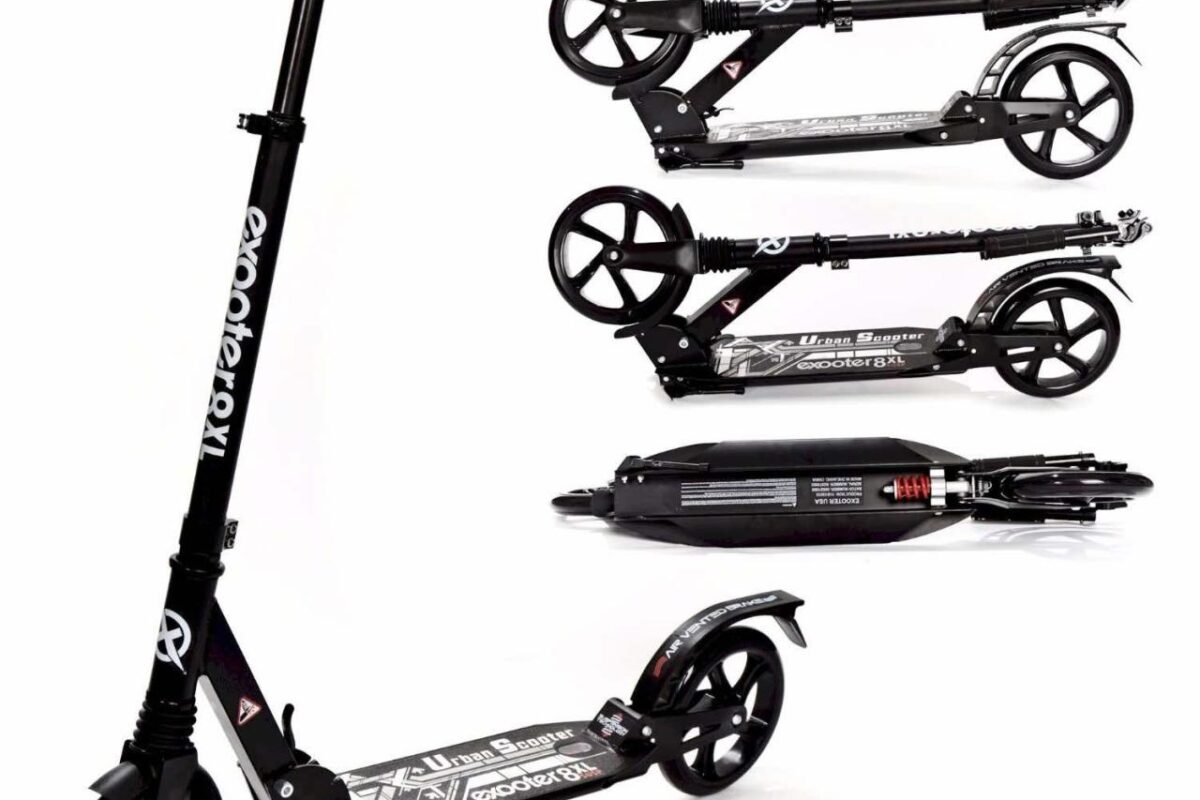
Kick scooters have swiftly transformed from simple childhood toys into modern urban transportation solutions, appealing to both the young and the young at heart. With their sleek designs and eco-friendly appeal, they offer a unique blend of convenience and fun, making them an attractive option for navigating the bustling streets of our cities.
Over the years, kick scooters have evolved remarkably, incorporating innovative designs and materials that prioritize user safety and comfort. From improving wheel stability to enhancing braking systems, these advancements have paved the way for a ride that is not only enjoyable but also secure. As cities become more congested, the role of kick scooters in personal transportation continues to grow, promising a future where these agile vehicles are an integral part of urban mobility.
The Evolution of Kick Scooters Over the Years
Kick scooters have taken a remarkable journey from their humble beginnings to the sleek, innovative designs we see today. Originally, kick scooters date back to the early 20th century when they were simple wooden boards with two wheels and a handlebar, primarily used for fun and leisure. Over the decades, technological advancements and changing societal needs have shaped the development of these scooters into efficient modes of transportation. This evolution reflects not only shifts in design but also improvements in safety and user comfort.
Design changes in kick scooters have significantly influenced user safety and comfort. Early models featured rigid frames and limited safety features, making them prone to accidents and injuries. As the demand for safer and more comfortable rides increased, manufacturers began incorporating new materials and technologies. For instance, the introduction of lightweight aluminum frames reduced the overall weight, making scooters easier to maneuver and carry.
The use of larger, air-filled tires improved shock absorption and enhanced stability, especially on uneven surfaces. These design innovations addressed common issues like balance and control, thus minimizing the risk of falls. Furthermore, advancements in brake systems, with the adoption of hand brakes and foot brakes, provided greater safety and control, enabling riders to stop more effectively.
Significant milestones in kick scooter innovation and manufacturing include the launch of the Razor scooter in 2000, which popularized the modern kick scooter trend. This model was characterized by its foldable design, making it portable and convenient for urban commuters. Additionally, the advent of electric scooters has revolutionized the kick scooter market, merging traditional design with modern technology to create a faster, more efficient mode of transportation. Electric scooters feature enhanced safety mechanisms, such as LED lights and reflectors, which are crucial for nighttime riding.
The evolution of kick scooters continues to adapt to environmental concerns, with manufacturers exploring sustainable materials and energy-efficient designs. As cities embrace micro-mobility solutions, kick scooters are becoming integral to urban transportation, showcasing their versatility and enduring appeal.
The Benefits of Using Kick Scooters for Urban Transportation
Kick scooters are rapidly becoming a popular choice for urban transportation, offering a myriad of benefits that cater to the needs of city dwellers. As cities grow and traffic congestion increases, kick scooters present a viable solution for both individuals and communities. This mode of transport not only promotes efficiency but also aligns with eco-friendly initiatives, making it an ideal choice for the modern commuter.
Reduction of Traffic Congestion and Eco-Friendly Transport
Kick scooters play a significant role in alleviating traffic congestion in urban areas. By reducing the number of traditional vehicles on the road, they contribute to smoother traffic flow. The compact design of kick scooters allows them to maneuver easily through crowded streets, thereby streamlining transportation. Additionally, they are powered by human energy, making them an environmentally friendly alternative to gas-powered vehicles.
-
Kick scooters produce zero emissions during operation, which significantly reduces urban air pollution.
- They require less parking space compared to cars, freeing up valuable urban real estate.
- Using kick scooters can lead to decreased reliance on fossil fuels, promoting sustainable practices.
The combination of these factors emphasizes the importance of kick scooters as a sustainable urban transport option. They not only help in reducing carbon footprints but also encourage users to adopt a more environmentally conscious lifestyle.
Enhancement of Physical Fitness and Active Lifestyle
Incorporating kick scooters into daily routines can significantly boost physical fitness levels. Riding a kick scooter engages various muscle groups, particularly the legs and core, promoting a full-body workout. Furthermore, it encourages users to be more active, contributing to overall health and well-being.
- Kick scooter riding can burn calories effectively, making it an enjoyable way to engage in cardiovascular exercise.
- Regular use can improve balance and coordination skills, vital for maintaining physical fitness.
- The activity of scooting fosters a sense of playfulness, making fitness feel less like a chore and more like a fun activity.
By integrating kick scooting into their commutes, individuals can seamlessly weave exercise into their daily lives, enhancing both physical and mental health.
Affordability Compared to Traditional Transportation
Kick scooters present an economical alternative to traditional forms of transportation. The costs associated with purchasing and maintaining a kick scooter are significantly lower than those of cars or public transport. This affordability can be particularly beneficial for students and those on a tight budget.
- The initial investment for a kick scooter is quite reasonable, with prices ranging from $100 to $500, depending on the model and features.
- Operational costs are minimal; riders do not need to pay for fuel, insurance, or parking fees typically associated with cars.
- Many cities have implemented scooter-sharing programs, allowing users to rent scooters for short periods, further reducing transportation costs.
The financial advantages of kick scooters make them an attractive option for urban commuters looking to save money while enjoying the freedom of mobility.
Understanding Different Types of Kick Scooters Available in the Market
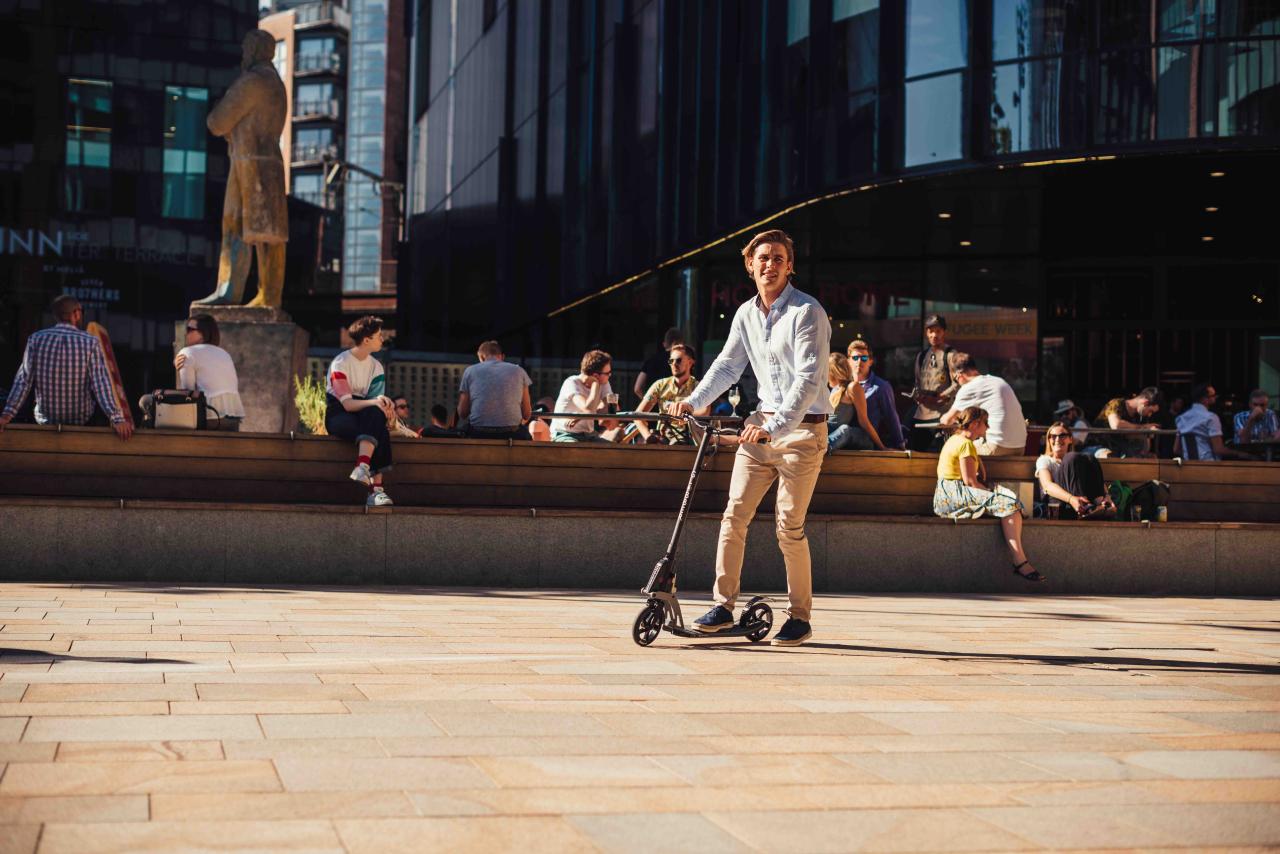
Kick scooters have evolved significantly over the years, resulting in a diverse range of models tailored to meet the needs of various users. Whether for leisure, commuting, or off-road adventures, the choice of kick scooter can greatly affect the riding experience. It is essential to understand the different types of kick scooters available in the market to choose the most suitable one for your needs. This guide will explore the categories of kick scooters, focusing on adult scooters, children’s scooters, and off-road models, highlighting their features and specifications.
Categories of Kick Scooters
Kick scooters can be categorized primarily into adult, children, and off-road models. Each category serves a specific purpose and is designed with different features to cater to the needs of its intended users. Understanding these distinctions can significantly enhance the overall riding experience.
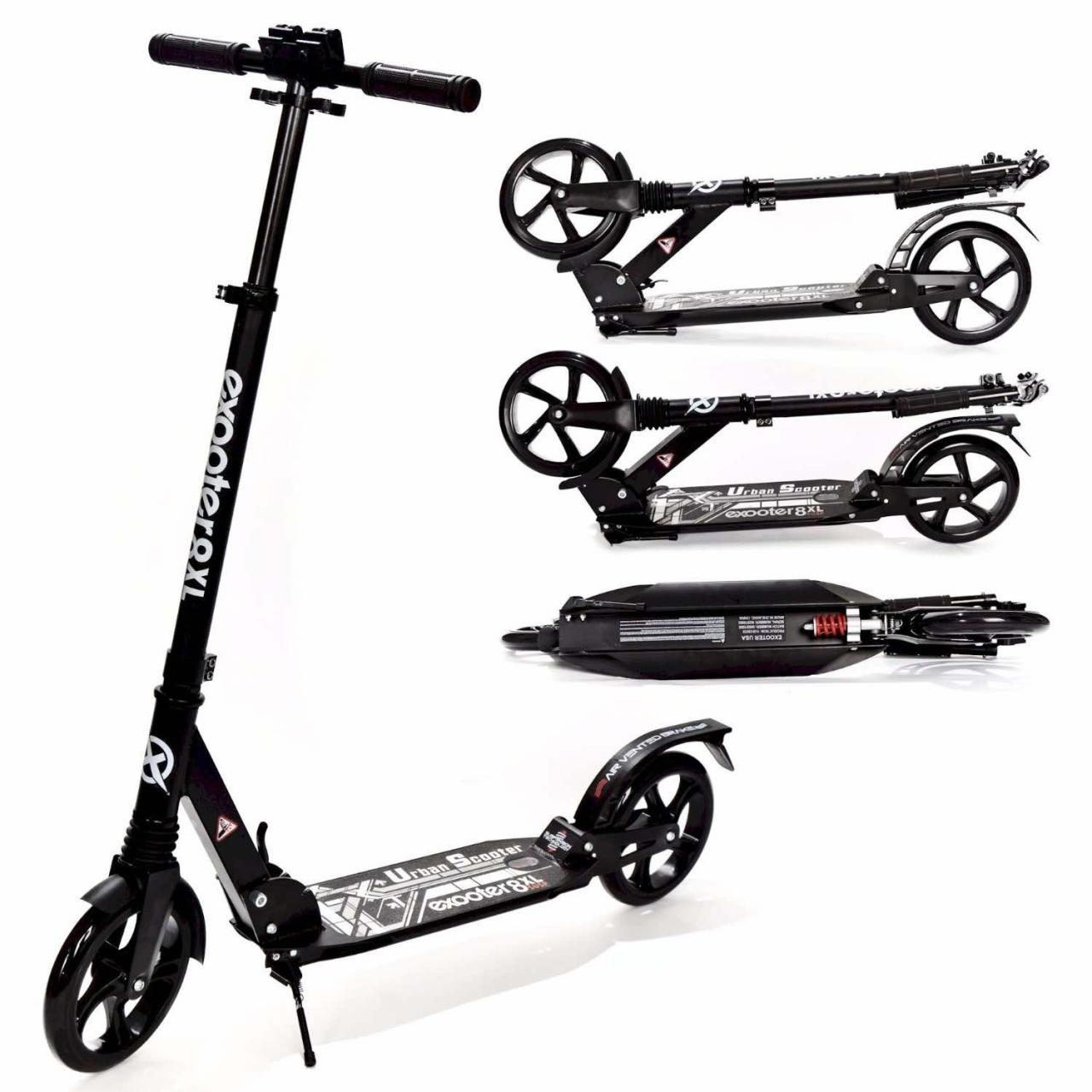
- Adult Scooters: Designed for older riders, adult scooters typically support higher weight limits and are built for longer distances. They often feature larger wheels, providing better stability and a smoother ride on urban terrain. Many adult models also include advanced features such as adjustable handlebars, suspension systems, and folding mechanisms for easy storage and transportation.
- Children’s Scooters: These scooters are specifically designed for younger riders, often featuring lower weight limits and smaller wheel sizes for enhanced safety and maneuverability. Children’s scooters come in a variety of fun colors and designs, promoting engagement and enjoyment while riding. They usually have a wide deck for better balance and may include features such as adjustable handlebars to accommodate growing kids.
- Off-Road Models: Off-road scooters are engineered to handle rough terrains and challenging conditions. They are equipped with rugged tires, reinforced frames, and higher ground clearance to navigate over obstacles like rocks and potholes. These scooters typically have wider, more durable decks and enhanced suspension systems to ensure a comfortable ride on bumpy surfaces.
The following table compares key specifications for adult, children’s, and off-road kick scooters, highlighting their differences:
| Type | Weight Limit | Wheel Size | Material Composition |
|---|---|---|---|
| Adult Scooter | 220-300 lbs (100-136 kg) | 8-10 inches (20-25 cm) | Aluminum or Steel |
| Children’s Scooter | 50-150 lbs (23-68 kg) | 4-7 inches (10-18 cm) | Plastic or Aluminum |
| Off-Road Model | 250-300 lbs (113-136 kg) | 10-12 inches (25-30 cm) | Reinforced Aluminum or Steel |
“The right kick scooter can enhance not only the fun of riding but also the practicality of transportation.”
Essential Safety Tips for Riding Kick Scooters
Riding kick scooters can be a fun and efficient way to navigate urban landscapes. However, safety should always be a top priority for riders of all ages. Before hitting the road, it’s crucial to equip yourself with the right safety gear and understand the fundamental precautions necessary for a safe ride. This guide covers essential safety tips to ensure your experience with kick scooters is enjoyable and secure.
Safety Gear and Precautions
Choosing the correct safety gear is vital for protecting yourself while riding a kick scooter. Here’s a comprehensive list of essential items you should consider:
- Helmet: A well-fitted helmet is non-negotiable. It reduces the risk of head injuries significantly in case of falls or accidents.
- Knee and Elbow Pads: These pads provide extra protection to your joints, especially for beginners or those riding on rough terrains.
- Wrist Guards: Wrist guards help prevent injuries from falls, which can often lead to sprains or fractures.
- Bright Clothing: Wearing bright or reflective clothing increases your visibility to motorists and pedestrians, especially in low-light conditions.
- Proper Footwear: Closed shoes with grip are essential for stability and control. Avoid sandals or flip-flops as they do not provide adequate protection.
It’s important to ensure that your safety gear is appropriate for your size and fits correctly. Regularly inspecting your gear for wear and tear can also prevent it from failing when you need it the most.
Maintaining Kick Scooters for Optimal Performance
Regular maintenance of your kick scooter is essential for ensuring both performance and safety. Here are key maintenance practices every rider should adopt:
- Inspect the Wheels: Check for signs of wear and replace them if necessary. Smooth wheels facilitate better rides and reduce the risk of accidents.
- Brake Functionality: Regularly test the brakes to ensure they work effectively. A well-functioning brake system is crucial for your safety.
- Tighten Bolts and Screws: Make sure that all bolts and screws are tight. Loose components can lead to instability while riding.
- Clean the Scooter: Keeping your scooter clean helps to maintain its parts and prolong its lifespan. Remove dirt, grime, and any debris that might hinder performance.
By prioritizing maintenance, riders can significantly reduce the likelihood of mechanical failures during rides, enhancing both safety and enjoyment.
Personal Safety Experiences
Many regular kick scooter users have shared their experiences that highlight the importance of safety. One user recounts, “I once had a close call where I lost control of my scooter due to a worn-out brake. Thankfully, I was wearing my helmet, and I managed to escape with just a few scrapes.” This underscores the vital role safety gear plays in minimizing injuries.
Another rider shared, “On my daily commute, I always see people riding without helmets. I can’t stress enough how wearing one saved me from serious injury when I unexpectedly fell on a busy street.” These testimonials remind us that accidents can happen to anyone, and being prepared is the best way to protect ourselves.
The Environmental Impact of Kick Scooters Compared to Other Modes of Transport
Kick scooters have emerged as a popular mode of transport in urban areas, especially as cities strive to reduce congestion and carbon emissions. Their compact design and electric options make them an appealing alternative to cars and traditional public transport. By utilizing kick scooters, individuals can significantly lower their carbon footprint while enjoying a convenient means of getting around.
The environmental benefits of kick scooters become apparent when comparing their energy consumption to that of cars and public transport. Kick scooters, particularly electric ones, have a much lower energy requirement over the same distance. For instance, electric scooters consume roughly 0.1 to 0.2 kilowatt-hours of energy per mile, while traditional cars can consume around 0.3 to 0.6 kilowatt-hours per mile depending on their fuel efficiency. This stark difference highlights the potential for reduced energy usage and lower greenhouse gas emissions.
Energy Consumption Comparison
Understanding the energy consumption of various modes of transport is essential for evaluating their environmental impact. The following statistics illustrate the contrast between kick scooters, cars, and public transport in terms of energy consumption and associated emissions:
- Kick Scooters: Approximately 0.1 to 0.2 kWh per mile, leading to an average carbon emission of 0.02 kg CO2 per mile.
- Cars: Ranging from 0.3 to 0.6 kWh per mile, with average emissions of about 0.25 kg CO2 per mile for gasoline vehicles.
- Public Transport: Buses average about 0.2 to 0.5 kWh per mile, contributing around 0.1 kg CO2 per mile, but vary significantly based on occupancy and fuel type.
These figures underscore the efficiency of kick scooters as a low-energy transport option. According to a study by the European Commission, adopting kick scooters and similar modes of micro-mobility could reduce urban transport emissions by up to 30% in densely populated areas.
“The adoption of sustainable transport solutions like kick scooters can significantly contribute to urban emissions reduction efforts.”
In summary, kick scooters represent a practical and environmentally friendly alternative to traditional transportation methods. Their lower energy consumption and reduced emissions not only help in curbing pollution but also promote a healthier urban lifestyle. As cities continue to adapt and evolve their transport infrastructures, the role of kick scooters is likely to grow, paving the way for greener urban mobility.
Kick Scooters and Urban Infrastructure
The integration of kick scooters into urban environments has become increasingly significant as cities strive for sustainable and efficient transportation solutions. The compatibility of kick scooters with existing urban infrastructure can either facilitate or hinder their usage, presenting both challenges and opportunities for city planners and policymakers.
Urban infrastructure plays a crucial role in determining how effectively kick scooters can be utilized. In many cities, the presence of bike lanes, pedestrian pathways, and dedicated scooter parking areas can greatly enhance the accessibility and safety of kick scooters. Conversely, poorly maintained roads, lack of designated paths, and inadequate signage can impede their use and pose safety risks.
Assessment of Urban Infrastructure
Understanding the compatibility of kick scooters with urban infrastructure requires a comprehensive assessment of various factors that influence their integration. Key considerations include:
- Infrastructure Quality: Well-maintained roads and pathways contribute to safer riding experiences, while potholes and uneven surfaces can deter scooter usage.
- Dedicated Infrastructure: Cities that have invested in designated bike lanes and scooter paths have reported higher rates of usage and lower accident rates.
- Accessibility: The availability of scooter parking areas and easy access to public transport stations enhances the attractiveness of kick scooters as a mode of transport.
- Signage and Regulations: Clear signage indicating scooter lanes and rules can guide users and minimize conflicts with pedestrians and vehicles.
The development of supportive policies can significantly enhance the integration of kick scooters into city planning, fostering an environment where they can thrive as an alternative mode of transport.
Potential Policies for Enhancement
Implementing effective policies is essential for maximizing the benefits of kick scooters in urban transportation. Some potential strategies include:
- Regulated Scooter Rentals: Establishing regulations for scooter-sharing programs ensures safety and accountability, helping to manage scooter distribution across the city.
- Incentives for Usage: Implementing incentives such as discounts or subsidies for using scooters can encourage more people to opt for this eco-friendly transportation.
- Public Awareness Campaigns: Educating the public about the benefits and safety practices of kick scooter use can promote a positive perception and increase acceptance.
- Collaborative Planning: Involving community stakeholders in planning processes can lead to infrastructure that meets the needs of all users, including scooter riders.
Cities around the world are successfully incorporating kick scooters into their transportation systems, showcasing innovative approaches to urban mobility.
Successful City Examples
Several cities have set benchmarks in integrating kick scooters into their urban landscapes. Notable examples include:
- San Francisco, USA: The city has implemented designated scooter lanes and established strict regulations for scooter sharing companies, leading to safer usage patterns.
- Paris, France: Paris has embraced kick scooters as part of its broader vision for sustainable transport, with dedicated lanes and widespread availability of scooter services.
- Berlin, Germany: The city has developed a comprehensive network of bike and scooter paths, significantly increasing the number of residents who choose this mode of transport.
In summary, the effective integration of kick scooters within urban infrastructure presents both challenges and opportunities. By assessing existing conditions and implementing supportive policies, cities can foster a vibrant and accessible environment for kick scooter usage, paving the way for a more sustainable urban future.
The Future of Kick Scooters in Smart Cities
As urban areas evolve into smart cities, the role of kick scooters is likely to expand significantly. The integration of advanced technologies will not only enhance the functionality of these scooters but also align them with the broader objectives of sustainable city living. This transformation will foster more efficient transportation solutions while engaging communities in promoting eco-friendly practices.
The incorporation of smart technology into kick scooters is already underway, with various trends indicating a future filled with innovation. These trends include the rise of electric scooters, enhanced connectivity features, and the development of integrated urban mobility solutions. As cities become increasingly interconnected, kick scooters will serve as a crucial component in the urban transportation ecosystem, allowing residents and visitors to navigate crowded areas with ease.
Smart Features of Future Kick Scooters
Future kick scooters are poised to incorporate various smart features that enhance user experience, safety, and connectivity. These features reflect the growing demand for technological integration in urban mobility.
– GPS Navigation: Enhanced navigation systems will provide real-time traffic updates and route optimization, ensuring users can navigate efficiently through busy city streets.
– Mobile App Integration: Dedicated applications will allow users to track scooter availability, reserve units, and access payment systems seamlessly. These apps may also include features like ride history and maintenance alerts.
– Safety Sensors: Advanced sensors can detect obstacles and sudden changes in terrain, automatically adjusting speed or alerting the rider to potential hazards, thus improving safety.
– Smart Locking Mechanisms: Future scooters may feature keyless entry and remote locking capabilities, allowing users to secure their vehicles without traditional locks, thus reducing theft and vandalism risks.
– Environmental Monitoring: Built-in sensors could track air quality and other environmental factors, providing valuable data to city planners and users, and promoting awareness of local conditions.
Community engagement plays a vital role in promoting sustainable scooter use in urban areas. As cities adopt policies that prioritize green transportation, efforts to involve the public in eco-friendly practices are becoming increasingly essential. Innovative strategies are being employed to encourage the responsible use of scooters, such as:
– Educational Campaigns: Cities are launching campaigns to inform residents about the benefits of using scooters as a sustainable mode of transport, highlighting their role in reducing traffic congestion and lowering carbon footprints.
– Incentive Programs: Programs that offer incentives for scooter use, such as discounted rides or rewards for frequent users, are being introduced to promote adoption and regular use among community members.
– Public Feedback Mechanisms: Gathering opinions and experiences from users helps cities refine scooter programs, ensuring they meet the needs of the community while addressing safety and accessibility concerns.
– Partnerships with Local Businesses: Collaborations with local businesses to provide charging stations or parking areas supports the infrastructure necessary for scooter use, creating a more integrated experience for users.
By focusing on these smart features and community engagement efforts, kick scooters are set to play an essential role in the evolution of transportation within smart cities, contributing to a more sustainable and efficient urban environment.
Kick Scooter Culture
Kick scooters have transcended their utilitarian origins, evolving into a vibrant culture that nurtures community and social interactions among enthusiasts. With the rise of this mode of transportation, riders have found more than just a way to get from point A to point B; they are part of a larger movement that celebrates freedom, creativity, and connection.
Events and gatherings dedicated to kick scooter culture play a crucial role in strengthening these community ties. From local meetups to large-scale competitions, these occasions create spaces where riders can share their passion, learn from each other, and forge lasting friendships. The significance of such events lies not only in the thrill of competition but also in the shared experiences that foster a sense of belonging.
Community Gatherings and Events
Kick scooter enthusiasts frequently come together in various settings, creating opportunities for socializing and collaboration. These gatherings can range from informal group rides to organized competitions. Here are some notable events that highlight the culture around kick scooters:
- Local Meetups: These casual gatherings allow riders of all skill levels to connect, share tips, and ride together in a friendly environment. Local parks or community spaces often serve as the backdrop for these meetups.
- Skatepark Sessions: Many riders congregate at skateparks, where they can showcase their skills, try out new tricks, and learn from one another. The atmosphere is often filled with camaraderie and encouragement.
- Competitions: Events like the World Scooter Championships draw participants from various regions, fostering a competitive yet supportive environment. Riders compete in different categories, showcasing their skills and creativity.
- Festivals: Some cities host festivals centered around urban mobility and alternative transportation, where kick scooters take center stage. These events often feature demonstrations, workshops, and product showcases.
Shared stories from riders illustrate the profound impact of kick scooter culture on individual lives. For instance, a rider named Sarah recounted how she met lifelong friends at a local meetup, bonding over their shared enthusiasm for tricks and stunts. Another enthusiast, Mike, highlighted how participating in competitions pushed him to improve and connect with others who shared his passion, ultimately leading to a supportive network of friends.
“Kick scootering isn’t just about the ride; it’s about the connections and friendships formed along the way.”
Through these narratives, it is evident that kick scooters have become a vehicle for community building, creating a sense of belonging among riders. The culture around kick scooters continues to grow, with enthusiasts excited to share their journeys and experiences.
Closure
In conclusion, kick scooters represent a dynamic shift in how we think about urban transportation. By offering a sustainable, cost-effective, and physically engaging way to travel, they not only ease traffic woes but also foster community and social interaction among riders. As we look to the future, the potential for further integration of kick scooters into smart city infrastructures is promising, ensuring they remain a vital part of our daily lives.
FAQ Resource
What age is appropriate for riding kick scooters?
Most kick scooters are suitable for children aged 5 and up, but adult scooters are available for older users.
Can kick scooters be used in the rain?
While many kick scooters can withstand light rain, it’s advisable to avoid riding in heavy rain to ensure safety and prevent damage.
How do I maintain my kick scooter?
Regularly check and tighten screws, keep the wheels clean, and ensure brakes function properly for optimal performance.
Are kick scooters safe for commuting?
Yes, with the right safety gear and precautions, kick scooters can be a safe option for commuting.
What is the weight limit for kick scooters?
Most scooters have a weight limit ranging from 150 to 300 pounds depending on the model.