
 Nolan Paxton
Outdoor & Active Play is not just a pastime; it’s a fundamental aspect of childhood that shapes a child’s development in numerous ways. With the freedom to explore nature and engage in physical activities, children develop vital motor skills, learn social interaction, and boost their emotional resilience. The benefits of outdoor play extend beyond just physical health; they play a crucial role in enhancing cognitive abilities and overall well-being, fostering a well-rounded growth experience for every child.
As we delve into this topic, we’ll explore various outdoor activities tailored for different age groups, discuss the pivotal role of parents and caregivers in facilitating these experiences, and highlight how modern technology can influence outdoor play. We’ll also look at how creating safe, engaging spaces for play can enhance children’s mental health and the importance of embracing the outdoors across different seasons and cultural perspectives.
The Importance of Outdoor & Active Play in Child Development
Outdoor and active play is an essential component of childhood, serving as a fundamental avenue for children to explore their environment and develop crucial skills. Engaging in outdoor activities not only allows children to enjoy the fresh air and sunshine but also significantly contributes to their physical, social, and emotional growth. As children interact with nature and their peers, they build resilience, learn teamwork, and gain confidence through various play scenarios. The benefits extend beyond mere enjoyment, laying the groundwork for their overall well-being and development.
Role of Outdoor Play in Developing Motor Skills
Outdoor play is vital in nurturing children’s motor skills, which are essential for their physical development and daily functioning. When children engage in activities such as running, climbing, jumping, and playing ball games, they refine their gross motor skills. These skills involve the larger muscle groups and are crucial for coordination and balance. Fine motor skills, which involve smaller muscle movements, are also enhanced through activities like digging in the sand, picking up small objects, or drawing with chalk.
The interplay of different movements during outdoor play supports children in mastering their physical abilities. For instance, climbing on playground structures boosts their strength and agility, while activities like throwing and catching balls develop hand-eye coordination. Through repetitive practice, children become more adept at these skills, leading to increased confidence in their physical capabilities.
Moreover, outdoor play encourages children to engage in imaginative and unstructured play, fostering creativity while promoting the development of spatial awareness. As they navigate their surroundings, they learn to judge distances and assess risks, which are crucial cognitive skills. The freedom of outdoor play allows children to experiment with their bodies, testing limits and pushing boundaries, all of which are critical for developing a strong kinesthetic awareness.
Research has shown that children who regularly participate in outdoor play exhibit better motor skill proficiency compared to those with limited access to outdoor environments. According to the Centers for Disease Control and Prevention (CDC), children who engage in sufficient physical activity not only improve their motor skills but also reduce the risk of obesity and related health issues.
In conclusion, outdoor play serves as an integral part of childhood development, enabling children to develop essential motor skills while promoting overall health and well-being.
Different Types of Outdoor Activities for Children
Engaging children in outdoor activities is essential for their physical and mental development. Outdoor play not only promotes fitness but also fosters social skills, creativity, and cognitive growth. Here, we will explore five different outdoor activities that encourage active play, adapt them for various age groups, and discuss the necessary equipment and safety considerations.
Running Games
Running games are a classic form of outdoor play that can be enjoyed by children of all ages. These games promote cardiovascular fitness and teamwork while allowing kids to expend energy in a fun way.
- Examples: Tag, Capture the Flag, and Red Rover.
- Age Adaptation: For younger children, simplify the rules or use smaller playing areas. Older kids can engage in more complex variations, such as strategic team-based tag.
- Equipment Needed: A large open space, cones for marking boundaries, and possibly flags for Capture the Flag.
- Safety Considerations: Ensure the play area is free from obstacles, and remind kids to respect each other’s space to prevent collisions.
Nature Scavenger Hunts
Nature scavenger hunts encourage children to explore their environment and appreciate nature. This activity sharpens observational skills and promotes curiosity about the natural world.
- Examples: Creating a list of items such as leaves, rocks, or specific flowers to find during the hunt.
- Age Adaptation: Younger children can have pictures of the items, while older children can have written descriptions or clues leading to each item.
- Equipment Needed: A scavenger hunt list, bags for collecting items, and possibly magnifying glasses for observation.
- Safety Considerations: Supervise children closely, especially near roads or water, and ensure that collected items are safe and non-toxic.
Obstacle Courses
Obstacle courses provide a fun way for children to develop agility and coordination. They can be set up in various outdoor settings, allowing for creativity in design.
- Examples: Running through cones, jumping over ropes, and crawling under tables.
- Age Adaptation: For younger children, keep obstacles low and simple, while older kids can tackle more challenging tasks or time trials.
- Equipment Needed: Cones, ropes, hula hoops, and various safe household items that can be incorporated.
- Safety Considerations: Use soft surfaces like grass or mats to cushion falls and ensure all equipment is stable and secure.
Biking and Skating
Biking and skating are excellent ways for children to improve balance and coordination. These activities can be adapted to different skill levels and are great for group outings.
- Examples: Riding bikes in a park or skating at a local rink.
- Age Adaptation: Younger children may use tricycles or training wheels, while older kids can ride two-wheelers or practice advanced skating techniques.
- Equipment Needed: Bikes or skateboards, helmets, and protective gear such as knee and elbow pads.
- Safety Considerations: Ensure that children wear helmets and pads, and supervise them in safe areas away from traffic.
Team Sports
Team sports provide an opportunity for children to work together and develop important social skills. Activities like soccer, basketball, and baseball promote physical fitness and cooperation.
- Examples: Soccer games, basketball matches, or baseball practices.
- Age Adaptation: Modify rules or field sizes for younger players, while older children can participate in more competitive formats.
- Equipment Needed: Balls, goalposts, nets, bats, or bases as necessary for the chosen sport.
- Safety Considerations: Ensure all players wear appropriate gear and that the playing field is clear of hazards.
The Role of Parents and Caregivers in Facilitating Outdoor Play
Outdoor play is essential for children’s physical, social, and emotional development. However, parents and caregivers play a crucial role in facilitating these experiences. By creating an environment that encourages outdoor activities, they can help children reap the benefits of active play, fostering healthy habits that can last a lifetime.
One effective strategy for parents is to regularly schedule outdoor playtime into their children’s daily routines. This can include setting aside specific times for outdoor activities such as park visits, nature walks, or sports. Making outdoor play a priority not only helps children develop a love for nature but also establishes a routine that underscores its importance. Additionally, parents can engage in outdoor play themselves, demonstrating the fun and excitement that comes from physical activity. This involvement can inspire children to participate enthusiastically.
Strategies for Encouraging Outdoor Activities
To further support outdoor play, parents can implement several strategies that foster a love for active engagement with nature. These can include:
- Creating a Play-Friendly Environment: Parents can ensure their home has outdoor space equipped with age-appropriate toys and equipment. This could include bicycles, swings, or inflatable play structures, enticing children to explore and play outside.
- Organizing Playdates: Arranging outdoor playdates with peers can motivate children to participate in group activities, building social skills while having fun.
- Introducing Outdoor Games: Teaching children classic outdoor games such as tag, hide and seek, or frisbee can spark interest in active play. These games not only provide physical exercise but also enhance teamwork and cooperation.
Supervision during outdoor play is vital for safety, as parents need to monitor their children’s activities to minimize risks. Establishing clear boundaries and ensuring that children understand safety rules can prevent accidents. Parents should also be aware of their surroundings, such as identifying potential hazards like busy roads or rough terrains.
Caregivers can model active play behaviors for children by participating in outdoor activities themselves. When parents engage in sports, gardening, or simply walking in nature, they demonstrate the joy of being physically active. This modeling is crucial, as children often mimic the behaviors of the adults around them. Active parents tend to raise active children, fostering a lifestyle that values health and fitness. Furthermore, sharing personal experiences about enjoying outdoor activities can also reinforce the message that being active is fun and rewarding. Caregivers can also involve children in decision-making regarding outdoor adventures, encouraging a sense of ownership and excitement towards these activities.
The Influence of Technology on Outdoor & Active Play
Modern technology wields significant power over children’s outdoor and active play experiences, offering both challenges and opportunities. As digital devices become increasingly integrated into daily life, the way kids engage with the outdoors is evolving. While technology can sometimes distract from traditional forms of play, it also presents new avenues for interactive and engaging outdoor activities that can enhance physical engagement and learning.
Technology’s impact on outdoor play is multifaceted, allowing for innovative experiences that can complement traditional play. For instance, GPS-enabled devices and apps can transform a simple hike into an adventurous treasure hunt, while augmented reality (AR) games can encourage exploration in parks by overlaying digital elements onto the real world. However, the prevalence of screen time can also lead to decreased physical activity and a preference for indoor play over outdoor experiences.
Examples of Technology That Promote Active Outdoor Engagement
Technology is not solely a barrier to outdoor play; it can also be a catalyst for more active engagement. Various apps and devices have emerged to motivate children to play outside and be physically active. Here are some noteworthy examples:
- Geocaching: This outdoor recreational activity utilizes GPS to enable participants to search for hidden containers, or “caches,” in various locations. It encourages exploration and problem-solving while promoting physical activity.
- Pokemon GO: This popular mobile game uses augmented reality to encourage players to walk around their neighborhoods and parks to catch virtual creatures, effectively merging gaming with outdoor exercise.
- Zombies, Run!: This immersive running app combines storytelling with gaming, allowing users to complete missions while jogging outdoors, thus making the experience more engaging and motivating.
- Fitbit and similar fitness trackers: These devices help children and families set physical activity goals and track progress, fostering a sense of accomplishment that can drive them to play outside more frequently.
The integration of these technologies into outdoor activities not only motivates children to be active but also instills a sense of adventure and curiosity about their environment.
Comparison of Traditional Play Methods with Technology-Driven Activities
Contrasting traditional play methods with technology-driven activities reveals distinct differences in engagement and physical benefits. Traditional outdoor play, such as climbing trees, playing tag, or building forts, fosters creativity, social skills, and physical coordination. In contrast, technology-driven activities can offer structured frameworks that combine play with learning objectives.
Traditional play promotes unstructured exploration, allowing children to use their imagination freely. This type of play is crucial for developing critical thinking skills and emotional resilience. On the other hand, technology-driven activities often come with predefined goals, which can enhance motivation and participation rates among children who might otherwise be reluctant to engage in physical activity.
“While traditional forms of play support creativity and interpersonal skills, technology-driven activities can provide structure and motivation to enhance physical engagement.”
In summary, the dual influence of technology on outdoor play highlights the need for balance. While it can hinder spontaneous outdoor experiences, when used appropriately, it can enrich active play and encourage children to explore, learn, and engage with their surroundings in innovative ways.
Creating Safe and Engaging Outdoor Play Spaces
Outdoor play spaces are essential for children’s physical and social development. They offer opportunities for kids to explore, learn, and enjoy nature while enhancing their creativity and physical skills. Designing these spaces with safety and engagement in mind is crucial to fostering a healthy play environment.
Types of Outdoor Play Environments
Creating diverse outdoor play areas tailored to various age groups ensures that all children can experience safe and stimulating environments. Below are three types of outdoor play spaces designed for different developmental stages:
- Toddler Play Areas: These spaces should feature soft surfaces, low climbing structures, and interactive play equipment like sensory panels. For instance, a toddler-friendly playground can include small slides, crawl tunnels, and water play stations, providing opportunities for exploration while minimizing the risk of injury.
- Preschool Playground Zones: Designed for ages 3-5, these areas can incorporate larger climbing structures, swings, and gross motor skill activities. A balanced mix of open spaces for running and structured play equipment, such as balance beams and stepping stones, encourages physical activity and social interaction.
- School-Age Adventure Parks: For children aged 6-12, these parks can include challenging climbing walls, zip lines, and obstacle courses. This encourages risk-taking in a safe environment, fostering resilience and confidence as children navigate their physical abilities.
Elements of Safe and Stimulating Play Areas
An effective outdoor play area must include critical elements that support both safety and engagement. These features help ensure that children can enjoy their playtime without unnecessary risks.
- Soft Flooring: Use materials like rubber mulch or synthetic grass to cushion falls and reduce injury risk.
- Safe Equipment Design: Play structures should meet safety standards, including rounded edges and non-toxic materials.
- Age-Appropriate Features: Tailor equipment and activities to suit the developmental stages of the children using the space, ensuring that they are challenging yet achievable.
- Clear Sightlines: A well-designed area allows caregivers to observe children easily, promoting supervision and safety.
Community Collaboration for Outdoor Space Improvement
Communities play a crucial role in creating and maintaining outdoor spaces. Collaborative efforts can significantly enhance the quality and safety of local play areas.
- Engaging Local Stakeholders: Involving parents, educators, and local businesses in the planning process can help identify community needs and foster a sense of ownership.
- Regular Maintenance and Upgrades: Communities can organize volunteer days to maintain and upgrade play structures, ensuring that they remain safe and inviting.
- Funding and Grants: Local governments and organizations can seek grants to fund the development of new play spaces or improve existing ones, promoting inclusive play environments for all children.
“A safe and engaging outdoor play space is not just an amenity; it’s a vital resource for our children’s growth and well-being.”
The Connection Between Outdoor Play and Mental Health
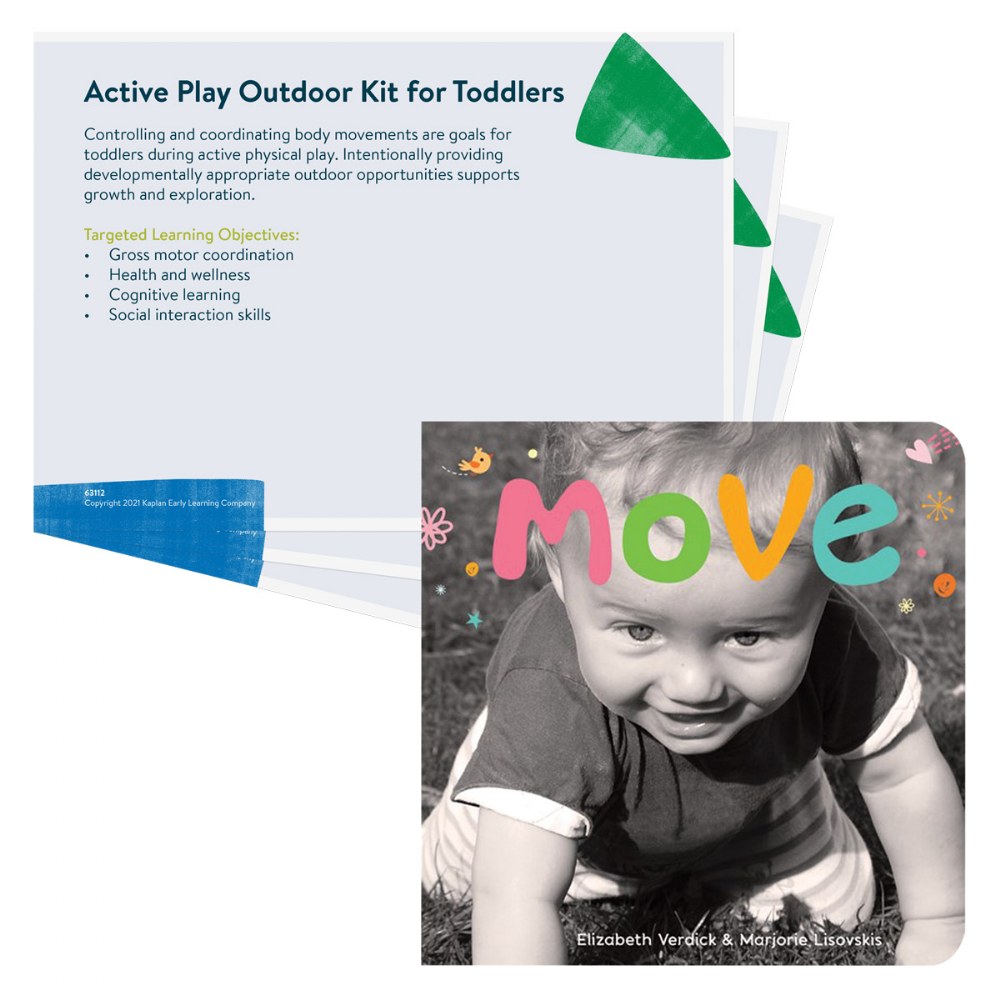
Outdoor and active play are essential components of a healthy lifestyle for children, providing more than just physical exercise. Engaging in outdoor activities fosters not only physical health but also significant mental health benefits. Children who participate in outdoor play experience lower levels of anxiety and stress, contributing to their overall emotional well-being. The fresh air and natural environment enhance mood and promote relaxation, allowing children to recharge and develop resilience against life’s challenges.
The relationship between physical activity and emotional well-being is well-documented. Engaging in outdoor play releases endorphins, the body’s natural mood lifters, which can alleviate feelings of anxiety and depression. Studies show that children who are physically active are more likely to have improved self-esteem and reduced symptoms of anxiety. For instance, a study published in the Journal of Pediatrics found that children who had regular access to outdoor play were significantly less likely to experience feelings of stress and anxiety. The mere act of playing outside can create a sense of freedom and joy, which is crucial for emotional balance. Furthermore, outdoor play encourages social interaction, helping children build friendships and develop important social skills. This connectivity strengthens their support systems, which is vital for mental health.
Incorporating Mindfulness Practices into Outdoor Play
Mindfulness practices can seamlessly blend with outdoor play, enhancing the overall experience and promoting a sense of tranquility. Incorporating mindfulness into outdoor activities enables children to connect with their surroundings, fostering a greater understanding of themselves and the world around them. Here are several effective ways to integrate mindfulness into outdoor play:
- Nature Walks: Organizing guided nature walks where children can focus on their senses—listening to the rustling leaves, observing the colors of flowers, and feeling the textures of bark—can heighten their awareness and appreciation of nature.
- Mindful Breathing: Teaching children to take deep breaths while outside helps them center themselves. This simple technique can reduce anxiety and instill a sense of calm, even in the midst of play.
- Outdoor Yoga: Incorporating yoga sessions in a park setting allows children to stretch, breathe, and find inner peace. The natural environment enhances the calming effects of yoga, making it more effective.
- Gratitude Practices: Encourage children to reflect on what they appreciate about nature during playtime. This could be done through sharing or journaling their thoughts after a play session.
- Mindful Observation: Have children sit quietly for a few minutes during playtime to observe their surroundings. This fosters patience and enhances their ability to notice details they might otherwise overlook.
Engaging children in these mindful practices during outdoor play not only enhances their connection to nature but also promotes emotional well-being and resilience.
Seasonal Considerations for Outdoor & Active Play
Engaging children in outdoor play throughout the year not only enriches their physical health but also fosters creativity and social skills. Each season presents unique opportunities for diverse activities that can enhance their experiences while promoting physical fitness and well-being. Understanding how to adapt outdoor play to seasonal changes can lead to more enjoyable and impactful experiences for kids and caregivers alike.
Seasonal play offers numerous benefits, including exposure to different environments, the development of adaptability skills, and the opportunity for children to learn about nature’s cycles. Different weather conditions inspire varied forms of play, help children build resilience, and encourage them to appreciate the beauty and challenges each season brings. Here are practical tips for engaging children in outdoor activities during different seasons, along with some creative themed ideas.
Engaging Children in Seasonal Outdoor Activities
The following activities are tailored to encourage children to embrace the characteristics of each season while promoting physical activity and creativity. Each seasonal theme provides valuable experiences that enhance children’s appreciation for nature and community.
Spring Activities
Spring is a vibrant time, perfect for exploring nature as plants bloom and wildlife becomes active. Encouraging outdoor play during this season can be both educational and fun.
- Garden Exploration: Create a small garden where children can plant seeds and observe their growth. This activity teaches responsibility and the importance of nature.
- Scavenger Hunt: Organize a nature-themed scavenger hunt with items like flowers, insects, and specific leaves to find, promoting exploration and observation skills.
- Outdoor Art Projects: Use natural materials like leaves and flowers to create art pieces or collages, fostering creativity while connecting with nature.
Summer Activities
Summer is ideal for outdoor adventures, where children can enjoy the warmth and longer days. Engaging them in various activities can harness their energy and enthusiasm.
- Water Play: Set up water activities like sprinklers, water balloons, or a kiddie pool for refreshing fun that also cools down on hot days.
- Nature Walks: Plan nature walks in parks or trails to discover the beauty of summer flora and fauna, encouraging physical activity and appreciation for the environment.
- Outdoor Camping: Organize a backyard camping experience complete with tents and storytelling by the fire, promoting imaginative play and family bonding.
Autumn Activities
As the leaves change color and the air turns crisp, autumn provides a perfect backdrop for outdoor play that celebrates the transition of seasons.
- Leaf Pile Fun: Rake leaves into piles for children to jump into, promoting active play and enjoyment of the season’s beauty.
- Apple Picking: Visit an orchard for apple picking, offering both physical activity and an opportunity to learn about local agriculture.
- Harvest Festival: Host a themed harvest festival with games, crafts, and seasonal snacks, bringing the community together to celebrate the bounty of fall.
Winter Activities
While winter may seem like a time to retreat indoors, there are numerous outdoor activities that can be enjoyed with proper clothing and preparation.
- Snowman Building: Encourage children to build snowmen or snow forts, promoting physical activity and teamwork.
- Winter Nature Walks: Take nature walks to observe how wildlife and plants adapt to winter, fostering curiosity and learning.
- Sledding Adventure: Organize a sledding trip to a nearby hill, providing thrilling fun and a good workout.
Each season’s unique characteristics can be transformed into engaging outdoor activities, allowing children to thrive through varied experiences. This approach not only keeps them active but also instills an appreciation for the natural world around them.
Cultural Perspectives on Outdoor Play
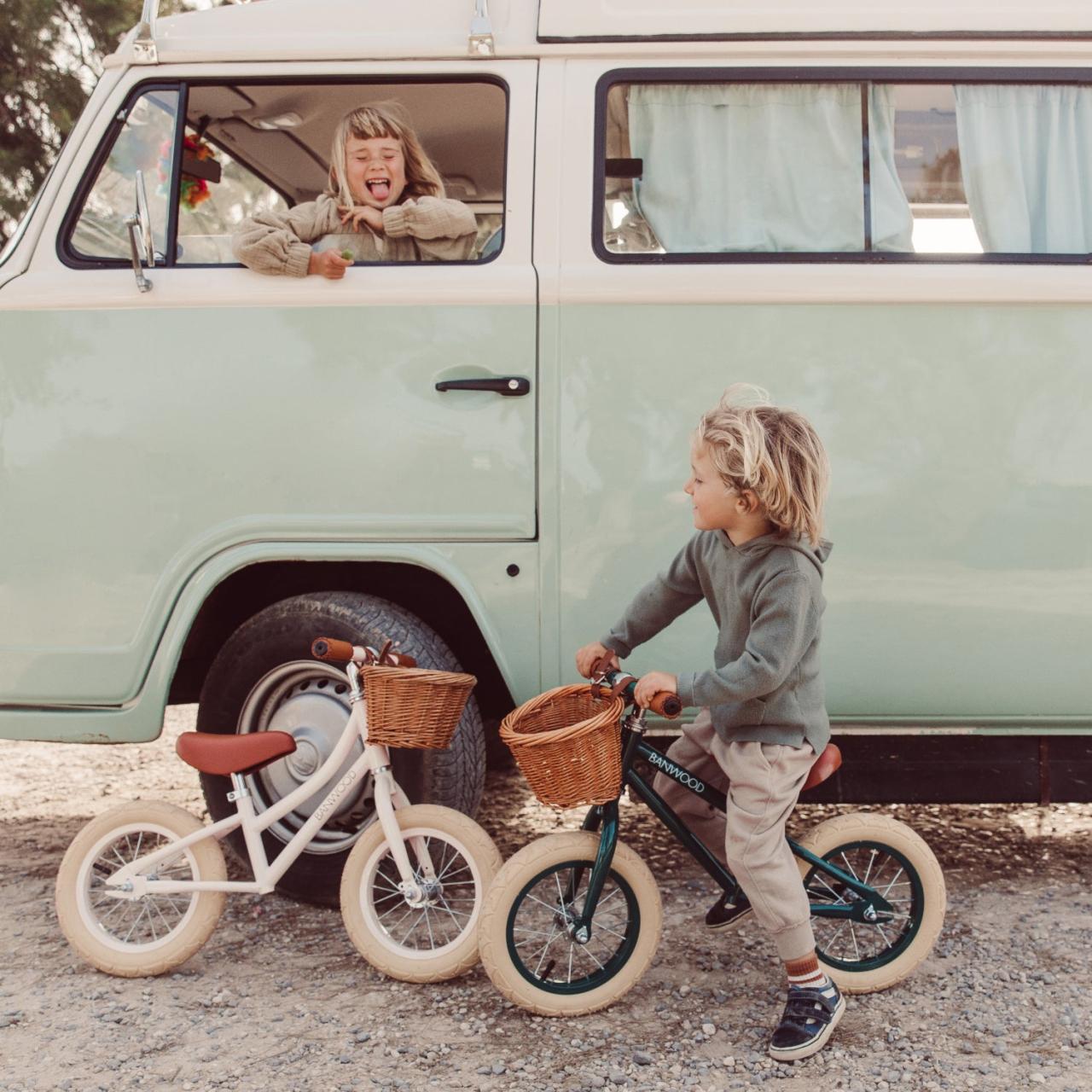
Outdoor play and active engagement vary widely across cultures, reflecting distinct societal values, beliefs, and environmental contexts. Understanding these cultural perspectives can provide insight into how children interact with their surroundings and develop essential life skills. From the way children are encouraged to explore their environment to the types of activities considered acceptable, cultural influences play a significant role in shaping outdoor play experiences.
In many cultures, outdoor play is seen as an essential component of childhood, fostering not only physical development but also social interaction and emotional well-being. Different cultural values prioritize various aspects of nature and outdoor engagement, leading to diverse play behaviors among children. For instance, in some Indigenous cultures, nature is revered as a teacher, encouraging children to connect deeply with their environment through storytelling, rituals, and hands-on exploration. This connection underscores the belief that children learn best through experience, often leading to a more immersive and spiritually connected form of play.
Nature’s Role in Cultural Outdoor Play
The significance of nature in children’s play experiences varies among cultures, influencing how outdoor activities are structured and perceived. Nature is often considered a vital teacher, providing children with lessons on patience, resilience, and respect for the environment. The way children engage with nature can be categorized into several cultural approaches:
- Nature as a Playground: In cultures that emphasize outdoor exploration, like Scandinavian countries, children are encouraged to play outside regardless of weather, fostering a strong sense of independence and resilience. For instance, outdoor preschools, where children engage in unstructured play in natural settings, are common, promoting creativity and problem-solving skills.
- Cultural Celebrations in Nature: In many cultures, outdoor festivals and celebrations bring communities together in nature. For example, the Japanese tradition of “hanami,” where families gather to appreciate cherry blossoms, emphasizes the importance of seasonal changes and connection to the environment, enhancing social bonds and cultural identity.
- Playground Design Influenced by Nature: Some societies incorporate natural elements into playgrounds, utilizing materials like wood, water, and stones to create environments that encourage exploration. The concept of “natural play spaces” is gaining traction globally, allowing children to engage more freely with their surroundings.
“Nature is not a place to visit. It is home.” – Gary Snyder
Cultural values play a crucial role in dictating the types of play experiences children enjoy, influencing their interactions with nature and peers. In cultures that prioritize collectivism, such as many Asian societies, group play is often encouraged, fostering teamwork and collaborative skills. Conversely, in more individualistic societies, like the United States, children might experience greater emphasis on personal achievement and competition during outdoor activities, shaping their development in unique ways.
Ultimately, understanding these cultural perspectives enriches our appreciation for outdoor play and its myriad forms. By recognizing the diverse ways children engage with nature, we can create inclusive environments that honor and integrate these varied cultural practices into their play experiences.
Wrap-Up
In summary, Outdoor & Active Play serves as a cornerstone of healthy child development, enriching lives through physical activity, social connections, and emotional growth. By understanding the diverse activities available and the influential roles of parents and communities, we can create environments that not only promote play but also foster holistic development. Embracing the experiences that outdoor play provides is essential for nurturing well-rounded, resilient children who thrive in all aspects of their lives.
FAQ Insights
What age is best for children to start outdoor play?
Children can start engaging in outdoor play as early as infancy, with activities like tummy time on grass, progressing to structured play as they grow.
How can I encourage my child to play outside?
Set a routine for outdoor play, join them in activities, and create a fun environment with various toys and games to spark their interest.
What are some safe outdoor play equipment options?
Safe options include swings, slides, climbing structures, and balance beams, ensuring they meet safety standards and are age-appropriate.
How can outdoor play impact academic performance?
Outdoor play can enhance focus, reduce stress, and improve cognitive function, leading to better academic performance in school.
What if my child prefers indoor play?
Gradually introduce outdoor activities that align with their interests, making transitions smooth and fun, like outdoor versions of their favorite indoor games.