 Nolan Paxton
Trampolines have bounced their way into our lives, offering not just a source of entertainment but also fitness and fun. From their intriguing beginnings to the modern designs we see today, trampolines have evolved significantly, capturing the hearts of both children and adults alike.
As we dive into the world of trampolines, we’ll explore their history, the science behind their performance, the various types available, and the health benefits they offer. Whether you’re a seasoned jumper or a curious newcomer, this discussion will provide a comprehensive look at everything trampoline-related.
The history of trampolines and their evolution over the years
The trampoline’s journey is a fascinating evolution that showcases human creativity and the pursuit of recreational activities. Originally designed for practical uses, trampolines have transformed into popular leisure and sporting equipment, highlighting their versatility and adaptability across cultures and time periods.
The origins of trampolines can be traced back to ancient China, where they were used for training acrobats. The term “trampoline” itself is derived from the Spanish word “trampolín,” which means “diving board.” The early designs involved a simple structure—canvas stretched over a frame—that allowed performers to practice their aerial feats safely. This concept was further developed in the 1930s when George Nissen and Larry Griswold introduced the modern trampoline, enhancing its design and materials for better performance and safety.
Significant milestones in trampoline design and materials
The evolution of trampoline design has been marked by several key milestones that reflect advancements in materials and safety standards. The following highlights the important developments in trampoline history:
- The introduction of springs: Early designs utilized ropes or fabric for bounce, but the integration of metal springs significantly improved performance and durability.
- Safety padding: In response to rising awareness of safety, the 1960s saw the addition of safety pads around the trampoline’s edge, preventing injuries during use.
- Enclosed trampolines: In the late 1990s, enclosed trampolines with safety nets became popular, reducing the risk of falls and making them safer for children.
- Material advancements: The development of high-strength materials, including coated steel frames and UV-resistant fabrics, has enhanced trampolines’ longevity and performance.
- Regulatory standards: In recent years, organizations have established safety standards to ensure that trampolines are manufactured to minimize injury risk, leading to more responsible production practices.
The transition from traditional to modern trampoline styles reflects a shift in recreational preferences. Initially, trampolines were primarily used for acrobatic training and performances; however, they have evolved into a staple in backyards and recreational facilities worldwide. Modern trampolines come in diverse shapes and sizes, catering to various activities, including fitness workouts, competitive sports, and leisure play. The growing trend of trampoline parks represents a significant cultural shift, transforming trampolining from a solitary activity into a communal experience.
The aesthetic appeal of trampolines has also evolved, with colorful designs and themed parks attracting enthusiasts of all ages. As trampolines continue to develop, they encompass a blend of tradition and modern innovation, ensuring that they remain a beloved activity for generations to come.
The science behind trampoline performance and safety features
Trampolines are not just a source of fun; they are also a fascinating blend of physics, engineering, and safety innovations. Understanding the science behind how trampolines operate can enhance both performance and safety, making them an excellent addition to recreational spaces. The following sections delve into the principles of bouncing and the safety measures integrated into modern trampolines.
Physics of Trampoline Bouncing
The performance of a trampoline is primarily governed by the principles of physics, particularly Newton’s laws of motion. When a person jumps on a trampoline, they apply a force downwards, compressing the springs and the jumping mat. This compression stores potential energy, which is then converted back into kinetic energy as the jumper rebounds upwards. The amount of energy stored and released affects the height and control of the jump.
Key factors that influence the bouncing performance include the elasticity of the springs, the tension in the mat, and the weight of the jumper. For instance, a trampoline with high-quality, tightly coiled springs will provide a more powerful bounce compared to one with worn-out springs.
The formula for gravitational potential energy is expressed as PE = mgh, where PE is potential energy, m is mass, g is acceleration due to gravity, and h is height.
Maintaining optimal performance requires understanding these variables and ensuring that the trampoline is designed to accommodate the intended users.
Safety Features of Modern Trampolines
Modern trampolines incorporate numerous safety features designed to minimize the risk of injury. These features are essential, especially considering the increasing popularity of trampolining as a recreational and competitive sport.
One of the most important safety features is the presence of safety nets. These nets enclose the jumping area, significantly reducing the chance of fall-related injuries by preventing jumpers from landing outside the designated jumping space.
Other key safety features include:
- Padded Frames: The metal frame surrounding the trampoline is often padded with foam or other cushioning materials to protect users from impacts.
- Spring Cover: A protective cover for the springs is essential to prevent users from accidentally stepping on them, which can lead to injuries.
- Weight Limits: Manufacturers typically specify weight limits for trampolines, ensuring that users do not exceed the manufacturer’s recommended capacity to avoid structural failure.
- Stabilizing Legs: The legs of the trampoline are designed to provide stability, preventing tipping during use, especially when multiple users are bouncing simultaneously.
The integration of these features into trampoline design reflects an ongoing commitment to user safety.
Importance of Proper Maintenance for Safety and Longevity
Regular maintenance is crucial for both the safety and longevity of trampolines. Over time, wear and tear can compromise the integrity of the trampoline, leading to potential safety hazards.
Key maintenance practices include:
- Inspecting Springs: Regularly check springs for rust or wear. Replace any damaged springs immediately to maintain bounce quality.
- Cleaning the Jumping Mat: Remove debris and check for rips or tears in the mat. A clean mat not only enhances performance but also reduces the risk of slips and falls.
- Checking Frame Integrity: Inspect the frame for signs of rust or bending, which can undermine the trampoline’s safety.
- Seasonal Storage: During inclement weather, it’s advisable to take down the trampoline or cover it to protect it from damage, prolonging its life.
Implementing a consistent maintenance routine ensures that users can safely enjoy bouncing for years to come.
Various types of trampolines and their specific uses
Trampolines come in various types, each designed for specific purposes, catering to different activities and user skill levels. Understanding the distinctions among recreational, competitive, and fitness trampolines is essential for selecting the right one. This guide Artikels the unique features of each type and how age and skill level impact trampoline selection.
Recreational Trampolines
Recreational trampolines are typically used for casual bouncing and fun. They are ideal for family backyards and often come in various sizes to accommodate different spaces. Key features include:
- Safety Features: Many recreational trampolines come with safety nets and padded frames to minimize injury risks.
- Variety of Shapes: Available in round, rectangular, and oval forms, allowing flexibility in space usage.
- Weight Capacity: Usually designed to support multiple users at once, making them perfect for family fun.
These trampolines cater to all ages but should be used with supervision for younger children to ensure safety.
Competitive Trampolines
Competitive trampolines are designed for professional and gymnast use, focusing on performance and durability. Their unique characteristics include:
- High Bounce Capability: Built with a higher tension and specialized springs to achieve greater heights.
- Standardized Dimensions: Typically rectangular with the standard size of 14 feet by 7 feet, adhering to competition regulations.
- Enhanced Stability: Features a stronger frame and high-quality mat to withstand rigorous routines and landings.
These trampolines require advanced skills, making them suitable for athletes participating in competitive events or training.
Fitness Trampolines
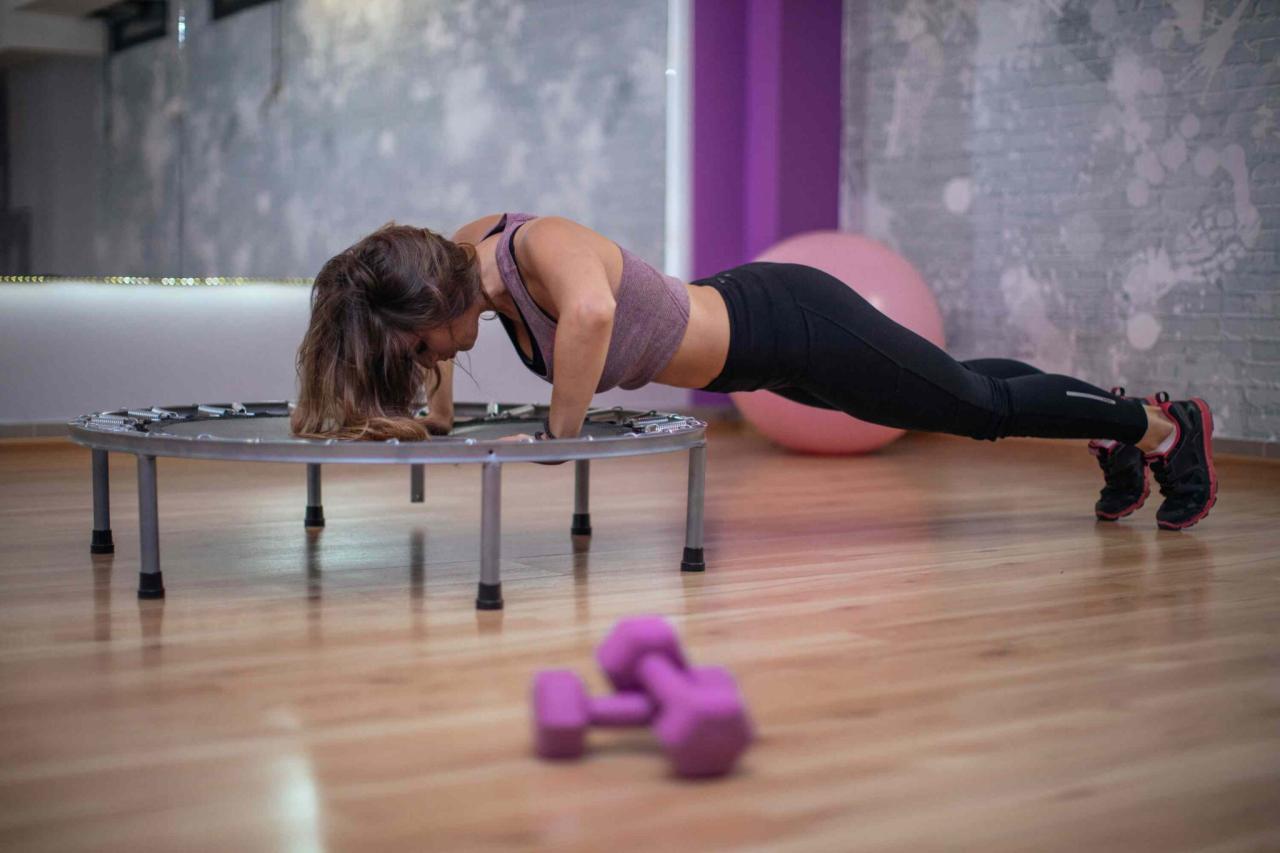
Fitness trampolines, often referred to as rebounders, are tailored for exercise routines and workout sessions. Their design focuses on promoting health and fitness benefits, with features like:
- Compact Size: Smaller and more portable, making them perfect for indoor use and easy storage.
- Durable Construction: Engineered to support steady workouts, often with a heavier frame for stability during exercise.
- Resistance Bands: Some models come equipped with resistance bands to enhance workout versatility.
These trampolines are suitable for all skill levels and ages, making them versatile for different fitness enthusiasts.
Age and skill level significantly influence trampoline selection, ensuring safety and maximizing enjoyment.
Choosing the right trampoline depends on the intended use, user age, and skill level, ensuring a safe and enjoyable experience for all.
The health benefits of using a trampoline for exercise
Trampoline workouts are not just about having fun; they offer a multitude of health benefits that contribute significantly to physical fitness and mental well-being. Incorporating trampoline exercises into your routine can lead to improvements in cardiovascular health, muscle tone, and even mood, making it a well-rounded choice for anyone looking to enhance their fitness journey.
The physical benefits of trampoline workouts extend beyond mere enjoyment. Engaging in trampoline exercises can lead to increased cardiovascular endurance, improved balance and coordination, and enhanced muscle strength. When you bounce on a trampoline, your body works against gravity, effectively providing a resistance workout that engages multiple muscle groups. This form of exercise can burn significant calories, with a 30-minute session potentially burning between 120 to 400 calories, depending on the intensity and the individual’s weight. Furthermore, the low-impact nature of trampoline exercise reduces strain on joints, making it an excellent option for individuals of all ages and fitness levels.
Physical benefits of trampoline workouts
Trampoline workouts significantly improve various aspects of physical fitness. Here are some noteworthy benefits:
- Cardiovascular health: Regular trampoline exercise can enhance heart and lung function, promoting better overall cardiovascular fitness.
- Muscle strength: The act of jumping engages core muscles, legs, and even arms, leading to improved muscle tone and strength.
- Coordination and balance: Bouncing on a trampoline requires body control, which helps in developing better coordination and balance skills.
- Weight management: Due to its high calorie-burning potential, trampoline workouts can be an effective component of a weight loss or management program.
- Low-impact exercise: Compared to running or other high-impact activities, trampolining offers a gentler alternative that minimizes joint stress.
Mental health benefits of trampoline exercise
The mental health advantages of trampoline use are just as significant as the physical benefits. Engaging in trampoline workouts can lead to reduced stress levels and enhanced mood. When bouncing, the body releases endorphins, often referred to as “feel-good” hormones, which can alleviate feelings of anxiety and depression. Additionally, the playful nature of trampolining encourages a sense of freedom and fun, making it an ideal way to break away from daily stressors and boost overall mental well-being.
The release of endorphins during trampoline exercise promotes feelings of happiness and well-being.
Recommended trampoline exercises for different fitness levels
For individuals at varying stages of fitness, trampoline exercises can easily be adapted. Here’s a selection of exercises categorized by skill level:
- Beginner: Light bouncing, basic jumping jacks, or simple up-and-down bounces help newcomers get accustomed to the trampoline.
- Intermediate: Incorporate moves like tuck jumps, straddle jumps, or 180-degree turns to challenge balance and coordination.
- Advanced: For more experienced users, add complex routines such as front flips, back flips, or combinations of various jumps to increase the intensity.
Setting up a trampoline in your backyard
Installing a trampoline in your backyard can be an exciting addition for both kids and adults, providing a space for outdoor fun and exercise. However, before diving into the setup, it’s essential to consider a few key factors that will ensure safety and efficiency in installation.
When planning to set up a trampoline, several important factors come into play. Space is a primary consideration; you need enough clearance around the trampoline to prevent accidents and ensure that there’s adequate protection from obstacles. Safety features, including proper padding and netting, are also crucial to minimize injury risks. Additionally, checking local regulations regarding backyard installations is vital to comply with any zoning laws or safety guidelines.
Essential considerations before installation
Prior to setting up your trampoline, understanding the space and safety requirements is essential. Here are some critical aspects to evaluate:
- Space Requirements: Ensure at least 6 to 8 feet of clearance around the trampoline. This area should be free from trees, fences, and any other hazards.
- Ground Surface: A flat, level surface is ideal. Grass provides some cushioning, while concrete or asphalt surfaces may require additional padding.
- Weather Conditions: Consider local weather patterns. If winds are strong, you might need to anchor the trampoline securely to prevent it from tipping over.
- Family Size and Usage: Think about how many people will be using the trampoline simultaneously to select the appropriate size.
- Age of Users: Size and safety features should cater to the age range of users, ensuring there’s adequate support and safety for younger children.
Steps for safe and efficient setup
Proper installation is crucial for safety and longevity. Follow these steps for a successful trampoline setup:
- Choose a suitable location based on space and safety considerations.
- Clear the area of debris, rocks, and sharp objects that could cause injury.
- Assemble the trampoline frame according to the manufacturer’s instructions, ensuring all parts are secure.
- Install the jumping mat, ensuring it’s properly centered and secured with springs.
- Add safety pads around the edges to cover the springs and frame.
- Set up a safety net if available, attaching it securely to prevent falls.
- Test the trampoline for stability and safety before allowing anyone to jump on it.
Checklist of necessary tools and materials
Having the right tools and materials at hand simplifies the installation process. Below is a checklist to assist with your trampoline setup:
- Trampoline kit (frame, mat, springs, safety pads, net)
- Tools: socket wrench, pliers
- Measuring tape
- Level to ensure the ground is even
- Anchors or weights for securing during windy conditions
- Safety goggles and gloves for protection during assembly
“A well-set trampoline not only enhances safety but also prolongs the lifespan of the equipment.”
Common injuries associated with trampoline use and how to prevent them
Trampoline use can be a source of great fun and exercise, but it also carries risks of injury. Understanding the common injuries associated with trampoline activities and implementing preventive measures can help ensure a safe experience for all users. By recognizing the most frequent types of injuries and employing safety strategies, we can enjoy trampolining while minimizing hazards.
Frequent types of trampoline injuries
Trampoline injuries can range from minor sprains to serious trauma. The most common injuries include:
- Sprains and strains: These injuries often occur in the ankles, knees, and wrists due to improper landings or awkward falls.
- Fractures: Broken bones, particularly in the arms and legs, can happen during high jumps or collisions with other jumpers.
- Head and neck injuries: More severe injuries can result from falls that lead to concussions or spinal injuries, especially when landing on the head or neck.
- Soft tissue injuries: Cuts, bruises, and other soft tissue damage can occur from contact with the trampoline frame or other users.
Minimizing risks and ensuring safe trampoline usage
To promote safety while using trampolines, it is essential to implement various risk-reduction strategies. These strategies include:
- Use safety equipment: Installing safety nets, padding around the trampoline frame, and ensuring that the trampoline has proper cushioning can prevent injuries.
- Limit the number of jumpers: Only allow one person to jump at a time, reducing the risk of collisions.
- Set weight limits: Enforce weight restrictions to ensure that users are within a safe range for trampoline activities.
- Choose appropriate surfaces: Placing the trampoline on a flat, soft surface can help minimize injury risks during falls.
Role of supervision and proper technique
The importance of supervision and proper technique cannot be overstated in preventing trampoline injuries. Active supervision involves having an adult present to monitor jumpers and ensure safety protocols are followed. It is important for jumpers to practice proper techniques, including:
- Safe landing: Jumpers should aim to land on their feet with knees slightly bent to absorb the impact.
- Avoid flips and somersaults: Beginners should refrain from performing flips as they increase the risk of falls and injuries.
- Maintain awareness of surroundings: Jumpers should be conscious of others on the trampoline and avoid jumping too close to each other.
- Warm-up exercises: Engaging in warm-up activities prior to jumping can prepare the body and reduce the risk of injury.
Regular supervision and proper technique significantly decrease the likelihood of injuries while using trampolines, making the experience safer and more enjoyable.
The role of trampolines in competitive sports and gymnastics
Trampolines play a critical role in various competitive sports, particularly within the realm of gymnastics. They are integral not only for the performance of acrobatic skills but also for enhancing an athlete’s overall agility, coordination, and strength. In competitions, trampolines allow athletes to showcase their abilities in a dynamic and visually impressive manner, making them a staple in events such as the Olympics.
Trampolines are utilized in gymnastics and other sports competitions to facilitate high-flying routines that require precision and control. Athletes perform a series of flips, twists, and rotations that demonstrate both technical skill and artistic expression. The trampoline enhances the height and complexity of these movements, enabling gymnasts to attain skills that would be challenging on a traditional floor mat.
Training techniques for trampoline skills
Training techniques for trampoline athletes focus on developing strength, flexibility, and air awareness. These skills are essential for performing complex maneuvers safely and effectively. A few key training techniques include:
- Progressive Skill Drills: Athletes often start with basic bounces and gradually progress to more advanced flips and twists. This step-by-step approach allows for the gradual building of confidence and skill.
- Spotting Techniques: Coaches utilize spotting belts and harnesses during training to help athletes learn how to control their rotations and land safely.
- Conditioning Exercises: Strength training, core workouts, and flexibility routines are incorporated to enhance physical capabilities, ensuring athletes can handle the demands placed on their bodies during routines.
- Video Analysis: Reviewing footage of practice sessions helps athletes understand their performance, allowing them to identify areas for improvement.
Scoring systems in trampoline competitions
Scoring systems for trampoline competitions vary across different sports, yet they share common elements that assess both execution and difficulty. In gymnastics, the scoring typically consists of two components: the Difficulty Score (D-score) and the Execution Score (E-score). The D-score evaluates the complexity of the routine performed, while the E-score assesses the quality of execution, factoring in deductions for errors like form or landing issues.
In contrast, sports such as competitive diving or freestyle skiing may employ different nuances within their scoring structures, though the foundational principles remain similar. Judges evaluate the technical proficiency and artistic impression based on pre-established criteria, ensuring a comprehensive assessment of the athlete’s performance.
“In trampoline gymnastics, the balance between difficulty and execution is crucial; a higher D-score can offset minor execution errors, but a lack of precision can still hinder overall scores.”
Understanding the scoring systems allows athletes to tailor their training and routines to maximize their scores in competitions, ultimately aiming for the perfect blend of difficulty and execution.
The cultural impact of trampolines in entertainment and media
The trampoline has transcended its role as a mere recreational activity to become a dynamic element in entertainment and media. Its vibrant presence in various forms of visual storytelling and advertising highlights its appeal and versatility, reflecting societal trends and cultural values. The ability of trampolines to evoke excitement and engage audiences has made them an essential tool in the creative arsenal of filmmakers, advertisers, and content creators.
The portrayal of trampolines in movies, TV shows, and advertisements often emphasizes their fun and adventurous qualities. Whether it’s a family comedy featuring a backyard trampoline or an intense action sequence showcasing acrobatic maneuvers, trampolines serve as a symbol of freedom and joy. Notably, films like “Space Jam” and “The Incredibles” incorporate trampoline scenes to enhance their narratives, providing thrilling moments that resonate with viewers of all ages. Advertisements leverage this allure by associating trampolines with active lifestyles, promoting products ranging from athletic gear to outdoor recreation.
Trampoline performances in modern entertainment
Trampoline performances have significantly influenced modern entertainment, showcasing athletes’ extraordinary skills and pushing the boundaries of physical expression. The inclusion of trampoline stunts in live performances, such as Cirque du Soleil, highlights the blend of artistry and athleticism, captivating audiences worldwide. This trend has also permeated televised competitions, such as gymnastics and parkour events, where trampoline techniques are prominently featured, adding an exhilarating dimension to the spectacle.
The rise of social media has further amplified trampoline performances, with platforms like TikTok and Instagram becoming hotspots for viral challenges and trends. Users often create engaging content that showcases their trampoline skills, blending creativity with athleticism. These viral challenges not only promote the trampoline as a fitness tool but also foster community engagement and challenge participants to share their unique takes on trampoline artistry.
“Trampolines represent a fusion of play and performance, enhancing both entertainment and physical fitness.”
Some exemplary viral trends include:
- The “Trampoline Dance Challenge,” where users showcase synchronized routines on trampolines, often set to popular music.
- Trampoline park challenges that encourage users to film their flips and tricks, leading to friendly competitions among friends and followers.
- Trampoline tricks tutorials that went viral, sparking interest in learning acrobatic moves safely and effectively.
The cultural significance of trampolines in entertainment continues to grow, shaping trends and influencing how audiences engage with physical activity and creativity.
Closure
In summary, trampolines are more than just a backyard fixture; they are a blend of fun, fitness, and a fascinating cultural phenomenon. By understanding their history, safety features, and the variety available, you can make the most of your trampoline experience, ensuring both enjoyment and well-being.
FAQ Insights
What age is appropriate for trampoline use?
Generally, children aged 6 and older are considered safe to use a trampoline with proper supervision.
How often should trampolines be maintained?
Trampolines should be inspected regularly, ideally once a month, to ensure safety and longevity.
Can trampolines be used indoors?
Yes, trampolines can be set up indoors, but make sure to have adequate space and safety precautions in place.
Are there trampolines specifically for fitness?
Yes, there are specialized fitness trampolines designed for workouts, often smaller and more durable.
What should I wear while using a trampoline?
It’s best to wear comfortable, non-restrictive clothing and avoid shoes for better grip and safety.