 Nolan Paxton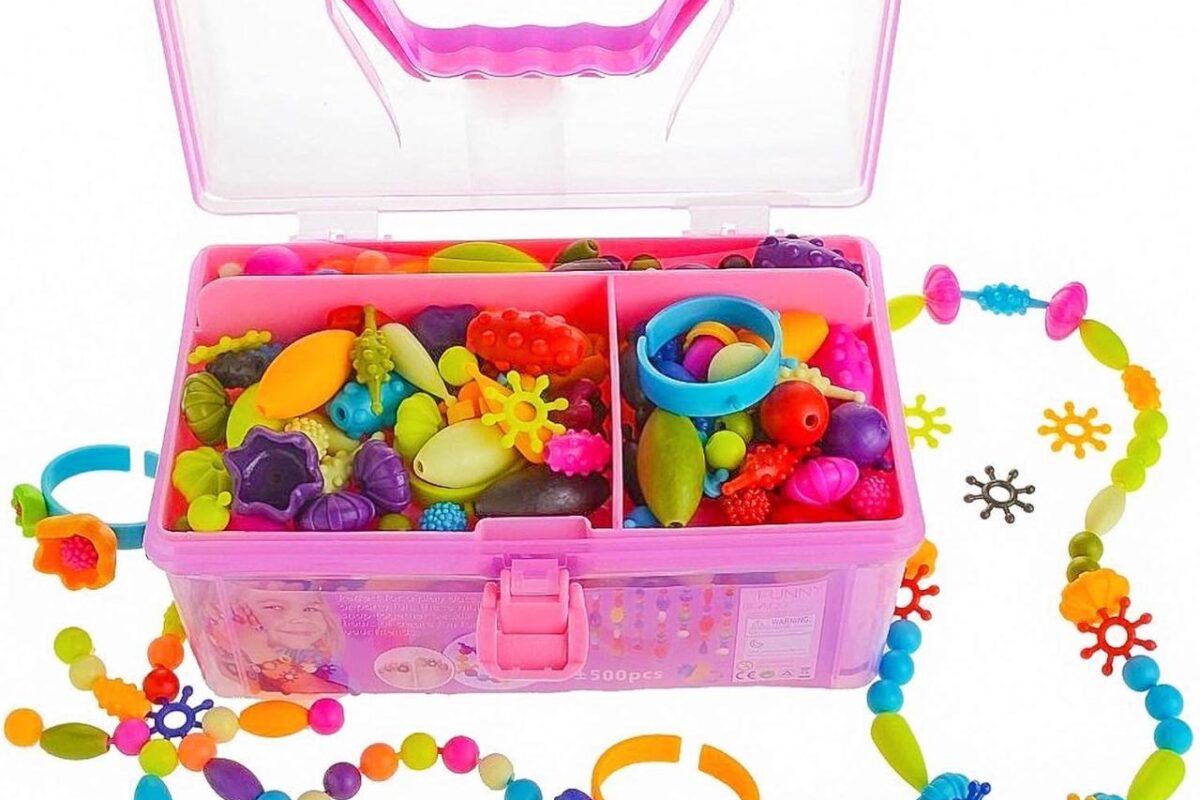
Jewelry making kit opens up a world of creativity and craftsmanship, inviting enthusiasts of all levels to explore the art of accessorizing. With the right tools and materials at your fingertips, you can transform ordinary items into stunning pieces that reflect your personal style. Whether you’re a beginner looking to dive into a new hobby or an experienced artisan seeking inspiration, a well-equipped jewelry making kit offers the perfect starting point.
These kits not only provide essential components for crafting beautiful jewelry but also streamline the process, allowing you to focus on unleashing your creativity. From basic tools to advanced materials, understanding what goes into a jewelry making kit enhances your experience and helps you create pieces that are uniquely yours.
Understanding the Components of a Jewelry Making Kit
A jewelry making kit is an essential collection of tools and materials that enables both beginners and experienced artisans to create beautiful pieces of jewelry. These kits often include a variety of components designed to facilitate different aspects of jewelry design, from beading to wirework. Understanding the essential tools and materials included in these kits can enhance the crafting experience and improve the quality of the finished products.
The basic components of a jewelry making kit typically encompass tools and materials that serve specific purposes in the jewelry-making process. These can range from simple hand tools to sophisticated materials designed for intricate designs. Here’s a deeper look into the essential tools and materials found in most kits:
Essential Tools and Materials
A well-rounded jewelry making kit includes several key tools and materials, each with its own function that contributes to the overall crafting process. Here are the fundamental components:
- Pliers: The most common pliers include round-nose, flat-nose, and chain-nose pliers. They are used for bending, twisting, and gripping wire and findings, making them indispensable for creating loops and holding components securely.
- Wire Cutters: These are essential for trimming beading wire or jewelry wire to the desired length. Good quality wire cutters provide a clean cut without fraying the wire ends.
- Different projects require different types of thread or wire, such as nylon thread for bead weaving or stainless steel wire for wire wrapping. These materials form the backbone of many jewelry pieces.
- Beads and Findings: These include a variety of beads made from glass, stone, or metal, alongside findings such as clasps, jump rings, and ear wires, which are critical for completing jewelry pieces.
- Adhesives: Jewelry-making adhesives like E6000 or super glue are vital for securely bonding pieces together, especially in designs that incorporate stones or intricate components.
- Measuring Tools: A ruler or measuring tape is important for ensuring accurate measurements, while a bead mat can help keep components organized and prevent them from rolling away.
The selection of components can vary significantly between basic and advanced kits. Basic kits usually contain essential tools and materials designed for those new to jewelry making, enabling them to create simple designs without overwhelming complexity. On the other hand, advanced kits often include specialized tools and a wider variety of high-quality materials suited for experienced artisans who are ready to explore more intricate designs.
Comparison of Basic Kits versus Advanced Kits
When contemplating the differences between basic and advanced jewelry making kits, it is essential to recognize how each kit can cater to the distinct needs of users at different skill levels.
- Basic Kits: Typically include essential tools like pliers, wire cutters, and a selection of basic beads and findings. They are ideal for beginners who wish to explore the craft without significant financial investment. Basic kits are user-friendly, allowing new creators to get started quickly and with ease.
- Advanced Kits: Feature specialized tools such as soldering equipment, advanced pliers, and a broader range of materials like gemstones and high-quality metals. These kits cater to seasoned artisans looking to execute complex designs and techniques, offering a more extensive selection of components that encourage creativity and innovation.
In summary, understanding the components of a jewelry making kit is crucial for both beginners and experienced jewelers. Whether opting for a basic or advanced kit, knowing the purpose of each tool and material can significantly enhance the jewelry-making experience, empowering creators to produce beautiful and unique pieces.
The Benefits of Using a Jewelry Making Kit for Beginners
Starting your jewelry-making journey can be both exciting and daunting, especially for beginners. A jewelry making kit offers a fantastic way to dive into this creative hobby without the overwhelm of sourcing individual materials and tools. With everything you need conveniently packaged, it sets the stage for a fulfilling crafting experience.
Using a pre-assembled jewelry making kit can save you precious time and streamline your learning process. Instead of spending hours searching for the right beads, wires, and tools, you can focus on what truly matters: crafting beautiful pieces. This approach minimizes frustration and allows novices to quickly understand the basics, enhancing their overall experience.
Advantages of a Pre-Assembled Kit
Pre-assembled jewelry making kits come with several distinct advantages that can greatly benefit beginners. They provide not only convenience but also a structured approach to learning essential skills. Below are key benefits of using such kits:
- All-in-One Convenience: Kits come with everything needed, eliminating the hassle of shopping for individual components.
- Cost-Effectiveness: Purchasing materials in a kit is often cheaper than buying pieces separately, especially for beginners who are just testing the waters.
- Quality Assurance: Kits usually contain high-quality materials, ensuring a better crafting experience and result.
- Guided Learning: Many kits include instructions or tutorials, making it easier to follow along and create without prior experience.
- Variety of Designs: Kits often feature multiple design ideas, allowing beginners to explore different styles and techniques.
Skills Development Through Kit Use
Using a jewelry making kit allows beginners to develop a variety of skills essential for the craft. As they progress, they gain confidence and proficiency in several areas, which can be beneficial in their crafting journey. Here are some skills that can be honed through the use of a jewelry making kit:
- Understanding of Materials: Beginners learn about different types of beads, wires, and tools, and how to use them effectively.
- Basic Techniques: Skills such as stringing, knotting, and looping are fundamental techniques that kits help develop.
- Design Skills: Beginners get to practice creating balanced and aesthetically pleasing designs using provided components.
- Problem-Solving: Crafting with a kit presents opportunities to troubleshoot and find solutions, fostering creativity.
- Attention to Detail: Jewelry making requires precision; kits help beginners cultivate a keen eye for detail and quality.
Creative Project Ideas for Jewelry Making Kits
Jewelry making can be a wonderfully rewarding hobby, and with a standard jewelry making kit, the possibilities are virtually endless. From simple beaded bracelets to intricate wire-wrapped pendants, these kits provide all the essential tools and materials needed to unleash your creativity. Engaging in jewelry-making projects not only allows you to craft beautiful pieces for yourself or loved ones but also serves as a fantastic way to express individual style and personality. Here are some unique project ideas that can be completed with your jewelry-making kit.
Unique Jewelry Projects
There are numerous creative projects that can be accomplished using a jewelry making kit. Below are a few standout ideas that highlight how versatile these kits can be.
- Beaded Charm Bracelet: Combine various beads, charms, and elastic cord to create a personalized charm bracelet that reflects your personality.
- Wire-Wrapped Stone Pendant: Use wire and a natural stone to craft a stunning pendant that can be worn on a chain or cord.
- Layered Necklace: Create a multi-strand necklace using different lengths of chains and a mix of beads for added texture.
- Statement Earrings: Design bold, eye-catching earrings using colorful beads and a variety of earring hooks.
These projects not only showcase creativity but can also be customized to suit individual tastes. Below, two specific projects are detailed, focusing on their step-by-step processes and tips for personalization.
Project 1: Beaded Charm Bracelet
Creating a beaded charm bracelet is a fun and easy project that anyone can undertake. Here’s how to do it:
- Gather Materials: You will need elastic cord, an assortment of beads, and charms.
- Measure the Cord: Cut a length of elastic cord that is about 2 inches longer than your desired bracelet size.
- String the Beads: Begin adding beads to the cord, alternating with charms. Be creative with color and size.
- Secure the Ends: Once all beads are added, tie the ends together securely in a double knot. Trim any excess cord.
- Customize: Add extra charms or beads based on seasons or personal milestones to make it unique.
Tip: Consider using a mix of textures and shapes in your beads for a more dynamic look.
Project 2: Wire-Wrapped Stone Pendant
This project allows you to create a beautiful piece of wearable art using a natural stone.
- Choose Your Stone: Select a stone that speaks to you – think about color, size, and shape.
- Prepare Wire: Cut a length of wire about 24 inches long.
- Wrap the Stone: Start wrapping the wire around the stone, creating a secure hold. Leave some wire length for the bail.
- Create the Bail: Form a loop at the top of the stone using the remaining wire, securing it tightly.
- Finish: Trim any excess wire and ensure all ends are securely tucked away.
Tip: Experiment with different wire gauges and colors for added flair.
Complexity and Time Comparison
Understanding the complexity and time investment of each project can help in planning your jewelry-making activities. The following table Artikels a comparison of the projects discussed.
| Project | Complexity Level | Time Required |
|---|---|---|
| Beaded Charm Bracelet | Easy | 1 hour |
| Wire-Wrapped Stone Pendant | Medium | 1.5 hours |
| Layered Necklace | Medium | 2 hours |
| Statement Earrings | Easy | 1 hour |
Choosing the Right Jewelry Making Kit for Your Needs
Selecting the right jewelry making kit can significantly enhance your crafting experience. With a myriad of options available, understanding your personal preferences, skill level, and project goals is essential for making an informed decision. This guide aims to simplify the selection process, helping you find the perfect kit tailored to your unique style and needs.
When considering a jewelry making kit, it is important to keep in mind your current skill level and what you hope to achieve with your projects. Some kits are designed for beginners, featuring simple tools and straightforward instructions, while others cater to more advanced artisans looking for a challenge. Additionally, different themes and styles of kits can appeal to varied interests and aesthetics, from bohemian chic to elegant minimalism.
Factors to Consider When Selecting a Kit
Understanding specific factors can help you navigate the selection process effectively. Here are key elements to consider:
- Skill Level: Assess whether the kit is geared towards beginners, intermediates, or advanced crafters. Look for reviews or product descriptions that indicate the complexity of the projects.
- Project Goals: Determine what type of jewelry you wish to create. Whether it’s earrings, necklaces, or bracelets, ensure the kit includes the supplies for your desired projects.
- Materials Included: Check the quality and variety of materials provided. High-quality beads, wires, and tools can make a significant difference in the finished product.
- Themes and Styles: Kits often have specific themes, such as nature-inspired designs or elegant evening wear. Choose a theme that resonates with your personal aesthetic.
- Instructional Support: Look for kits that offer comprehensive guides or online tutorials. This support can be invaluable, especially for beginners.
To further assist you in making the right choice, consider this checklist to evaluate which kit aligns best with your preferences:
- Do you have any prior experience in jewelry making?
- What types of jewelry are you interested in creating?
- Do you prefer working with certain materials, like glass or metal?
- Are you looking for a kit that allows for creative freedom, or do you prefer structured projects?
- How much time do you intend to dedicate to jewelry making?
“Choosing the right jewelry making kit can turn your creative ideas into beautiful, tangible pieces of art.”
By taking the time to assess these factors and using the checklist provided, you can confidently select a jewelry making kit that suits your needs, ensuring a delightful crafting journey ahead.
Advanced Techniques to Enhance Jewelry Made from Kits
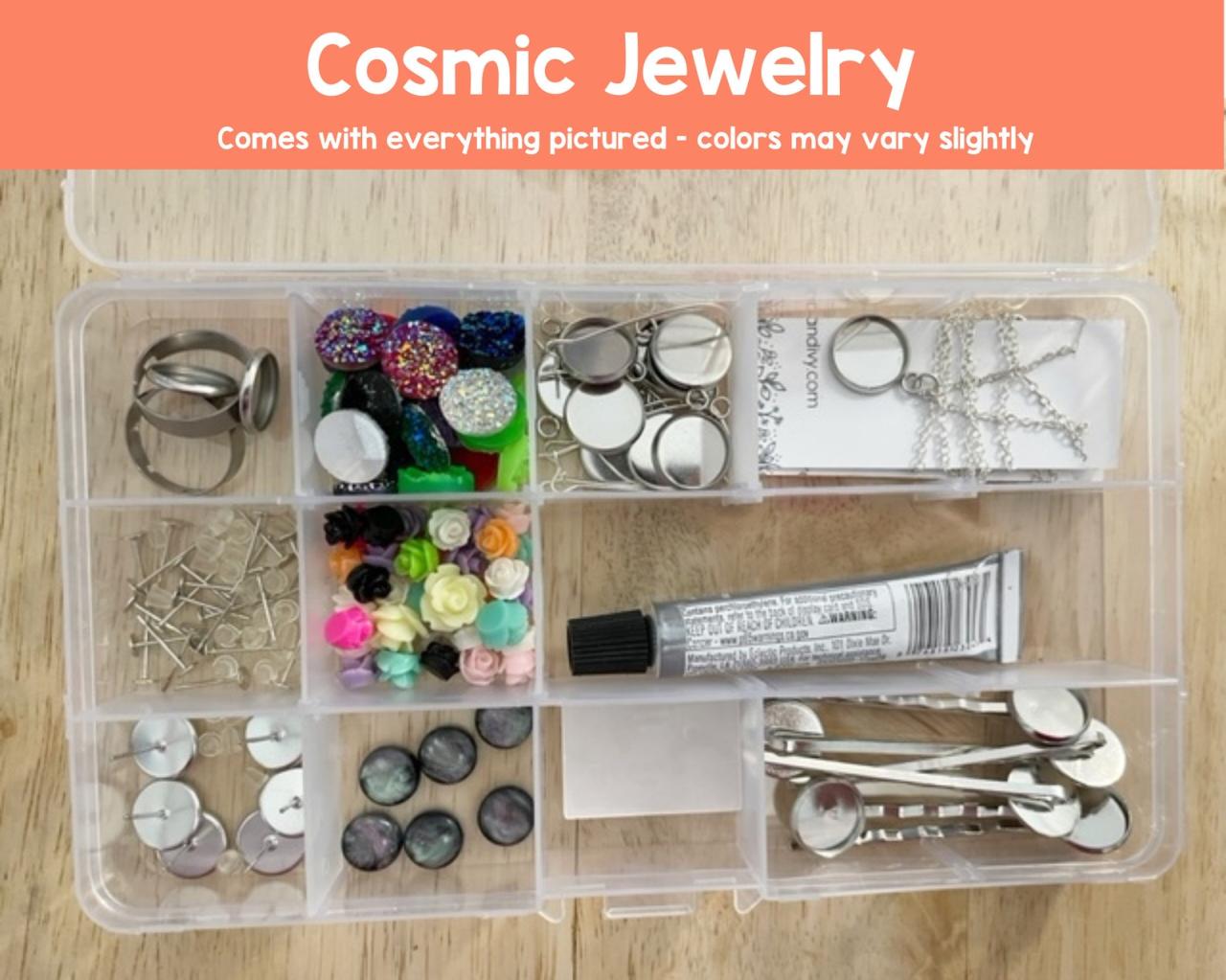
Jewelry making kits are a fantastic starting point for crafters of all levels, offering the essential components and instructions to create beautiful pieces. However, to elevate your creations from standard to stunning, incorporating advanced techniques can significantly enhance the final product. This exploration will delve into ways to apply sophisticated methods and personal touches to your kit jewelry, leading to unique and eye-catching designs.
Incorporating Advanced Techniques
When working with jewelry kits, embracing advanced techniques can transform your pieces into works of art. Techniques such as wire wrapping, soldering, or bead weaving can add complexity and visual interest to your projects. These methods not only enhance the aesthetic but also improve the durability of your creations.
One effective way to introduce these techniques is through wire wrapping. This method allows you to create intricate designs by manipulating wire into decorative shapes around beads or stones. The use of different wire gauges can add texture, and experimenting with colors can create a stunning contrast.
Another technique, soldering, involves melting metal to join pieces together, creating a seamless and professional look. This skill opens up possibilities for creating custom metal components, which can be added to your kit pieces for a unique flair.
Adding Personal Touches and Mixed Media Elements
Integrating personal touches and mixed media elements into your jewelry not only defines your style but also tells a story. Personalization can be achieved through the choice of colors, materials, and additional embellishments.
Using mixed media elements such as fabric, leather, or resin can introduce new textures and dimensions to your designs. For instance, incorporating fabric flowers or leather accents into metal-based jewelry can create a beautiful juxtaposition, adding softness to the hard materials.
The addition of charms or pendants that hold personal significance can also enhance the emotional value of your pieces, making them unique. Consider using charms that represent milestones or memories, such as a small compass for travel enthusiasts or a heart for cherished moments.
Examples of Successful Advanced Projects
Several outstanding projects have emerged from basic jewelry kits that exemplify how advanced techniques can be applied. One example is a simple bead necklace transformed into a statement piece using the wire wrapping technique. By adding layers of wrapped wire and incorporating various bead sizes, crafters can create a cascading effect that draws the eye.
Another instance is a basic bracelet kit that has been elevated by integrating leather weaving. By combining the leather with metal components and adding charms, the final piece becomes a versatile accessory that stands out.
Additionally, a standard earring kit can be enhanced with resin elements, where crafters embed flowers or glitter into a resin mold to create unique earring drops. This not only diversifies the design but also introduces a contemporary flair that resonates with modern jewelry trends.
By exploring these advanced techniques and personal touches, jewelry makers can truly elevate their creations, turning standard kit projects into unique statements of style and individuality.
Maintaining and Storing Your Jewelry Making Kit
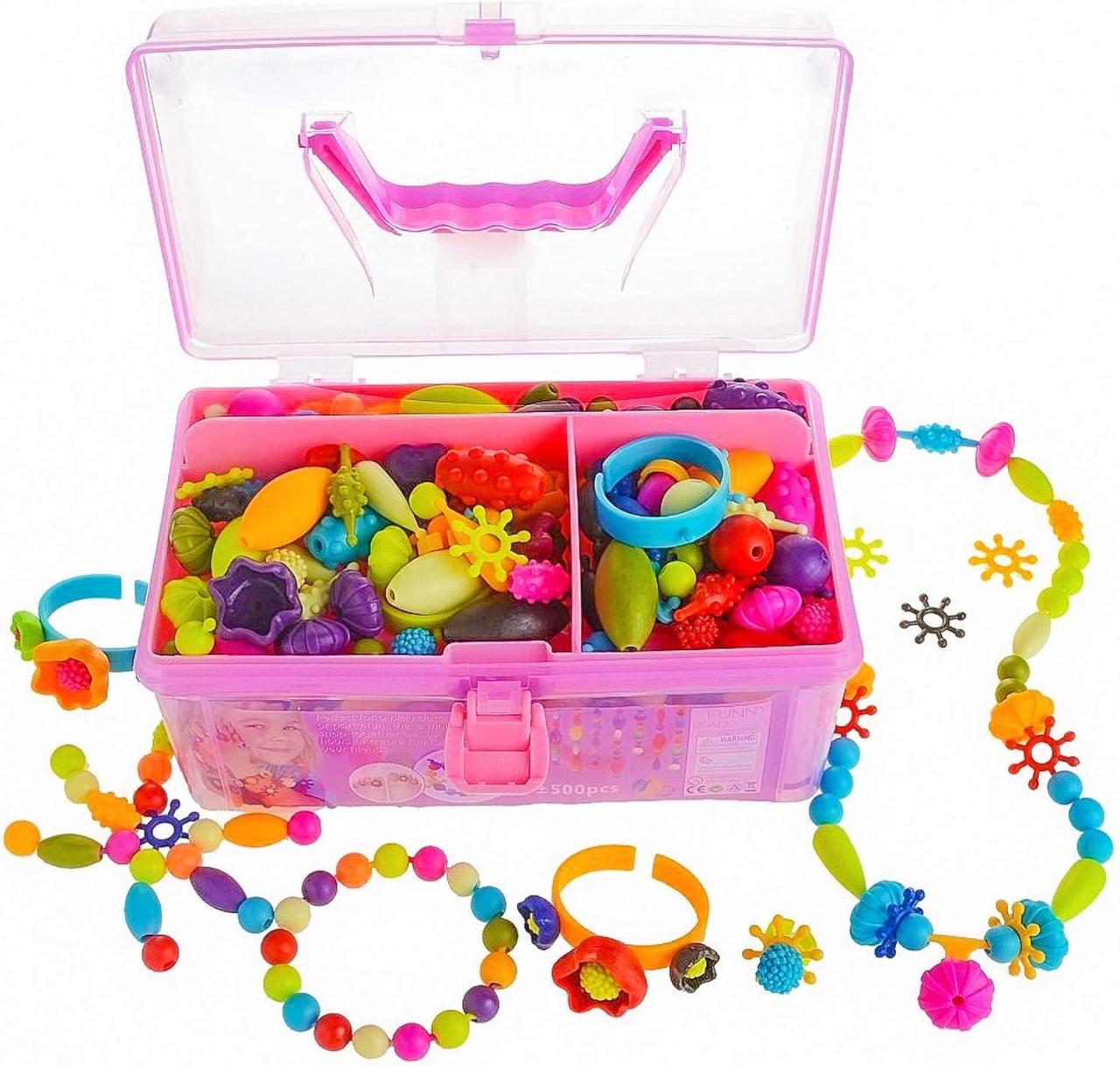
Maintaining and properly storing your jewelry making kit is essential for preserving the quality and longevity of your tools and materials. A well-organized workspace not only enhances creativity but also streamlines the process of creating beautiful pieces. By implementing effective storage strategies and regular maintenance, you can ensure that your kit remains in excellent condition, making each jewelry-making session enjoyable and efficient.
Proper storage and maintenance extend the life of your kit components significantly. Regularly checking and organizing your tools and materials can save time and frustration, allowing you to focus on your creativity rather than searching for misplaced items. Additionally, maintaining a clean and organized workspace reduces the risk of damaging tools and materials, helping you avoid costly replacements.
Strategies for Organizing Tools and Materials
An organized jewelry making kit is key to a smooth crafting experience. Below are some effective strategies to keep your tools and materials in order:
- Use Clear Containers: Investing in clear bins or boxes allows you to easily see and access your materials. Label each container with its contents for quick identification.
- Implement a Tool Organizer: Utilize a pegboard or magnetic strip to hang tools. This not only keeps them visible but also prevents them from getting tangled or damaged.
- Sort by Type and Size: Group similar materials together, such as beads, wires, and findings. Consider organizing them by size or color for even easier access during your projects.
- Create a Checklist: Maintain a checklist of all your tools and materials. This helps you track inventory and assess what needs replenishing or replacing.
Importance of Proper Storage and Maintenance
Proper storage plays a critical role in maintaining the quality of your jewelry making kit. Here are several reasons why storage is essential:
- Prevents Damage: Storing tools and materials properly reduces the risk of wear and tear, ensuring they remain in good condition for longer.
- Enhances Creativity: An organized space promotes creativity. When everything is in its place, you can easily experiment with designs and materials without distractions.
- Saves Time: No more rummaging through disorganized supplies. A well-maintained kit allows you to find what you need quickly, maximizing your crafting time.
Setting Up a Dedicated Workspace
Creating a dedicated workspace for jewelry making helps to establish a productive environment. Consider the following elements when setting up your area:
- Choose a Suitable Location: Select a spot that is free from distractions and has ample natural light. Good lighting is crucial for detailed work.
- Use a Sturdy Work Surface: A stable table or desk provides a firm foundation for your crafting activities. Consider a surface that is easy to clean and maintain.
- Incorporate Comfortable Seating: A comfortable chair encourages longer crafting sessions without discomfort. Ergonomic design is beneficial for prolonged use.
- Add Essential Tools Nearby: Keep frequently used tools within arm’s reach to minimize interruptions. Consider using small trays or caddies for easy access.
Community and Resources for Jewelry Making Enthusiasts
Connecting with fellow jewelry makers can significantly enhance your crafting experience. Engaging with a community allows you to share your ideas, seek advice, and gain inspiration from others who share your passion. Whether through online forums, local workshops, or social media platforms, these connections can provide invaluable support and motivation on your jewelry-making journey.
Participating in workshops and forums is a great way to improve your skills, as they offer opportunities to learn from experienced makers and collaborate on projects. The jewelry-making community is filled with individuals who are eager to share their knowledge, troubleshoot challenges, and celebrate each other’s successes.
Networking and Collaboration Opportunities
Joining a network of jewelry makers opens doors to collaboration and the exchange of ideas. Here are some ways to connect with others in the field:
- Online Forums: Websites like Jewelry Making Forum and CraftStylish offer spaces where you can ask questions, share your work, and get feedback.
- Workshops: Local craft stores and community centers often host workshops that cover various techniques, from bead stringing to metalworking. These hands-on experiences foster personal connections and enhance learning.
- Social Media Groups: Platforms like Facebook and Instagram have numerous groups and pages dedicated to jewelry making. You can find inspiration, share your creations, and engage with other artists.
Educational Resources for Skill Enhancement
To elevate your jewelry-making skills, various resources are available to guide you through different techniques and styles. These include:
- Online Tutorials: Websites like YouTube host countless video tutorials covering everything from basic techniques to advanced jewelry-making hacks.
- Books: Titles such as “The Complete Jewelry Making Course” provide comprehensive insights into materials, techniques, and design principles.
- Local Classes: Check community colleges or craft stores for classes that focus on specific skills like metal clay or wire wrapping.
Platforms for Sharing and Inspiration
There are several popular platforms where jewelry makers showcase their work and find inspiration:
- Etsy: A well-known marketplace for handmade goods, Etsy allows you to sell your jewelry and gain exposure to a broader audience.
- Pinterest: Use Pinterest to discover creative ideas and pin your favorite designs or tutorials to your boards for easy reference.
- Instagram: This visual platform is perfect for sharing your work, participating in challenges, and connecting with other jewelry enthusiasts.
“Community is the backbone of creativity; sharing experiences and learning from one another drives innovation in the art of jewelry making.”
Closure
In conclusion, a jewelry making kit is more than just a collection of tools—it’s a gateway to exploring your artistic abilities and creating meaningful accessories. By choosing the right kit, you set the stage for countless projects and the development of new skills. Embrace the joy of jewelry making, connect with fellow enthusiasts, and let your creativity shine as you craft beautiful pieces that tell your story.
Detailed FAQs
What is typically included in a jewelry making kit?
A jewelry making kit usually includes essential tools like pliers, wire, beads, and findings, along with instructions for creating various pieces.
Can I use a jewelry making kit for advanced projects?
Yes, many advanced techniques can be incorporated into projects started with a basic jewelry making kit, enhancing your designs.
Are jewelry making kits suitable for children?
Many jewelry making kits are designed for children, featuring safe materials and simple projects to spark creativity in young crafters.
How do I maintain my jewelry making kit?
To maintain your kit, keep tools organized, store materials in a cool, dry place, and regularly check for any damaged components.
Where can I find inspiration for jewelry projects?
Online platforms, social media, and local workshops are great sources for inspiration, offering tutorials and community support.