
 Nolan Paxton
Sand art has captivated the imaginations of countless cultures throughout history, serving as both a creative outlet and a vital component of various rituals and celebrations. From the intricate designs of Native American sand paintings to the stunning sculptures crafted on beach shores, sand art reflects the deep connection between communities and their environments. This fascinating art form not only showcases individual talent but also highlights the cultural narratives that shape our world.
As we delve into the historical and cultural significance of sand art, we will uncover the diverse techniques used in its creation, explore its therapeutic benefits, and examine its resurgence in contemporary art scenes. Join us on a journey through the sands of time, where creativity meets mindfulness and tradition intertwines with modernity.
Sand art as a historical and cultural practice in various societies
Sand art, a captivating form of expression, has played a significant role in various cultures throughout history. This practice, which involves creating images or patterns using sand, can be traced back to ancient times and has been utilized in multiple societies for various purposes, from creating temporary installations to crafting intricate designs for rituals and celebrations. The fluidity and accessibility of sand make it a medium that transcends geographical boundaries, allowing communities worldwide to express their cultural identities and beliefs through this ephemeral art form.
Different cultures have harnessed sand art for both artistic and spiritual purposes. In India, for instance, the tradition of creating Rangoli involves pouring colored powders and sand to create beautiful patterns at the entrance of homes during festivals, symbolizing prosperity and welcome. Similarly, the Navajo people in the United States create intricate sand paintings for ceremonial purposes, which are integral to healing rituals. These designs not only serve an aesthetic function but also hold deep spiritual significance, believed to invoke blessings and guide deities.
Significance of sand art in rituals and celebrations
Sand art serves as a powerful medium for expressing cultural values and beliefs during various rituals and celebrations. Its role can be observed in several notable practices around the world, each with unique meanings and traditions.
One significant example is the practice of sand mandalas in Tibetan Buddhism, where monks meticulously create intricate designs using colored sand. These mandalas symbolize the impermanence of life, as they are destroyed after completion, reflecting the Buddhist belief in the cyclical nature of existence.
In the Hindu tradition, sand art manifests during festivals such as Diwali, where Rangoli designs are created to invite prosperity and ward off negativity. The vibrant patterns are typically made with colored rice, flour, or sand, showcasing creativity and community spirit.
Another poignant example can be found in the Brazilian tradition of “Areia” or sand art, particularly during Carnival. Artists construct massive, temporary sand sculptures that celebrate themes of culture, identity, and social issues, engaging the public in a dialogue through visual storytelling.
The ephemeral nature of sand art captures the essence of life itself, illustrating both beauty and the inevitability of change.
In indigenous Australian cultures, sand drawing has deep roots in storytelling and mapping. These drawings are often created as a part of ceremonies that recount the ancestral history and navigate the landscape, showcasing the connection between art, land, and identity.
The significance of sand art extends beyond mere decoration; it connects communities, fosters creativity, and serves as a medium for spiritual expression. Its widespread use in rituals and celebrations highlights the universal human desire to convey meaning and celebrate life’s milestones through artistic expression.
The techniques and tools used in creating sand art
Creating captivating sand art involves a unique blend of techniques and tools that enable artists to shape intricate designs. Sand art can range from simple beach sculptures to elaborate designs crafted for events and festivals. The beauty of sand art lies in its transitory nature, where each creation is a fleeting masterpiece, urging artists to express their creativity within a limited time frame and medium.
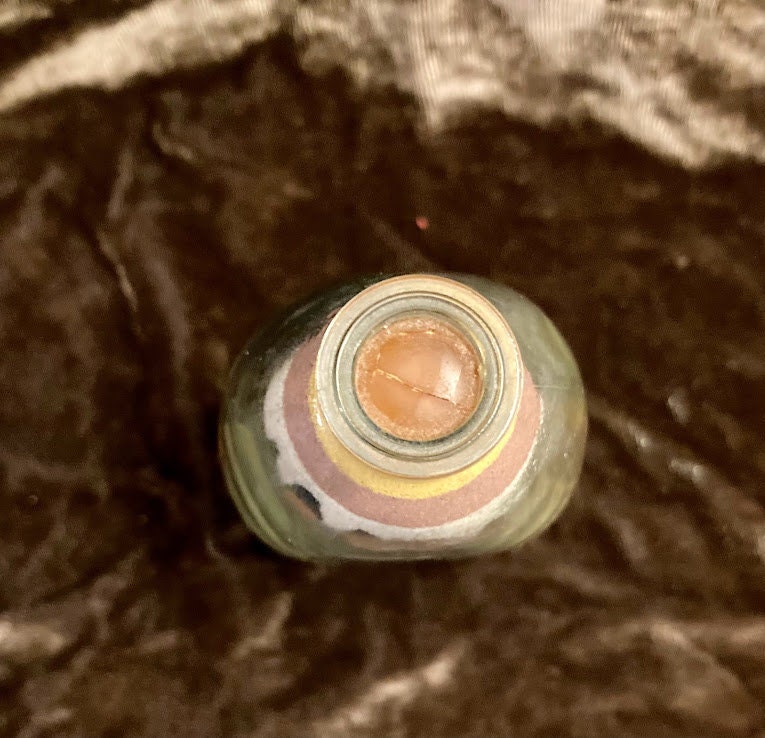
Techniques used in sand art vary significantly based on the desired outcome and complexity. One common method is wet sand sculpting, where water is mixed with sand to create a malleable medium that holds its shape better than dry sand. This technique allows for sharper edges and more detailed designs. Another technique is layering, which involves packing sand in different colors to create a striking visual effect. This method is often used in sand bottles or layered displays, introducing a vibrant aesthetic to the artwork.
Essential tools for sand art creation
The tools required for sand art are vital for achieving precision and detail in the designs. The right tools can make a significant difference in the quality of the finished artwork. Here are some essential tools used in the crafting of intricate sand art:
- Sand Shovels: Ideal for transporting and pouring sand. Different sizes ensure the right amount of sand can be moved efficiently.
- Buckets: Handy for mixing water with sand, which is crucial for wet sculpting techniques.
- Carving Tools: These include spatulas, knives, and chisels used to define details and shapes in the sand.
- Water Sprayers: Used to keep the sand moist during the sculpting process, preventing it from drying out too quickly.
- Templates and Molds: Helpful for creating uniform shapes and sizes, especially for beginners.
When it comes to choosing the right type of sand, it is essential to consider its grain size and texture. Fine sand is generally preferred for intricate designs as it compacts well, making it easier to carve and shape. Coarse sand can be more challenging to mold; however, it can create a more natural appearance for larger sculptures. A tip is to conduct a moisture test by adding water to the sand: if it holds together when squeezed, it is suitable for sculpting.
“The best sand for sculpting is the one that retains moisture and holds its shape.”
In conclusion, understanding the various techniques and tools enhances the sand art creation process, allowing artists to bring their imaginative visions to life.
The therapeutic benefits of sand art for relaxation and mindfulness
Sand art is not only a creative outlet but also a powerful tool for relaxation and mindfulness. Engaging in the delicate practice of shaping sand into intricate designs allows individuals to focus their minds, promoting a state of calm and tranquility. The tactile experience of manipulating sand can evoke a sense of nostalgia and connection to nature, enhancing the overall therapeutic experience. As artists immerse themselves in the flow of creating, they often find themselves in a meditative state where worries fade away, and the present moment takes center stage.
Sand art as a form of meditation
Creating sand art can serve as a unique form of meditation, inviting practitioners to enter a mindful state through sensory engagement. The rhythmic act of pouring and shaping sand encourages focused attention, which is essential for effective meditation. As individuals concentrate on the texture, color, and movement of the sand, they cultivate a deeper awareness of their surroundings and inner thoughts.
During the creative process, participants often experience moments of deep relaxation, akin to those achieved through traditional forms of meditation such as breath-focused practices. The visual appeal of sand art also plays a significant role, as the beauty of the patterns can evoke feelings of joy and satisfaction. This visual engagement helps anchor the mind, allowing for a release from distractions and a reconnecting with one’s creative self.
Psychological effects on stress relief and mental health
The psychological benefits of creating sand art extend beyond mere relaxation. Engaging in this creative practice can significantly reduce stress and anxiety levels. Studies indicate that art-making activates the brain’s reward system, releasing dopamine, a neurotransmitter associated with pleasure and emotional regulation. This neurochemical response contributes to an overall sense of happiness and well-being.
Furthermore, sand art allows for expression without the constraints of verbal communication, making it an excellent outlet for those who may struggle with articulating their emotions. The act of creating can serve as a form of catharsis, helping individuals process feelings and experiences that may otherwise remain unexpressed. In therapeutic settings, professionals often encourage sand art as a method of self-discovery and healing.
Using sand art in therapeutic settings or workshops
Integrating sand art into therapeutic workshops can provide participants with a unique avenue for self-exploration and emotional expression. These workshops can be designed to create a supportive environment where individuals feel safe to experiment and express their emotions through art.
Experienced facilitators can guide participants in exploring themes of mindfulness, relaxation, and emotional release, using sand art as a medium. The following aspects highlight the importance of incorporating sand art into therapeutic settings:
- Facilitated group sessions: Group workshops foster connection among participants, allowing for shared experiences that enhance the therapeutic process.
- Individual reflection: Time allocated for personal reflection while creating can deepen the understanding of one’s emotions.
- Mindfulness practice: Workshops can include mindfulness exercises that complement the sand art process, enhancing participants’ overall experience.
- Accessibility: Sand art can be tailored to individuals of various ages and abilities, making it an inclusive therapeutic option.
The incorporation of sand art in therapeutic practices not only promotes relaxation but also encourages a profound connection to one’s inner self, making it a valuable tool for mental health and wellness.
The modern resurgence of sand art in contemporary art and festivals
The world of sand art has experienced a remarkable revival in recent years, transforming from a traditional craft into a vibrant and celebrated form of contemporary art. This resurgence can be attributed to the growing appreciation for tactile, ephemeral art that engages viewers in a sensory experience. Sand art, with its intricate designs and the use of natural materials, resonates with modern audiences, drawing attention at festivals and art exhibitions worldwide.
The rise of sand art in modern art scenes is characterized by a blend of traditional techniques and innovative practices. Artists are now using sand not only as a medium for sculptures but also integrating it into mixed media art installations. This evolution is evident in various international festivals that celebrate sand artistry, allowing artists to showcase their skills while also attracting large crowds. Sand art has become a focal point for community engagement, as spectators are often invited to participate in the creation of large-scale pieces, making the experience collective and memorable.
Notable sand art competitions and events held globally
Numerous prestigious events highlight the talent and creativity of sand artists from around the globe. These competitions not only provide a platform for artists to display their work but also foster a sense of community among participants.
- World Championship of Sand Sculpting: Held annually in several locations, this competition attracts top sand sculptors to create stunning masterpieces, often based on specific themes that change each year.
- Sand Sculpture Festival: This festival, which takes place in locations like the Netherlands and Portugal, showcases incredible sand sculptures created by artists from various countries, emphasizing both skill and creativity.
- International Sand Sculpture Festival: Located in various coastal towns, this festival invites both amateurs and professionals to create elaborate artworks, often including interactive installations.
- SandFest: Celebrated in Port Aransas, Texas, SandFest is one of the largest sand sculpture competitions in the United States, featuring workshops where attendees can learn from renowned artists.
The significance of these events lies not only in the competition itself but also in the opportunity for artists to collaborate and learn from one another, thereby pushing the boundaries of what can be achieved with sand.
Profiles of contemporary sand artists and their unique styles
Today’s sand artists are redefining the medium with their unique approaches and styles, which often reflect personal narratives or cultural themes. Their works are not just transient; they tell stories that resonate with viewers long after the sand has been washed away.
One prominent artist is Daniele De Michele, known for his intricate and delicate sand sculptures that often depict mythical creatures and natural forms. His use of natural pigments adds a vibrant layer to his creations, making them visually striking and inviting deeper reflection.
Another notable figure is Sudarsan Pattnaik, an Indian sand artist celebrated for his large-scale sculptures that comment on social issues. His works often address themes such as environmental conservation and global peace, showcasing his dedication to using art as a vehicle for change.
The artistry of Greg MacGillivray exemplifies innovative techniques, as he incorporates light and sound into his sand installations. This multi-sensory experience elevates the traditional sand art form into an immersive spectacle, engaging audiences on multiple levels.
These contemporary sand artists are not only reviving traditional practices but are also forging new paths in the art world, proving that sand can be more than just a fleeting medium; it can be a powerful means of expression and connection in the contemporary art scene.
Environmental considerations and sustainability in sand art practices
Sand art, a captivating form of creativity, not only enchants viewers with its intricate designs but also raises important questions about environmental sustainability. As the art form continues to gain popularity, it becomes crucial to consider the ecological implications of traditional sand extraction methods. Sustainable practices can ensure that sand art contributes positively to the environment and local communities, rather than depleting natural resources.
Creating sand art sustainably involves responsible sourcing of materials and minimizing environmental impact. The extraction of sand, primarily from riverbeds and coastal areas, poses significant threats to local ecosystems. Over-extraction can lead to habitat destruction, erosion, and loss of biodiversity. For instance, sand mining in coastal regions disrupts marine habitats and can contribute to shoreline erosion, threatening coastal communities. Therefore, artists and enthusiasts should seek alternatives to conventional sand sources and adopt eco-friendly methods to reduce their carbon footprint.
A proactive approach for sustainable sand art includes using recycled or alternative materials. Artists can consider the following eco-friendly options:
Eco-friendly materials for sand art projects
Using sustainable materials not only enhances creativity but also promotes environmental stewardship. The following materials can be utilized in sand art projects for a lower ecological impact:
- Recycled Sand: Sourcing sand from construction sites or glass recycling centers can provide an eco-friendly alternative, reducing the demand for natural sand extraction.
- Natural Dyes: Instead of synthetic dyes, artists can use natural pigments derived from plants or minerals to color sand, minimizing harmful chemical use.
- Biodegradable Bindings: When creating sand sculptures, using natural adhesives like plant-based glues instead of petroleum-based products can enhance sustainability.
- Sustainable Tools: Opting for tools made from sustainably sourced materials or recycled plastics can lessen the environmental impact associated with manufacturing new tools.
- Locally Sourced Materials: Utilizing sand and other materials sourced from local suppliers can reduce transportation emissions and support local economies.
By implementing these suggestions, artists can significantly reduce the ecological footprint of their sand art practices. Ensuring that the materials used are either recycled or sustainably sourced mitigates the negative impact of sand art on the environment, allowing for a more harmonious relationship between creativity and nature.
“Sustainable sand art practices not only inspire creativity but also emphasize the importance of protecting our natural resources for future generations.”
Educational applications of sand art in schools and community programs
Sand art serves as a versatile medium that can be effectively integrated into educational curriculums, enhancing creative expression while fostering important skills among students. This artistic approach engages students in hands-on learning experiences that can be linked to various subjects, including science, math, history, and art. As educators explore innovative ways to enrich their teaching methodologies, sand art emerges as a practical tool that not only captivates students’ imaginations but also cultivates their critical thinking and collaborative abilities.
Integrating sand art into educational settings can be achieved through a variety of methods. Teachers can design lesson plans that incorporate sand art projects, allowing students to explore different themes related to their curriculum. For instance, a science lesson on ecosystems could involve creating layered sand art to represent various habitats and biological communities. By physically layering different colored sands, students can visualize the complexity of ecological relationships, reinforcing their understanding of the subject matter.
Community programs utilizing sand art for teaching creativity
Community programs have increasingly recognized the value of sand art as a means to foster creativity in participants of all ages. These programs typically offer workshops and events that encourage individuals to engage with sand art in a collaborative environment. Such initiatives are designed not only to teach the art form but also to promote social interaction and cultural exchange.
Examples of community programs utilizing sand art include:
- Sand Sculpture Festivals: These events invite artists and community members to collaborate on large-scale sand sculptures, allowing participants to learn techniques from experienced sculptors. Such festivals often culminate in competitions, fostering a spirit of friendly rivalry and community pride.
- Educational Workshops: Local art centers frequently host workshops where participants can learn the basics of sand art. These workshops encourage creativity by allowing individuals to experiment with different techniques while providing the guidance of skilled instructors.
- After-School Programs: Many schools have initiated after-school programs dedicated to various forms of art, including sand art. These programs provide students with an outlet for self-expression and creativity, helping to improve their artistic skills while fostering a sense of belonging within the community.
Collaborative sand art projects play a vital role in community building by creating opportunities for teamwork and shared experiences. Engaging in collective art-making fosters connections among participants, breaking down social barriers and promoting inclusivity. When individuals work together on a large-scale sand art project, they often share ideas, techniques, and stories, enriching the creative process and strengthening their bonds.
“Art is not a thing; it is a way.” – Elbert Hubbard
In essence, sand art serves as a bridge for community engagement, inspiring individuals to collaborate creatively while developing important social skills. The tactile and visual nature of sand art can create memorable experiences that resonate beyond the initial project, leaving participants with a deeper appreciation for art and community.
The role of digital technology in the evolution of sand art
The advent of digital technology has significantly transformed the landscape of art creation, including the intricate world of sand art. This transformation encompasses a variety of tools and techniques that artists can utilize, enhancing both the creative process and the accessibility of their work. The incorporation of digital tools not only influences how sand art is created but also broadens the audience reach through platforms that facilitate visibility and engagement.
Modern sand art creation has benefitted tremendously from digital advancements. Artists now have access to software that allows for precise planning and visualization of their designs before they even touch the sand. Programs like Adobe Illustrator or Procreate enable artists to sketch intricate patterns, refine colors, and experiment with different styles digitally, which can then be translated into their sand creations. This process not only enhances the quality and detail of the final artwork but also allows for a higher level of experimentation than traditional methods would permit.
Comparison of traditional and digitally enhanced sand art techniques
When comparing traditional sand art techniques with digitally enhanced methods, several key differences emerge that highlight the benefits of digital tools. Traditional sand art often relies on the artist’s intuition and skill in manipulating the sand directly, usually in outdoor or beach settings. The focus is heavily on tactile engagement and the spontaneous nature of the medium. However, this approach can be limited by environmental factors such as wind and moisture, which can complicate the creative process.
In contrast, digitally enhanced techniques allow for the creation of complex designs that can be perfected before any physical work begins. For example, an artist can create a digital mock-up of a large-scale sand sculpture, ensuring that proportions and details are correct. This technique minimizes errors that can lead to wasted time and materials. Furthermore, digital tools allow for the possibility of 3D modeling, enabling artists to visualize how their piece will look from various angles, which is particularly beneficial for larger installations.
Additionally, the impact of social media on the visibility of sand artists cannot be overstated. Platforms like Instagram and TikTok have become essential for artists to showcase their work to a global audience. High-quality videos and images of sand art creations can be shared instantly, leading to a rapid increase in exposure and engagement. Artists can gain followers, network with others in their field, and even monetize their work through commissions or sponsorships, thanks to their digital presence. This evolution has created a vibrant community of sand artists who can share techniques, collaborate, and inspire one another, further enriching the art form and its appreciation worldwide.
Last Point
In conclusion, sand art is much more than a fleeting creation; it embodies a rich tapestry of cultural expression, therapeutic practice, and environmental awareness. As artists continue to innovate and communities embrace this timeless craft, sand art remains a powerful medium for storytelling and connection. Whether on the shores of a beach festival or within the walls of a classroom, the artistry of sand will continue to inspire and engage people across generations.
Detailed FAQs
What types of sand are best for sand art?
Fine, dry sand is usually the best choice for creating intricate designs, as it holds together well when sculpted.
Can sand art be permanent?
While traditional sand art is temporary, some artists use binders to create more durable pieces that can last longer.
Is sand art suitable for all ages?
Absolutely! Sand art can be enjoyed by people of all ages, making it a fantastic activity for families and groups.
How can sand art be used in education?
Sand art can be integrated into lessons on creativity, environmental science, and cultural history, providing hands-on learning experiences.
Are there any famous sand art competitions?
Yes, events like the World Championship Sand Sculpting Competition showcase incredible talent from around the globe.