 Nolan Paxton
Slime kit invites you to dive into a colorful world of creativity and play. Originating from humble beginnings, these kits have transformed into a beloved activity for children and adults alike, offering endless opportunities for fun and learning. With vibrant colors, various textures, and customizable features, slime kits are not just a trend; they are a gateway to imagination and hands-on exploration.
From their historical evolution to the intricate science behind their stretchiness, slime kits enrich playtime with educational benefits. As we explore different types, safety considerations, and ways to personalize your slime-making experience, it becomes clear that these kits are more than just a pastime—they foster creativity, learning, and joy.
The History of Slime Kits and Their Evolution
Slime kits have become a popular trend in children’s play, sparking creativity and sensory exploration. Initially crafted from simple homemade recipes, the evolution of these kits mirrors changes in consumer preferences, safety standards, and play patterns over the years. From their origins as a DIY project to their current status as commercial products, slime kits have shaped the way children engage in tactile and imaginative play.
The history of slime kits can be traced back to the 1970s when the first commercial slime product, known as “Slime,” was introduced by Mattel. This gooey substance captivated children with its unique texture and vibrant colors. Throughout the 1980s and 1990s, various formulations emerged, including those made with cornstarch and water, allowing children to create their own slime at home. The DIY aspect of slime-making gained momentum, especially with the rise of the internet and social media, where instructional videos and tutorials shared recipes and techniques. By the early 2000s, the market began to see more sophisticated slime kits that included an array of ingredients, tools, and colorful additives to enhance the slime-making experience.
A notable milestone in this evolution occurred in the mid-2010s when the popularity of slime reached its peak, particularly among children and tweens. This surge was largely fueled by platforms like Instagram and YouTube, where influencers showcased their slime creations, sparking global interest. Companies responded by developing more elaborate kits that allowed users to experiment with various textures, scents, and colors. The introduction of “glitter slime,” “butter slime,” and “cloud slime” diversified the product range, catering to different preferences and playing styles.
The impact of slime kits on children’s play is significant. They provide an engaging way for children to explore sensory experiences, promote fine motor skills, and foster creativity. Playing with slime involves squeezing, stretching, and manipulating the material, which can enhance hand-eye coordination and dexterity. Slime-making also encourages problem-solving, as children learn to balance ingredients to achieve the desired consistency and texture. Furthermore, the process of customizing slime with colors, glitter, and scents promotes imaginative play, allowing children to express their individuality and creativity.
Through collaborative slime-making sessions, children develop social skills as they share ideas, negotiate materials, and work together toward a common goal. This interactive play can strengthen friendships and foster a sense of community. Additionally, slime kits serve as a therapeutic tool, providing a calming effect for some children, making the activity not just fun but also beneficial for emotional regulation.
In summary, the evolution of slime kits reflects broader trends in children’s play, technology, and consumer culture. From their humble beginnings to the myriad of options available today, slime kits continue to inspire creativity, promote skill development, and enhance social interactions among children.
Understanding the Different Types of Slime Kits Available
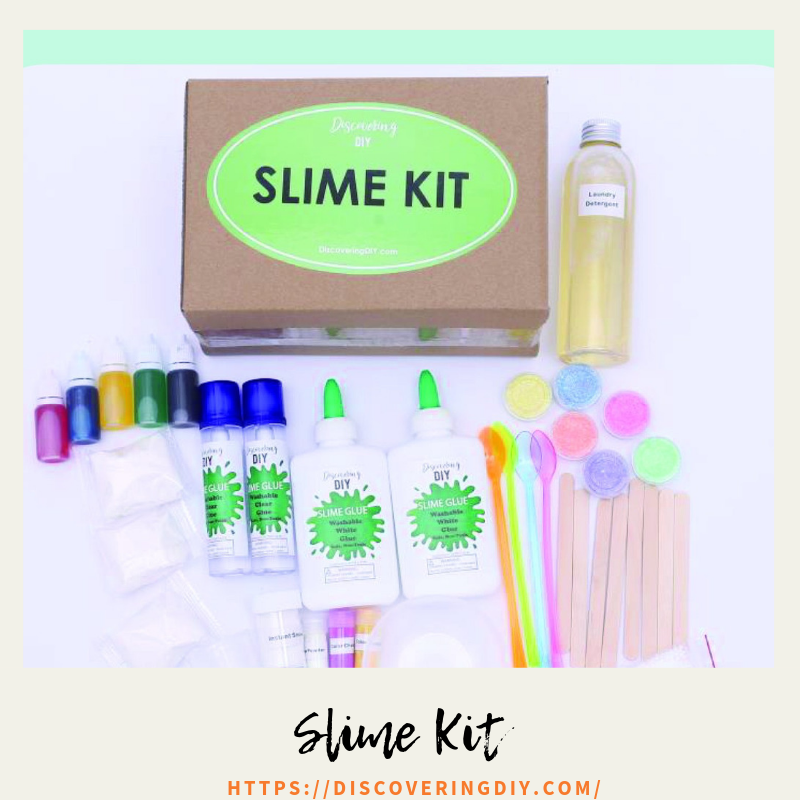
Slime kits have become increasingly popular among children and adults alike, offering endless creativity and fun. With various options available, understanding the types of slime kits on the market is essential for choosing the right one. Each kit comes with unique features, catering to different preferences, skill levels, and desired outcomes.
There are two primary types of slime kits: DIY (Do It Yourself) kits and pre-made kits. Each type offers distinct advantages and aligns with different user needs. DIY slime kits provide all the necessary ingredients and tools for users to create their slime from scratch. This option allows for total customization regarding texture, color, and scent, fostering creativity and hands-on learning. On the other hand, pre-made slime kits come with ready-to-use slime, often in eye-catching colors and textures, allowing users to skip the mixing process. This type is perfect for those who want immediate enjoyment without the hassle of crafting.
Varieties and Themes in Slime Kits
Slime kits come in various themes and variations, appealing to a wide range of interests. These kits usually incorporate different colors, textures, and additives to create unique experiences. Below are some popular themes found in the market:
- Glitter Slime Kits: These kits feature glitzy and sparkly particles, making the slime visually appealing. Glitter can be mixed in various colors, allowing users to create dazzling slime.
- Glow-in-the-Dark Slime Kits: Perfect for nighttime fun, these kits contain phosphorescent materials that make the slime glow after being exposed to light.
- Food-Themed Slime Kits: Mimicking popular treats like cakes, ice cream, or donuts, these kits allow users to create slime that looks good enough to eat—though it should never be consumed!
- Rainbow Slime Kits: These kits come with multiple colors, allowing users to layer and swirl different shades together, resulting in vibrant, multicolored slime.
- Textured Slime Kits: Featuring additives like foam beads, clay, or beads, these kits create a variety of sensory experiences, from crunchy to stretchy textures.
Each theme not only enhances the visual appeal of the slime but also adds a tactile dimension, making the crafting experience diverse and engaging. The customization options allow users to experiment and develop their unique slime creations. By exploring these different types of slime kits, enthusiasts can find the perfect match for their interests and creativity levels.
“Slime kits are not just a hobby; they are a gateway to creativity, sensory exploration, and fun.”
The Science Behind Slime
Slime is not just a fun and squishy substance; it’s also a fascinating example of chemistry in action. The science behind slime involves a variety of chemical reactions and interactions that create its unique properties. Understanding these principles enhances the slime-making experience, allowing for more creativity and experimentation with different textures and consistencies.
The creation of slime primarily involves a reaction between a polymer and a cross-linking agent. Most commonly, school glue, which is made from polyvinyl acetate (PVA), acts as the polymer. When you mix glue with a borate ion solution, like borax dissolved in water, a chemical reaction occurs. The borate ions attach to the PVA molecules, creating cross-links that transform the liquid glue into a thick, stretchy substance. This process is known as cross-linking, and it results in the formation of a viscoelastic material, which is what gives slime its distinctive stretchy and squishy characteristics.
Role of Ingredients in Achieving Various Slime Textures
Different ingredients can significantly alter the texture and feel of slime. Here’s a closer look at key components and how they contribute to the final product:
- Glue: As the base of slime, glue is essential for providing the initial structure. Varieties such as clear glue or colored glue can change the appearance and transparency of the slime.
- Activators: Borax is commonly used, but alternatives like contact lens solution, baking soda, or liquid starch can create different textures. Each activator has a unique way of interacting with glue, affecting the slime’s elasticity and stickiness.
- Water: Adding more water can produce a thinner, runnier slime, while reducing water creates a thicker consistency. The water ratio matters, as it determines how slimy or gooey the end product will be.
- Colors and Add-ins: Food coloring, glitter, or foam beads can enhance the visual appeal and tactile experience of slime. These add-ins don’t impact the chemical reaction but change how the slime feels and looks.
Understanding the role of each ingredient allows for experimentation. For instance, increasing the amount of glue while decreasing the activator can produce a more stretchy slime, while a higher ratio of activator can lead to a firmer texture. The science behind these combinations is pivotal in creating different types of slime, such as fluffy slime, butter slime, or even glossy slime.
“The key to mastering slime-making lies in understanding the interactions between polymers and cross-linking agents.”
Real-life applications of these scientific principles extend beyond mere fun. For example, the same polymers used in slime are found in various consumer products, including adhesives and coatings. By grasping the science of slime, individuals can translate their knowledge into understanding material properties in everyday life.
Experimentation with ingredients can lead to exciting discoveries, such as the perfect ratio to create a new type of slime altogether. This knowledge fosters a greater appreciation for the science behind the fun, encouraging ongoing exploration and creativity in slime-making endeavors.
Creative Ways to Personalize Your Slime Kit Experience
Personalizing your slime kit can transform it from a simple craft into a unique, engaging experience that fosters creativity. By customizing slime with vibrant colors, delightful scents, and exciting textures, children can express their individuality while honing their creative skills. This hands-on approach to crafting encourages imaginative play and experimentation, allowing kids to explore their artistic capabilities.
One of the most enjoyable aspects of slime making is the opportunity to customize it. Here are several methods for enhancing your slime kit with unique colors and scents that can make the slime experience even more delightful:
Customizing Slime with Colors and Scents
When it comes to personalization, colors and scents play a vital role in creating a sensory-rich slime experience. By mixing different shades and incorporating various fragrances, children can create their very own signature slime. Adding just a few drops of food coloring or slime-safe pigments can yield stunning color combinations.
Consider using:
- Food Coloring: Add drops of food coloring to achieve vibrant colors. For a mesmerizing effect, mix multiple colors into one batch for a tie-dye look.
- Glitter: Incorporating glitter can add a sparkle to the slime, making it visually appealing and fun to touch.
- Essential Oils: A few drops of child-safe essential oils, such as lavender or citrus, can infuse your slime with pleasant scents, enhancing the sensory experience during play.
- Fragrance Oils: Available in a wide range of scents, these can transform your slime into a sweet-smelling creation, like fresh baked cookies or ocean breeze.
Enhancing the sensory experience doesn’t stop there. The addition of various additives can enrich the slime’s texture and tactile properties. Examples of additives include:
- Foam Beads: These add a fun crunch factor, making the slime more interactive.
- Styrofoam Balls: For a fluffy and satisfying texture, these can be mixed in for a unique sensory feel.
- Glowing Powder: Adding phosphorescent powder allows the creation of glow-in-the-dark slime, providing an exciting twist for nighttime play.
- Fruit Slices or Shapes: Tiny plastic shapes or slices can be embedded within the slime, creating a themed slime that sparks imagination.
Personalizing slime promotes creativity in children by allowing them to take ownership of their creation. Each step, from choosing colors to adding scents and textures, encourages decision-making and experimentation. Children learn to express their preferences and encounter the joy of creating something truly unique. This process can also lead to storytelling, as each batch of slime may represent a different mood or tale, nurturing their narrative skills. Engaging in this creative activity not only enhances fine motor skills but also builds confidence as children see their ideas materialize into tangible forms. The freedom to innovate fosters an environment where kids feel empowered to explore their artistic boundaries, ultimately leading to a richer, more fulfilling slime kit experience.
Safety Considerations When Using Slime Kits
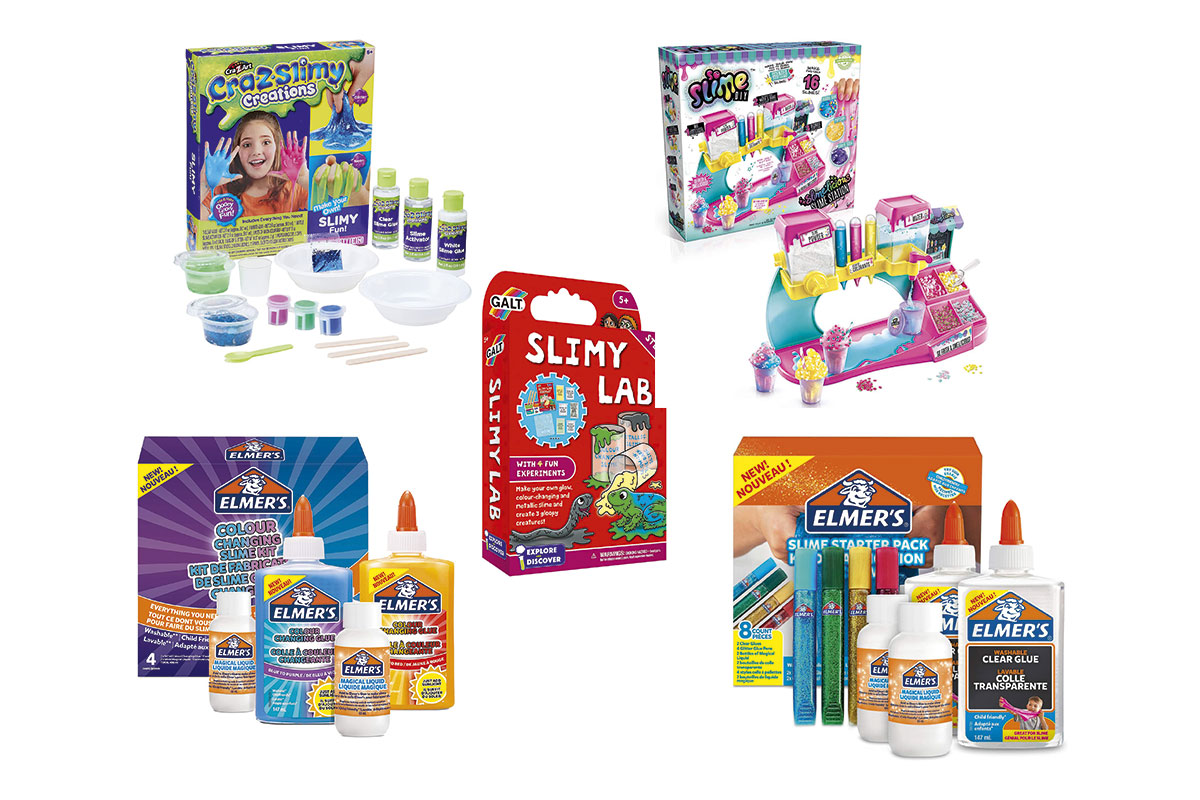
Creating slime can be a fun and engaging activity for children, but it is essential to approach it with caution. While most slime kits are designed for safe use, certain ingredients can pose health risks if not handled properly. Parents and guardians should understand the common safety concerns associated with slime ingredients to ensure a safe and enjoyable experience for children.
The primary safety concerns often involve the ingredients used to make slime, which frequently include glue, borax, and various colorants. Many commercial slime kits use polyvinyl acetate (PVA) glue, which is generally safe for children but should not be ingested or used on the skin. Borax, a common activator in homemade slime recipes, can be toxic in large quantities and may irritate the skin or eyes. Additionally, some colorants and glitter might cause allergic reactions in sensitive individuals, making it crucial to check for any relevant safety warnings on packaging.
Guidelines for Safe Slime-Making Practices
To mitigate risks while making slime, certain guidelines should be adhered to, especially when children are involved. Following these practices ensures fun without compromising safety:
1. Adult Supervision: Always supervise children during the entire slime-making process. An adult should be present to guide them, especially when using potentially harmful ingredients like borax.
2. Read Labels: Ensure that you read all labels carefully before use. Look for warnings about potential allergens or toxic substances.
3. Use Safe Ingredients: Opt for slime kits that are labeled non-toxic and suitable for children. Avoid using homemade recipes that require harsh chemicals.
4. Protect Surfaces: Use a washable tablecloth or newspaper to protect surfaces where slime is being made. This helps in easy cleanup and minimizes mess.
5. Wear Protective Gear: Encourage children to wear gloves and aprons to protect their skin and clothing from residues and spills.
6. Wash Hands: Teach children the importance of washing their hands before and after making slime to avoid contamination and skin irritation.
7. Store Properly: Keep all slime ingredients out of reach of young children when not in use, and ensure that finished slime is stored in a sealed container to prevent drying out.
8. Emergency Preparedness: Be aware of what to do in case of an allergic reaction or if a child ingests any materials. Keep emergency contact information handy.
“Supervision is key in ensuring a safe slime-making experience.”
The importance of supervision cannot be overstated when children are engaging in slime-making activities. Not only does it help prevent accidents, but it also provides an opportunity for educational moments about safety and proper handling of materials. Children can learn to respect the ingredients they are working with, cultivating a sense of responsibility. Furthermore, having an adult present allows for immediate assistance in case of any mishaps, ensuring that the fun does not turn into a hazardous situation. By following these guidelines, families can enjoy the creative and sensory experience of slime-making while prioritizing safety.
Educational Benefits of Using Slime Kits in Learning Environments
Slime kits have emerged as engaging educational tools in schools, offering a dynamic approach to learning that encompasses various subjects. By integrating slime-making activities into the curriculum, educators can create an interactive environment that cultivates not only creativity but also essential academic skills. The tactile nature of slime kits captures students’ attention, making the learning process both enjoyable and memorable.
The process of making slime involves a range of scientific principles, enabling educators to reinforce core concepts in chemistry, physics, and mathematics. By mixing ingredients such as glue, borax, and water, students observe chemical reactions firsthand, solidifying their understanding of states of matter and the properties of substances. Additionally, slime activities can enhance critical thinking and problem-solving skills as students experiment with different recipes to achieve desired textures and colors.
Skills and Concepts Reinforced Through Slime-Making Activities
Incorporating slime-making into educational settings enhances several skills while covering multiple academic concepts. The following list Artikels the key areas of development that slime kits can facilitate:
- Scientific Inquiry: Students engage in hypothesis formation and experimentation, learning to collect data and draw conclusions based on their observations during the slime-making process.
- Mathematical Skills: Measuring ingredients for slime creation requires students to apply basic arithmetic skills, thus reinforcing their understanding of fractions, ratios, and proportions.
- Creativity and Innovation: Students can personalize their slime by adding colors, scents, and textures, allowing them to express individuality while exploring artistic concepts.
- Fine Motor Skills: The hands-on nature of slime-making promotes dexterity and coordination, as students manipulate ingredients and textures to create their final products.
- Collaboration and Teamwork: Group slime-making projects encourage students to communicate effectively, share ideas, and work collectively towards achieving a common goal.
- Critical Thinking: Students must troubleshoot issues that arise during the slime-making process, fostering analytical skills as they assess outcomes and make adjustments.
The impact of hands-on learning with slime kits can be profound, particularly in enhancing student engagement and retention of knowledge. Research shows that experiential learning significantly boosts information retention compared to traditional teaching methods. For instance, students who actively participate in slime-making activities are likely to remember the scientific concepts related to the materials used and the processes observed. This active participation transforms the learning experience, making it not just informative but also enjoyable.
The integration of slime-making in educational contexts contributes to a holistic approach to learning, where students are not merely passive receivers of information but active participants in their educational journey. By facilitating a fun, interactive, and multi-disciplinary approach, slime kits empower students to explore science in a way that captures their imagination and curiosity.
Popular Trends and Influencers in the Slime Kit Community
The slime kit community has experienced a vibrant evolution, heavily influenced by social media and emerging trends. As slime continues to captivate enthusiasts of all ages, various trends and influential figures have shaped the industry, driving its popularity and creativity. Understanding these factors is essential for anyone looking to delve into the world of slime kits.
One of the most significant trends in the slime kit community is the diversification of slime types and textures. From glitter and foam to butter and cloud slime, the variety available caters to different sensory preferences and creative expressions. Seasonal themes also play a crucial role; for instance, Halloween-inspired slime kits featuring spooky colors and scents have gained traction, alongside festive kits for holidays like Christmas or Valentine’s Day. The concept of DIY (Do It Yourself) slime kits has also surged in popularity, allowing creators to customize ingredients, colors, and add-ins like charms or beads.
Influential Figures in the Slime Kit Community
Several influencers have made notable contributions to the slime kit phenomenon, each adding unique flair and creativity to the community. Their impact is evident in the way trends emerge and evolve, as well as in the engagement they foster among their followers.
Prominent influencers include:
- Karina Garcia: Often dubbed the “Slime Queen,” Karina gained fame through her YouTube tutorials, showcasing various slime recipes and hacks. Her engaging personality and innovative ideas have inspired countless fans to explore the slime-making process.
- Gabe and Garrett: This duo has captivated audiences with their fun, energetic videos revolving around slime challenges and unique creations. Their entertaining approach has helped popularize slime among younger viewers.
- Slime Sam: A character on YouTube, Slime Sam brings a playful element to slime-making, appealing to kids and families. His videos often feature educational content, making slime crafting an enjoyable learning experience.
Social media platforms like Instagram, TikTok, and YouTube have played a pivotal role in the explosion of slime kit popularity. The visual nature of these platforms allows creators to showcase their slime in eye-catching ways, often set to catchy music or engaging narratives. For instance, TikTok challenges, where users showcase their slime-making process or reveal unique slime hacks, have virally spread, leading to increased interest and engagement in the community.
Additionally, social media has fostered a sense of community among slime enthusiasts. Hashtags like #slimetime and #slimekits allow users to connect, share their creations, and inspire each other. This interconnectedness has spurred collaborations among influencers and brands, resulting in limited-edition slime kits that fans eagerly anticipate.
From the evolution of slime textures to the influence of key figures and the dynamic role of social media, the slime kit community continues to thrive, reflecting creativity and a passion for hands-on crafting.
Tips for Organizing a Slime Kit-Themed Party or Event
Planning a slime-themed party can be a delightful experience filled with creativity and fun. From inviting guests to organizing engaging activities, every detail matters to ensure your event is a hit. The following tips will provide you with a solid foundation for hosting a slime-making event that is both enjoyable and memorable for all.
Essential Supplies Checklist for a Slime-Making Party
Having the right supplies at your slime-making party is critical to its success. Here’s a list of essential items you should gather to ensure smooth slime-making sessions for your guests:
- Slime base ingredients (glue, water, and optional borax or contact solution)
- Mixing tools (spoons or spatulas)
- Containers for slime storage (small plastic cups or jars)
- Add-ins and decorations (glitter, foam beads, essential oils, food coloring)
- Protective gear (aprons or old t-shirts for guests)
- Table covers to protect surfaces from mess
- Paper towels for quick clean-ups
- Instructions for making different types of slime
- Slime-themed games and activities materials (like slime trivia or a slime relay race)
Strategies for Engaging Guests with Slime-Themed Activities
Creating a lively atmosphere is essential to keep guests entertained and engaged throughout the event. One effective strategy is to incorporate various slime-themed activities that encourage interaction. Consider these ideas:
- Slime Stations: Set up multiple stations with different types of slime-making supplies, allowing guests to experiment with various textures and colors. This hands-on approach keeps everyone excited.
- Slime Challenges: Organize friendly competitions such as fastest slime maker or most creative slime design. This not only fosters camaraderie but also ignites creativity.
- Photo Booth: Create a slime-themed photo booth with fun props. Guests can take pictures with their slime creations, making lasting memories.
- Slime Storytime: For younger guests, a storytelling session can revolve around slime-themed tales. This adds an educational component while keeping the theme intact.
Ensuring the event is fun and memorable involves a combination of good planning, engaging activities, and a positive atmosphere. Start by setting a friendly tone as guests arrive, welcoming them with a personalized slime kit as a party favor. This small gesture makes them feel appreciated and excited about the event. During the slime-making sessions, offer guidance and share fun facts about slime, keeping the mood light and educational.
Additionally, create a collaborative environment where guests can swap ideas, colors, or add-ins while they make their slime. This encourages interaction and helps build connections among attendees. Encourage laughter and creativity by playing lively music in the background, which can prompt some spontaneous dance breaks or sing-alongs. Finally, dedicate time for guests to showcase their creations, perhaps with a mini ‘slime fashion show’ where they can present their unique slimes.
Incorporating these elements will ensure that your slime-themed party is not only enjoyable but also a memorable experience for everyone involved.
Ending Remarks
In summary, slime kits encapsulate a unique blend of fun, science, and creativity, making them a valuable addition to both play and educational settings. Whether you’re hosting a slime-themed event or simply enjoying some DIY fun at home, the possibilities are endless. With safety in mind and endless customization options, slime kits promise not just to entertain but also to inspire the next generation of creators.
Quick FAQs
What age groups are slime kits suitable for?
Slime kits are generally suitable for ages 5 and up, with adult supervision recommended for younger children.
Can I make slime without a kit?
Yes, you can make slime using basic household ingredients like glue, water, and borax or contact lens solution.
Are there any allergens in common slime ingredients?
Some common ingredients, like glue and borax, can cause allergic reactions in sensitive individuals, so check labels and opt for allergy-friendly options if needed.
How long does homemade slime last?
Homemade slime can last from a few days to several weeks if stored properly in an airtight container.
Can slime kits be used for educational purposes?
Absolutely! Slime kits can teach children about chemical reactions, measurements, and even sensory experiences while having fun.