 Nolan Paxton
Sketchbooks are more than just blank pages; they are gateways to creativity and self-expression. Over centuries, these personal artistic journals have evolved, showcasing the thoughts and ideas of renowned artists while also serving as tools for experimentation and exploration.
From the early sketches of masters like Leonardo da Vinci to contemporary digital art innovations, the sketchbook holds a unique place in the world of art. It reflects cultural shifts, creative techniques, and the profound psychological benefits of putting pen to paper, making it an essential companion for both amateur and professional artists alike.
The Evolution of Sketchbooks throughout History
Throughout the ages, sketchbooks have served as invaluable tools for artists, offering a private space to explore ideas, capture fleeting moments, and refine techniques. From the Renaissance to contemporary art, sketchbooks have mirrored the evolution of artistic practices and preferences, showcasing the journey of creativity.
In different historical periods, sketchbooks were utilized by renowned artists to document their observations and develop their artistic styles. For example, during the Renaissance, artists like Leonardo da Vinci and Michelangelo employed sketchbooks not only to draft paintings and sculptures but also to explore anatomy and nature. Their detailed sketches laid the groundwork for their masterpieces and demonstrated a profound understanding of the world around them.
Key Materials That Shaped Sketchbook Design
The design and functionality of sketchbooks have evolved significantly over time, primarily due to advancements in materials. The choice of paper, binding methods, and cover materials has greatly influenced the way artists use sketchbooks.
The following materials have played crucial roles in shaping modern sketchbooks:
- Paper: Early sketchbooks featured rough, handmade paper made from linen or cotton rags, which provided texture and grip for various mediums. As technology advanced, artists began to use smoother, acid-free papers that offered better durability and archival quality.
- Binding Techniques: The shift from simple stitched bindings to more complex methods, such as spiral and tape bindings, allowed for greater flexibility and accessibility, enabling artists to easily flip through pages and add more sheets as needed.
- Covers: Initially, sketchbooks had soft covers made from leather or cloth. Today, artists can choose from a range of materials, including synthetic covers that are waterproof and more resistant to wear and tear.
Cultural Significance in Artistic Movements
Sketchbooks have transcended mere utility; they also hold significant cultural importance within various artistic movements. They offer insights into the minds of artists and the societal contexts in which they worked.
Notable artistic movements where sketchbooks played a critical role include:
- Impressionism: Artists like Claude Monet used sketchbooks to capture the effects of light and atmosphere in plein air studies, which later informed their larger canvases.
- Surrealism: Surrealists such as Salvador Dalí and André Breton utilized sketchbooks to explore dreams and subconscious thoughts, thus documenting their creative processes and inspirations.
- Modernism: Throughout the 20th century, sketchbooks became a space for experimentation, where artists like Pablo Picasso and Henri Matisse recorded their stylistic evolution and conceptual explorations.
“A sketchbook is a mirror reflecting the soul of the artist.”
The evolution of sketchbooks is a testament to the changing nature of art and the ongoing dialogue between artists and their environments. Each sketchbook tells a unique story, encapsulating the essence of creativity and the passage of time.
Creative Techniques for Using a Sketchbook
Using a sketchbook is not just about drawing; it’s a playground for creativity where ideas take shape and evolve. It serves as a personal diary of artistic exploration, enabling artists to experiment with various techniques and styles. This section delves into innovative methods for sketching, artistic styles to explore, and ways to integrate mixed media into your sketchbook creations.
Innovative Sketching Methods
Exploring different sketching techniques can significantly enhance your artistic repertoire. Here are some innovative methods to consider:
- Gesture Drawing: This technique focuses on capturing the essence and movement of a subject rather than detailed representation. Quick sketches of live models or scenes help to develop an artist’s ability to convey form and motion efficiently.
- Blind Contour Drawing: This method involves drawing the Artikel of a subject without looking at the paper. It encourages artists to focus on observation rather than perfection, often resulting in unique and expressive line work.
- Continuous Line Drawing: Similar to blind contour, this technique uses a single unbroken line to create an image. It fosters a sense of flow and spontaneity, making it a great exercise for capturing the subject’s dynamism.
- Thumbnail Sketches: Creating small, quick sketches allows artists to explore multiple compositions without committing to detailed work. This approach is particularly useful for planning larger projects.
Artistic Styles to Explore
A sketchbook is a perfect place to experiment with various artistic styles. Here are some noteworthy styles to try:
- Realism: Focus on capturing subjects as they appear in real life, paying attention to details, lighting, and proportions. This style enhances observational skills and technical abilities.
- Abstract Art: Engage with colors, shapes, and forms that don’t necessarily represent the real world. Abstract sketching allows for emotional expression and creativity to flow freely.
- Surrealism: Combine elements from reality with dreamlike, fantastical images. This style encourages imagination and can produce thought-provoking results.
- Cartooning: Develop characters and scenes with exaggerated features and whimsical elements. This light-hearted style can be a fun way to hone storytelling and character design skills.
Incorporating Mixed Media
Integrating mixed media into your sketchbook creations adds depth and texture to your work. Utilizing various materials can enhance the visual appeal and richness of your sketches. Here are some ways to incorporate mixed media:
- Collage: Combine drawings with cut-out images, magazine clippings, or found objects. This technique adds layers of meaning and texture, creating a dynamic visual experience.
- Watercolor Over Pencil: Start with pencil sketches and then apply watercolor for a vibrant finish. The contrast between detailed line work and fluid colors creates an engaging outcome.
- Ink and Wash: Use ink to Artikel sketches and apply a wash of watercolor or ink diluted with water for shading and depth. This approach can create dramatic effects and highlight certain areas of the artwork.
- Fabric and Textiles: Incorporate pieces of fabric or textiles into your sketches. This adds physical texture and can relate to the theme of the artwork, enhancing storytelling elements.
The Psychological and Emotional Benefits of Maintaining a Sketchbook
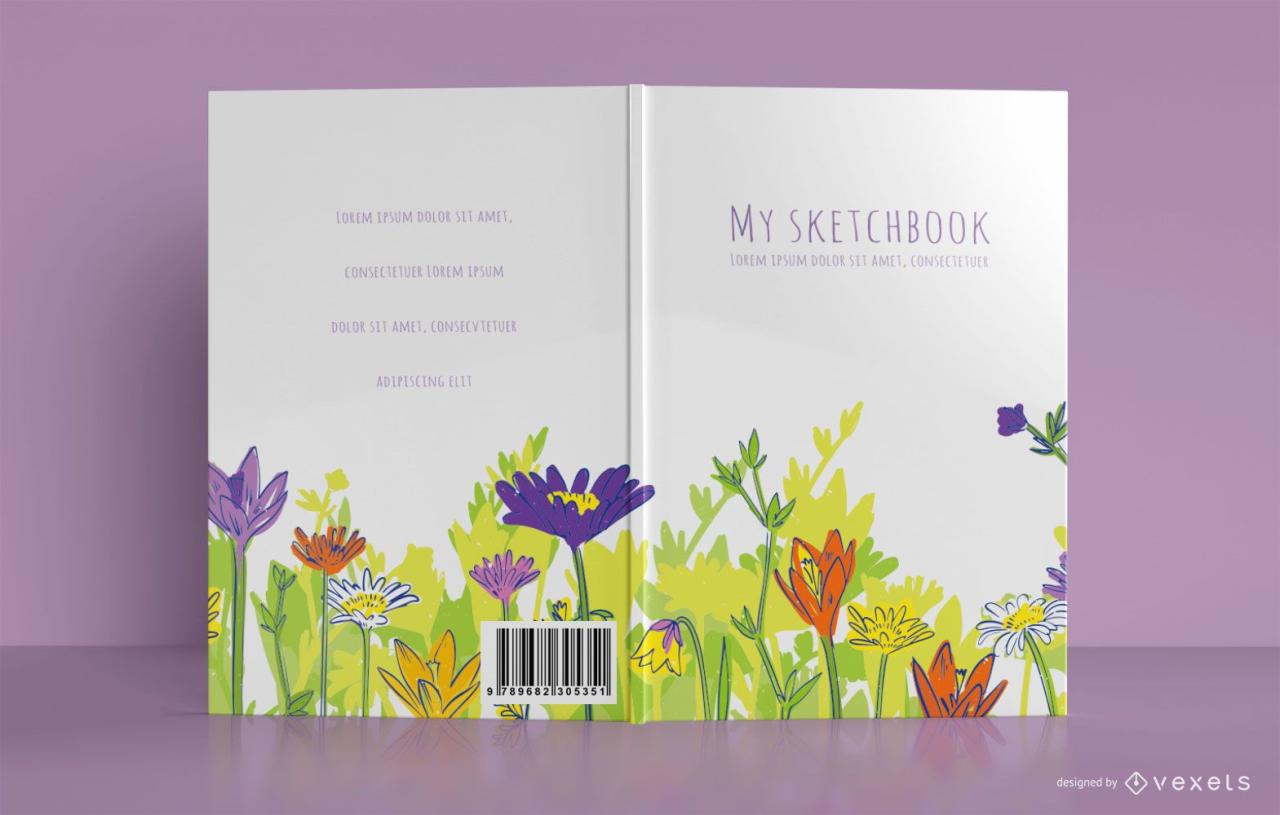
Maintaining a sketchbook offers numerous psychological and emotional benefits that can significantly enhance mental well-being and stimulate creativity. Engaging with a sketchbook allows individuals to explore their thoughts, feelings, and ideas in a visual format, which can lead to greater self-awareness and emotional release. The act of sketching can serve as a powerful therapeutic tool, promoting relaxation and clarity of mind.
Enhancement of Mental Well-being and Creativity
Using a sketchbook can act as a powerful outlet for self-expression and creativity. This practice is often associated with several positive psychological effects, which include:
- Stress Reduction: Sketching can be a meditative process that helps lower stress levels. Engaging in this creative activity allows individuals to escape from daily pressures, promoting relaxation.
- Improved Mood: The act of creating can release endorphins, leading to improved mood and overall emotional health. When individuals sketch, they often experience a sense of accomplishment and joy.
- Increased Focus: Sketching encourages concentration, helping individuals to stay in the moment and focus on their creative process. This can lead to a decrease in anxiety and an increase in feelings of productivity.
Therapeutic Aspects of Art Journaling and Sketching
Art journaling and sketching provide a unique therapeutic outlet that can facilitate emotional healing and personal growth. The benefits of these practices include:
- Processing Emotions: Sketchbooks can be a safe space to explore and process complex emotions. By visualizing feelings through art, individuals can gain insights into their emotional state.
- Enhancing Problem-Solving Skills: The creative process involved in sketching encourages divergent thinking, which can enhance problem-solving abilities in real-life situations. This creative thinking can be beneficial in personal and professional contexts.
- Building Emotional Resilience: Consistently practicing art journaling can help individuals build resilience by allowing them to confront and articulate their feelings. This practice can foster a healthier relationship with emotions.
Fostering Mindfulness and Self-reflection
Sketching encourages mindfulness, which is the practice of being present and fully engaged in the moment. This can provide several benefits:
- Heightened Awareness: As individuals sketch, they become more aware of their surroundings and emotions. This heightened awareness can lead to a greater appreciation for the small details in everyday life.
- Self-Reflection: Sketchbooks serve as personal diaries, allowing individuals to reflect on their thoughts and experiences. This self-reflection can lead to personal insights and growth.
- Cognitive Clarity: The process of sketching can clear mental clutter, allowing for improved focus and a more organized thought process. This clarity can be beneficial in both personal and academic pursuits.
How to Organize Your Sketchbook for Maximum Creativity
Organizing your sketchbook effectively can significantly enhance your creativity and ensure that your ideas are easily accessible when inspiration strikes. A well-structured sketchbook not only serves as a personal creative space but also as a comprehensive resource for your artistic journey. Setting up your sketchbook with distinct sections for various projects allows you to keep your thoughts organized and encourages a systematic approach to creativity.
Creating specific sections in your sketchbook is essential for managing different projects and ideas. This can be achieved through a simple step-by-step process that ensures each section is tailored to its purpose.
Setting Up Sections in Your Sketchbook
Begin by dividing your sketchbook into distinct sections based on your projects. Here’s how to approach this:
– Identify Categories: Determine the main themes or types of projects you work on. This could include categories like illustration, concept design, doodles, or notes.
– Use Tabs or Dividers: Consider using sticky tabs or physical dividers to clearly mark each section. This makes it easy to flip to the right area without losing time.
– Dedicate Space for Ideas: Reserve a section for brainstorming and unrefined sketches. This is where you can let your creativity flow without the pressure of perfection.
– Chronological or Thematic Order: Depending on your preference, you might want to organize sections chronologically based on when you started working on the projects, or thematically, which groups similar ideas together.
Best Practices for Cataloging Sketches and Ideas
Cataloging your sketches and ideas is vital for future reference and inspiration. Here are some best practices:
– Date Each Entry: Always date your sketches and notes. This provides context and a timeline of your thought process.
– Create an Index: At the start of your sketchbook, include an index page that lists the main sections and page numbers. This will help you quickly locate specific projects or ideas.
– Tagging System: Use a tagging system to categorize sketches by themes, techniques, or mediums. This allows you to easily retrieve sketches related to specific topics in the future.
– Digital Backup: Consider taking photos or scanning your sketches to create a digital archive. This not only serves as a backup but also allows for easy sharing and access.
Maintaining an Engaging Workflow
To keep your sketchbook experience engaging and productive, it is essential to maintain a steady workflow. Here are some tips to achieve this:
– Set Regular Sketching Times: Designate specific times during your week for sketching. Consistency fosters habit and creativity.
– Incorporate Challenges: Set monthly or weekly challenges where you explore new techniques or subjects. This keeps your practice fresh and exciting.
– Reflect on Progress: Periodically review your sketches to reflect on your growth and see how your style has evolved. This reflection can inspire new directions for your work.
– Experiment with Different Mediums: Don’t confine yourself to just one medium; experiment with watercolors, colored pencils, or digital tools. This can lead to unexpected creative breakthroughs.
“Creativity thrives in an organized environment; structure your sketchbook to unlock your full potential.”
The Role of Digital Sketchbooks in Contemporary Art
In recent years, digital sketchbooks have gained significant traction within the art community, revolutionizing the way artists create and share their work. These platforms provide an array of tools, allowing for unprecedented flexibility and experimentation in the sketching process. As technology advances, the intersection between traditional artistic methods and digital innovations continues to evolve, shaping contemporary art in various ways.
The advantages of using digital sketching platforms include convenience, versatility, and a vast array of tools that can enhance the creative process. Digital sketchbooks eliminate the need for physical materials, allowing artists to carry their entire workspace on a single device. They also offer features such as layers, undo options, and a diverse palette of colors, which can significantly streamline the creative process. However, there are disadvantages as well, including the potential for a less tactile experience, which some artists may find limiting compared to traditional mediums. Furthermore, the reliance on technology can lead to distractions and a disconnect from the physical act of drawing.
Advantages of Digital Sketching Platforms
Digital sketching platforms come with numerous benefits that can enhance the overall creative experience. Below are some key advantages:
- Portability: Artists can create anywhere, as digital sketchbooks are accessible on various devices, including tablets and smartphones.
- Layer Management: The ability to work in layers allows artists to make changes without affecting the entire piece, fostering experimentation.
- Undo Function: Mistakes can be easily corrected with the touch of a button, encouraging risk-taking in artistic decisions.
- Variety of Tools: Digital platforms offer a multitude of brushes, textures, and effects that can be difficult to replicate with traditional media.
- Eco-Friendly: Reduces the need for physical materials, which can be beneficial for the environment.
Disadvantages of Digital Sketching Platforms
Despite their benefits, digital sketching platforms also present certain drawbacks that artists must consider. The following points illustrate some of these challenges:
- Lack of Tactility: Many artists feel that digital mediums do not provide the same physical feedback and connection as traditional materials.
- Technical Issues: Artists may face challenges such as software crashes, compatibility issues, or hardware malfunctions that can interrupt the creative flow.
- Learning Curve: Mastering digital tools can require time and effort, which may deter some artists from fully embracing the medium.
- Distractions: Notifications and other applications can distract artists from their work, leading to a fragmented creative process.
Comparison of Traditional Sketching and Digital Drawing
The experience of traditional sketching versus digital drawing offers distinct differences that influence an artist’s workflow and output. Traditional sketching often involves direct interaction with physical materials, such as pencils, charcoal, or ink, which can provide a unique sensory experience. This tactile engagement allows artists to develop a connection with their medium, often resulting in a more personal touch in their work. In contrast, digital drawing enables greater flexibility, as artists can easily experiment with styles, colors, and compositions without the constraints of physical materials.
For instance, while a traditional artist may need to invest in various sketching tools, a digital artist can access a plethora of options with a single application. The immediacy of digital tools can encourage rapid iteration of ideas, allowing for quick adjustments and exploration of concepts. Additionally, sharing artwork in a digital format is often more straightforward, facilitating collaboration and feedback within the artist community.
Popular Digital Tools and Apps for Sketching
A variety of digital tools and applications have emerged to support artists in their creative endeavors. These platforms enhance the sketching experience by offering specialized features designed to meet the needs of contemporary artists. Here are some popular options:
- Procreate: A highly regarded app for iPad that provides an extensive range of brushes, customizable palettes, and user-friendly interfaces that cater to artists of all skill levels.
- Adobe Fresco: Known for its realistic brush dynamics and integration with Adobe Creative Cloud, this app is ideal for artists seeking both raster and vector capabilities.
- Autodesk SketchBook: A versatile sketching app that offers a range of tools and features suitable for professional artists and hobbyists alike, enhancing the overall sketching experience.
- Clip Studio Paint: Particularly popular among comic artists and illustrators, this software provides powerful features for creating detailed artwork, including 3D model integration.
- Affinity Designer: A robust graphic design tool that combines vector and raster graphics, making it an excellent choice for creating complex illustrations.
Sketchbook Challenges to Boost Your Artistic Skills
Engaging in sketchbook challenges can significantly enhance your artistic skills while keeping your creativity flowing. These challenges not only encourage you to draw regularly but also motivate you to explore different styles and themes. By stepping out of your comfort zone, you can discover new techniques and approaches to art that you may not have considered before.
Participating in sketchbook challenges can create a vibrant community of artists, fostering creativity and collaboration. Many artists share their challenges on social media platforms, allowing for interaction and feedback. This social aspect can help you gain inspiration, meet fellow artists, and even develop friendships based on shared interests in art.
Unique Sketchbook Challenges
Exploring unique sketchbook challenges can provide fresh inspiration and push your artistic boundaries. Here are some intriguing challenges that you can try:
- 30 Days of Doodles: Commit to creating a doodle every day for a month. This challenge promotes spontaneity and fun, allowing for creative freedom without the pressure of perfection.
- Color Palette Challenge: Select a specific color palette each week and create sketches only using those colors. This helps in understanding color theory and enhancing your color mixing skills.
- Inspiration from Nature: Spend a week sketching elements from nature, whether it’s plants, landscapes, or animals. This challenge improves observational skills and appreciation for the environment.
- Character Design Challenge: Create a new character every day for a week, considering different traits, backgrounds, and styles. This promotes storytelling through visuals and character development.
- Art Style Mashup: Combine two different art styles in one sketch, experimenting with techniques and aesthetics. This encourages versatility and innovation in your artwork.
Social Aspect of Online Sketchbook Challenges
The social aspect of participating in online sketchbook challenges adds a layer of enjoyment and motivation. When artists share their work online, they receive feedback that can enhance their skills and boost confidence. Engaging with a community invites constructive criticism, encourages collaborative projects, and provides a platform for showcasing progress.
Platforms like Instagram, Pinterest, and dedicated forums allow artists to connect through hashtags and challenge posts. Here, participants can find encouragement from peers, discover new techniques, and even participate in monthly themes set by popular art communities.
Tips for Staying Motivated
Staying motivated to complete a sketchbook challenge can sometimes be difficult. However, with a few strategies, you can enhance your commitment and enjoyment throughout the process:
- Set Manageable Goals: Break down your challenge into smaller, achievable tasks. This makes the process less daunting and helps maintain your excitement.
- Track Your Progress: Keep a visual record of your work. Whether through a digital gallery or a physical board, seeing your progress can be incredibly motivating.
- Create a Routine: Establish a specific time for sketching each day. Consistency can help make art a regular part of your schedule.
- Join a Community: Being part of an art group or online challenge can build camaraderie and provide accountability. Share your work and support others to stay engaged.
- Reward Yourself: Set small rewards for completing milestones within the challenge. This can be as simple as enjoying a treat or taking a break for a favorite activity.
{The Influence of Sketchbooks on Professional Artists}
Sketchbooks play a crucial role in the creative process of professional artists, acting as a private sanctuary for experimentation and idea generation. These versatile tools not only allow artists to develop their skills but also serve as a vital bridge between raw concepts and polished works of art. The importance of sketchbooks in a professional artist’s journey cannot be overstated, as they encapsulate the evolution of ideas that lead to significant artworks.
Professional artists utilize their sketchbooks in various ways that greatly enhance their creative processes. They often use these books for brainstorming, doodling, and refining concepts before translating them into final pieces. Sketchbooks provide an informal environment where mistakes are welcomed, fostering innovation and encouraging risk-taking. This makes it easier for artists to explore new techniques, styles, and subject matter without the pressure of a final output.
{Notable Artists and Their Sketchbook Practices}
Several acclaimed artists attribute their success and distinctive styles to their diligent use of sketchbooks. These artists demonstrate how sketchbooks serve as invaluable resources for creativity and artistic development.
- Leonardo da Vinci: Renowned for his detailed sketches and scientific observations, da Vinci’s notebooks are filled with studies of anatomy, flying machines, and botanical illustrations. His sketchbooks reveal the depth of his inquiry and experimentation.
- Pablo Picasso: Picasso’s sketchbooks were instrumental in his creative process, allowing him to explore and document his evolving style. These books reflect his transition through different movements, culminating in groundbreaking works.
- Frida Kahlo: Kahlo used her sketchbooks to express her emotions and experiences through imagery and symbolism. Her sketches often served as the foundation for her later paintings, enriching the narratives within her artworks.
- David Hockney: Hockney’s sketchbooks are a testament to his ongoing exploration of technology and mediums, often featuring digital sketches that inform his larger canvases. This adaptability highlights the essential role of sketching in his artistic process.
The transition from sketchbook ideas to final artworks in a professional context reflects a systematic approach to refining concepts. Artists often revisit sketches, selecting elements that resonate with their vision. This iterative process involves analyzing compositions, color schemes, and thematic elements before committing to a finished piece.
“The sketchbook is the artist’s laboratory, where ideas are tested, discarded, and transformed into masterpieces.”
In this professional environment, sketchbooks can also serve as a collaborative tool, where artists share concepts with peers or clients for feedback. This collaboration can lead to fresh insights that enhance the final artwork, demonstrating that sketchbooks are not merely private diaries but essential parts of a dynamic artistic dialogue.
Selecting the Right Sketchbook for Your Needs
Choosing the right sketchbook can significantly enhance your drawing experience and allow your creativity to flourish. With a plethora of options available, from binding types to paper materials, understanding the purpose of each can help you make a well-informed decision that suits your artistic style and needs.
When selecting a sketchbook, consider the types available and their specific uses. Each sketchbook comes with unique features tailored to various drawing techniques, which can affect the outcome of your work.
Types of Sketchbooks and Their Uses
The variety of sketchbooks available on the market can be overwhelming. Here are some common types and their uses:
- Hardcover Sketchbooks: Ideal for artists who prefer durability and a sturdy surface. They are often used for mixed media and can withstand rough handling.
- Softcover Sketchbooks: Lightweight and flexible, these sketchbooks are perfect for artists who are on the go and need an easily portable option.
- Watercolor Sketchbooks: Designed with thicker paper to handle wet mediums without warping, these sketchbooks are essential for watercolorists.
- Mixed Media Sketchbooks: These feature a variety of paper types, suitable for pencil, ink, and light watercolor. They allow flexibility in creating different art styles.
- Spiral-Bound Sketchbooks: Convenient for keeping pages flat and easily accessible, perfect for quick sketches and notes.
In addition to the type, the size and paper type also play a crucial role in your drawing techniques.
Choosing the Right Size and Paper Type
The size of your sketchbook can influence how and where you create your art. Consider the following:
- Small (A5 or smaller): Perfect for quick sketches, travel journaling, and portability.
- Medium (A4): Offers a balance between portability and space for detail, great for everyday use.
- Large (A3 or larger): Best for detailed work and larger projects, though less portable.
The paper type is equally significant, as different weights and textures cater to various mediums. The following points highlight essential features:
- Weight: Heavier paper (200 gsm and above) is suitable for wet media, while lighter paper (90-160 gsm) is typically used for dry media.
- Texture: Smooth paper is excellent for detailed pencil work, while textured paper works well with charcoal and pastels.
- Acid-free: Ensures longevity and prevents fading, making it ideal for archival-quality art.
Budget-Friendly Options vs. Premium Choices
When selecting a sketchbook, budget considerations are essential. There are quality options available across a range of price points:
- Budget-Friendly Options: Brands like Strathmore and Canson offer affordable sketchbooks that provide decent quality for everyday sketches.
- Premium Sketchbooks: Brands such as Moleskine and Leuchtturm1917 often feature superior paper and binding quality, making them worth the investment for serious artists.
In conclusion, selecting the right sketchbook involves understanding your specific artistic needs and preferences. By considering the types available, appropriate sizes and paper types, and your budget, you can choose a sketchbook that not only meets your requirements but also inspires your creativity.
End of Discussion
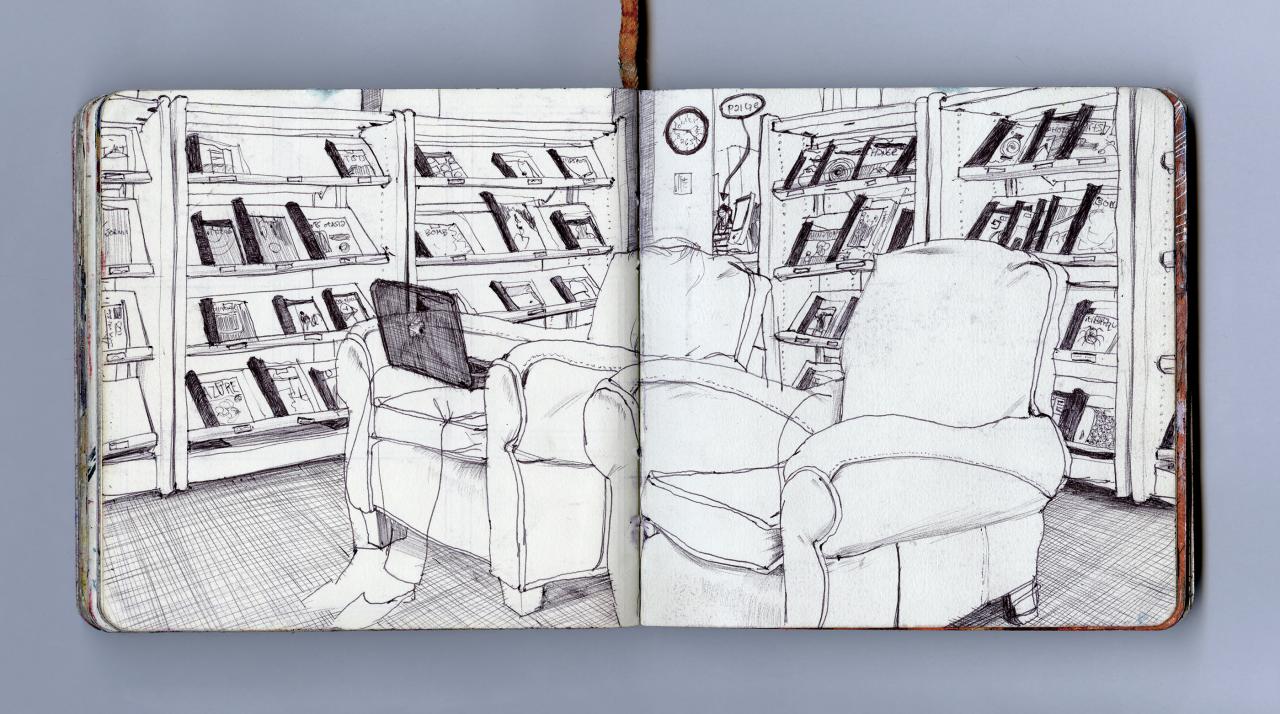
In conclusion, the journey through the world of sketchbooks reveals their vital role in shaping artistic expression and fostering creativity. Whether through traditional methods or digital platforms, sketchbooks continue to inspire artists and provide a space for reflection, growth, and innovation.
Popular Questions
What is a sketchbook used for?
A sketchbook is used for drawing, brainstorming ideas, capturing inspiration, and practicing artistic techniques.
How often should I use my sketchbook?
It’s recommended to use your sketchbook regularly to enhance your skills and keep your creativity flowing.
Can I use my sketchbook for mixed media?
Yes, many artists use sketchbooks for mixed media, combining various materials and techniques for diverse outcomes.
What types of materials should I use in my sketchbook?
Use high-quality pencils, pens, watercolors, and various papers suited for your chosen medium.
How do I stay motivated to fill my sketchbook?
Set personal challenges, join online communities, or participate in sketching prompts to keep your motivation high.