 Nolan Paxton
Chemistry set offers a fascinating glimpse into the world of science, igniting curiosity and encouraging young minds to explore the fundamentals of chemical reactions. From their humble beginnings to the sophisticated kits of today, these sets have been instrumental in shaping the interests of budding scientists across generations.
By delving into the historical development of chemistry sets, we discover their significant evolution, essential components, and educational value. The engaging hands-on experiments not only foster learning but also spark a passion for chemistry and the scientific method, proving that the world of science is accessible and exciting for everyone.
Exploring the Historical Development of Chemistry Sets
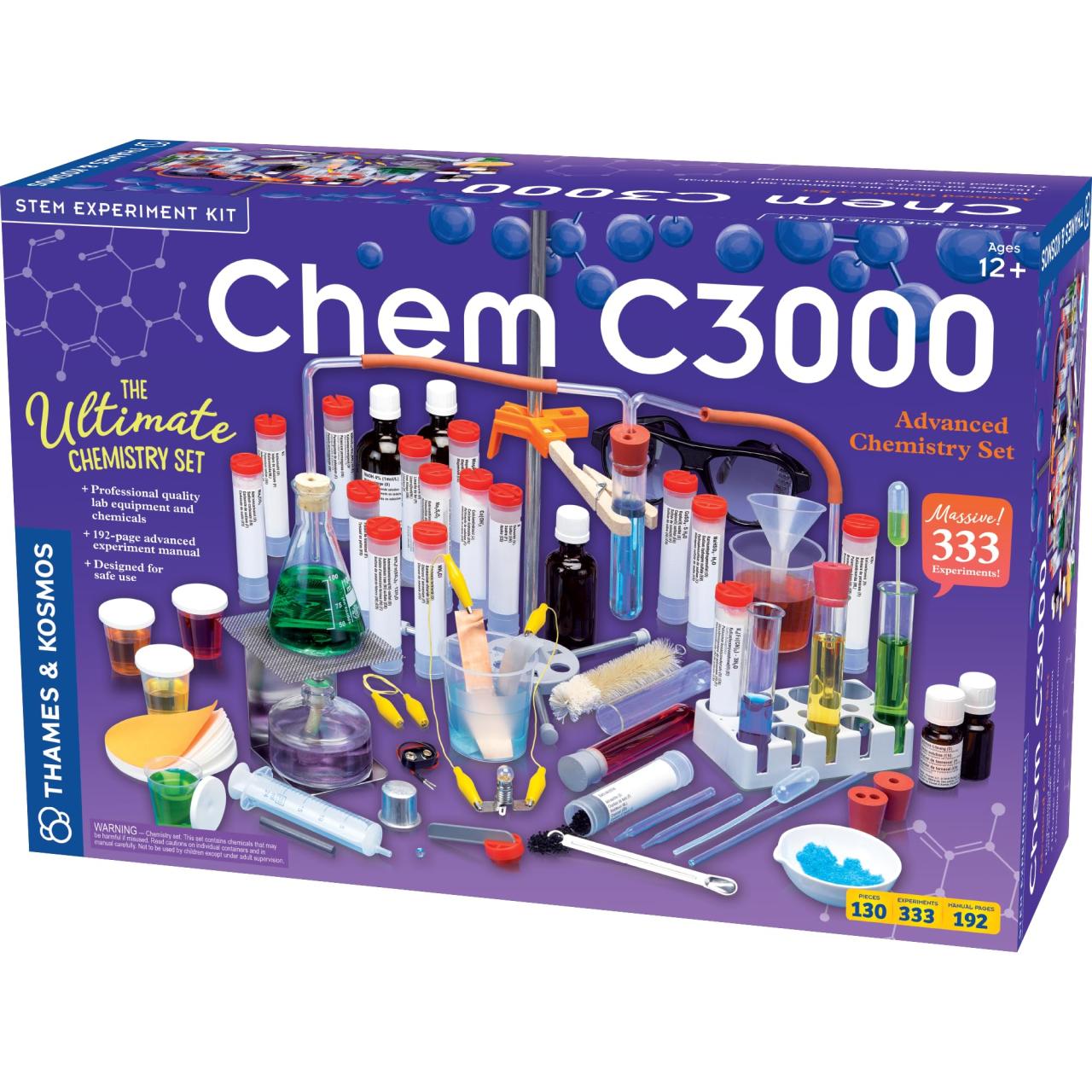
Chemistry sets have a rich and varied history that reflects the evolution of scientific education and experimentation. Initially designed for educational purposes, they have transformed significantly over the decades, adapting to the changing needs and understandings of both science and society. From their humble beginnings, chemistry sets have played a vital role in inspiring generations of young scientists and fostering a passion for the natural sciences.
The origins of chemistry sets can be traced back to the late 19th century when educational kits began to gain popularity. Early sets were simple, often containing basic glassware, a few reagents, and instructions for conducting simple experiments. As advancements in chemistry progressed, so did the complexity and variety of these sets. A key milestone occurred in the 1920s with the introduction of the first commercial chemistry sets by companies like Gilbert. These sets included a wider range of materials and more sophisticated instructions, allowing children to conduct a broader array of experiments.
In the 1960s and 1970s, chemistry sets reached new heights of popularity, coinciding with increased interest in science education during the Space Race era. The design of these sets became more user-friendly, focusing on safety and educational value. This was also when the concept of experiential learning began to take hold, emphasizing the importance of hands-on experimentation in understanding scientific principles.
Throughout history, chemistry sets have served as a gateway for young scientists to explore the wonders of chemistry. They have encouraged curiosity and experimentation, often sparking a lifelong interest in the sciences. The accessibility of chemistry sets allowed children from various backgrounds to engage with science in a meaningful way. Many notable scientists have credited their early experiences with chemistry sets as pivotal in shaping their careers.
The impact of chemistry sets can be captured in the words of chemist Linus Pauling, who stated,
“The best way to have a good idea is to have a lot of ideas.”
By providing the tools and encouragement for exploration, chemistry sets have undoubtedly played a significant role in nurturing innovation and creativity in the field of science.
Understanding the Components of a Modern Chemistry Set
Modern chemistry sets have evolved significantly, incorporating a range of tools and chemicals that are essential for conducting safe and educational experiments. These sets provide budding scientists with the opportunity to explore the fascinating world of chemistry right at home. Accompanied by safety equipment, they ensure a secure environment for learners to engage in hands-on experiments that enhance their understanding of chemical reactions and properties. Below, we delve into the key components commonly found in today’s chemistry sets, as well as the associated safety measures necessary for responsible experimentation.
Essential Tools and Chemicals
The tools and chemicals in a modern chemistry set play a crucial role in facilitating a variety of experiments. A typical chemistry set may include items such as beakers, test tubes, pipettes, and stirring rods, each serving distinct yet complementary functions.
- Beakers: These are wide, cylindrical containers used for mixing, heating, and holding liquids. Their graduated markings allow for measuring different volumes accurately.
- Test Tubes: These small glass or plastic tubes are ideal for holding small quantities of liquids or solids while conducting reactions. They are essential for observing chemical changes.
- Pipettes: Often used for transferring small volumes of liquid, pipettes provide precision in experiments, allowing for the accurate addition of reagents.
- Stirring Rods: Usually made of glass, these are used to mix solutions thoroughly, ensuring uniformity in reactions.
- Chemicals: Common substances include acids (like vinegar), bases (like baking soda), and indicators (like litmus paper). Each plays a vital role in demonstrating chemical reactions, such as acid-base reactions and pH changes.
Safety Equipment
Safety is paramount when conducting experiments, and modern chemistry sets are equipped with essential safety gear to protect users.
- Safety Goggles: Protects the eyes from splashes and harmful vapors, ensuring that even if an experiment goes awry, the user remains safe.
- Gloves: These are often made of latex or nitrile, providing skin protection from corrosive substances and preventing contamination of samples.
- Lab Coats: Worn to protect clothing and skin, lab coats are essential for maintaining a clean experimentation environment and preventing chemical contact.
- First Aid Kit: Essential for immediate response to any accidents, a first aid kit should be readily available to address minor injuries or chemical spills.
In summary, the combination of essential tools and safety equipment enables young chemists to safely explore various principles of chemistry through hands-on experiments. Each component is carefully designed to enhance the learning experience while prioritizing safety, making chemistry a fascinating and rewarding subject to explore.
The Role of Chemistry Sets in Education
Chemistry sets play a crucial role in educational settings by providing students with hands-on experience that bridges theory and practice. These sets not only spark curiosity but also foster a deeper understanding of chemical concepts, making learning more engaging and effective. By manipulating different chemicals and observing their reactions, students can grasp complex ideas that are often difficult to understand through textbooks alone.
Integrating chemistry sets into the curriculum enhances learning by allowing students to conduct experiments that directly relate to the theory they learn in class. This experiential learning process leads to better retention of information and a more profound understanding of chemical principles. For instance, when students perform a simple reaction to create gas from a chemical reaction, they can visualize the concept of gas laws in a tangible way, reinforcing their theoretical knowledge.
Educational Outcomes from Using Chemistry Sets
The use of chemistry sets in classrooms has led to significant educational outcomes that demonstrate their effectiveness. Below are some key benefits observed in students:
- Improved Problem-Solving Skills: Engaging in hands-on experiments encourages students to think critically and troubleshoot problems that may arise during experiments. This cultivates analytical skills essential for scientific inquiry.
- Increased Engagement: Active participation in experiments captures students’ interest and curiosity, resulting in a more dynamic learning environment. When students are invested in the experiments, they are more likely to absorb the material.
- Collaboration and Communication: Many chemistry experiments require teamwork, which fosters collaboration among students. They learn to communicate their findings and discuss the results, enhancing their social skills alongside academic knowledge.
- Real-World Applications: Chemistry sets enable students to see the relevance of chemistry in everyday life. For example, by creating household substances like vinegar and baking soda reactions, students can connect classroom learning to practical scenarios.
Experiments conducted with chemistry sets also emphasize the importance of safety protocols and proper handling of materials, instilling a sense of responsibility in students. The hands-on nature of these experiments significantly aids retention and comprehension of key concepts, creating a foundation for further studies in chemistry and related fields.
“Hands-on experiments provide a direct experience that solidifies abstract concepts, making learning both effective and memorable.”
Safety Considerations When Using Chemistry Sets
Engaging in experiments with chemistry sets can be a thrilling and educational experience. However, it is imperative to prioritize safety to prevent accidents and ensure a secure environment for learning. Understanding the potential risks associated with these experiments and taking appropriate precautions can significantly mitigate hazards.
Precautions and Common Hazards
Before conducting any experiments, it is crucial to be aware of the precautions that should be taken. Common hazards associated with the chemicals often found in chemistry sets include corrosive substances, toxic fumes, and flammable materials. To maintain a safe experimental environment, consider the following precautions:
- Always wear safety goggles to protect your eyes from harmful splashes.
- Use gloves to prevent skin contact with potentially irritating chemicals.
- Conduct experiments in a well-ventilated area or under a fume hood to avoid inhaling toxic vapors.
- Keep a first-aid kit nearby for immediate assistance in case of an accident.
- Read all instructions and safety data sheets provided with the chemistry set before starting any experiments.
Each of these safety measures plays a significant role in creating a secure environment where experiments can be conducted without unnecessary risks.
The Importance of Adult Supervision
Adult supervision during chemistry experiments is not just a recommendation—it is a necessity. Children and young teens may not fully understand the implications of mishandling chemicals or following instructions improperly. An adult can provide the guidance needed to navigate complex procedures and ensure that safety protocols are adhered to throughout the experiment.
Involving an adult offers several benefits, including:
- Providing immediate assistance in emergencies, ensuring that any accidents are addressed promptly.
- Teaching responsible handling of materials, reinforcing the importance of safety and respect for scientific practices.
- Encouraging a deeper understanding of scientific concepts, as adults can explain the reactions and processes taking place during the experiment.
- Monitoring the experimental setup, ensuring that all safety protocols are followed correctly, including proper disposal methods for chemicals used.
In essence, adult supervision enhances the educational experience while significantly reducing the likelihood of accidents. As experiments can lead to unexpected reactions, having an informed adult present can make all the difference in achieving both safety and success in the learning process.
Designing Innovative Chemistry Set Experiments
Engaging with chemistry sets opens up a world of exploration and education, allowing individuals to grasp complex scientific principles through hands-on experimentation. This creates a fun learning environment where curiosity drives discovery. Below, I present a collection of exciting experiments that can be performed with typical chemistry set components, highlighting both their scientific significance and the safe practices necessary for conducting them.
List of Engaging Experiments
The following experiments utilize common components found in many chemistry sets. Each experiment is designed not only to be enjoyable but also to illustrate fundamental scientific concepts. These include reactions, changes in states of matter, and pH levels.
- Vinegar and Baking Soda Volcano: A classic demonstration of an acid-base reaction producing carbon dioxide gas.
- Homemade Litmus Test: Using red cabbage to create a natural pH indicator that changes color based on acidity or alkalinity.
- Elephant Toothpaste: A decomposition reaction of hydrogen peroxide catalyzed by yeast or potassium iodide, producing a foamy explosion.
- Color-Changing Milk: Utilizing food coloring and dish soap to explore surface tension and molecular interactions.
- Crystal Growing: Dissolving sugar or salt in hot water and allowing it to cool to form beautiful crystals, demonstrating solubility and crystallization.
Safe Conduct of the Experiments
Safety is paramount in conducting experiments. Below are detailed steps to ensure a secure environment while performing the experiments listed above.
1. Preparation:
– Gather all materials needed for your chosen experiment. Ensure that you have safety goggles, gloves, and a lab apron.
– Work in a well-ventilated area and have a first aid kit accessible.
2. Conducting the Experiments:
– Vinegar and Baking Soda Volcano:
– In a container, combine vinegar and a few tablespoons of baking soda.
– Step back to observe the reaction, which will produce bubbles and fizz due to carbon dioxide release.
– Homemade Litmus Test:
– Chop a red cabbage and boil it in water for 10-15 minutes.
– Strain the liquid and use it as a pH indicator by adding it to various household substances.
– Elephant Toothpaste:
– Mix hydrogen peroxide with dish soap in a bottle.
– Add yeast or potassium iodide to initiate the reaction, then step back to watch the foam overflow.
– Color-Changing Milk:
– Pour milk into a shallow dish and add drops of food coloring.
– Dip a cotton swab in dish soap and then touch the surface of the milk to witness the swirling colors.
– Crystal Growing:
– Dissolve sugar or salt in hot water until no more dissolves.
– Allow the solution to cool and observe crystals forming over time.
3. Cleanup:
– Properly dispose of any waste materials and rinse all equipment thoroughly.
– Wash hands after completing the experiments to ensure safety.
By following these steps, the experiments can be conducted safely and effectively, leading to an enjoyable learning experience that illustrates key scientific principles.
The Influence of Technology on Chemistry Sets
The evolution of technology has significantly transformed the landscape of chemistry sets, making them more accessible, interactive, and educational. Modern advancements have shifted the way experiments are conducted, with a focus on safety, engagement, and learning efficiency. As a result, today’s chemistry sets bear little resemblance to their traditional counterparts, offering a myriad of options that incorporate digital tools and resources.
Comparison of Traditional Chemistry Sets and Digital Counterparts
Traditional chemistry sets primarily consisted of physical components such as beakers, test tubes, chemical powders, and basic instructional manuals. In contrast, digital chemistry sets have emerged, integrating apps and online resources that enhance the learning experience. These sets often include QR codes that link to tutorials, safety videos, and interactive simulations, allowing users to visualize complex concepts and processes.
The benefits of these advancements are numerous. Firstly, digital chemistry sets encourage a more hands-on learning experience. Users can replicate experiments with guided instructions, which can enhance their understanding of chemical reactions and principles. Additionally, the incorporation of technology allows for real-time feedback and troubleshooting, making the learning process more efficient. For example:
-
Interactive simulations allow users to conduct virtual experiments, removing hazards associated with real chemicals.
-
Apps can track progress, provide quizzes, and suggest personalized learning paths based on performance.
However, there are drawbacks to consider. One major concern is the over-reliance on technology, which may lead to diminished hands-on skills and critical thinking. Furthermore, the cost of digital sets can be substantially higher than traditional ones, potentially limiting access for some learners. It is also essential to recognize that while technology can enhance education, it cannot replace the fundamental understanding that comes from direct experimentation with materials. This balance between digital innovation and traditional methods must be carefully maintained to ensure a comprehensive educational experience in chemistry.
Ultimately, the integration of technology into chemistry sets reflects a broader trend in education, where digital resources complement traditional learning methods, striving to create a more engaging and informative environment for budding chemists.
Chemistry Sets and Environmental Awareness
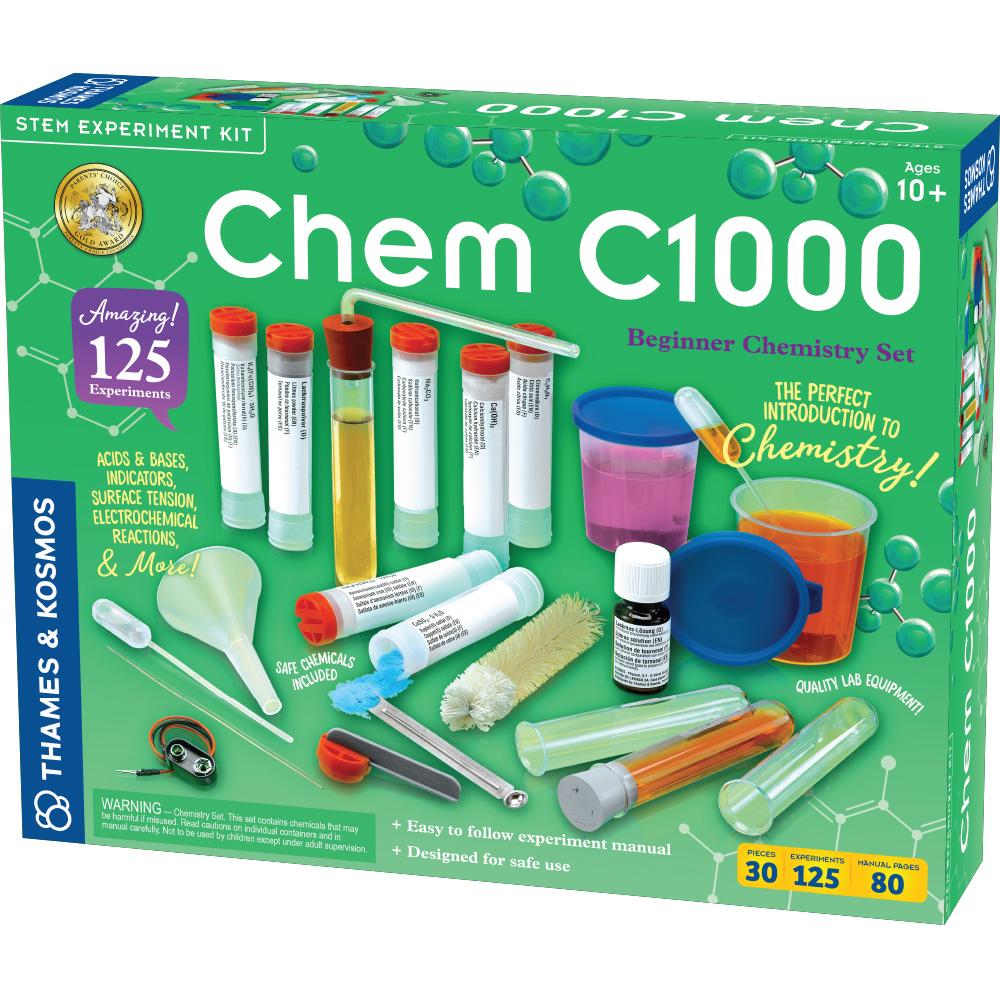
Chemistry sets offer a unique and engaging way to educate individuals, particularly young learners, about environmental science. By conducting experiments that highlight chemical reactions and their real-world applications, these sets can instill a greater appreciation for the environment and underscore the importance of sustainability. The knowledge gained through hands-on experiences encourages responsible attitudes towards natural resource management and environmental protection.
One effective way to utilize chemistry sets for promoting environmental education is through experiments that illustrate chemical principles directly linked to environmental issues. By performing these experiments, learners can observe the impact of various chemical reactions on their surroundings and understand vital concepts such as pollution, climate change, and resource conservation. Here are a few examples of relevant experiments:
Experiments Demonstrating Environmental Chemistry
The following experiments can help convey essential environmental lessons while allowing learners to engage with chemistry sets:
1. Water Pollution Simulation: By mixing different substances with water, learners can observe how pollutants affect water quality. This hands-on experiment emphasizes the importance of clean water and the implications of contamination.
2. Acid Rain Experiment: Using simple indicators, participants can simulate the effects of acid rain on soil and plant life. This experiment highlights the importance of air quality and its repercussions on ecosystems.
3. Photosynthesis and Carbon Dioxide: An interactive demonstration of plant photosynthesis can showcase the role of carbon dioxide in the environment. Learners can monitor how the presence of light affects plant growth and oxygen production.
Incorporating sustainability into the use of chemistry sets involves selecting environmentally friendly materials and ensuring that experiments align with ecological principles. Educators and students can focus on using biodegradable substances, recycling materials, and minimizing waste throughout their experiments. An effective approach includes:
– Utilizing natural and non-toxic chemicals: Whenever possible, opt for substances that are safe for the environment and human health.
– Promoting the reuse of materials: Encourage learners to creatively repurpose items from previous experiments, reducing waste and reinforcing the concept of sustainability.
– Discussing real-world applications: Relate experiments to current environmental challenges, such as climate change and biodiversity loss, fostering a deeper understanding of their relevance.
By emphasizing these principles during experiments, chemistry sets can serve not only as educational tools but also as instruments for fostering a generation of environmentally conscious individuals.
Future Trends in Chemistry Set Development
As the landscape of education evolves, so too does the development of chemistry sets aimed at young learners. The future of these educational tools is shaped by emerging trends that prioritize accessibility, engagement, and real-world applications. Manufacturers are increasingly focusing on creating chemistry sets that not only introduce fundamental scientific concepts but also foster creativity and critical thinking in children.
The educational focus of chemistry sets is shifting towards experiential learning, incorporating elements of STEAM (Science, Technology, Engineering, Arts, and Mathematics) education. This approach encourages children to explore scientific principles through hands-on experimentation, using materials that are often sourced sustainably. Features such as digital integration, where sets are paired with apps or online resources, are becoming more common. This trend supports interactive learning, allowing children to conduct virtual experiments or access guided tutorials that enhance their understanding.
Emerging Features and Consumer Expectations
The demand for modern chemistry sets reflects changing consumer expectations. Parents are looking for products that provide safe, engaging, and educational experiences. In response, manufacturers are innovating with features that align with these needs. Here are some of the anticipated changes in chemistry set development:
- Safety and Sustainability: Sets are increasingly made from non-toxic materials and include safety gear, such as goggles and gloves, to ensure a safe experimentation environment.
- Digital Integration: Many new sets will feature QR codes or apps that provide additional resources, including interactive tutorials, augmented reality experiences, and progress tracking for users.
- Focus on Real-World Applications: Future sets will emphasize chemistry’s role in everyday life, with experiments that mimic real-world processes, such as environmental science or food chemistry.
- Customizable Experiences: Consumers are likely to see sets that allow for customization, where children can adapt experiments based on their interests, promoting creativity and personal investment in learning.
- Community Engagement: Some sets may incorporate online platforms where young scientists can share their results, discuss their findings, and participate in challenges, fostering a sense of community and collaboration.
These trends indicate a significant shift towards making science education more engaging and relevant for children. As chemistry sets evolve, they will likely serve not only as tools for learning but also as catalysts for inspiring the next generation of scientists, innovators, and problem-solvers. By aligning with the interests and expectations of today’s consumers, these products can play a crucial role in shaping a more scientifically literate society.
Final Thoughts
In conclusion, chemistry sets serve as a crucial bridge between theoretical knowledge and practical application, inspiring future generations of scientists. As we continue to witness advancements in technology and educational trends, these sets will undoubtedly evolve, maintaining their relevance and importance in nurturing scientific curiosity and environmental awareness.
Query Resolution
What age group are chemistry sets suitable for?
Chemistry sets are generally suitable for ages 8 and up, depending on the complexity of the set and the level of adult supervision provided.
Do I need special training to use a chemistry set?
While no formal training is required, basic knowledge of safety protocols and scientific principles is essential for a successful experience.
Are chemistry sets safe for home use?
Yes, most modern chemistry sets are designed with safety in mind, but adult supervision is crucial to ensure safe handling of chemicals and equipment.
Where can I find experiments to try with a chemistry set?
Many chemistry sets come with a manual that includes experiments, and you can also find additional resources online or in educational books.
Can chemistry sets be used for environmental education?
Absolutely! Many experiments can illustrate environmental principles, helping to raise awareness about sustainability and eco-friendly practices.