
 Nolan Paxton
Microscope for kids opens up a fascinating gateway into the micro-world, sparking curiosity and a love for science among young learners. These incredible tools not only enhance observational skills but also encourage children to explore the wonders of biology, from cells to microorganisms, in a hands-on manner. By integrating microscopes into education, whether at home or in the classroom, kids can embark on a thrilling journey of discovery that lays the groundwork for scientific thinking.
With the right microscope, children can engage deeply with their environment, examining everything from plant structures to tiny organisms that are otherwise invisible to the naked eye. This exploration not only cultivates a sense of wonder but also reinforces critical thinking, observational skills, and creativity, making learning both fun and impactful.
Understanding the importance of microscopes in early education
Microscopes are vital tools in early education as they open up a world of exploration and discovery for young learners. By enabling children to observe things that are otherwise invisible to the naked eye, microscopes foster a sense of curiosity and stimulate scientific thinking. They encourage kids to ask questions, explore their surroundings, and develop a foundational understanding of biology and the natural world.
The educational benefits of using microscopes extend far beyond mere observation. In a classroom setting or at home, they serve as a gateway to understanding complex scientific concepts in an engaging and interactive manner. Children can witness firsthand the intricate details of life forms, which can significantly enhance their learning experience. This hands-on experience reinforces theoretical knowledge and nurtures a love for science.
Key subjects explored with microscopes
Exploring subjects through a microscope provides children with unique insights into the biological world. Here are some key topics that can be thoroughly examined:
- Cells: Observing plant and animal cells reveals their structure and function, helping children understand the basic unit of life.
- Plants: Microscopes allow kids to examine leaves, flowers, and stems, discovering cell structures such as chloroplasts that play crucial roles in photosynthesis.
- Microorganisms: From bacteria to protozoa, observing these tiny creatures helps illustrate the diversity of life and the importance of ecosystems.
Each of these subjects holds immense educational value, providing real-world applications and insights into how life functions on a microscopic scale. For instance, studying cells can lead to discussions about health and disease, while exploring microorganisms can raise awareness about hygiene and environmental science.
“Microscopes transform learning into an adventure, unlocking the secrets of the natural world.”
Identifying the best features of a microscope suitable for children
Choosing the right microscope for kids can be a rewarding experience that fosters curiosity and a love for science. However, not all microscopes are created equal, especially when it comes to their suitability for younger users. It’s important to consider several key features that enhance both usability and safety, ensuring a positive learning experience.
When selecting a microscope for children, essential features include appropriate magnification levels, user-friendly designs, and safety considerations. A microscope with magnification levels ranging from 40x to 400x is ideal for beginners, allowing kids to explore the microscopic world without overwhelming them. Additionally, a lightweight design with intuitive controls makes it easier for children to operate the microscope independently. Safety features, such as rounded edges and non-toxic materials, are also crucial to prevent any accidents during use.
Comparison of microscope types for children
There are several types of microscopes available for children, each with unique features that cater to different interests and learning styles.
Basic optical microscopes are often the first choice for young learners. These microscopes use glass lenses and light to magnify specimens. They are generally user-friendly, have a straightforward setup, and do not require any special technology or software. However, their magnification is limited compared to digital microscopes.
Digital microscopes, on the other hand, provide a more advanced way for children to explore the microscopic world. They often come with built-in cameras that connect to computers or tablets, allowing kids to see live images on a larger screen. This feature can enhance engagement and make it easier to share discoveries with others. Digital microscopes may also offer higher magnification levels and the ability to capture images or videos of specimens.
To illustrate the differences between these two types of microscopes, consider the following comparison:
| Feature | Basic Optical Microscope | Digital Microscope |
|---|---|---|
| Magnification Range | 40x – 400x | Up to 1200x or more |
| Image Display | Through eyepiece | On computer/tablet screen |
| Ease of Use | Simple setup and operation | Requires software installation |
| Image Capture | No | Yes |
Essential accessories for a kid-friendly microscope
Having the right accessories can significantly enhance the learning experience for kids using microscopes. Various tools and materials can help children perform experiments more effectively and explore a broader range of specimens.
Some must-have accessories include:
- Prepared slide kits: These kits come with a variety of ready-to-use slides, allowing children to quickly start observing different specimens.
- Blank slides and cover slips: Kids can create their own slides by placing samples on blank slides, making the experience more interactive.
- Cleaning kit: A cleaning kit ensures that lenses remain clear and free from dust or smudges, which is essential for clear observation.
- LED illumination: Bright and adjustable lighting can help improve visibility and detail when observing specimens.
- Field guide or microscope manual: A guide can help children identify specimens and understand the basics of microscopy.
Each of these accessories adds value by making the microscopy experience more engaging and educational, encouraging children to explore their scientific interests further.
Exploring fun activities that utilize microscopes for kids
Engaging kids with microscopes can open up a world of discovery and excitement. By participating in hands-on experiments, children not only learn about science but also develop critical thinking and observational skills. Here, we will dive into a variety of fun activities that can be conducted using a microscope, along with methods for preparing slides and the importance of documenting findings.
Engaging Experiments for Kids
Participating in scientific experiments fosters curiosity and allows children to explore the micro-world around them. Here are some engaging experiments that can be conducted with a microscope:
- Plant Cell Observation: Take a thin slice of an onion and place it on a slide with a drop of water. Cover it with a coverslip and observe the different cell structures.
- Insect Inspection: Capture a small insect, like an ant, and place it in a clear container. Once calm, use a dropper to place it on a slide. Observe the intricate details of its body parts.
- Water Sample Wonders: Collect water from a local pond or birdbath. Place a drop on a slide and observe the variety of microorganisms such as protozoa and algae.
- Hair and Fiber Analysis: Pluck a strand of hair and place it on a slide. Use the microscope to explore the differences between human hair and animal fur.
- Cooking Chemistry: Create a slide with a thin slice of bread mold over a few days. Observe the growth stages of mold and the resulting spores.
Preparing Slides with Household Items
Creating microscope slides from common household items is an easy way to facilitate learning. Here are steps for preparing some simple slides:
- Onion Skin: Peel a thin layer from an onion, place it on a slide, add a drop of water, and cover with a coverslip.
- Yeast Sample: Mix a teaspoon of sugar with warm water and add a pinch of yeast. After a few minutes, take a drop of the mixture and place it on a slide.
- Leaf Cross-Section: Slice a thin piece of a leaf and place it on a slide. Cover it with a drop of water and a coverslip to observe the chloroplasts.
- Egg White: Use a small amount of egg white placed on a slide to view protein structure under the microscope.
- Salt Crystals: Dissolve salt in water and let it evaporate on a slide to form beautiful salt crystals for examination.
Documenting Findings in a Scientific Journal
Encouraging children to document their observations is a vital part of the scientific process. Keeping a scientific journal can help them track their learning and develop their analytical skills. Here are some tips for maintaining a scientific journal:
- Observation Details: Encourage kids to write down what they see, including sketches of their observations and descriptions of the samples.
- Date and Time: Have them note the date and time of each observation to understand how factors affect their results.
- Hypothesis Development: Ask children to formulate a hypothesis before each experiment and record whether their results supported or contradicted their expectations.
- Reflection and Summary: Include sections for children to reflect on what they learned and how they might improve their methods or experiments in the future.
- Creative Elements: Suggest adding colorful illustrations or stickers to make it a personal and enjoyable project.
“Science is not only a discipline of reason but, also, one of romance and passion.” – Stephen Hawking
Overcoming challenges when introducing microscopes to children
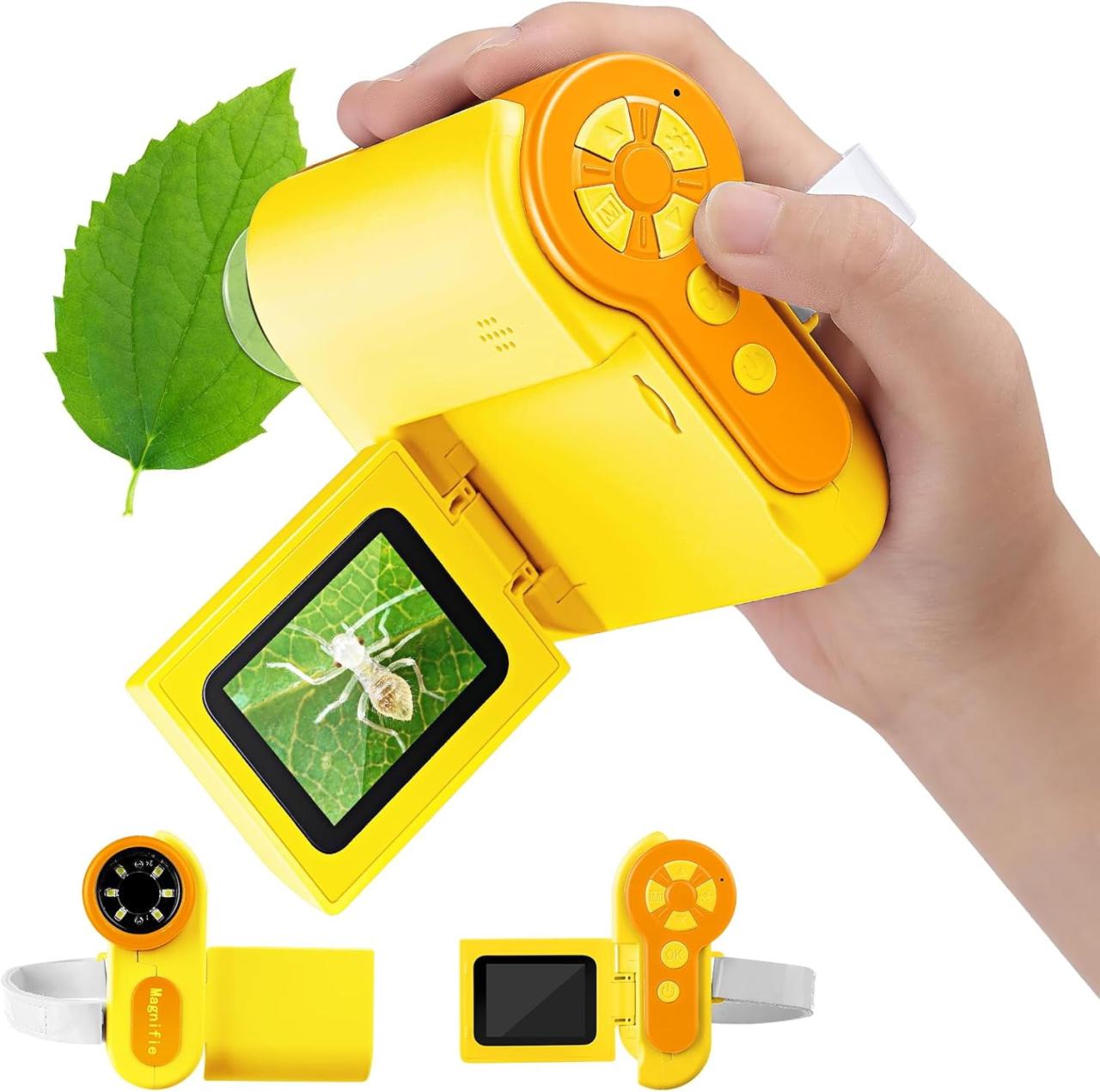
Introducing children to the fascinating world of microscopes can be an exciting journey filled with discovery and learning. However, it is also common for kids to face challenges and misconceptions that can hinder their experience. By addressing these issues thoughtfully, parents and educators can foster a more engaging and less intimidating environment for young scientists.
One of the most significant obstacles when introducing microscopes to children is the prevalence of misconceptions. Many kids might believe that microscopes only reveal tiny, invisible organisms or that they are too complex to operate. It’s essential to clarify that microscopes can be used to examine a wide range of objects, from everyday items like leaves or hair strands to prepared slides of cells. Encouraging children to explore various materials can help demystify the process and highlight the importance of observation in science.
Common misconceptions and effective strategies for clarification
Addressing misconceptions effectively requires clear communication and interactive demonstrations. Here are several strategies to enlighten children and mitigate any fears associated with using a microscope:
- Use relatable examples: Start with everyday objects that children are familiar with. For instance, examining a drop of pond water or a piece of fabric can spark their curiosity and show the microscope’s value.
- Encourage questions: Create an open dialogue where children feel comfortable asking questions about what they see. This nurtures their interest and helps them grasp complex ideas more easily.
- Hands-on experimentation: Allow children to explore the microscope themselves. Providing guided activities where they can prepare their slides will boost their confidence and engagement.
- Visual aids: Use diagrams to explain how a microscope works. Simple visuals can help break down the mechanics and make the technology less intimidating.
Supporting children who feel intimidated by microscopes
Some children may feel overwhelmed or intimidated when using a microscope for the first time. Creating a supportive learning environment is crucial. Here are some tips for parents and educators to help these children feel more at ease:
- Demonstrate patience: Encourage children to take their time, and reassure them that it is perfectly normal to feel unsure at first.
- Provide positive reinforcement: Celebrate small successes when children successfully observe something new under the microscope, helping to build their confidence.
- Engage in group activities: Learning in a group can make the experience less daunting. Kids can share their findings and support one another in their exploration.
- Utilize age-appropriate microscopes: Selecting the right equipment, such as a child-friendly microscope, can ease the intimidation factor and ensure a smoother learning experience.
Maintaining equipment and fostering responsibility
Teaching children how to maintain their microscopes is essential in instilling a sense of responsibility towards scientific tools. Here are some effective practices for ensuring their equipment is well cared for:
- Regular cleaning: Show children how to clean the lenses with appropriate materials to prevent scratches and ensure clear views.
- Safe storage: Designate a specific place for the microscope to avoid accidental damage. Explain the importance of keeping the equipment dry and away from direct sunlight.
- Routine checks: Encourage children to regularly inspect the microscope for any signs of wear or damage, fostering a proactive attitude toward maintenance.
- Respecting the equipment: Instill in children the importance of treating scientific tools with care, reinforcing that responsible use contributes to successful experiments.
Promoting curiosity through hands-on experiences encourages children to explore the world around them and develops their scientific understanding.
Encouraging collaborative learning experiences through microscopy
Microscopy not only opens the door to exploring the unseen world around us, but it also provides a significant opportunity for children to learn collaboratively. Engaging in group activities centered around microscope use enhances social skills, promotes teamwork, and encourages communication. Children often learn better when they can share their ideas and discoveries with others, making microscopy a perfect tool for this type of collaborative learning.
Collaborative projects involving microscopy can greatly enrich the learning experience. By working together, children can share their individual perspectives and insights, leading to a deeper understanding of the scientific concepts at play. Furthermore, these projects can also foster a sense of community as families and classmates come together to explore and discover the wonders of the microscopic world.
Examples of collaborative microscopy projects
There are numerous ways to include peers, family members, or classmates in scientific exploration through microscopy. Here are some engaging project ideas that encourage teamwork and shared learning:
- Microscope Scavenger Hunt: Organize a scavenger hunt where participants search for specific items in nature, like leaves or soil samples, and then observe these items under the microscope together. This activity promotes teamwork as children discuss their findings and compare observations.
- Group Observation Sessions: Set up regular group sessions where children can bring their findings to the table. Each child can present what they have observed under their microscope, fostering discussion and allowing for different interpretations of similar samples.
- Family Science Night: Invite families to participate in a science night focused on microscopy. Families can work together to create presentations on different microscopic organisms or materials, which they can then share with the community.
- Class Projects: Develop a class project where students can work in small groups to investigate a particular theme, such as “microorganisms in our environment.” They can collect samples, observe them under microscopes, and create a shared presentation of their findings.
Organizing a community science day can further enhance these collaborative learning experiences. By showcasing children’s microscope findings, families can celebrate their hard work and discoveries. This event can include interactive stations where attendees can view samples through microscopes, participate in discussions, and even enjoy hands-on activities.
“Working together in a science project not only builds knowledge but also strengthens friendships and community bonds.”
A community science day not only enriches the participants’ understanding of science but also fosters a sense of belonging among families and friends, as they share in the excitement of discovery.
Integrating technology with traditional microscopy for enhanced learning
In today’s educational landscape, combining traditional microscopy with modern technology creates a dynamic learning experience for kids. This integration not only enhances their understanding of the microscopic world but also makes the learning process more engaging and interactive. The evolution of digital microscopes and associated educational software provides children with powerful tools to explore and learn in ways that traditional microscopes alone cannot achieve.
Digital microscopes serve as a bridge between classic microscopy and contemporary technology. They allow kids to view specimens in real time on a connected device, providing a larger and clearer image than traditional eyepiece microscopes. This technology simplifies the observation process, as children can share their findings with classmates or teachers, fostering collaboration and discussion. Additionally, digital microscopes often incorporate features such as image capture and video recording, which enable students to document their observations for later review and analysis.
Educational software and apps that enhance interactive learning
To complement the use of digital microscopes, there are numerous educational software programs and applications designed to enhance interactive learning experiences. These tools offer simulations, virtual labs, and interactive tutorials that deepen children’s understanding of microscopic biology and other scientific concepts.
The following are noteworthy examples of educational software and apps that work well with microscopy:
- MicrobeWorld: Provides access to a wealth of resources, including videos and interactive activities related to microbiology and microscopy. It encourages exploration and curiosity about the microbial world.
- Labster: Offers virtual lab simulations that enable students to conduct experiments and learn microscopy techniques in a risk-free environment. This app is especially useful for older students looking to reinforce their lab skills.
- iMicroscope: An app designed for digital microscope users that allows for image capture and simple editing, facilitating easy sharing of findings with friends or on educational platforms.
These tools not only make learning more fun but also cater to various learning styles, allowing students to engage with content that resonates best with them.
Trends in educational technology related to microscopy
The landscape of educational technology is continuously evolving, particularly in the realm of microscopy. Trends include the rise of augmented reality (AR) and virtual reality (VR), which are transforming how children interact with and learn about microscopic organisms. These technologies make it possible for students to visualize and manipulate 3D models of cells, bacteria, and other microscopic entities as if they were observing them under a microscope.
Another important trend is the integration of artificial intelligence (AI) into educational tools. AI can personalize learning experiences, providing tailored feedback and recommendations based on individual performance. For example, an AI-driven app could analyze a student’s microscope findings and suggest further areas of study or relevant experiments.
Furthermore, the increase in accessibility of online resources means that children from diverse backgrounds can access high-quality microscopy education. Interactive online platforms are making it easier for educators to incorporate microscopy into their curriculum, allowing students to participate in virtual field trips to labs and museums.
In summary, the integration of technology with traditional microscopy is paving the way for enhanced learning experiences. Children are now equipped with more tools than ever to explore the microscopic world, ensuring that they not only learn effectively but also develop a passion for science and discovery.
Last Recap

In conclusion, introducing microscopes to kids is not just about looking through a lens; it’s about opening their eyes to the world around them. The combination of engaging activities, the right features, and collaborative learning environments creates a rich experience that fosters a lifelong love of science. By equipping children with these tools and experiences, we empower them to become curious explorers and thoughtful scientists in their own right.
Query Resolution
What age is appropriate for kids to start using a microscope?
Children as young as five can start using simple microscopes with adult supervision, while more advanced models can be introduced as they grow older.
Are digital microscopes better than optical ones for kids?
Digital microscopes often provide better visualization through screen displays and can enhance interactive learning, making them a great option for kids.
How can I encourage my child to use a microscope regularly?
Make it a fun activity by organizing regular science exploration days, encouraging them to document their findings, and involving friends or family in their experiments.
What safety precautions should I take when using a microscope?
Ensure children handle the microscope gently, supervise their use, and teach them about safe slide preparation to avoid sharp edges.
Can a microscope help with school science projects?
Absolutely! Using a microscope can enhance various science projects, allowing kids to conduct original experiments and present their findings creatively.