 Nolan Paxton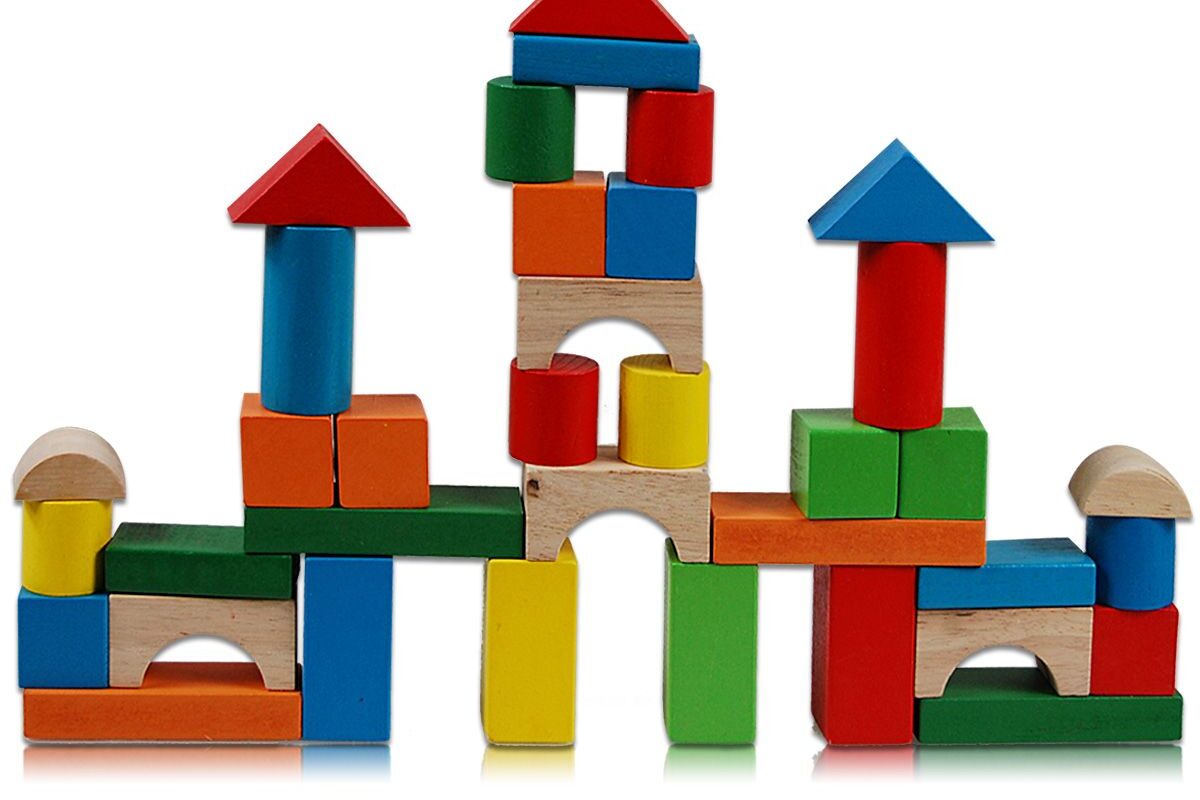
Building blocks have long been a cornerstone of childhood development, serving as more than just toys. They provide a unique blend of education and play, fostering creativity and cognitive growth in children. Across cultures and generations, these simple yet versatile tools have evolved, influencing learning environments in profound ways.
From historical significance to their application in modern educational practices, building blocks offer insights into how children interact with their world. They not only enhance spatial awareness and problem-solving skills but also encourage teamwork and socialization among peers, making them essential in both play and academic settings.
The evolution of building blocks in children’s play and education
Building blocks have long been a staple in the realm of childhood play and education, serving not only as toys but also as essential tools for cognitive development. These simple yet versatile items have evolved considerably over time, reflecting changes in educational philosophies, cultural practices, and technological advancements. Their significance in early childhood development cannot be overstated, as they contribute to critical thinking, problem-solving, and creativity in young learners.
Throughout history, different cultures have embraced building blocks for educational purposes, utilizing them to enhance learning experiences and promote social interaction. For instance, ancient Chinese children played with wooden blocks, which were often intricately carved, allowing for both play and craftsmanship. Similarly, the concept of block play can be traced back to the 19th century in Europe, where educators recognized the importance of hands-on learning and the spatial reasoning skills that blocks fostered. This historical lineage illustrates how building blocks have adapted to meet the educational needs of various societies while maintaining their core function as instruments of play.
Notable building block designs and their impact on learning experiences
Numerous innovative building block designs have emerged over the years, each contributing uniquely to the learning environment. These designs not only focus on physical construction but also integrate various educational principles that enhance children’s development.
One of the most influential designs is the classic wooden block set, which has been used across generations. Made from durable materials, these blocks encourage open-ended play, allowing children to create structures based on their imagination. This form of play promotes spatial awareness and enhances fine motor skills.
Another design that has made waves in educational settings is the LEGO brick. Originally conceived in Denmark, LEGO has transformed the landscape of building blocks by incorporating interlocking mechanisms that allow for complex structures and designs. This promotes engineering skills and creativity, encouraging children to think critically about their creations.
In more recent years, magnetic building blocks have gained popularity, introducing an element of magnetism that adds a dynamic aspect to construction. These blocks facilitate exploration of concepts such as magnetism and balance, allowing children to experiment while developing their problem-solving skills.
The integration of technology with building blocks is also noteworthy. For example, robotic building sets like LEGO Mindstorms allow children to not only build but also program their creations. This combination of physical and digital play fosters a new generation of learners skilled in STEM (science, technology, engineering, and mathematics) fields.
Each of these notable designs has not only impacted children’s learning experiences but has also redefined the role of building blocks in education. Through hands-on engagement, children learn essential skills that will benefit them throughout their lives, making building blocks a timeless tool in both play and pedagogy.
The psychological benefits of using building blocks in play
Engaging with building blocks offers children more than just entertainment; it plays a crucial role in their psychological development. The act of constructing with blocks enhances various cognitive skills and contributes to emotional and social growth. By exploring the role of building blocks, we can uncover how this simple activity can lead to significant developmental benefits.
Cognitive skills enhanced through the use of building blocks
Building blocks stimulate several cognitive skills that are essential for children’s overall development. The process of stacking, arranging, and balancing blocks encourages critical thinking and spatial awareness. Cognitive skills honed during this playtime include:
- Problem-solving abilities: When children encounter challenges in their constructions, they learn to devise solutions and think critically.
- Spatial reasoning: Building blocks require children to visualize and manipulate objects in space, enhancing their ability to understand relationships between different elements.
- Fine motor skills: Grasping and placing blocks help in developing dexterity and precision in hand movements, which is foundational for writing and other tasks.
- Mathematical understanding: Concepts such as counting, symmetry, and measurement naturally emerge as children play with blocks, laying the groundwork for future math skills.
Role of building blocks in fostering creativity and problem-solving abilities
The creative aspect of building blocks is vital in promoting innovative thinking. Children are encouraged to experiment, make mistakes, and learn from them, which is an essential part of the creative process. Building with blocks allows children to express their ideas freely and explore various designs. This unstructured play leads to the development of:
- Imagination: Children can create anything from simple towers to complex structures, utilizing their imagination and creativity.
- Innovative thinking: As they experiment with building methods, they learn to think outside the box and explore unconventional solutions.
- Critical evaluation: Children assess their constructions, figure out what works and what doesn’t, which enhances their ability to critique and improve their work.
Influence of building blocks on social interactions among children
Playing with building blocks often occurs in a social context, where children collaborate, compete, and communicate with peers. These interactions can significantly enhance their social skills. Through building block play, children experience:
- Teamwork: Collaborating on a building project requires sharing ideas, dividing tasks, and working towards a common goal, fostering a sense of cooperation.
- Communication skills: Expressing thoughts and negotiating plans with peers develops verbal communication and enhances listening skills.
- Conflict resolution: Disagreements about building strategies or designs can teach children how to navigate conflict and find mutually agreeable solutions.
Building blocks serve as a powerful tool for enhancing cognitive, creative, and social skills, providing a multidimensional approach to childhood development.
Creating your own building blocks
Creating your own building blocks is not just a fun DIY project; it also encourages creativity and helps develop fine motor skills. With the right materials and techniques, you can craft blocks that are safe, durable, and customized to your design preferences. This guide will provide you with insights into selecting materials, using various crafting techniques, and the essential tools needed for successful construction.
Selecting Materials for Homemade Building Blocks
Choosing the right materials is crucial for creating safe and lasting building blocks. Consider the following options based on availability, safety, and functionality.
- Wood: Use untreated hardwood or softwood, such as pine or birch. Ensure the wood is sanded smoothly to prevent splinters.
- Foam: High-density foam blocks are lightweight and safe for young children. Ensure the foam is non-toxic and free of harmful chemicals.
- Plastic: Recycled plastic blocks are durable and waterproof. Look for BPA-free options to ensure safety.
- Fabric: For soft blocks, use cotton or polyester fabric filled with soft stuffing. These are ideal for infants and toddlers.
Crafting Techniques for Building Blocks
Employing various techniques can enhance the safety and quality of your building blocks. Here are some effective methods to consider:
- Cutting: Use a table saw or hand saw for wood, ensuring to wear protective gear. For foam, a hot wire cutter can provide clean edges.
- Sanding: Sand all edges and surfaces using fine-grit sandpaper to avoid splinters or sharp edges. This is especially important for wooden blocks.
- Painting: If you choose to paint your blocks, use non-toxic, water-based paints. Allow sufficient drying time before use. For added durability, consider sealing with a non-toxic sealant.
- Stitching: For fabric blocks, sew securely using a sewing machine to ensure the stuffing remains intact and the blocks are durable.
Essential Tools for Building Block Construction
Having the right tools on hand can make the building process smoother and more efficient. Here’s a list of essential tools you might need:
- Measuring Tape: Accurate measurements are crucial for uniform block sizes.
- Cutting Tools: A table saw for wood blocks, scissors for fabric, and a hot wire cutter for foam.
- Sanding Block or Power Sander: For smoothing edges and surfaces, ensuring safety during play.
- Paint Brushes: For applying paint or sealant uniformly.
- Sewing Machine: For assembling fabric blocks securely.
“Choosing safe materials and employing proper techniques ensures that your homemade building blocks are both fun and secure for all ages.”
The role of building blocks in STEM education
Building blocks serve as a tangible tool that enhances the learning experience in STEM education. Their multifaceted applications allow students to engage with complex concepts in an interactive and enjoyable manner. By integrating building blocks into STEM curricula, educators can foster creativity, critical thinking, and problem-solving skills that are essential for the next generation of innovators.
Building blocks can be seamlessly integrated into STEM curricula to enhance student learning. They provide a hands-on approach that complements theoretical knowledge, allowing students to visualize and manipulate concepts such as forces, structures, and systems. For instance, using blocks to create structures encourages students to explore principles of balance and gravity, while also introducing them to basic engineering design processes. This experiential learning approach not only makes abstract ideas more accessible but also encourages collaboration and communication among peers.
Integration of building blocks in engineering and architecture education
Building blocks serve as an effective medium for teaching concepts related to engineering and architecture. By engaging with these tools, students can better understand fundamental principles such as structural integrity, design aesthetics, and spatial reasoning. The following activities highlight how building blocks can be effectively used in these fields:
- Bridge Building Challenge: Students work in teams to design and build a bridge using a limited number of blocks. This activity teaches them about load distribution, tension, and compression while fostering teamwork and creativity.
- Architectural Modeling: Students create models of famous buildings using building blocks. This allows them to explore architectural styles and the engineering considerations behind iconic structures, enhancing their appreciation for design and functionality.
- STEM Design Projects: Students can be tasked with designing a new product or structure from concept to prototype using building blocks. This process guides them through the engineering design cycle, from brainstorming to testing, encouraging critical thinking and innovation.
Engaging activities like these demonstrate the versatility of building blocks in instilling STEM concepts. They not only make learning fun but also cultivate a range of skills that students will apply in real-world scenarios.
“Building blocks are not just toys; they are powerful educational tools that spark creativity and foster problem-solving skills.”
Implementing building blocks in classrooms can significantly influence students’ understanding of STEM subjects. The combination of play and learning enhances engagement and retention, making complex concepts easier to grasp. As educators continue to explore innovative ways to integrate building blocks into their teaching methods, the potential for enriching STEM education remains vast and exciting.
Comparing traditional building blocks to modern alternatives
The world of building blocks has evolved significantly over the years, presenting parents and educators with a variety of options that cater to children’s developmental needs. Traditional wooden blocks have stood the test of time with their simplicity and durability, while modern alternatives, particularly plastic blocks and smart blocks, offer innovative features that enhance play experiences. This comparison will delve into the advantages of these types of blocks and their effects on child development.
Advantages of wooden building blocks versus plastic building blocks
Wooden building blocks have a classic appeal and possess several advantages that can benefit children during their formative years. They are typically made from natural materials, which can promote an eco-friendly mindset from an early age. The tactile experience of wooden blocks is often preferred, as they provide a sensory feedback that many children find satisfying. Additionally, wooden blocks are generally more durable; they can withstand rough play and last for generations.
On the other hand, plastic building blocks offer unique advantages that cater to the modern child. They often come in vibrant colors and various shapes, which can stimulate creativity and imagination. Plastic blocks can also be designed to interlock, allowing for more complex structures that wouldn’t be feasible with wooden blocks alone. Furthermore, many plastic block sets are lightweight and easy to clean, making them practical for parents.
The choice between wooden and plastic blocks often comes down to personal preference and play style, but both types can provide valuable learning experiences for children.
Impact of smart blocks on the landscape of play
Smart blocks are a groundbreaking innovation that integrates technology into traditional play. These blocks often feature sensors, lights, and sounds that respond to a child’s actions, creating an interactive and engaging play environment. The incorporation of smart technology allows for a more immersive experience, as children can create structures that come to life with sound effects or light displays.
The educational impact of smart blocks is significant. They can enhance STEM (Science, Technology, Engineering, and Mathematics) learning by encouraging problem-solving, critical thinking, and creativity. For instance, some smart block sets allow children to program their creations, fostering a sense of accomplishment and teaching foundational coding skills. This tech-savvy approach to play not only entertains but also prepares children for a future where technology is increasingly prevalent.
Impact on child development
Different types of building blocks impact child development in various ways. Traditional wooden blocks promote fine motor skills through grasping and stacking, while also enhancing spatial reasoning as children learn to balance and arrange their creations. The simplicity of wooden blocks encourages imaginative play, allowing children to craft narratives around their constructions, which supports linguistic development.
In contrast, plastic and smart blocks can enhance collaborative play. The colorful nature of plastic blocks often attracts children to work together, fostering social skills and teamwork. Smart blocks, with their interactive features, can also encourage group play as children share ideas and strategies to build together.
In summary, while traditional wooden blocks offer timeless benefits related to creativity and motor skills, modern alternatives like plastic and smart blocks introduce exciting dimensions of play that cater to today’s tech-oriented children. The choice among these building blocks ultimately influences various aspects of child development, paving the way for a well-rounded growth experience.
The significance of building blocks in adult team-building activities
Building blocks serve as a versatile tool in adult team-building activities, promoting collaboration, communication, and creativity among team members. These tactile elements not only engage participants but also drive them to work together towards common objectives, fostering a sense of unity and shared purpose. By integrating building blocks into corporate team-building exercises, organizations can enhance interpersonal relationships and create a more cohesive work environment.
Effective use of building blocks in corporate team-building exercises
Incorporating building blocks into corporate team-building exercises can lead to improved cooperation and problem-solving skills. These activities often require participants to strategize, communicate effectively, and think critically. The tangible nature of building blocks allows adults to engage in hands-on experiences that stimulate collaboration and creativity.
Several activities utilize building blocks to enhance teamwork and communication skills:
- Bridge Building Challenge: Teams are tasked with constructing a bridge using a limited number of building blocks, emphasizing the importance of collaboration and resource management. The challenge encourages participants to discuss their ideas, negotiate roles, and combine their skills to achieve a common goal.
- Design and Build: In this activity, groups create a model of a new product or service using building blocks. This promotes brainstorming and innovation, as team members must communicate their visions and work together to bring their concepts to life.
- Block Towers: Teams compete to build the tallest free-standing tower within a set time limit, which encourages strategic planning and creative problem-solving. This exercise requires participants to delegate tasks and leverage each individual’s strengths for optimal results.
Building blocks fostering creative thinking in workshops
Building blocks can significantly enhance creative thinking during workshops by providing a physical medium for brainstorming and ideation. Participants can manipulate the blocks to visualize their thoughts and collaborate on concepts more dynamically. This process not only engages the mind but also encourages active participation and exploration of ideas.
For instance, participants might utilize building blocks to represent different components of a project they are developing. By arranging and rearranging the blocks, they can better understand relationships between elements and identify areas for innovation. The act of physically creating and modifying structures can lead to unexpected insights and breakthroughs.
“Hands-on activities like building with blocks unleash creativity and foster an environment where ideas can flow freely.”
Using building blocks in these settings not only enhances the learning experience but also creates a productive atmosphere where team members feel empowered to express their ideas, leading to more innovative solutions.
Environmental considerations in the production of building blocks
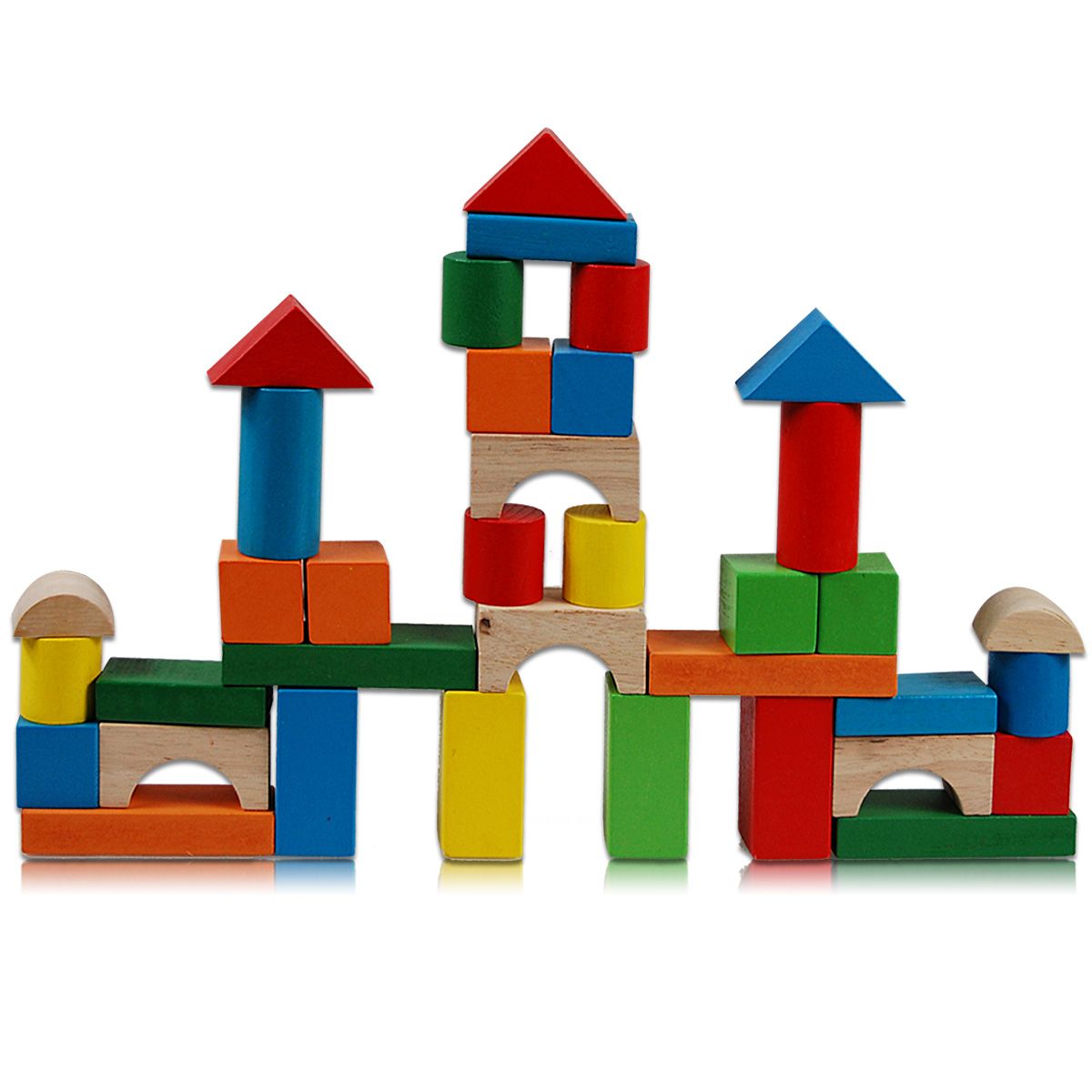
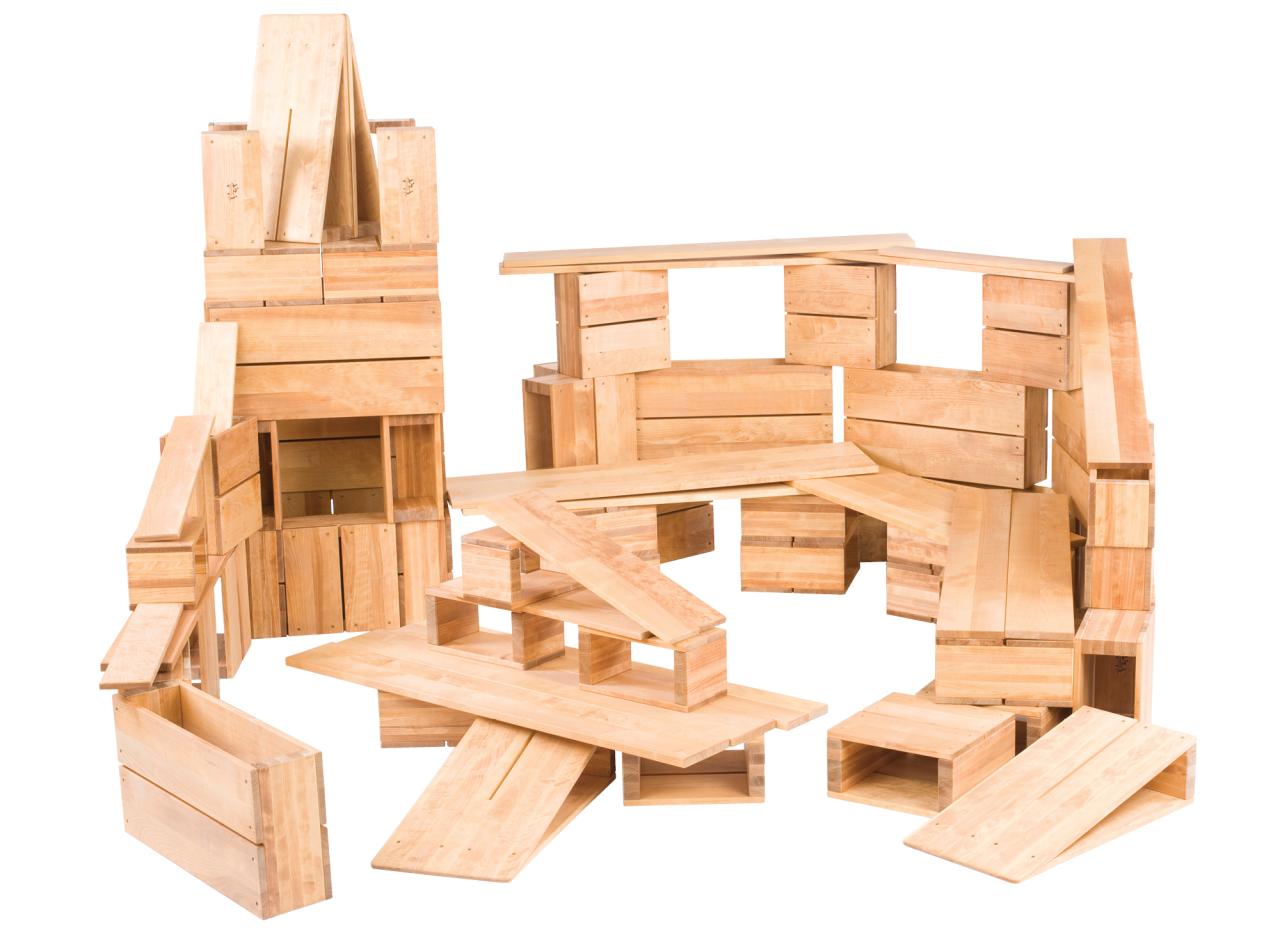
The production of building blocks has a significant impact on the environment, making it crucial to consider sustainable practices. As the construction industry continues to expand, the materials used in building block manufacturing can either contribute to ecological harm or foster environmental stewardship. Shifting toward sustainable materials not only benefits the planet but also enhances the overall quality and durability of building blocks.
Sustainable materials are essential in the creation of building blocks as they reduce carbon footprints and conserve natural resources. The shift to eco-friendly alternatives is driven by the growing awareness of climate change and the need for sustainable construction. In this context, various manufacturers are adopting innovative materials and methods to minimize waste and energy consumption.
Sustainable Building Block Materials
When considering sustainable building blocks, it is important to recognize materials that are eco-friendly and contribute to a circular economy. The following materials have proven to be effective alternatives:
- Recycled Concrete Aggregate (RCA): This material is sourced from crushed concrete waste, promoting recycling and reducing landfill usage. It’s an excellent option for creating durable building blocks.
- Hempcrete: Made from hemp fibers, lime, and water, hempcrete is lightweight and has excellent insulation properties. It captures carbon during its growth, making it a net-negative carbon material.
- Rammed Earth: Using natural soil, this technique involves compacting earth to create sturdy walls. It utilizes local materials and has a minimal environmental impact.
- Fly Ash: A byproduct of coal combustion, fly ash can be used in concrete mixtures, reducing the need for traditional cement and minimizing waste.
Several brands are setting benchmarks in eco-friendly building block manufacturing by prioritizing sustainable practices. Companies like EcoBlocks and Green Building Supply are recognized for their commitment to using recycled materials and environmentally responsible production techniques. These brands focus not only on the performance of their products but also on their environmental impact, ensuring that consumers have options that align with green building standards.
Informed Consumer Choices
Consumers play a vital role in promoting sustainable building practices. Being informed about the materials and manufacturing processes of building blocks can drive demand for environmentally friendly products. Here are some strategies to help make informed choices:
- Research certifications: Look for products with eco-labels or certifications such as LEED (Leadership in Energy and Environmental Design) or FSC (Forest Stewardship Council), which indicate adherence to environmental standards.
- Evaluate life cycle impact: Consider the entire life cycle of the building blocks, from production to disposal, focusing on materials that minimize waste and energy usage.
- Engage with suppliers: Ask questions about the sourcing and manufacturing processes of building blocks to ensure they align with sustainable practices.
- Support local manufacturers: Choosing locally produced building blocks can significantly reduce transportation emissions and support regional economies.
By understanding the importance of sustainable materials and the brands that prioritize eco-friendly practices, consumers can make choices that contribute to a greener future. Adopting these practices not only benefits the environment but also sets a powerful precedent for future generations in the construction industry.
Final Conclusion
In summary, building blocks are much more than mere playthings; they are vital instruments in the development of essential life skills. As we explore their impact across various age groups and contexts, it becomes clear that these building blocks will continue to shape the future of play and education for generations to come. Embracing their versatility can lead to innovative learning experiences and foster a deeper understanding of the world.
FAQ Summary
What age group benefits most from building blocks?
Children aged 2 to 7 years typically benefit the most, as this is a critical period for developing cognitive and motor skills.
Can building blocks be used for adults?
Absolutely! Building blocks can facilitate team-building activities and enhance creative problem-solving among adults.
Are there eco-friendly building block options?
Yes, many brands offer building blocks made from sustainable materials, promoting eco-friendly practices.
How do building blocks enhance creativity?
Building blocks encourage open-ended play, allowing individuals to experiment and express themselves freely through design and construction.
What materials are commonly used in building blocks?
Building blocks are traditionally made from wood or plastic, but newer alternatives include foam and biodegradable materials.