 Nolan Paxton
Wooden puzzles have long been a staple in childhood development, offering more than just entertainment. They serve as valuable educational tools that help children enhance cognitive skills, improve hand-eye coordination, and nurture problem-solving abilities. As kids engage with these tactile challenges, they not only enjoy the playful aspect but also gain essential skills that contribute to their overall growth.
Beyond their educational benefits, wooden puzzles stand out as environmentally friendly alternatives to plastic. Sourced sustainably, these puzzles boast biodegradability and a lower carbon footprint, making them an eco-conscious choice for families. With a variety of designs tailored for different age groups, wooden puzzles cater to everyone from toddlers to adults, ensuring that there is something for everyone in this engaging world.
Wooden puzzles as educational tools play a significant role in child development.
Wooden puzzles are not only entertaining but serve as powerful educational tools that contribute significantly to child development. These tactile learning materials encourage exploration and creativity while promoting a variety of cognitive skills essential for young learners. By engaging with wooden puzzles, children develop foundational abilities that will aid them throughout their educational journeys and beyond.
One of the primary benefits of wooden puzzles is their role in enhancing various cognitive skills in children. As children attempt to fit pieces together, they engage in critical thinking and spatial awareness, which are vital for understanding the world around them. By manipulating different shapes and sizes, kids also improve their memory and concentration as they learn to recall where specific pieces belong. This hands-on experience not only solidifies their problem-solving abilities but also nurtures their ability to approach challenges with confidence.
Development of Cognitive Skills
The cognitive skills developed through the use of wooden puzzles are numerous and impactful. Engaging with these puzzles promotes various mental processes that contribute to overall cognitive development. The following points highlight key cognitive benefits:
- Enhanced memory retention as children remember the shapes and positions of puzzle pieces.
- Improved attention span through focused puzzle-solving sessions, which require concentration.
- Boosted spatial reasoning skills, enabling children to understand how different shapes relate to one another in space.
- Encouragement of critical thinking by allowing children to strategize on how to assemble the puzzle efficiently.
Hand-Eye Coordination Enhancement
Using wooden puzzles also significantly enhances hand-eye coordination in children. This physical skill is crucial as it allows children to develop precise motor movements. The process of picking up, turning, and placing puzzle pieces involves a complex interaction between visual perception and physical movement. This direct interaction fosters greater control over hand movements and improves overall dexterity.
The following aspects illustrate how hand-eye coordination is refined through the use of wooden puzzles:
- Manipulating pieces helps children develop fine motor skills as they learn to grasp and position small objects accurately.
- Visual tracking is enhanced, as children must look closely at pieces and their corresponding spots on the puzzle.
- Increased confidence in physical abilities, which often translates into other areas of activity and learning.
Problem-Solving Skills Development
Puzzles also serve as excellent tools for developing problem-solving skills in young children. The act of solving a puzzle presents a challenge that requires persistence and analytical thinking. Children learn to approach problems methodically, breaking them down into smaller, manageable parts. This experience lays the groundwork for future problem-solving tasks in academic settings and real-life situations.
Key benefits in this area include:
- Encouragement of perseverance as children learn to try different approaches when faced with difficulties.
- Development of logical reasoning skills as they deduce which pieces fit together based on shape and color.
- Promotion of resilience and adaptability, as children learn that mistakes are part of the learning process.
The environmental impact of choosing wooden puzzles over plastic alternatives merits attention.
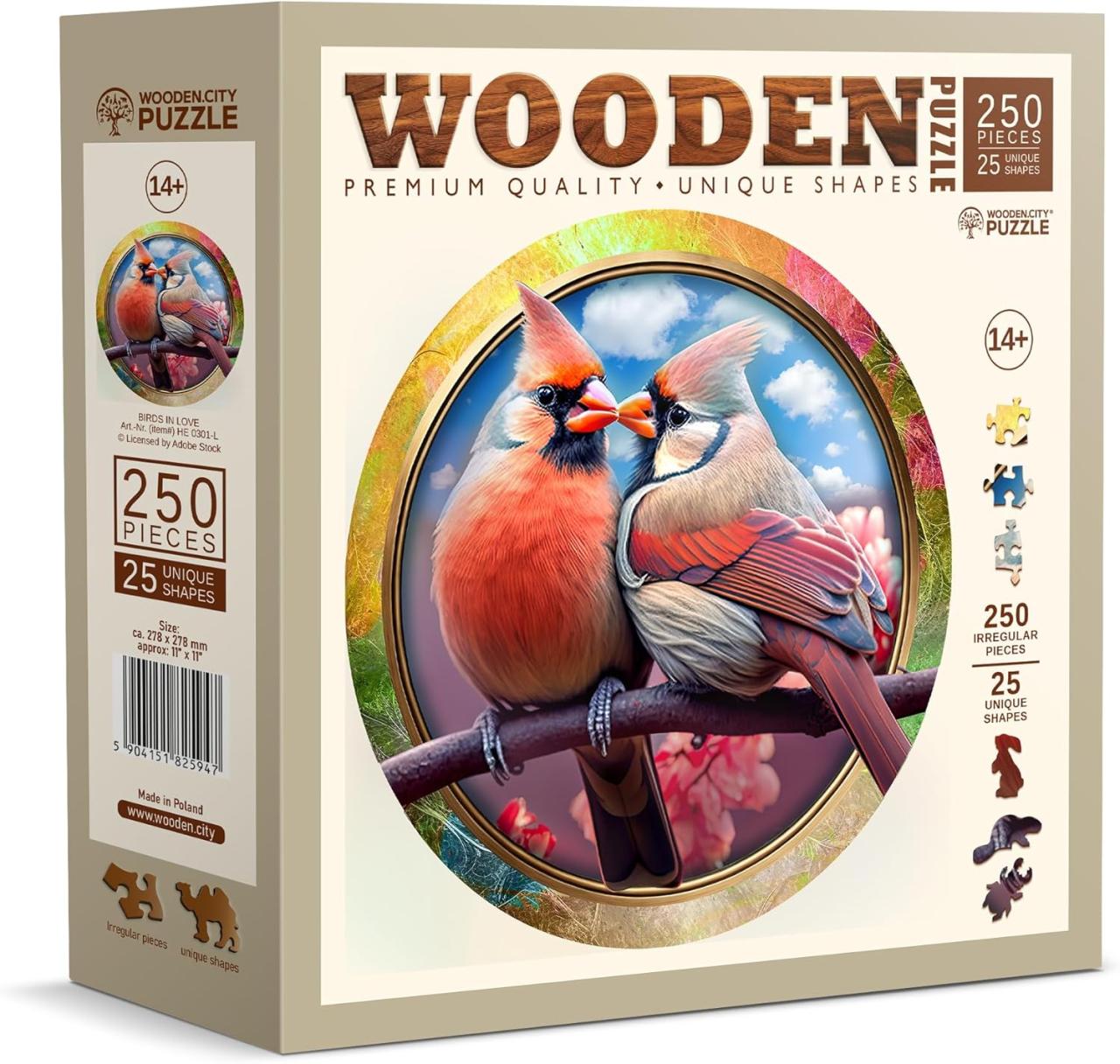
The conversation surrounding environmental sustainability has grown increasingly relevant, especially in the context of children’s toys. When considering options like puzzles, wooden alternatives stand out for their eco-friendliness. In this discussion, we will explore the sustainability practices involved in sourcing wood for these puzzles, their biodegradability compared to plastic alternatives, and the differences in carbon footprints between wooden and plastic puzzle production.
Sustainability practices in sourcing wood
Sourcing wood for wooden puzzles involves a variety of sustainable practices that contribute positively to the environment. Many manufacturers prioritize the use of wood from certified sustainable forests, which ensures that the trees are harvested responsibly. This practice protects biodiversity and contributes to forest regeneration.
Key practices include:
- Utilizing wood from FSC-certified forests: The Forest Stewardship Council (FSC) certifies forests that meet stringent environmental and social standards.
- Implementing reforestation programs: Many companies engage in planting new trees to offset those harvested, promoting a balanced ecosystem.
- Minimizing waste: Manufacturers often repurpose leftover wood during production, ensuring that almost every part of the tree is used effectively.
Biodegradability comparison
Biodegradability is a crucial factor when evaluating the environmental impact of products. Wooden puzzles are inherently biodegradable, meaning they can break down naturally over time without releasing harmful substances into the environment. In contrast, plastic puzzles can take hundreds of years to decompose, contributing to landfill waste and pollution.
Notable points include:
- Wooden puzzles can decompose within a few months to a couple of years in suitable conditions, returning nutrients to the soil.
- Plastic puzzles, made from materials like PVC or polystyrene, not only persist for a long duration but can also leach toxic chemicals as they degrade.
Carbon footprint differences
The carbon footprint associated with producing wooden puzzles is generally lower than that of plastic puzzles. The production of wooden puzzles, especially those made from reclaimed or sustainably sourced wood, often results in reduced greenhouse gas emissions.
Understanding the differences involves considering:
- Energy consumption: Manufacturing processes for wooden puzzles typically require less energy compared to the complex processes involved in plastic production.
- Transportation emissions: If sourced locally, wooden puzzles can further diminish transportation-related carbon emissions compared to imported plastic products.
- Life cycle analysis: Studies reveal that the overall lifecycle emissions of wooden products are substantially lower due to their renewable nature and lower energy input during manufacturing.
Different types of wooden puzzles cater to various age groups and skill levels.
Wooden puzzles are not just toys; they are tools for cognitive development and skill enhancement across different age groups. The tactile nature of wood, combined with vibrant designs, makes these puzzles appealing and beneficial for children and adults alike. This exploration will delve into the various types of wooden puzzles suitable for toddlers, older children, and adults, showcasing their unique features and benefits.
Wooden Puzzles for Toddlers
Wooden puzzles for toddlers are designed to engage young minds while promoting essential developmental skills. These puzzles are typically made from safe, non-toxic materials and feature larger pieces, making them easy for little hands to manipulate. Here are some key features of toddler wooden puzzles:
- Chunky Pieces: Designed with thicker pieces that are easy to grasp, aiding in fine motor skills development.
- Bright Colors: Engaging colors capture attention, helping to stimulate visual perception and color recognition.
- Simple Shapes and Themes: Common themes include animals, vehicles, and everyday objects, which make them relatable and fun for toddlers.
- Self-Correcting Designs: Some puzzles have unique shapes that only fit in one spot, encouraging problem-solving skills.
- Educational Aspects: Many feature letters, numbers, or simple words, providing a foundation for early literacy and numeracy.
Puzzles Designed for Older Children
Wooden puzzles for older children include more complex designs and themes, catering to their developing cognitive abilities and interests. These puzzles aim to challenge and engage children while promoting critical thinking and coordination. The following characteristics make them appealing:
- Increased Complexity: Puzzles come in various piece counts, ranging from 12 to over 100 pieces, catering to different skill levels.
- Detailed Imagery: Themes may include landscapes, fantasy scenes, or famous artwork, stimulating creativity and imagination.
- Interactive Elements: Some puzzles incorporate movable parts or sound features, enhancing engagement through interactive play.
- Team-building Opportunities: Larger puzzles can be tackled in groups, promoting collaboration and social skills among peers.
Advanced Wooden Puzzles for Adults
Advanced wooden puzzles designed for adults offer a unique blend of artistry and intellectual challenge. These puzzles often feature intricate designs, requiring higher levels of concentration and strategic thinking. The cognitive benefits they provide are significant, including:
- Enhanced Problem-Solving Skills: The complexity of these puzzles encourages individuals to develop strategies and think critically.
- Stress Relief: Engaging in puzzle-solving can be a meditative activity, promoting relaxation and reducing stress levels.
- Memory Improvement: Regularly working on puzzles can help enhance memory and cognitive function, as it requires recall and pattern recognition.
- Social Interaction: Many adults enjoy completing puzzles together, fostering conversations and strengthening relationships.
- Artistic Appreciation: High-quality wooden puzzles often showcase beautiful craftsmanship, allowing users to appreciate art while engaging their minds.
Crafting wooden puzzles at home can be a rewarding experience for enthusiasts.
Creating wooden puzzles at home is not just a fun hobby, but also a fulfilling way to exercise your creativity and craftsmanship. Whether you’re a seasoned woodworker or a beginner, building your own puzzles offers a unique opportunity to express your artistic vision while producing a tangible product. The process can also be a great way to bond with family and friends, particularly if you’re crafting personalized gifts or educational tools for children.
Materials and tools required for crafting wooden puzzles
Understanding the materials and tools required to craft wooden puzzles is fundamental to ensuring a successful project. Here’s a comprehensive list of what you’ll need to get started:
- Wood: Choose a suitable type of wood, such as plywood, hardwood, or MDF, based on your design and durability requirements. Plywood is often preferred for beginners due to its balance of cost and ease of cutting.
- Adhesive: Wood glue or a strong adhesive will help secure pieces together, especially when layering materials.
- Paint or Stain: Optional for finishing touches, making the puzzle visually appealing. Non-toxic finishes are recommended, particularly for puzzles intended for children.
- Tools: A good set of tools is essential. This includes:
- A jigsaw or scroll saw for cutting intricate shapes.
- A bandsaw for larger pieces if needed.
- A drill for making holes, if your design requires it.
- Sandpaper for smoothing edges and surfaces.
- A ruler or measuring tape for precise dimensions.
- A pencil for marking your design on the wood.
Step-by-step process to design and cut a simple wooden puzzle
Crafting a wooden puzzle involves a series of straightforward steps that can be followed by anyone, even those with minimal woodworking experience. Here’s a detailed guide on how to create a simple puzzle:
1. Design the Puzzle:
– Sketch your puzzle design on paper. Keep it simple, especially for your first attempt. Consider shapes like animals, numbers, or abstract patterns that can be cut easily.
2. Transfer the Design:
– Use a pencil to trace your design onto the wood. Ensure that the lines are clear and easy to follow.
3. Prepare to Cut:
– Secure the wood piece to your workbench using clamps. This will keep it stable while you cut.
4. Cut the Pieces:
– With your jigsaw or scroll saw, carefully follow the lines of your design. Take your time and be cautious, as intricate details may require more attention.
5. Sand the Edges:
– After cutting, use sandpaper to smooth out any rough edges. This step is crucial for safety and ensures a better finish.
6. Assemble and Finish:
– If your puzzle has multiple pieces, fit them together to check for alignment. Apply wood glue as needed and finish with paint or stain if desired.
By following these steps, you can create a beautiful wooden puzzle that showcases your craftsmanship.
Personalizing wooden puzzles for gifts or educational purposes
Personalizing wooden puzzles elevates them from mere toys to cherished keepsakes or educational tools. The uniqueness of a customized puzzle makes it an exceptional gift for any occasion, be it a birthday, holiday, or special achievement.
- Names and Initials: Add personal names or initials to the puzzle pieces. This adds a sentimental touch, especially for children.
- Themed Designs: Create puzzles based on hobbies, favorite characters, or milestones. Puzzles featuring popular themes can be especially engaging for kids.
- Educational Elements: Design puzzles that incorporate letters, numbers, or shapes to support learning. These can be excellent tools for preschoolers, helping them with recognition and motor skills.
- Photo Transfer: Consider transferring photos onto the puzzle surface. This can create memorable gifts that hold special meaning.
By incorporating personalized elements, wooden puzzles can become not only a delightful pastime but also a meaningful gift that carries emotional value and educational significance.
The psychological benefits of solving wooden puzzles are often understated.
Engaging with wooden puzzles offers a range of psychological advantages that many may overlook. As individuals immerse themselves in the intricate patterns and shapes, they not only find enjoyment but also unlock various mental health benefits that can enhance their overall well-being. This exploration into the psychological aspects reveals how puzzle-solving can serve as a powerful tool for relaxation, brain health, and personal accomplishment.
Stress Reduction and Relaxation
Wooden puzzles can act as a calming activity, allowing individuals to step away from the chaos of daily life. The tactile nature of wooden pieces encourages mindfulness, drawing focus away from stressors. By concentrating on fitting pieces together, many experience a meditative state that promotes relaxation. Engaging in this focused activity leads to significant reductions in cortisol levels, the hormone associated with stress.
The act of solving puzzles can serve as a form of mental escape, helping to alleviate anxiety and foster a sense of peace.
Mental Agility and Brain Health
Puzzle-solving has been shown to enhance cognitive functions such as problem-solving, memory, and analytical thinking. By challenging the brain, these activities stimulate neural connections and promote neuroplasticity, which is crucial for maintaining brain health. Regular engagement with puzzles can slow cognitive decline associated with aging and may even reduce the risk of developing cognitive impairments, including dementia.
Studies suggest that individuals who regularly engage in mentally stimulating activities like puzzles tend to have better memory retention and cognitive abilities.
Sense of Accomplishment and Self-Esteem
Completing a wooden puzzle can evoke a profound sense of achievement, which positively impacts self-esteem. The process of setting a goal, dedicating time to achieve it, and finally witnessing the completed picture can be incredibly fulfilling. This victory, no matter how small, contributes to a more positive self-image and encourages individuals to tackle new challenges.
Achieving success in puzzle-solving fosters resilience and can motivate individuals to pursue new skills and activities.
By delving into these psychological benefits, it’s clear that wooden puzzles are more than just a pastime; they offer a wealth of mental health advantages that can enhance daily life in numerous ways.
The craftsmanship involved in creating high-quality wooden puzzles is an art form.
Creating high-quality wooden puzzles is not merely a manufacturing process; it is a delicate art that marries functionality with aesthetic appeal. The craftsmanship involved in producing these puzzles showcases the skill and dedication of artisans who often spend years honing their techniques. Their commitment to quality ensures that every puzzle not only stands the test of time but also captivates the hearts of those who engage with it.
Artisans employ a variety of techniques to ensure that wooden puzzles are both durable and visually appealing. One primary method involves the selection of high-quality wood that is not only sturdy but also has a beautiful grain pattern. Different types of wood, such as maple, walnut, and birch, are commonly used for their unique characteristics. To enhance durability, artisans often use precision cutting tools, ensuring that the pieces fit together seamlessly and withstand regular handling. Sanding and finishing techniques are equally crucial; a smooth finish not only improves the puzzle’s tactile experience but also adds an attractive sheen that highlights the wood’s natural beauty.
Key techniques for durability and aesthetic appeal
The techniques used in the crafting of wooden puzzles play an essential role in defining their quality. Below are several important methods that artisans utilize:
- High-quality material selection: Choosing the right type of wood is fundamental. Dense hardwoods are preferred for their longevity and resistance to wear.
- Precision cutting: Using laser cutters or finely-tuned saws allows for intricate designs and precise fitting of pieces.
- Hand finishing: Many artisans opt for hand-sanding and polishing to achieve a smooth surface that enhances both durability and visual appeal.
- Non-toxic finishes: Applying environmentally friendly, non-toxic finishes ensures that the puzzles are safe for all ages while enhancing their natural colors.
Safety standards play a crucial role in the manufacturing of wooden puzzles, especially considering the target audience often includes young children. Adherence to safety regulations not only protects consumers but also builds trust in the brand. Manufacturers must ensure that all materials used are free from harmful chemicals and that the edges of puzzles are smoothly finished to prevent any risk of injury.
Importance of safety standards in wooden puzzle manufacturing
The implementation of safety standards is vital in maintaining the integrity of wooden puzzles. These standards typically include:
- Non-toxic materials: All woods and finishes used in production must be certified to be free of harmful substances.
- Age-appropriate designs: Puzzles are designed with specific age groups in mind, ensuring that pieces are large enough to prevent choking hazards.
- Testing for durability: Puzzles undergo rigorous testing to ensure they can withstand typical wear and tear without breaking.
- Compliance with regulations: Manufacturers must comply with international safety standards such as ASTM and EN71 to assure quality and safety.
The design process for wooden puzzles is equally intricate, involving careful consideration of educational value and engagement. Designers start by researching developmental milestones to create puzzles that not only entertain but also educate. The incorporation of themes, colors, and shapes is intentional, aimed at boosting cognitive skills and fine motor development.
Design process for engaging and educational puzzles
The design process is a thoughtful journey that blends creativity with educational principles. Important aspects of this process include:
- Curriculum alignment: Many puzzles are designed to align with early learning standards, addressing subjects like shapes, numbers, and animals.
- Interactive elements: Incorporating moving parts or textures can enhance engagement and offer a multi-sensory experience.
- User testing: Feedback from children and educators is often sought to refine designs and ensure they meet learning objectives.
- Visual appeal: Color palettes and illustrations are chosen to attract attention, making the puzzles visually stimulating and inviting.
Overall, the craftsmanship behind high-quality wooden puzzles is a harmonious blend of artistry, safety, and educational design. The dedication of artisans ensures that these puzzles are not only beautiful but also serve a meaningful purpose in the development of cognitive and motor skills in children.
Wooden puzzles can be themed, enhancing their attraction and educational value.

Wooden puzzles are not just toys; they are versatile educational tools that can captivate the imagination of children while promoting learning. Themed wooden puzzles introduce specific subjects, making the learning experience enjoyable and engaging. Various themes, from animals to famous landmarks, can provide rich educational content while enhancing the aesthetic appeal of the puzzles.
Thematic puzzles serve not only as entertainment but as effective educational tools. They can introduce children to various subjects, such as animals, geography, and even historical events, fostering curiosity and knowledge in a playful manner. By engaging with these puzzles, children can develop a deeper understanding of the world around them.
Popular themes for wooden puzzles
There are numerous themes that wooden puzzles can embody, each serving unique educational purposes. Below are some popular themes and their significance:
- Animal Kingdom: Puzzles depicting various animals teach children about wildlife, habitats, and biodiversity. They can fuel interest in biology and conservation.
- Geography: Puzzles featuring maps or countries help kids learn about different cultures, geographical locations, and the importance of global awareness.
- Space Exploration: Themes related to planets, stars, and space missions ignite a fascination with astronomy and science, encouraging future inquiries into these fields.
- Historical Events: Puzzles representing significant historical moments can make history tangible, helping children grasp complex narratives in an engaging way.
- Transportation: Puzzles showcasing various modes of transport, from cars to airplanes, help children understand engineering concepts and the evolution of technology.
Thematic puzzles can be particularly effective in educational settings. They can spice up lesson plans, making learning more engaging and interactive. By using puzzles that align with curriculum topics, educators can enhance students’ retention of information. For example, a classroom with a geography unit can incorporate a world map puzzle, allowing students to piece together continents and countries visually.
“Themed puzzles can transform a lesson into a lively exploration, encouraging hands-on learning and collaboration.”
In addition, these puzzles encourage critical thinking and problem-solving skills. As children work to fit the pieces together, they learn to analyze the relationship between different elements within a theme. This process not only reinforces subject matter knowledge but also cultivates essential cognitive skills that are applicable across various areas of learning.
The role of technology in the evolution of wooden puzzles is an interesting topic.
The intersection of technology and traditional craftsmanship has profoundly influenced the design and production of wooden puzzles. As we delve into this topic, we see how modern advancements are not only enhancing the aesthetic appeal of these puzzles but also their functionality and interactivity, making them more engaging than ever before.
Modern technology influences the design and manufacturing processes for wooden puzzles in various ways. Advanced computer-aided design (CAD) software allows artisans to create intricate designs with precision that was previously unattainable. Laser cutting technology has revolutionized the production process, enabling manufacturers to produce complex shapes and patterns quickly and with high accuracy. This shift not only minimizes waste but also allows for more intricate and personalized designs, catering to diverse tastes and preferences.
Examples of interactive wooden puzzles incorporating augmented reality features
The integration of augmented reality (AR) into wooden puzzles has opened up a new dimension of interaction for users. These innovative puzzles often come with accompanying mobile applications that enhance the gameplay experience. For instance, when a user scans a completed puzzle with their smartphone, the app can overlay digital animations that bring the puzzle to life, providing narratives, sound effects, or even interactive games that build upon the puzzle theme.
One notable example is a wooden puzzle designed around wildlife themes, where completing the puzzle reveals an interactive habitat. Users can then learn about the animals depicted, their behaviors, and conservation efforts through engaging AR content. This blend of physical and digital play not only captivates users but also educates them in a fun and interactive way.
The impact of online platforms on the wooden puzzle market
Online platforms have significantly transformed the market for wooden puzzles, facilitating access to a wider audience and enabling niche brands to thrive. E-commerce websites, social media, and specialized online marketplaces allow manufacturers to showcase their products to potential customers worldwide without the need for traditional retail spaces. This digital presence not only increases visibility but also provides valuable customer feedback through reviews and ratings.
Furthermore, online platforms enable consumers to share their experiences and completed puzzles, fostering a community of enthusiasts. This has led to trends such as customizing puzzles with personal images or themes, allowing buyers to create unique keepsakes or gifts. As a result, the wooden puzzle market has seen a resurgence, appealing to both traditional puzzle lovers and a new generation of users attracted by the unique possibilities offered by technology.
Modern technology enhances the aesthetic appeal and functionality of wooden puzzles, making them more engaging and interactive.
Ultimate Conclusion
In summary, wooden puzzles offer a delightful blend of fun and education, making them an important addition to any child’s playtime. Their role extends beyond mere entertainment, embracing environmental sustainability and cognitive development. As we explore the artistry behind their creation and the themes they embody, it’s clear that these puzzles are not just toys but gateways to learning and growth.
FAQ Section
What age group are wooden puzzles suitable for?
Wooden puzzles are available for all age groups, from toddlers to adults, with varying complexity to suit different skill levels.
Are wooden puzzles safe for young children?
Yes, most wooden puzzles are designed with safety in mind, using non-toxic materials and smooth edges to ensure safe play.
Can wooden puzzles help improve fine motor skills?
Absolutely! Wooden puzzles require children to manipulate pieces, which enhances their fine motor skills and dexterity.
How do I clean wooden puzzles?
To clean wooden puzzles, wipe them down with a damp cloth and mild soap, avoiding submerging them in water.
Are there benefits to crafting wooden puzzles at home?
Yes, crafting wooden puzzles at home allows for personalization and creativity, making it a rewarding project for enthusiasts.