 Nolan Paxton
Magnetic tiles are taking the world of early childhood education by storm, offering a unique way to combine play with learning. These vibrant, versatile tiles not only captivate children’s imaginations but also foster essential cognitive skills. Whether stacking, building, or experimenting, young learners engage in activities that enhance their critical thinking and motor skills while encouraging collaborative play among peers.
From intricate structures to imaginative designs, the appeal of magnetic tiles extends beyond the classroom. They come in various materials and styles, making them suitable for a range of educational and creative applications. As parents and educators recognize their value, magnetic tiles are becoming a beloved staple in homes and learning environments alike.
Magnetic tiles serve as an innovative educational tool for young children.
Magnetic tiles have gained popularity as a versatile educational resource for early childhood development. They captivate children’s attention while fostering essential cognitive skills. By engaging in creative play with these colorful tiles, children not only enjoy themselves but also embark on a journey of learning that enhances their critical thinking abilities.
The cognitive benefits of using magnetic tiles in early childhood education are significant. These tiles encourage children to explore concepts of geometry, balance, and symmetry through hands-on experiences. As they manipulate the tiles into various shapes and structures, they sharpen their problem-solving skills and develop a deeper understanding of spatial relationships. This type of play promotes critical thinking as children experiment with different configurations, leading to discoveries about stability and design.
Development of motor skills and spatial awareness through activities
Engaging children in activities with magnetic tiles aids in the development of both fine and gross motor skills, along with enhancing spatial awareness. These skills are crucial for overall physical development and learning. Here are some activities that can be conducted using magnetic tiles:
- Building Structures: Children can create towers, bridges, or houses using magnetic tiles. This activity promotes fine motor skills as they grasp and connect tiles while balancing their creations.
- Pattern Creation: Encouraging children to replicate or invent patterns using tiles helps develop their visual-spatial skills and understanding of design elements.
- Shape Sorting: Providing tiles of different shapes and colors for sorting activities can enhance classification skills and motor dexterity as children manipulate the tiles to match them according to specific attributes.
- Collaborative Building Projects: Working in groups to create a large structure fosters teamwork and cooperative play, allowing children to negotiate roles and share ideas.
Through these activities, children not only develop their motor skills but also gain a strong sense of spatial awareness as they learn to navigate and manipulate their environment.
Encouragement of collaborative play among children
Magnetic tiles provide an excellent platform for collaborative play among young children. When engaging in group activities with these tiles, children learn crucial social skills such as communication, cooperation, and negotiation. They experience the joy of working together towards a common goal, fostering their emotional and social development.
Group play with magnetic tiles can lead to various interactions, such as:
- Team Projects: Working together to design a complex structure encourages children to share ideas and strategies, enhancing their ability to articulate thoughts and listen to others.
- Problem Solving: Facing challenges while building encourages groups to brainstorm solutions collectively, nurturing critical thinking and resilience.
- Role Assignment: Children naturally assign roles based on their interests and skills, promoting leadership and responsibility within the group.
Through these collaborative experiences, children build lasting friendships and learn the value of teamwork, which are essential skills in their ongoing educational journey.
The different types of magnetic tiles available on the market.
Magnetic tiles have gained immense popularity as a versatile educational toy that promotes creativity and cognitive skills in children. With a variety of options available, understanding the different types of magnetic tiles can help consumers choose the best fit for their needs. From materials used in production to the unique features offered by various brands, this discussion will delve into what makes each type of magnetic tile distinctive.
Materials used in the production of magnetic tiles
Magnetic tiles are primarily made from two types of materials: plastic and wood. Each material has its own benefits and drawbacks, influencing durability and playability.
- Plastic: Most magnetic tiles are constructed from high-quality plastic, which is lightweight, durable, and resistant to wear and tear. This material typically allows for vibrant colors and transparent sections that enhance the visual appeal. However, plastic tiles may lack the natural feel of wooden tiles and can be less eco-friendly.
- Wood: Wooden magnetic tiles offer a more tactile experience and are often favored for their aesthetic qualities. They are typically more robust and can withstand rough play, making them ideal for younger children. However, wooden tiles tend to be heavier and may come at a higher price point compared to their plastic counterparts.
Comparison of different brands
When it comes to magnetic tiles, several brands stand out in the market, each exhibiting unique features, pricing, and durability levels. The following comparisons highlight notable brands:
- Magna-Tiles: A pioneer in the market, Magna-Tiles are known for their superior quality and durability. They feature strong magnets that hold structures securely and come in various shapes and colors. However, they are on the pricier side, making them a significant investment.
- PicassoTiles: PicassoTiles provide a budget-friendly alternative without compromising quality. They are compatible with other brands and offer a wide variety of shapes. While generally durable, some consumers report that the magnets may weaken over time compared to higher-end brands.
- Playmags: Known for their affordability and colorful options, Playmags are a popular choice among families. They offer decent durability and a variety of themed sets. However, some users have noted that the magnets may not be as strong, leading to collapsing structures during play.
Impact of design on usability and playability
The design of magnetic tiles significantly influences how they are used and the extent to which they engage children in play. Factors such as shape variety, color options, and size play essential roles in usability.
- Shape Variety: Tiles that come in various geometric shapes, like triangles, squares, and hexagons, encourage complex building and creativity. This diversity allows for more intricate designs, enhancing the overall play experience.
- Color Options: Bright, vibrant colors stimulate visual learning and creativity, making playtime more engaging. Tiles that incorporate transparent sections also add an element of discovery, as kids can experiment with light and color blending.
- Size: Larger tiles may be easier for younger children to manipulate, while smaller tiles can offer more intricate building opportunities for older kids. The right size can cater to different age groups, ensuring that the tiles remain fun and educational as children grow.
“The right combination of design and material can transform a simple set of tiles into a multifaceted educational tool that fosters creativity and learning.”
Creative ways to incorporate magnetic tiles into home decor.
Magnetic tiles are more than just a playful item for children; they can be creatively integrated into home decor, providing both aesthetic appeal and functional benefits. With their myriad of colors, shapes, and easy application, these versatile tiles can help transform spaces by adding a touch of modernity and whimsy. This exploration delves into innovative designs using magnetic tiles and their adaptability to various interior design themes, including modern and minimalist styles.
Innovative uses of magnetic tiles in home settings
Magnetic tiles can serve as a unique medium for creating striking wall art or innovative room dividers. Incorporating them into your home decor allows for personalization and creativity.
Consider the following innovative applications:
- Wall Art: Create a statement piece by arranging magnetic tiles in patterns or designs that reflect your personality. From geometric shapes to abstract forms, this wall art can be easily changed or adjusted, allowing for seasonal updates or mood shifts.
- Room Dividers: Use magnetic tiles to create a functional yet visually appealing room divider. This can be particularly useful in open-space living arrangements, providing privacy while also acting as a colorful focal point.
- Interactive Boards: Design an interactive magnetic board for children’s rooms or play areas. This can be a fun way for kids to express their creativity, using magnetic tiles to create their own artwork or educational displays.
- Furniture Accents: Attach magnetic tiles to furniture pieces, such as coffee tables or shelves, to add color and texture. This can elevate your decor without the need for extensive renovations.
Versatility of magnetic tiles in interior design themes
The adaptability of magnetic tiles extends across various interior design themes. Their sleek design and vibrant colors make them an excellent choice for both modern and minimalist aesthetics.
Key points highlighting their versatility include:
- Modern Styles: In a modern setting, magnetic tiles can be used in bold, abstract arrangements that complement contemporary furniture and art. They work well with neutral color palettes, adding pops of color that enliven the space.
- Minimalist Approaches: Magnetic tiles can be arranged in simple, understated patterns that align perfectly with minimalist design principles. Their clean lines and smooth surfaces can accentuate the uncluttered feel of minimalist interiors.
- Color Coordination: The ability to mix and match colors and shapes allows for a tailored approach, ensuring that the tiles harmonize with existing decor elements, whether it’s in a vibrant, eclectic room or a serene, subdued environment.
Transforming spaces with magnetic tiles
Transforming spaces with magnetic tiles requires thoughtful placement and consideration of existing decor. These tiles can redefine an area, making it more functional and aesthetically pleasing.
To achieve effective transformations:
- Identify Focal Points: Choose areas that naturally draw attention, such as above a mantel or in an entryway, where magnetic tiles can serve as an eye-catching feature.
- Layering Textures: Combine magnetic tiles with other materials, such as wood or metal, to create depth and interest in your decor. This layering can enhance the overall aesthetic appeal.
- Functional Decor: Incorporate tiles into spaces where they can serve a dual purpose, such as a magnetic tile wall that also functions as a message board or a calendar.
Magnetic tiles are not just for kids; they are a versatile and creative way to enhance home decor, allowing for personalization that can be easily updated.
The role of magnetic tiles in fostering STEM skill development.
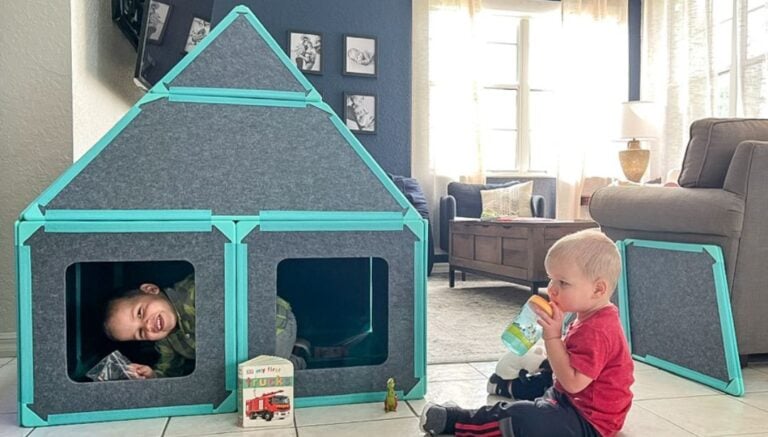
Magnetic tiles are more than just colorful building blocks; they serve as a powerful tool in the development of critical STEM skills in children. Through hands-on construction, these versatile tiles support the exploration of foundational concepts in science, technology, engineering, and mathematics. This engaging medium not only captivates young minds but also promotes important cognitive skills such as problem-solving and logical reasoning.
Constructing with magnetic tiles enhances children’s problem-solving abilities by encouraging them to think creatively and strategically. As they manipulate the tiles to create various shapes and structures, kids face challenges that require them to devise solutions and evaluate their designs. For instance, when building a tall tower, children must consider balance and stability, thereby applying their logical reasoning skills to ensure their creations do not topple over.
Integration of magnetic tiles into STEM curricula
Educators can seamlessly integrate magnetic tiles into STEM curricula to create engaging, hands-on learning experiences that reinforce theoretical knowledge. Below are several examples of how magnetic tiles can be used in various educational contexts:
- Geometry Exploration: Teachers can incorporate magnetic tiles into lessons on shapes and spatial relationships. By asking students to create specific geometric forms, such as triangles or complex polygons, they can visualize and manipulate these shapes, reinforcing their understanding of geometric properties.
- Engineering Challenges: In a classroom setting, educators can present design challenges where students must use magnetic tiles to build structures that can withstand certain conditions, such as wind or weight. This not only teaches engineering principles but also encourages teamwork and communication.
- STEM Themed Projects: Schools can organize projects where students are tasked with creating models of real-world structures, such as bridges or skyscrapers, using magnetic tiles. This hands-on approach allows students to apply engineering concepts and develop an appreciation for architecture.
Magnetic tiles also serve as a bridge to connect theoretical engineering concepts with practical application. For example, a project could focus on the design and construction of a functional bridge using magnetic tiles, which would require students to research material properties and load distribution. This project illustrates how engineering principles are involved in everyday structures and enhances students’ critical thinking as they evaluate their designs for strength and efficiency.
“Through construction play, children develop foundational skills that are essential for future learning in STEM fields.”
Safety considerations when using magnetic tiles.
Magnetic tiles have gained popularity as a fun and educational toy for children, but it’s essential to address the safety considerations that come with their use. Ensuring that these toys meet safety standards and understanding potential hazards can help create a safer play environment for kids.
Safety standards play a crucial role in determining whether magnetic tiles are appropriate for children. The Consumer Product Safety Commission (CPSC) Artikels specific regulations that toys must meet to be deemed safe for young users. Magnetic tiles should be free from harmful chemicals, such as phthalates and lead, and should meet the ASTM F963 toy safety standard. This standard evaluates factors like mechanical hazards, including choking risks and sharp edges, to ensure that the toys are suitable for children of various age groups.
Potential hazards and mitigation strategies
Magnetic tiles, while engaging, come with potential hazards that need to be addressed to ensure the safety of children during play. One primary concern is the choking risk posed by small magnetic pieces. Younger children, particularly those under three years old, are at a higher risk of choking on small components. To mitigate this risk, parents and educators should:
- Choose magnetic tiles specifically labeled as safe for certain age groups, ensuring they are large enough to prevent choking.
- Regularly inspect the tiles for any signs of wear or damage, which can lead to loose magnets.
- Store magnetic tiles out of reach of younger children when not in use.
In addition to choking hazards, the ingestion of magnets presents another serious safety concern. If a child swallows a magnet or multiple magnets, it can lead to severe internal injuries. To reduce the risk of this happening, it is advisable for parents and educators to:
- Supervise play sessions, especially with younger children, to ensure they do not place tiles in their mouths.
- Educate children about the dangers of swallowing small objects, including magnetic tiles.
- Establish clear rules regarding play to discourage inappropriate use of the tiles.
Guidelines for supervision during play
Supervision is a vital aspect of ensuring safe play with magnetic tiles. Parents and educators should implement specific strategies to monitor children effectively and create a safe play environment. These strategies include:
- Setting up designated play areas that are free from distractions and hazards, allowing for focused and safe play.
- Engaging with children during play, which not only enhances the learning experience but also allows for closer monitoring.
- Encouraging collaborative play to promote social interactions while ensuring that children are aware of safety rules.
Regular check-ins with children during playtime can also help reinforce safe practices. By combining supervision with education on the proper use of magnetic tiles, parents and educators can significantly minimize the risk of accidents and ensure a fun, safe learning experience.
The environmental impact of magnetic tile production and disposal.
The production and disposal of magnetic tiles have significant implications for the environment. Understanding these impacts can help consumers make more informed decisions regarding their purchases and disposal methods. This segment delves into the sustainability practices of manufacturers, the importance of recycling, and how choosing eco-friendly brands plays a crucial role in minimizing environmental harm.
Sustainability practices in magnetic tile production
Many manufacturers of magnetic tiles are increasingly adopting sustainable practices in their production processes. This includes the use of eco-friendly materials that are less harmful to the environment. For example, some brands utilize non-toxic plastics and sustainable sourcing of raw materials. The shift towards responsible manufacturing not only aids in reducing carbon footprints but also promotes a healthier environment for children and families who use these products.
According to various environmental studies, the use of biodegradable or recyclable materials can significantly decrease the overall waste generated from toy production. Companies that prioritize sustainability often evaluate their entire supply chain, ensuring that energy-efficient methods are employed and waste is minimized.
The importance of recycling magnetic tiles
Recycling plays a vital role in mitigating the environmental impact of magnetic tiles after they have reached the end of their usability. Many parents may not know that damaged tiles can be responsibly disposed of through various recycling programs. Institutions and organizations are increasingly creating awareness and facilities that encourage recycling of plastic toys, including magnetic tiles.
Proper disposal methods include:
- Check local recycling guidelines: Many communities have specific programs for recycling plastics, so checking local regulations can lead to responsible disposal.
- Participate in take-back programs: Some manufacturers offer take-back initiatives where parents can return used tiles for recycling or repurposing.
- Upcycle damaged tiles: Creative repurposing of damaged tiles can extend their life cycle, turning them into art projects, educational tools, or storage solutions.
Educating children about the importance of recycling also instills a sense of responsibility towards the environment from a young age, fostering eco-conscious habits.
Choosing eco-friendly brands
Selecting eco-friendly brands for magnetic tiles can significantly contribute to reducing environmental harm. Eco-friendly brands typically implement sustainable practices in various aspects of their production, from material sourcing to packaging. By opting for these brands, consumers can support companies that prioritize the health of the planet.
The impact of choosing eco-friendly brands includes:
- Reduction of toxic materials: Eco-friendly brands often avoid harmful chemicals in their products, making them safer for children and the environment.
- Support for sustainable manufacturing: Purchasing from brands that use renewable energy sources in their production processes helps reduce overall carbon emissions.
- Encouragement of better industry practices: Consumer demand for eco-friendly products pushes other companies to adopt sustainable practices, leading to broader environmental benefits across the industry.
By being mindful of the brands we choose, parents can play a significant role in fostering a more sustainable future while providing safe and engaging play experiences for their children.
The evolution of magnetic tiles through the years.
Magnetic tiles have become a staple in educational toys and creative play, fostering imagination and building spatial skills in children. Their journey began several decades ago, and over time, they have undergone remarkable advancements in design and functionality, transforming the way children interact with these engaging tools.
The history of magnetic tiles dates back to their inception in the late 1990s, when the first sets were introduced to the market. These early models featured simple designs, primarily aimed at enhancing basic learning through play. As demand grew, manufacturers began to innovate, leading to a wider variety of shapes, sizes, and colors. Today’s magnetic tiles not only captivate children’s attention but also serve a vital role in developing critical thinking and problem-solving skills.
Milestones in Magnetic Tile Development
The evolution of magnetic tiles includes several key milestones that have significantly shaped their popularity and functionality. Understanding these advancements can provide insight into how these toys continue to resonate with both children and parents alike.
- Introduction of the First Sets (1997) – The first magnetic tile sets were designed to be colorful and easy to manipulate, creating a foundation for educational play.
- Expansion of Shapes and Sizes (2005) – Manufacturers began introducing diverse geometric shapes, allowing for more complex building and imaginative play.
- Improved Magnetic Strength (2010) – Advances in magnet technology led to stronger magnetic tiles, enabling taller and more intricate structures without collapsing.
- Focus on STEM Education (2015) – The integration of magnetic tiles into STEM curricula highlighted their role in fostering skills like engineering and mathematics.
- Eco-Friendly Materials (2020) – The shift toward sustainable production practices resulted in magnetic tiles made from recyclable materials, appealing to environmentally conscious consumers.
- Interactive Digital Integration (2023) – The latest innovations have introduced augmented reality (AR) features that blend physical play with digital experiences, enhancing engagement.
Each milestone represents a significant development in the evolution of magnetic tiles, contributing to their sustained popularity. The transformation from basic shapes to advanced, eco-friendly, and interactive designs illustrates the industry’s commitment to education and innovative play, ensuring that magnetic tiles remain a beloved choice for generations to come.
“Magnetic tiles are not just toys; they are tools that nurture creativity, critical thinking, and collaboration among young learners.”
Engaging community events centered around magnetic tiles.
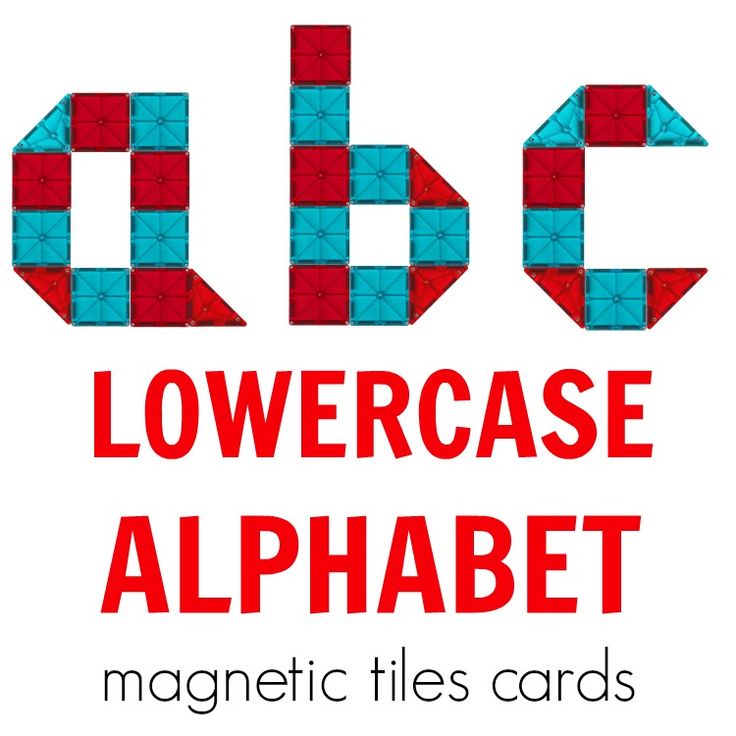
Community events centered on magnetic tiles have the potential to foster creativity and strengthen social bonds among participants of all ages. By organizing engaging activities and workshops, communities can create a vibrant atmosphere where learning and fun go hand in hand. This initiative not only promotes the use of magnetic tiles but also encourages collaboration, problem-solving, and artistic expression.
To effectively engage the community, it’s essential to plan a variety of activities that cater to different skill levels and interests. Here’s a detailed plan for such an event:
Event Planning and Activities
A successful community event can benefit from a diverse array of activities that highlight the versatility of magnetic tiles. Here are some ideas to consider when organizing the event:
- Magnetic Tile Workshops: Hands-on workshops where participants can learn to create specific structures or designs. Instructors can guide attendees through the process, allowing for skill development and creativity.
- Community Build Challenge: Organize a friendly competition where teams create themed structures using magnetic tiles. This activity encourages teamwork and innovative thinking while showcasing the versatility of the tiles.
- Family Design Zone: A designated area for families to collaborate on projects, fostering interaction among different generations. This space emphasizes inclusivity and shared creativity.
- Show and Tell Sessions: Participants can showcase their creations, sharing ideas and inspiration with others. This promotes confidence and encourages feedback, enhancing the creative process.
- Guest Speakers: Invite experts in design or education to speak about the benefits of magnetic tiles in learning and play. This can provide valuable insights and inspire new ideas for participants.
Community engagement through events like these has numerous benefits, including the enhancement of social interaction and the nurturing of creativity. Bringing people together fosters a sense of belonging and encourages collaboration. Participants can learn from one another, exchange ideas, and form connections that extend beyond the event.
Promotion Strategies for Maximum Participation
To ensure the success of the community event, effective promotion is crucial. Here are strategies to maximize participation and impact:
- Social Media Campaigns: Utilize platforms like Facebook, Instagram, and Twitter to create buzz around the event. Share engaging content such as teaser videos, event highlights, and success stories from previous workshops.
- Local Partnerships: Collaborate with local schools, libraries, and community centers to promote the event. They can help reach a wider audience by sharing information with their networks.
- Flyers and Posters: Distribute visually appealing promotional materials in high-traffic areas such as coffee shops, community boards, and schools to attract attention.
- Email Newsletters: Send out newsletters to local community groups and interested individuals, providing information about the event and encouraging them to invite friends and family.
- Incentives for Participation: Consider offering incentives such as prizes for participants in the community build challenge, or discounts on magnetic tile purchases for attendees, to enhance participation and excitement.
Engaging community events centered around magnetic tiles not only foster creativity but also build lasting relationships and a sense of community pride.
Closing Notes
In summary, magnetic tiles are more than just toys; they are powerful tools for learning and creativity. Their role in promoting STEM skills, coupled with the ability to enhance home decor, showcases their versatility and enduring appeal. As we embrace these engaging products, we’re not only shaping the minds of future innovators but also adding a splash of creativity to our spaces.
Detailed FAQs
What age group is suitable for magnetic tiles?
Magnetic tiles are typically suitable for children aged 3 and up, as they can help develop motor skills and cognitive abilities.
Are magnetic tiles safe for children?
Yes, as long as they meet safety standards and do not have small parts that could pose choking hazards.
Can magnetic tiles be used outdoors?
While they can be used outdoors, it’s best to keep them in a dry environment to prevent damage to the magnets.
How do you clean magnetic tiles?
Magnetic tiles can be cleaned with a damp cloth and mild soap. Avoid soaking them in water.
Do magnetic tiles work with other brands?
Many magnetic tiles from different brands are compatible, but it’s always best to check specific product details for compatibility.