 Nolan Paxton
Puzzle mats are more than just colorful play surfaces; they are innovative tools that can significantly impact a child’s cognitive and physical development. Designed to spark imagination and foster learning, these mats offer a blend of play and education, making them a staple in any child-friendly environment.
With their unique design and soft surfaces, puzzle mats encourage children to explore, create, and learn through interactive play. They help develop critical thinking and problem-solving skills while providing a safe space for physical activities. Whether used for themed play setups or educational exercises, puzzle mats serve multiple purposes that contribute to a child’s growth and well-being.
Puzzle mats serve as both a play surface and an educational tool to enhance cognitive development in children.
Puzzle mats have gained popularity in early childhood education, primarily due to their versatility as both a safe play surface and an innovative learning resource. These colorful and engaging mats are designed to captivate children’s attention while providing a comfortable area for exploration. When children interact with puzzle mats, they are not merely playing; they are engaging in activities that promote cognitive development and essential life skills. The tactile nature of the mats encourages sensory exploration, which is critical for young children’s growth and learning.
One of the most significant benefits of puzzle mats is their ability to stimulate critical thinking and problem-solving skills in young children. Problem-solving is an integral part of cognitive development, and puzzle mats serve as an excellent tool for facilitating this process. As children manipulate the pieces, they encounter challenges that require them to think critically about how to fit the pieces together. This process encourages them to analyze their options, make decisions, and learn from their mistakes. The hands-on experience of arranging and rearranging is invaluable in helping them develop spatial awareness and logical reasoning.
Benefits of using puzzle mats for early childhood education
There are numerous advantages to incorporating puzzle mats into early childhood education settings. These benefits extend beyond mere play, actively contributing to children’s cognitive, social, and emotional development. Here are some key benefits:
- Cognitive Development: As children piece together puzzle mats, they are not just playing; they are enhancing their problem-solving abilities and critical thinking skills. This activity promotes cognitive connections as they learn to recognize patterns and shapes.
- Fine Motor Skills: The act of manipulating puzzle pieces aids in developing fine motor skills. As children grasp, move, and fit pieces together, they strengthen their hand-eye coordination and dexterity, which are vital for tasks like writing and self-care.
- Social Skills: Puzzle mats can be used in group settings, encouraging collaboration among peers. Children learn to share, negotiate roles, and work together to achieve common goals, fostering essential social skills.
- Language Development: Engaging in activities on puzzle mats provides opportunities for language development. Educators and caregivers can incorporate vocabulary related to colors, shapes, and numbers, enhancing communication skills.
- Creative Expression: The versatility of puzzle mats allows for imaginative play. Children can create stories or scenarios, encouraging creative thinking and narrative skills as they play with the mats.
In addition to these benefits, various educational activities can be conducted on puzzle mats to enhance learning experiences. For example, educators can set up themed mats that introduce concepts like numbers, letters, or animals. Storytelling sessions can be organized where children use the mats as a backdrop for their narratives, stimulating their imagination. Another activity could involve using the mats for math games, where children can place pieces to represent numbers or shapes, allowing for hands-on learning in mathematics.
Incorporating puzzle mats into educational curricula provides a multifaceted approach to early childhood education, making learning engaging, interactive, and developmentally appropriate for young children.
The design and material selection for puzzle mats can significantly impact their functionality and safety.
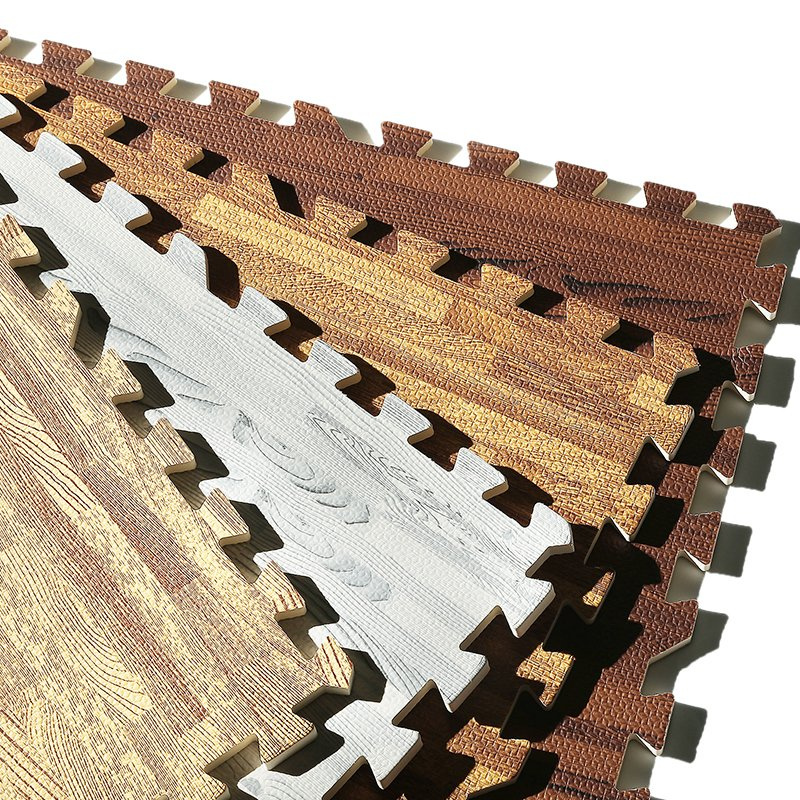
The choice of materials and design elements in puzzle mats plays a critical role in determining their overall effectiveness and safety for users, particularly for children. Selecting the right materials not only enhances durability but also impacts the health and safety of users. Furthermore, thoughtful design can contribute to a more engaging and secure play environment.
The materials used in puzzle mats vary widely, each offering unique advantages that cater to different needs and preferences. Common materials include:
Types of Materials Used in Puzzle Mats
The selection of material is fundamental in ensuring that puzzle mats serve their purpose effectively while also prioritizing user safety. Here are the most common materials used:
- EVA Foam: This lightweight and durable material is often used in puzzle mats due to its shock-absorbent properties, making it ideal for play areas. EVA foam is soft to the touch, providing a comfortable surface for children to play on.
- Rubber: Known for its durability and excellent grip, rubber mats are less prone to slipping, which enhances safety. They are also resilient and can withstand heavy use, making them perfect for high-traffic areas.
- Polyester: Often used in combination with other materials, polyester provides a soft texture and is easy to clean. It’s less common but can be advantageous for indoor use.
The significance of using non-toxic and hypoallergenic materials cannot be overstated, especially in products designed for children. These materials ensure that the mats do not release harmful chemicals that could pose health risks. Factors to consider include:
Importance of Non-Toxic and Hypoallergenic Materials
Children are especially vulnerable to harmful substances, and using safe materials in play products is crucial.
- Non-Toxic: Ensuring that the materials are free from harmful chemicals like phthalates and heavy metals helps protect children’s health during play.
- Hypoallergenic: Materials that do not trigger allergic reactions are essential, especially for children with sensitive skin or allergies. This feature reduces the risk of irritations during playtime.
Design features play a vital role in enhancing the usability and safety of puzzle mats. A well-thought-out design can prevent accidents and promote a positive play experience.
Design Features Enhancing Usability and Safety
Incorporating specific design elements can greatly enhance the functionality and safety of puzzle mats.
- Interlocking Pieces: The interlocking mechanism prevents the mat from slipping apart during play, creating a stable surface that reduces the risk of tripping hazards.
- Textured Surfaces: Adding textures to the surface can provide better traction, making it less likely for children to slip and fall while playing.
- Bright Colors and Patterns: Visually stimulating designs can engage children’s attention and encourage imaginative play, while also helping to define play areas clearly.
In summary, thoughtful material selection and innovative design features are paramount in creating puzzle mats that are both functional and safe. These aspects not only contribute to a child’s development and enjoyment but also ensure peace of mind for parents and caregivers.
Puzzle mats are versatile and can be used in various settings beyond just playrooms or nurseries.
Puzzle mats are more than just colorful interlocking pieces that provide a safe play area for children. Their versatility allows them to serve multiple functions in different environments, enhancing not only play areas but also educational and therapeutic spaces. By adapting their design and functionality, puzzle mats can meet the diverse needs of various settings, from schools and daycare centers to therapy and rehabilitation facilities.
Usage in Educational Settings
In schools and daycare centers, puzzle mats create a dynamic learning environment that promotes both play and education. The soft, cushioned surface is ideal for young children who are still developing their motor skills. Puzzle mats can also be used to define specific zones within classrooms, helping to organize learning activities. For instance, they can delineate areas for group work, quiet reading, or creative play. This spatial organization aids in managing classroom flow and keeps children engaged in their activities.
Additionally, colorful designs and letters or numbers printed on puzzle mats can serve as excellent educational tools. Educators can incorporate these mats into lessons, using them as interactive resources for teaching shapes, colors, and basic math concepts. The tactile nature of the mats allows children to physically engage with their learning materials, making education more immersive.
Therapeutic Applications
Puzzle mats are increasingly being utilized in therapy and rehabilitation settings, particularly for physical activities. Their soft and supportive structure makes them an excellent choice for various therapeutic exercises, promoting safety and comfort during movement. For instance, in physical therapy sessions, patients can perform stretching and strengthening exercises on puzzle mats without the fear of slipping or injuring themselves.
These mats can also aid in balance and coordination training. Occupational therapists often use puzzle mats to create obstacle courses that challenge patients to navigate different textures and colors, which can enhance sensory processing skills. In addition, their customizable design allows therapists to adjust the layout according to the specific needs of a patient, facilitating a tailored approach to rehabilitation.
The adaptability of puzzle mats makes them suitable for a range of environments. Their ability to be designed with various themes and colors can align with the atmosphere of any space, whether it’s a vibrant classroom filled with energetic students or a calming therapy room focused on healing. This flexibility not only enhances the aesthetic appeal of these spaces but also supports the functional needs of users, making puzzle mats a valuable addition to diverse settings.
Choosing the right size and thickness of puzzle mats is essential for optimal use and comfort.
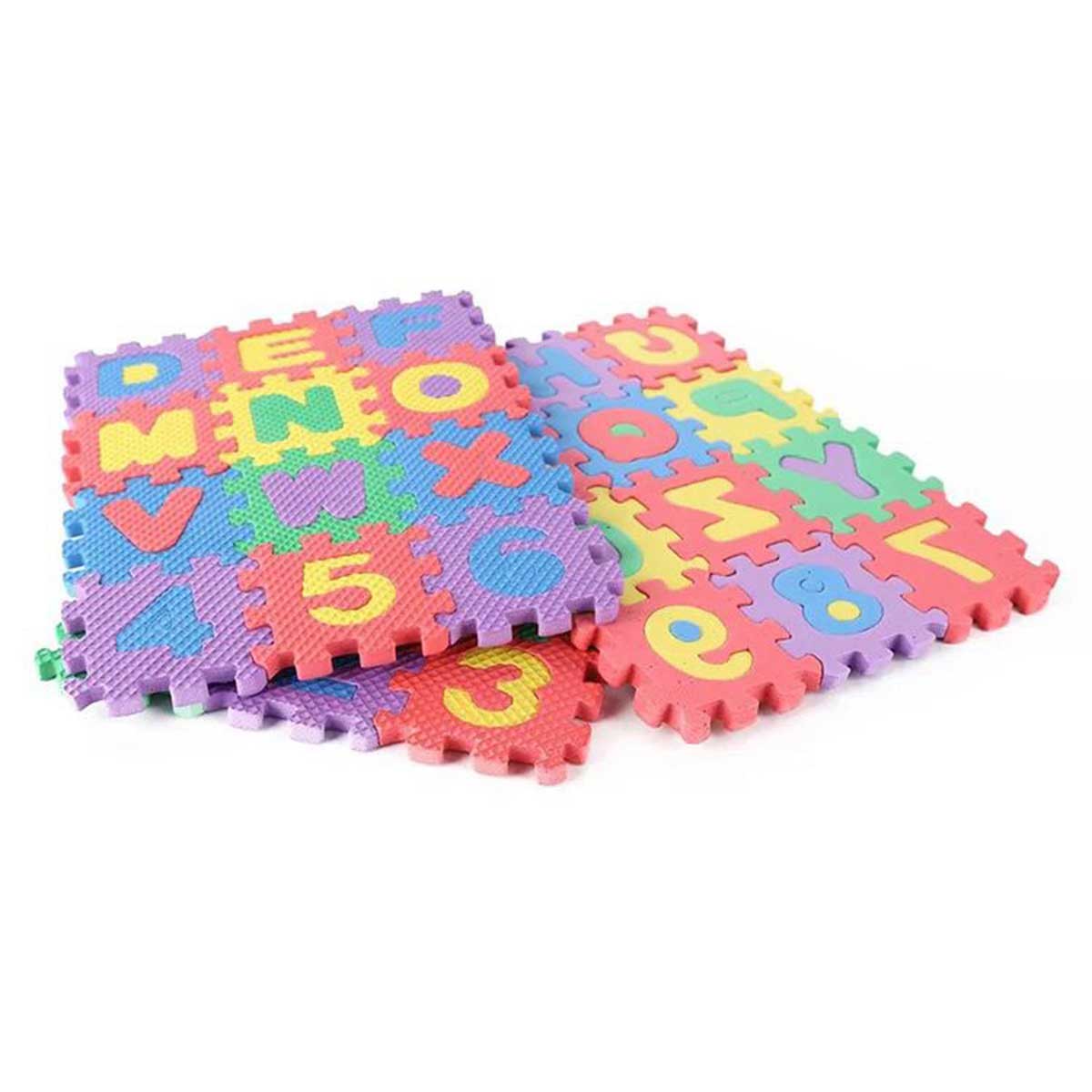
When it comes to selecting puzzle mats, understanding the importance of size and thickness cannot be overstated. These factors significantly influence the comfort and safety of play areas, especially for children. Ensuring the right fit can enhance the overall experience and prevent accidents.
Guidelines for Selecting Appropriate Size
Choosing the right size for your puzzle mats requires consideration of the specific space they will be used in. To ensure the mats fit well and provide ample room for play, consider the following guidelines:
- Measure the Area: Start by measuring the space where the mats will be placed. This includes accounting for any furniture or obstacles that might take up space.
- Age and Activity Level: Consider the age of the children who will use the mat. Younger children may require a larger area for rolling and crawling, while older children might need space for more active play.
- Type of Activities: Think about the activities that will take place on the mat. If you expect a lot of movement, a larger size may be beneficial to prevent kids from playing off the edge of the mat.
- Expandable Options: Look for puzzle mats that can be easily added to or rearranged. This flexibility allows for adapting the size as needed, especially in growing families.
Impact of Mat Thickness on Safety and Comfort
The thickness of puzzle mats plays a critical role in ensuring safety and comfort during play. Thicker mats generally provide more cushioning, which is essential for preventing injuries. Here’s why mat thickness matters:
- Shock Absorption: Thicker mats offer greater shock absorption, reducing the impact of falls. This is especially important for toddlers who are just learning to stand and walk.
- Surface Comfort: A thicker mat can provide a more comfortable surface for prolonged play. Children can sit, crawl, and play without the discomfort that thinner mats may cause.
- Insulation from Cold Floors: In colder environments, thicker mats can help insulate children from chilly flooring, making playtime more enjoyable.
- Durability: Generally, thicker mats are more durable and can withstand the wear and tear of active play better than thinner options.
Preventing Accidents and Injuries through Proper Sizing
Proper sizing of puzzle mats is crucial in preventing accidents and injuries. A well-fitted mat can significantly decrease the likelihood of slips, trips, and falls. Key points to consider include:
- Edge Safety: Mats that are too small may have exposed edges, increasing the risk of tripping. Always ensure mats cover the intended area without leaving gaps.
- Integration with Other Play Equipment: Ensure mats are large enough to accommodate any additional play structures or toys to avoid collisions or falls.
- Stable Placement: A properly sized mat will lay flat and stable on the ground, reducing sliding or shifting during use, which can lead to accidents.
- Room for Movement: Allow for enough space around the mat for children to move freely without risk of bumping into furniture or walls.
Puzzle mats can be creatively incorporated into themed play and educational setups.
Puzzle mats are more than just a play surface; they can enhance imaginative play and education by transforming spaces into vibrant themed environments. By incorporating puzzle mats into various themes, children can delve deeper into their imaginative worlds, making learning and playtime more engaging and interactive.
Puzzle mats serve as versatile tools that can easily complement themed play areas, such as jungle or ocean themes. They can add a tactile and colorful element that invites children to explore and learn through play. For instance, a jungle-themed setup can be enhanced with green and brown puzzle mats, resembling grass and earth, while ocean-themed areas can utilize blue and sandy colored mats to simulate a beach or underwater experience.
Integration into Interactive Story-telling Sessions
Using puzzle mats in story-telling sessions can enhance creativity and engagement by providing a visual and physical representation of the story being told. Here are some ideas to effectively incorporate puzzle mats into story-telling activities:
- Story Map Creation: Use different colored mats to represent various locations in the story. For example, a mat could symbolize a forest, another an ocean, and another a mountain. Children can physically move from one mat to another as the story progresses, making the narrative more dynamic and interactive.
- Character Zones: Designate specific mats as zones for different characters in the story. Children can stand on or sit on these mats when it’s their character’s turn to speak or act, fostering a sense of participation and teamwork.
- Thematic Props: Enhance the storytelling experience by placing thematic props on the mats. For instance, in a jungle-themed story, plush animals, leaves, and explorer hats can be placed on the mats, allowing children to immerse themselves further in the narrative.
Integration into Seasonal Activities or Celebrations
Puzzle mats can also be creatively used in seasonal activities and celebrations, adding an extra layer of excitement to festivities. By tailoring the mats to specific seasons or holidays, children can enjoy unique, themed experiences. Here are some ideas to consider:
- Winter Wonderland: Create a snowy landscape using white and light blue puzzle mats during the winter holidays. Incorporate snowflakes and winter-themed decorations, allowing children to engage in winter-themed games and crafts.
- Halloween Adventure: Utilize orange and black mats along with spooky decorations to create a Halloween-themed space for games or trick-or-treating activities. Children can traverse through different ‘spooky’ zones represented by different sections of the mats.
- Spring Garden: Use bright, flower-patterned puzzle mats to mimic a garden during spring activities. Incorporate planting activities, where children can sit on the mats while learning about different flowers and gardening techniques.
The maintenance and cleaning of puzzle mats are crucial for ensuring hygiene and longevity.
Puzzle mats are a popular choice for play areas, offering both comfort and safety for children. However, they also require regular maintenance and cleaning to ensure they remain hygienic and durable. Proper care not only prolongs the life of the mats but also protects the health of your little ones. With children often engaging in messy activities, it’s essential to establish a routine that keeps these mats clean and sanitized.
To maintain the hygiene and longevity of puzzle mats, it is vital to implement effective cleaning and sanitizing practices. Regular cleaning helps remove dirt, allergens, and bacteria that can accumulate over time, especially in households with active children. It’s recommended to wipe down the mats daily with a damp cloth to remove surface dirt. For deeper cleaning, take the mats outside and spray them with a mild soap solution, scrubbing gently with a soft brush. After scrubbing, rinse thoroughly with clean water to remove any soap residue.
To effectively sanitize the mats, use a non-toxic disinfectant spray that is safe for children’s toys. Allow the mats to air dry completely in a well-ventilated area to prevent mold and mildew growth. Neglecting these cleaning practices can lead to various long-term issues. For instance, dust mites and bacteria can thrive in unclean environments, potentially causing respiratory problems and allergies in children. Additionally, accumulated dirt can lead to faster deterioration of the mat’s materials, making them less effective at cushioning falls and providing safety during play.
When considering cleaning supplies for puzzle mats, it is essential to use products that are effective yet safe for children. The following checklist Artikels recommended items for maintaining your puzzle mats:
Recommended Cleaning Supplies
To ensure the safety and cleanliness of puzzle mats, having the right cleaning supplies is essential. The following list includes items that are both effective for cleaning and safe for children’s play areas:
- Soft microfiber cloths for gentle wiping
- Non-toxic dish soap for daily cleaning
- Mild disinfectant spray or wipes specifically designed for toys
- Soft-bristled brush for scrubbing
- Freshwater for rinsing
- Bucket for mixing cleaning solutions
- Vacuum cleaner with a soft brush attachment for removing dust and debris
Incorporating these cleaning supplies into your routine will help maintain the integrity and safety of puzzle mats, ensuring a clean environment for children’s play and activities.
The impact of puzzle mats on physical development and motor skills in children is significant.
Puzzle mats are more than just colorful and engaging play surfaces; they play a crucial role in the physical development of children. These mats provide a safe and soft area for children to explore their movements, facilitating various activities that can enhance both gross and fine motor skills. The textured surfaces and interlocking designs encourage children to engage in play that promotes balance, coordination, and strength. As children crawl, roll, and eventually walk on these mats, they are developing essential physical skills that lay the foundation for further movement and sports activities.
Different activities on puzzle mats can promote physical fitness effectively, transforming playtime into a valuable exercise routine. By participating in various movements, children can engage multiple muscle groups and enhance their overall physical capabilities. For instance, the mats can be used for crawling races, where children develop their crawling technique and strengthen their arms and legs. Alternatively, jumping or hopping games can be introduced, which improve coordination and balance.
Activities that can be conducted on puzzle mats include:
- Crawl and Reach: A simple game where children are encouraged to crawl from one end of the mat to another while reaching out for toys. This activity strengthens shoulders, arms, and core muscles.
- Animal Walks: Children can imitate animals (like crab walking or bear crawling) across the mat. This fun exercise enhances coordination and engages multiple motor skills at once.
- Balance Games: Placing small toys or markers on the mat for children to walk to and from promotes balance and enhances their stability while moving.
- Jumping Challenges: Create patterns or shapes on the mats that children must jump between, improving their leg strength and agility.
- Yoga for Kids: Introduce simple yoga poses on the mats. This activity fosters flexibility and body awareness while calming their mind.
Age-appropriate movements and exercises that can be performed on puzzle mats vary based on the child’s developmental stage. For infants, tummy time is vital and can be enhanced by placing colorful toys on the mat to encourage reaching and rolling. As children grow, activities like simple obstacle courses can be created using the mats, allowing toddlers to navigate through tunnels and over small barriers, fostering their problem-solving skills and physical fitness. By incorporating these exercises, children not only have fun but also develop crucial physical abilities that will benefit their overall health and growth.
Puzzle mats can also serve as a decorative element in children’s spaces.
Puzzle mats are not only practical for playtime but also serve as a delightful decorative element in children’s rooms. They can be tailored to fit the overall aesthetic of the space while providing a safe and comfortable area for kids to engage in various activities. The right choice of puzzle mats can enhance the room’s decor significantly, making it more inviting and fun for young ones.
When selecting puzzle mats, consider the existing color palette and design theme of the room. Puzzle mats come in an array of colors and patterns, making it easy to find options that blend seamlessly with the decor or create a striking focal point. Soft pastels can complement a serene nursery, while vibrant, bold colors can enliven a playroom. The selection of colors can also have psychological effects on children; for instance, blues and greens are often calming, while reds and yellows can stimulate energy and creativity.
Variety of colors and designs available
The market offers a diverse range of puzzle mats that cater to different tastes and preferences, ensuring that parents can find the perfect match for their child’s space. Understanding the psychological impact of colors and designs can guide better selections for children’s play areas.
– Soft and Pastel Colors: These are ideal for creating a soothing environment. Shades like mint green, soft pink, and pale blue can contribute to a calming atmosphere, perfect for nurseries or quiet play areas.
– Bright and Bold Colors: Utilizing bright colors such as red, yellow, and orange can energize a play area, sparking creativity and playfulness. These colors are effective in stimulating children’s imagination and encouraging active play.
– Themed Designs: Puzzle mats come in themes ranging from animals to geometric shapes, which can enhance imaginative play. A mat featuring a jungle theme, for example, can inspire storytelling and role-play among children.
– Educational Mats: Many puzzle mats incorporate letters, numbers, or maps. These provide a dual function as both a play area and a learning tool, engaging children while decorating their space.
Creating a visually appealing play area involves more than just choosing the right mats; it’s about arranging them thoughtfully to maximize their decorative and functional qualities. For instance, a spacious playroom can be segmented with different colored puzzle mats to define separate areas for various activities—one for arts and crafts, another for reading, and yet another for active play.
By selecting complementary colors and patterns, and arranging them in a way that fosters creativity and interaction, parents can transform any room into a vibrant, playful haven. Consider the following ideas:
– Color Blocking: Use mats of different colors to create visually distinct zones within the play area. This can help children understand boundaries and designate areas for specific activities.
– Layering with Other Decor: Incorporate puzzle mats with other decorative elements such as wall art, curtains, and furniture in matching or contrasting colors to tie the room together cohesively.
– Interactive Elements: Add toys, cushions, and other play items that resonate with the colors or themes of the puzzle mats, creating a harmonious look while enhancing playability.
Incorporating puzzle mats into children’s spaces not only elevates the decor but also influences the way children interact with their environment, making their playtime more engaging and enjoyable.
Final Thoughts
In summary, puzzle mats are versatile tools that not only add to the aesthetic of children’s spaces but also serve as essential resources for their development. From enhancing cognitive skills to supporting physical fitness, these mats can be integrated into various settings to maximize their benefits. By choosing the right materials, sizes, and designs, puzzle mats can transform playtime into enriching educational experiences.
Question & Answer Hub
Are puzzle mats safe for infants?
Yes, many puzzle mats are made from non-toxic, hypoallergenic materials designed specifically for infants and young children.
How do you clean and maintain puzzle mats?
Puzzle mats can be cleaned with mild soap and water. Regular maintenance includes wiping them down to prevent dirt buildup and ensuring they are completely dry before storing.
Can puzzle mats be used outdoors?
While some puzzle mats are suitable for outdoor use, it’s important to check the manufacturer’s recommendations, as exposure to the elements can affect their durability.
What sizes do puzzle mats come in?
Puzzle mats are available in various sizes to accommodate different play areas, ranging from small individual pieces to larger sets that cover more extensive spaces.
Are there specific activities recommended for puzzle mats?
Yes, activities like building blocks, story-telling sessions, and interactive games can be effectively conducted on puzzle mats to enhance learning and development.