 Nolan Paxton
Family games have long been a cherished tradition that brings loved ones together for laughter and bonding. Engaging in games not only fosters close relationships but also creates lasting memories that can be fondly recalled for years to come. From board games to outdoor activities, these experiences help bridge communication gaps and strengthen family ties.
Whether it’s a competitive board game night or an adventurous outdoor challenge, family games cater to various interests and age groups, ensuring that everyone has a chance to participate and enjoy. By creating an inclusive atmosphere, families can connect on different levels while having a great time, making these games an essential part of family life.
Family games enhance bonding experiences among family members.
Family games play a crucial role in strengthening the emotional connections among family members. In today’s fast-paced world, where each member often retreats to their own digital devices, games serve as a refreshing way to foster togetherness and communication. The shared laughter, teamwork, and sometimes friendly competition found in family gaming create memories that last a lifetime. These experiences help to break down barriers, encourage open communication, and instill a sense of belonging, making family game time an essential tradition.
Games are not only a source of entertainment; they are also educational tools that help family members understand each other better. Through gameplay, individuals learn important life skills such as strategy, patience, and empathy. For instance, cooperative games require players to work together towards a common goal, strengthening teamwork and collaboration. Similarly, competitive games can highlight individual strengths and weaknesses, providing opportunities for supportive feedback and encouragement.
Examples of Family Games to Strengthen Relationships
When considering games that can foster family bonding, it’s essential to choose those that encourage interaction and engagement among all members, regardless of age. Here are some popular examples:
- Charades: This timeless party game requires players to act out words or phrases without speaking, promoting creativity and laughter. It encourages family members to think outside the box and appreciate each other’s unique interpretations.
- Uno: A classic card game that is easy to learn yet engaging for all ages. It fosters strategic thinking and friendly rivalry, while also providing plenty of opportunities for playful banter.
- Scrabble: This word game challenges players to form words on a board with letter tiles. Beyond simply scoring points, Scrabble enhances vocabulary and sparks conversations about words and meanings, making it a fun learning experience.
- Jenga: A game of physical skill and balance that can lead to moments of suspense and excitement. Playing Jenga together can generate laughter and cheers, reinforcing teamwork and patience.
- Board Games like Monopoly or Catan: These games encourage critical thinking and planning. They provide a platform for family discussions, negotiations, and even light-hearted disagreements that can strengthen relationships over time.
In addition to these games, incorporating family traditions around gaming nights can further bolster relationships. Establishing a routine, such as a weekly game night, not only sets aside dedicated time for family connection but also creates anticipation and excitement for everyone involved. As family members gather around the table, the atmosphere is filled with joy, engagement, and mutual support, all of which are vital in strengthening family bonds.
Various types of family games cater to different age groups and interests.
Family games serve as a wonderful way to bring generations together, fostering connections and creating cherished memories. A variety of games are designed to suit the diverse preferences and skills of family members across different age ranges. This allows everyone from toddlers to adults to engage in fun activities that are both entertaining and educational, ensuring that everyone feels included.
To effectively engage family members of all ages, it’s essential to consider the types of games available. Below is a categorized list of games tailored for toddlers, teenagers, and adults, highlighting their unique attributes and the experiences they offer.
Games for Toddlers, Teenagers, and Adults
For toddlers, games should focus on basic skills and sensory experiences. Teenagers often enjoy strategic and competitive gameplay, while adults may appreciate more complex games that stimulate critical thinking. Here’s a breakdown of suitable games for each age group:
- Toddlers:
- Animal Memory Game: This simple card-matching game helps toddlers develop their memory and cognitive skills while engaging with colorful animal images.
- Outdoor Ring Toss: A physical activity that improves hand-eye coordination and allows toddlers to enjoy the outdoors while learning to aim and throw.
- Shape Sorter Toys: These interactive toys teach toddlers about shapes and colors through a playful and tactile experience.
- Teenagers:
- Codenames: A word-based game that promotes teamwork and critical thinking, ideal for teenagers who enjoy strategy and social interaction.
- Charades: An engaging acting and guessing game that encourages creativity and laughter, making it perfect for larger gatherings.
- Capture the Flag: A popular outdoor game that combines strategy and physical activity, appealing to teenagers’ competitive spirit.
- Adults:
- Catan: A classic board game that involves resource management and trading, allowing adults to engage in strategic planning and negotiation.
- Cards Against Humanity: A humorous card game that explores social commentary, perfect for adults looking for lighthearted entertainment.
- Trivia Night: Hosting trivia games can stimulate conversation and intellectual engagement, allowing adults to showcase their knowledge across various topics.
Engagement varies greatly across age groups; toddlers thrive in interactive play that enhances their developing motor skills, while teenagers seek challenges that promote competition and teamwork. Adults often benefit from games that stimulate their strategic thinking and social interaction, making each game night a unique experience. By selecting the appropriate games for each age group, families can ensure that everyone is included and entertained, creating lasting bonds through shared laughter and learning.
The role of strategy in family games can help develop critical thinking skills.

Family games have always served as a platform for entertainment, but they also play a significant role in cognitive development, particularly in strategic thinking. Engaging in family games encourages players to analyze situations, anticipate opponents’ moves, and devise plans to achieve their goals. These activities not only enhance the fun but also cultivate essential life skills that extend beyond the game itself.
Strategic thinking in games involves planning, foresight, and the ability to make informed decisions based on current circumstances. By engaging in challenges that require careful consideration and tactical execution, family members can improve their problem-solving abilities and critical thinking skills.
Games that enhance strategic thinking and problem-solving
Many family games are designed specifically to foster strategic thought and cognitive engagement. The following games are notable for their ability to enhance critical thinking:
- Chess: A classic game that teaches players to think multiple steps ahead, analyze the board, and anticipate their opponent’s strategy. It promotes deep analytical skills and pattern recognition.
- Settlers of Catan: This resource management game requires players to negotiate, strategize resource allocation, and plan long-term goals to expand their settlements while competing against others.
- Ticket to Ride: Players must make strategic choices in route planning while balancing their own needs against potential competition, enhancing spatial reasoning and foresight.
- Risk: A game of global domination that encourages players to develop strategies for territorial expansion, alliances, and conflict management, nurturing skills in negotiation and long-term planning.
The table below highlights the strategic elements of the selected games:
| Game | Strategic Element | Cognitive Skills Enhanced |
|---|---|---|
| Chess | Multi-move planning, opponent anticipation | Analytical thinking, problem-solving |
| Settlers of Catan | Resource management, negotiation | Decision-making, strategic planning |
| Ticket to Ride | Route planning, competition assessment | Spatial reasoning, foresight |
| Risk | Territorial expansion, alliance formation | Negotiation, long-term strategy |
“Family games provide a unique environment where strategic thinking can flourish, allowing players to develop skills that are applicable in real-world situations.”
Engaging in these games opens avenues for family members to learn from each other, share insights, and deepen their strategic thinking capabilities. The social aspect of family games also reinforces the importance of teamwork and collaboration, providing a holistic approach to cognitive development.
Family games can be used as educational tools for children.
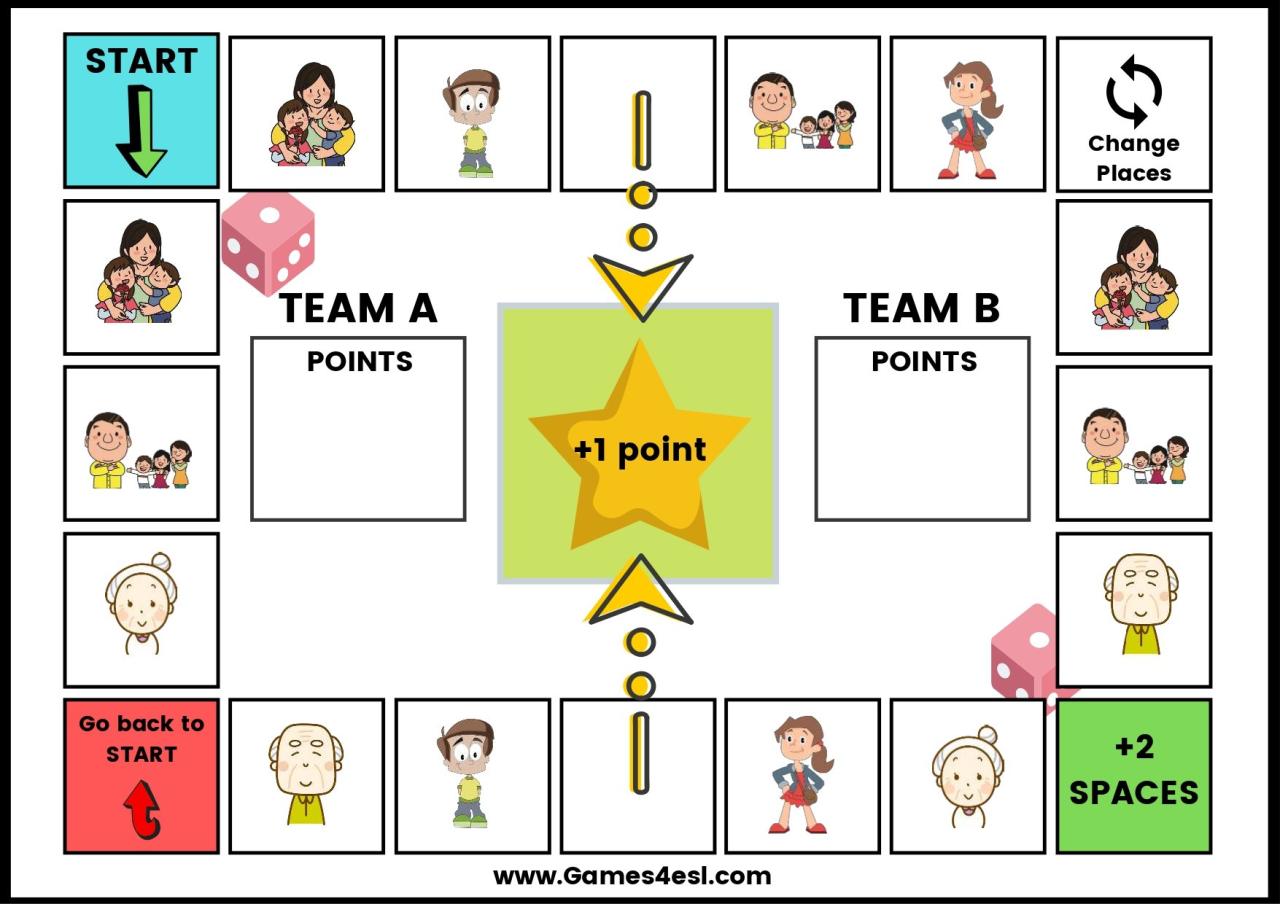
Family games offer a unique blend of fun and learning, serving as an innovative approach to education. By engaging children in activities that require critical thinking, problem-solving, and teamwork, families can foster essential life skills while enjoying quality time together. Incorporating educational games into family activities not only enhances children’s cognitive abilities but also promotes social skills, making learning enjoyable and effective.
Educational benefits and examples of family games
Several family games are designed specifically to teach important concepts like math, language, and teamwork. These games can transform ordinary family bonding time into valuable learning experiences. Below is a list of educational family games along with the skills they help develop.
- Scrabble: This classic word game enhances vocabulary, spelling, and strategic thinking. Players create words on a game board using letter tiles, fostering language development while encouraging players to think creatively and critically about word placement.
- Monopoly: While primarily a real estate trading game, Monopoly teaches basic math skills, financial literacy, and strategic planning. Players learn about money management, investment, and the consequences of risk-taking, providing a comprehensive understanding of economics.
- Team-building charades: This game promotes teamwork and communication skills. Players act out words or phrases without speaking, encouraging cooperation and non-verbal communication. This can enhance not only social skills but also emotional intelligence as players learn to interpret body language and expressions.
Incorporating these games into family routines can significantly benefit children’s development. For instance, Scrabble not only builds vocabulary but also improves spelling and cognitive agility as players strategize their moves. Monopoly challenges players to apply math in real-life scenarios, such as budgeting and calculating profits or losses. Charades, on the other hand, fosters communication skills and promotes a sense of teamwork, crucial for group dynamics. By engaging in these games, families can create a rich learning environment that encourages intellectual growth while having fun together.
Organizing a family game night can bring everyone together for fun and laughter.
Family game nights are an excellent way to foster connection and joy among family members. These events not only provide a break from the daily grind but also create lasting memories filled with laughter and fun. By planning a game night, you are engaging in an activity that can strengthen familial bonds and encourage teamwork. Below is a step-by-step guide to ensure a successful family game night.
Step-by-Step Guide to Planning a Family Game Night
To create an enjoyable atmosphere for your family game night, it’s essential to consider several factors including the space, games, and snacks. Here’s how to do it:
1. Choose the Right Space
Select an area in your home that is spacious and comfortable. This could be your living room, basement, or even in the backyard if the weather permits. Ensure that there are enough seats for everyone and that the area is free of distractions such as televisions or mobile devices.
2. Select Games That Everyone Will Enjoy
The choice of games is crucial to the success of game night. Consider games that cater to a variety of ages and interests to keep everyone engaged. Classic board games like Monopoly or Clue can be fun, while card games like Uno or even charades can add excitement. You might also consider video games if they are suitable for all ages.
“The right game can transform a good night into a great one.”
3. Prepare Delicious Snacks
Snacks are an integral part of any game night. Prepare easy-to-eat finger foods that everyone can enjoy without interrupting the flow of the games. Options like popcorn, nachos with cheese, veggie platters, and mini sandwiches work well. Having a variety of snacks ensures that there’s something for everyone’s taste.
4. Set the Mood
Create a cozy atmosphere with good lighting and comfortable seating. You might want to have some background music that is light and not too distracting. This sets a pleasant tone and enhances the overall experience.
5. Establish a Game Night Tradition
The significance of creating traditions around game nights is immense. Regularly scheduled game nights—whether weekly or monthly—can become a cherished family tradition. They help instill a sense of belonging and continuity. These traditions can be further embellished by annual tournaments or themed nights where everyone dresses up according to the game theme.
Game nights can become a highlight of the week, bringing laughter and joy while promoting cooperation and good sportsmanship. They serve as moments where families can reconnect, share stories, and create shared experiences that everyone will remember fondly for years to come.
Outdoor family games can offer health benefits and promote physical activity.
Engaging in outdoor family games is not just about having fun; it also plays a vital role in maintaining a healthy lifestyle. These activities provide a fantastic opportunity for families to bond while promoting physical fitness. Whether it’s a competitive game or a leisurely activity, outdoor games encourage movement and exercise in a playful manner.
Participating in outdoor games as a family can significantly enhance physical health, providing numerous benefits ranging from improved cardiovascular health to increased muscle strength. These games facilitate physical activity naturally, making it easier for families to incorporate fitness into their daily routines.
Outdoor games that engage families in physical activity
Integrating exercise into family time can take many forms. Here’s a list of popular outdoor games that can engage families together while boosting their physical activity levels:
- Tag: A classic game that promotes sprinting and agility, tag gets everyone moving and laughing, making it perfect for all ages.
- Frisbee: Throwing a frisbee requires coordination and running to catch it, enhancing hand-eye coordination and cardiovascular fitness.
- Kickball: Combining elements of baseball and soccer, kickball not only involves kicking and running but also enhances teamwork among family members.
- Hide and Seek: This game often involves running and quick movements, which can be quite a workout, especially for children.
- Obstacle Course: Setting up a homemade obstacle course can challenge family members to climb, crawl, and jump, promoting overall fitness and endurance.
Engaging in these outdoor games not only provides exercise but also fosters a sense of community and teamwork within families. The joy of playing together creates lasting memories, while each activity contributes to better health.
“Outdoor play increases physical health, boosts mood, and strengthens family bonds.”
The health benefits associated with playing outdoor games are significant. Regular participation can lead to improved cardiovascular health, increased stamina, and enhanced strength. Additionally, playing outside exposes families to fresh air and Vitamin D, crucial for bone health and mood elevation. For example, a family that plays kickball weekly may find that their collective fitness levels improve while also experiencing less stress due to their time spent outdoors together.
As families engage in these activities, they build essential skills like cooperation, communication, and problem-solving, contributing to both physical and emotional well-being. The thrill and excitement of these games ensure that fitness is not seen as a chore but as an enjoyable part of family life.
Digital family games are becoming popular in modern households.
The rise of digital family games reflects a significant shift in how families engage and interact in today’s tech-savvy society. With more households adopting technology, digital games have become a staple in family entertainment, providing an interactive experience that transcends traditional board games. These games serve not only as a source of fun but also as a means of fostering connections among family members, allowing them to bond over shared experiences, even if they are physically distant.
The comparison between digital and physical games highlights their unique advantages and disadvantages. Physical games, such as board games and card games, promote face-to-face interactions, allowing players to experience the excitement of real-time competition and cooperation. However, they can be limited by the number of players and the availability of space. Digital games, on the other hand, offer a broader range of options and accessibility. They can be played on various devices, accommodating larger groups and even enabling remote play. Despite their advantages, digital games may sometimes lack the tactile enjoyment and social cues present in physical games.
Popular digital family games and their features
Several digital family games have gained popularity due to their engaging content and family-friendly design. These games often combine fun with educational elements, making them suitable for all ages. Here are a few noteworthy examples:
- Mario Kart 8 Deluxe: This racing game is beloved for its colorful graphics and engaging gameplay. Families enjoy racing against each other, and the game’s multiplayer feature allows for thrilling competitions. The ease of picking up the game makes it accessible to players of all skill levels.
- Skribbl.io: This online drawing and guessing game encourages creativity and teamwork. Players take turns drawing prompts while others guess the word, making it a fun and interactive experience suitable for mixed-age groups.
- Jackbox Party Packs: Each pack contains a variety of mini-games designed for large groups. The games cater to various interests, from trivia to drawing, and can be played using smartphones as controllers, making it easy for everyone to join in.
- Among Us: This social deduction game requires players to work together to complete tasks while identifying impostors within the group. Its emphasis on communication and strategy fosters teamwork and critical thinking, appealing to both kids and adults.
Each of these games promotes interaction and collaboration, emphasizing the importance of communication in a digital space. By blending fun and engagement, digital family games cater to a modern audience while reinforcing family ties, proving that technology can play a positive role in family bonding.
The impact of cultural background on the choice of family games.
Cultural background significantly influences the types of family games that are cherished and preferred across different societies. Games often reflect the values, history, and social dynamics of a culture, making them a vital aspect of family bonding. Understanding these influences can enrich family gaming experiences and open doors to diverse interactions.
Cultural traditions shape not only the types of games played but also the manner in which families engage with them. Different cultures prioritize various aspects of play, such as competition, cooperation, storytelling, or physical activity. This diversity showcases how family games can serve as a microcosm of broader cultural practices and beliefs.
Examples of traditional family games from various cultures
Traditional games offer a glimpse into the heritage and social customs of different cultures. Here are some notable examples of family games that can bring families together:
- Mahjong (China): A tile-based game that involves strategy, skill, and a touch of luck, often played in family gatherings to foster connection and friendly competition.
- Ludo (India): A classic board game that is popular among families, encouraging teamwork and strategic thinking as players race to get their pieces home.
- Kim’s Game (United Kingdom): A memory game that involves observing and recalling a set of items, promoting cognitive skills while being fun for families of all ages.
- Petanque (France): A form of boules where players throw metal balls to get as close to a target ball as possible, often played in parks, making it a social activity for families.
- Duck, Duck, Goose (United States): A playful game that encourages physical activity and interaction among children, often played during family reunions or gatherings.
These games provide more than just entertainment; they also serve as a vessel for cultural exchange. Families can learn about each other’s backgrounds and traditions, fostering a greater appreciation for cultural diversity. The shared experiences created through these games can enhance relationships, reinforce familial bonds, and cultivate a sense of belonging across generations.
Conclusive Thoughts
In conclusion, family games are more than just a way to pass the time; they are a vital part of nurturing relationships and promoting fun within the family unit. The variety of games available ensures that there is something for everyone, making it easy to include every family member in the fun. As families continue to create new traditions around game nights, they not only enhance their bonds but also build a legacy of joy and connection for future generations.
Clarifying Questions
What are some popular family games?
Some popular family games include Monopoly, Uno, Scrabble, charades, and Jenga, catering to various interests and age levels.
How can family games improve communication?
Family games encourage conversation and teamwork, helping family members express themselves and collaborate, which enhances communication skills.
What are the benefits of outdoor family games?
Outdoor family games promote physical activity, boost health, and encourage teamwork while providing a fun way to enjoy nature together.
Are digital family games as effective as traditional ones?
Digital family games can be just as effective, offering convenience and accessibility, but they may lack the face-to-face interaction found in traditional games.
How can I choose the right game for my family?
Consider the age group, interests, and preferences of your family members when selecting a game to ensure everyone can engage and enjoy.