 Nolan Paxton
Alphabet blocks have long been a staple in early childhood education, serving as more than just toys. These colorful blocks not only captivate children’s imaginations but also play a pivotal role in fostering cognitive development and literacy skills. By engaging with these blocks, children enhance their fine motor abilities while developing a love for learning.
From creative storytelling to interactive educational games, alphabet blocks offer countless opportunities to enrich the learning experience. Their evolution over time reflects both cultural influences and technological advancements, making them relevant in today’s diverse educational environments.
The Educational Benefits of Using Alphabet Blocks
Playing with alphabet blocks offers a rich, multifaceted learning experience for young children. These colorful and tactile toys are not only fun but also serve as valuable educational tools that promote various cognitive and physical skills. Through engaging with alphabet blocks, children develop their understanding of letters and words while honing essential skills that will benefit their future learning.
Cognitive Skill Development Through Play
Engaging with alphabet blocks can significantly enhance cognitive skills in young children. Here are three key areas where these skills are developed:
- Letter Recognition: Children learn to identify and differentiate letters as they manipulate the blocks. This foundational skill is crucial for future reading and writing.
- Problem-Solving Skills: As children experiment with arranging blocks into words or patterns, they engage in problem-solving, enhancing their ability to think critically and creatively.
- Spatial Awareness: Stacking and aligning blocks fosters an understanding of spatial relationships, which is important in math and science concepts later in life.
Support for Language Acquisition and Literacy
Alphabet blocks play a significant role in fostering language acquisition and literacy in early childhood education. As children interact with these blocks, they are exposed to letters, phonetics, and word formation.
The tactile nature of alphabet blocks promotes engagement, which can lead to increased vocabulary as caregivers and educators introduce new words associated with the letters and their sounds. For example, a child might learn the word “cat” while arranging the letters C, A, and T. This hands-on approach not only reinforces letter-sound correspondence but also encourages children to express themselves verbally as they experiment with words.
Enhancement of Fine Motor Skills and Hand-Eye Coordination
Playing with alphabet blocks is an excellent way to enhance fine motor skills and hand-eye coordination in young children. The actions of grasping, stacking, and aligning the blocks require precise movements that strengthen the small muscles in their hands and fingers.
Additionally, as children focus on fitting blocks together or stacking them without toppling, they develop hand-eye coordination. This skill is essential for various everyday tasks, such as writing, using utensils, and later, engaging in more complex activities like playing musical instruments or participating in sports.
In summary, alphabet blocks serve as a powerful educational resource that nurtures cognitive development, supports literacy, and enhances motor skills—all within a playful and engaging context that children naturally gravitate towards.
Creative Ways to Incorporate Alphabet Blocks into Learning
Incorporating alphabet blocks into learning activities can foster creativity and engagement in children. These versatile toys not only help with letter recognition but also provide a tactile experience that enhances cognitive skills. By integrating them into various storytelling and interactive games, educators and parents can create meaningful learning experiences that cater to different subjects and learning objectives.
Storytelling Activities That Promote Creativity
Using alphabet blocks in storytelling can spark imagination and allow children to express their thoughts creatively. Here are some effective methods to intertwine alphabet blocks with storytelling:
- Character Creation: Children can select blocks to form the names of characters in their stories. This helps them connect letters with sounds and encourages them to think creatively about their characters’ traits and backgrounds.
- Scene Building: Blocks can be used to create settings or scenes. By arranging the blocks to represent different elements of the story, children can visualize and narrate their tales more vividly.
- Interactive Story Prompts: Use blocks with letters to create prompts. For example, a block with the letter “M” could inspire a story about a “magical” event or a “mysterious” character, pushing kids to think outside the box.
- Story Sequencing: Alphabet blocks can be used to sequence events in a story. After drafting their narrative, children can arrange the blocks to represent the order of events, reinforcing the concept of narrative structure.
Interactive Games That Facilitate Learning
Interactive games utilizing alphabet blocks can be an effective way to facilitate learning across various subjects. These games not only make learning enjoyable but also encourage cooperation and problem-solving skills among children. Here are some examples:
- Alphabet Bingo: Create bingo cards with letters instead of numbers. As you call out letters, children can cover the corresponding blocks on their cards, making it an engaging way to practice letter recognition.
- Word Building Relay: Set up a relay race where children race to form words using blocks. This activity fosters teamwork while also reinforcing spelling and vocabulary.
- Math with Blocks: Use alphabet blocks to introduce basic math concepts. Assign numerical values to certain letters and have children create equations using their blocks, blending literacy with numeracy.
- Alphabet Scavenger Hunt: Hide blocks around a designated area and provide children with a list of letters to find. This encourages active participation while reinforcing letter recognition.
Themed Alphabet Block Activities Aligned with Learning Objectives
Designing themed activities with alphabet blocks can align learning experiences with specific educational goals. A focused approach can enhance retention and understanding of the subject matter. Here’s how to do it:
- Seasonal Themes: Create activities based on seasons or holidays. For instance, during autumn, children can use blocks to spell words related to harvest, such as “corn,” “leaf,” and “pumpkin,” integrating vocabulary lessons with seasonal themes.
- Subject Integration: Select a subject theme, like animals or space, and provide blocks that correspond to that topic. Children can build words or names related to the theme, such as “cat” or “planet,” reinforcing learning objectives in a fun way.
- Storybook Themes: Base activities around popular children’s books. After reading a book, children can use alphabet blocks to create their own versions of the stories, tying in comprehension and creativity.
- Community Culture: Incorporate local culture or history by using blocks to form names of local landmarks, symbols, or historical figures, fostering a sense of community while enhancing letter recognition.
The Evolution of Alphabet Blocks Over Time
Alphabet blocks have a rich history that showcases their transformation from simple wooden designs to the diverse range of modern variations we see today. Originally intended as a tool for early literacy, these blocks have evolved in both form and function, adapting to the changing needs of children and educational philosophies over the centuries. The journey of alphabet blocks reflects broader cultural trends and technological advancements that have shaped how children learn and interact with language.
The historical development of alphabet blocks dates back to the 19th century when they were primarily made from wood. Artisans would carve letters from solid blocks, often painting them in bright colors to attract children’s attention. These early designs emphasized tactile interaction, allowing children to physically manipulate the blocks while learning the alphabet. Over time, manufacturers began to incorporate new materials, such as plastic and cardboard, which allowed for more intricate designs and greater durability. Today, alphabet blocks come in various shapes, sizes, and themes, often featuring not just letters but also numbers, shapes, and even characters from popular culture.
Historical Development of Alphabet Blocks
The evolution of alphabet blocks is closely tied to historical educational trends and technological advancements. The following points highlight key milestones in the development of these educational tools:
- 19th Century: The inception of handcrafted wooden blocks, often featuring hand-painted letters and numbers, designed to promote literacy in young children.
- Early 20th Century: Introduction of mass production techniques that allowed for the creation of uniform, brightly colored blocks, thus broadening their appeal and availability.
- Late 20th Century: Shift towards plastic materials, enabling more creative designs and the incorporation of additional educational content, such as animals or shapes.
- 21st Century: The rise of digital technology has led to interactive alphabet blocks that incorporate sound and light, enhancing the learning experience through multisensory engagement.
Cultural influences have played a significant role in shaping the design and usage of alphabet blocks across the globe. In different parts of the world, alphabet blocks reflect local languages, traditions, and educational practices. For instance, in countries with non-Latin scripts, blocks may feature different alphabets or symbols, catering to the specific linguistic needs of children. Additionally, the cultural significance of play in various societies influences how these blocks are integrated into early childhood education.
Cultural Influences on Alphabet Block Design
The design and application of alphabet blocks have been molded by various cultural factors. This diversity is reflected in how different regions adapt these educational tools to suit their linguistic and educational contexts:
- Asia: Many Asian countries produce blocks that include characters from their unique scripts, such as Kanji in Japan or Chinese characters in China, promoting early literacy in native languages.
- Africa: Some African designs incorporate local imagery and storytelling elements, connecting the learning experience with cultural narratives and traditions.
- Europe: In various European nations, alphabet blocks often feature bilingual designs, reflecting the multilingual nature of many populations.
- North America: Blocks often include popular characters from children’s media, making them appealing to modern children while also promoting brand familiarity.
The impact of technology on the production and educational applications of alphabet blocks cannot be overstated. The infusion of digital technology has transformed traditional alphabet blocks into interactive learning tools. Many contemporary blocks are equipped with features such as sound recognition, where children can hear the pronunciation of letters and words as they play. This technological advancement enhances the educational value of alphabet blocks, making them more engaging and effective for early learning.
Technological Advancements in Alphabet Blocks
Technology has broadened the scope and utility of alphabet blocks in educational settings. The following points illustrate how innovations have changed the landscape:
- Interactive Learning: Digital blocks that respond to touch and voice, providing immediate feedback and reinforcing learning through interaction.
- Augmented Reality: Some modern blocks utilize AR technology, allowing children to see animated characters and scenarios when viewed through a smartphone or tablet.
- Integration with Educational Apps: Many blocks are designed to complement educational software, allowing for a seamless blend of physical and digital learning experiences.
- Inclusivity: Technology has enabled the creation of blocks that cater to children with disabilities, incorporating features that support various learning styles and needs.
“The evolution of alphabet blocks is not just about changes in design; it reflects the ongoing journey of learning and adaptation in a rapidly changing world.”
Comparing Traditional vs. Modern Alphabet Blocks
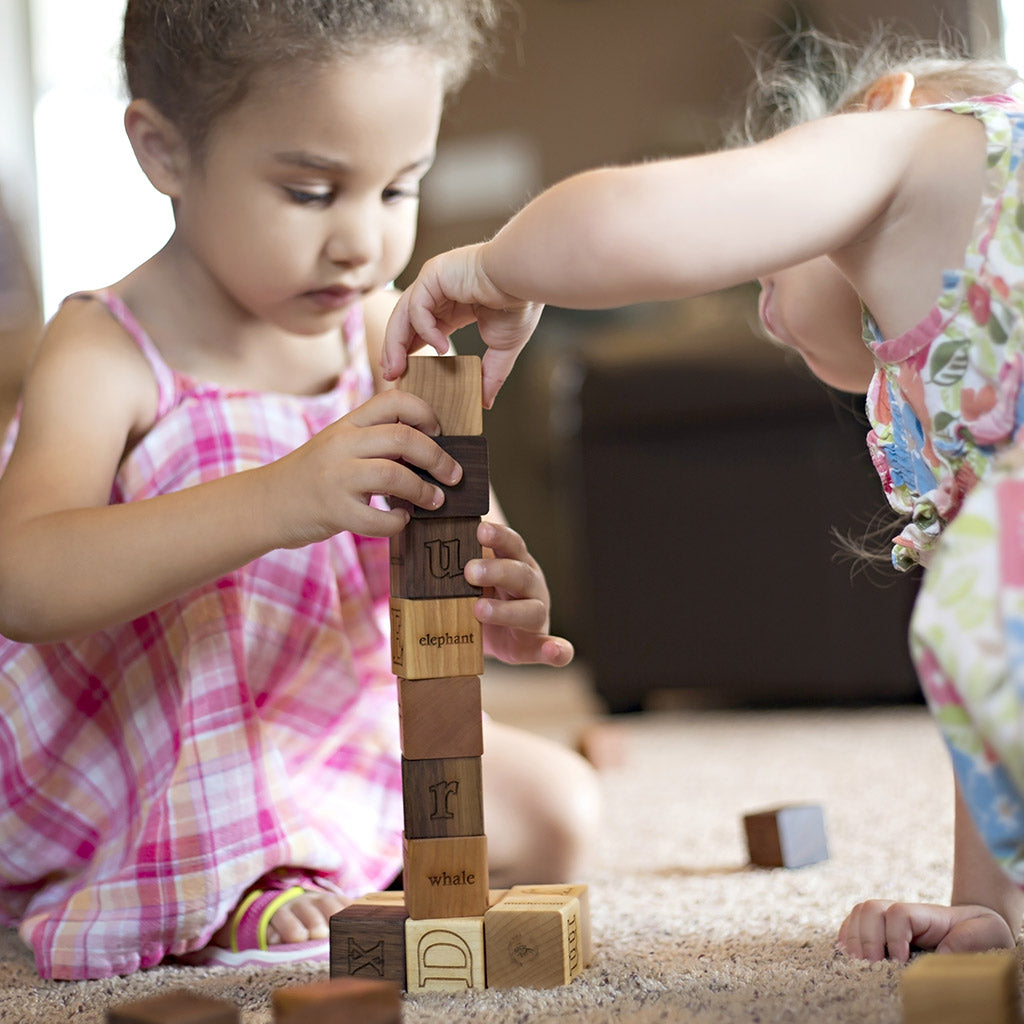
Alphabet blocks have long been a staple of early childhood education, serving as learning tools that facilitate language development and cognitive skills. As technology and design evolve, the market has expanded to include both traditional wooden blocks and modern plastic alternatives, each offering unique benefits and challenges. Understanding these differences can help parents and educators make informed decisions about which type of alphabet blocks best suits their needs.
Advantages and Disadvantages of Wooden vs. Plastic Alphabet Blocks
The choice between wooden and plastic alphabet blocks often boils down to their respective advantages and disadvantages, each impacting the play experience and educational effectiveness.
- Wooden Alphabet Blocks
- Durability: Wooden blocks are typically more durable, able to withstand rough play and last for generations.
- Tactile Experience: The natural texture of wood provides a satisfying tactile experience that many children enjoy.
- Non-toxic Materials: Most wooden blocks are made from non-toxic wood finishes, making them safer for young children.
- Environmental Impact: Wood is a sustainable resource when sourced from responsibly managed forests.
- Weight: Their heavier weight can make them less prone to being easily knocked over during play.
- Plastic Alphabet Blocks
- Interactive Features: Many modern plastic blocks come with interactive features, such as sound effects or lights, enhancing the learning experience.
- Variety of Designs: Plastic blocks are available in a wider range of colors and shapes, appealing to a broader range of children.
- Lightweight: Their lighter weight makes them easier for small hands to manipulate and less hazardous if dropped.
- Safety Concerns: Some plastic blocks may contain harmful chemicals if not manufactured to safety standards, posing potential risks.
- Less Eco-friendly: Plastic is less environmentally friendly due to issues with production and disposal.
Impact of Modern Designs on Play Experience
Modern alphabet blocks have transformed the traditional play experience through interactive designs that engage children in diverse ways. These enhancements often include features such as sounds, lights, and integration with digital platforms, providing a multi-sensory approach to learning.
- Interactive Learning: Many modern blocks respond to touches or alignments, offering auditory feedback that reinforces letter recognition.
- Learning Apps: Some blocks are designed to work alongside mobile applications, allowing children to engage in coordinated learning activities.
- STEM Integration: Advanced designs may incorporate elements that teach STEM concepts, fostering problem-solving skills alongside literacy.
- Customization: Parents can often choose themes or styles that reflect their child’s interests, making playtime more personalized and engaging.
- Social Interaction: The interactive elements encourage group play, promoting social skills as children work together to explore new features.
Safety Standards and Regulations for Alphabet Blocks
Safety is a paramount concern when it comes to children’s toys, and both traditional and modern alphabet blocks are subject to stringent safety standards and regulations. Understanding these can ensure that the blocks being used are safe for children.
- ASTM F963 Standards: In the United States, ASTM F963 is a set of safety standards that applies to toys, including alphabet blocks. It covers aspects such as choking hazards, sharp edges, and toxic materials.
- CEN EN71 Regulations: In Europe, the EN71 standards serve a similar purpose, ensuring toys are safe for children by regulating materials and construction.
- Non-toxic Certification: Many manufacturers voluntarily adhere to non-toxic certification processes, proving that their products are free from harmful chemicals like BPA, lead, and phthalates.
- Quality Assurance Testing: Regular quality assurance tests are conducted by manufacturers to ensure compliance with safety regulations, covering a range of toy testing requirements.
- Consumer Awareness: Educating parents about safety certifications and product recalls is essential to ensuring children’s safety during play.
Incorporating Alphabet Blocks in Different Learning Environments
Alphabet blocks are versatile educational tools that can enhance learning in various settings, including classrooms and homes. Their tactile nature and engaging designs stimulate children’s creativity and cognitive skills. This section explores strategies for incorporating alphabet blocks effectively in both environments, illustrating the potential for creating meaningful learning experiences.
Strategies for Classroom Use
Utilizing alphabet blocks in the classroom can significantly enrich literacy instruction. Teachers can leverage these blocks to promote collaborative learning and hands-on activities that cater to diverse learning styles. Here are some effective strategies:
- Group Activities: Arrange students in small groups to build words or sentences, fostering teamwork and communication skills.
- Interactive Stations: Set up learning stations where students rotate through different activities involving alphabet blocks, such as spelling games or creative storytelling.
- Visual Aids: Use alphabet blocks to create visual word walls in the classroom, providing a constant reference for students as they develop their reading skills.
Integrating Alphabet Blocks in Homeschooling Curricula
Alphabet blocks can be seamlessly integrated into homeschooling curricula to provide a structured yet flexible learning experience. Parents can tailor activities to their child’s interests and pace, making learning more engaging. Some examples of integration include:
- Daily Word Building: Parents can set aside time each day for building new words with alphabet blocks, reinforcing spelling and vocabulary.
- Storytelling Sessions: Encourage children to create stories using blocks as prompts, allowing them to express their creativity while developing narrative skills.
- Math Connections: Use alphabet blocks to introduce basic math concepts, such as counting or sorting, linking literacy with numeracy.
Adapting Activities for Diverse Learning Needs
It’s essential to recognize that children have varying learning needs and styles, and alphabet blocks can be adapted accordingly. Here are some methods for customizing activities to ensure inclusivity:
- Multi-Sensory Approaches: Incorporate different textures, colors, and sizes of blocks to stimulate various senses, catering to tactile or visual learners.
- Visual Supports: Provide visual aids or diagrams to help children understand how to arrange blocks for word formation, assisting visual learners.
- Flexible Difficulty Levels: Adjust the complexity of tasks based on each child’s skill level, ensuring that activities remain challenging yet achievable.
“Alphabet blocks provide not just a way to learn letters, but a means to explore language through play.” – Educational Specialist
The Role of Alphabet Blocks in Promoting Social Skills
Playing with alphabet blocks goes beyond just familiarizing children with letters and words; it also serves as a platform for developing essential social skills. When children engage in block play, they naturally interact with their peers, which fosters not only creativity but also important interpersonal relationships. Through cooperative play, they learn the art of teamwork, as they collaborate to build structures and create shared narratives.
Cooperative Play and Teamwork
Alphabet blocks encourage children to work together, enhancing their ability to cooperate with others. When children decide to build a tower or a city with blocks, they must communicate their ideas, negotiate roles, and combine their efforts effectively. This collaborative experience helps solidify social bonds and promotes a sense of belonging among peers.
- Children learn to share resources, taking turns with blocks to ensure everyone participates.
- Group block building activities promote leadership qualities as some children naturally take initiative while others support them.
- As they play, children develop problem-solving skills by discussing different strategies for construction and storytelling.
Communication Skills Development
Group activities involving alphabet blocks serve as an excellent opportunity for enhancing communication skills. Children must articulate their thoughts clearly, listen to their peers, and respond appropriately, all of which are critical components of effective communication.
- Verbal exchanges during play help children expand their vocabulary and refine their language skills.
- Children learn to express their feelings and ideas, which fosters emotional intelligence.
- Practicing scenarios in play allows them to understand non-verbal cues, such as gestures and expressions, enhancing overall communication.
Conflict Resolution During Playtime
Conflicts are a natural part of group play, and alphabet blocks can aid in teaching children how to resolve disputes amicably. When disagreements arise—whether about how to build or whose turn it is—children can learn valuable lessons in negotiation and compromise.
- Playing with blocks gives kids the chance to practice discussing their viewpoints calmly and constructively.
- They learn the importance of empathy by considering their friends’ feelings during disagreements.
- Conflict resolution skills gained through play can extend beyond the block area, influencing interactions in other aspects of their lives.
Ultimate Conclusion
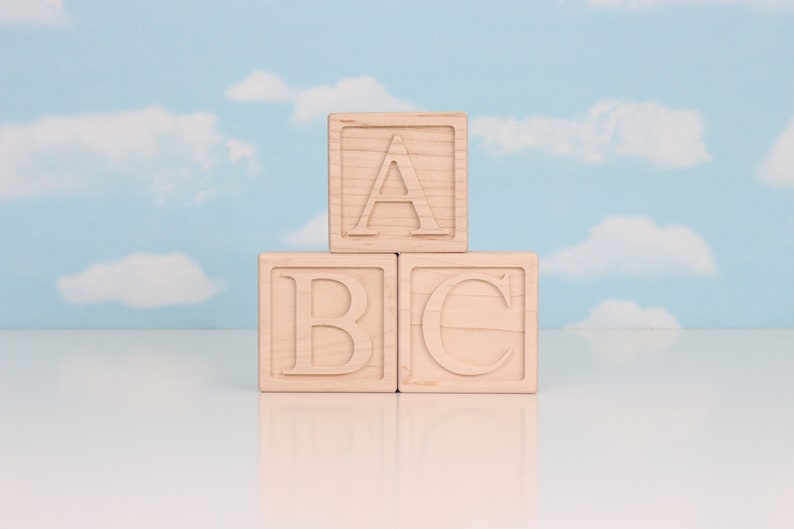
In conclusion, alphabet blocks stand out as a versatile educational tool that nurtures creativity, language skills, and social interaction among children. Whether at home or in classrooms, their myriad applications ensure that the journey of learning is both engaging and effective. As we embrace modern designs and methods, the timeless appeal of alphabet blocks continues to inspire young minds.
Helpful Answers
What age group is best suited for alphabet blocks?
Alphabet blocks are ideal for children aged 1 to 5, promoting early literacy and motor skills.
Are there any safety concerns with alphabet blocks?
Always ensure that blocks meet safety standards for materials and size to prevent choking hazards.
How can parents use alphabet blocks at home?
Parents can integrate alphabet blocks into daily activities, such as storytelling and spelling games, to enhance learning.
Can alphabet blocks be used in special education settings?
Yes, they can be adapted to meet diverse learning needs and styles, making them inclusive for all children.
Do modern alphabet blocks come with interactive features?
Many modern designs include technology-enhanced features, such as sound and lights, to make learning more engaging.