 Nolan Paxton
Stuffed animal lovers know that these plush friends are more than just toys; they are cherished companions that have traveled through history and cultures. From comforting children in times of need to serving as collectibles that spark joy across generations, stuffed animals hold a special place in our hearts and society. This exploration delves into the rich history, emotional benefits, therapeutic roles, and much more that define the world of stuffed animals.
The journey of stuffed animals reveals their evolution from simple comfort items to complex cultural symbols, showcasing their significance in various contexts. In therapy, they provide emotional support, while collectors find joy in their unique designs and historical value. By understanding the multifaceted roles of stuffed animals, we can appreciate their impact beyond just being soft toys.
The Historical Significance of Stuffed Animals

Stuffed animals hold a unique place in both history and culture, serving not only as toys but also as symbols of comfort and companionship. Their origins can be traced back centuries, evolving through various cultures and societal changes. This exploration reveals how these beloved creations have provided solace and joy across generations and significant historical contexts.
The history of stuffed animals dates back to the late 19th century when the first commercially manufactured toys started to emerge. The invention of the teddy bear in the early 1900s marked a pivotal moment in toy history. Named after President Theodore Roosevelt, who famously spared a bear during a hunting trip, this plush toy quickly became a symbol of childhood innocence. Over time, stuffed animals have taken various forms, from simple cloth toys to intricately designed characters that reflect cultural narratives.
Stuffed Animals as Comfort Items
Throughout history, stuffed animals have served as essential comfort items for children and adults alike. They have often been used as tools for emotional support during challenging times. The significance of these toys can be observed in various contexts:
– World War II: Many children who lived through the war relied on stuffed animals for comfort amidst the chaos and uncertainty. These creatures provided a sense of stability and security, allowing young ones to cope with the challenges around them.
– Hospitalization: Stuffed animals have often been brought to hospitals to comfort children undergoing medical procedures. The soft textures and comforting presence of these toys have helped alleviate anxiety for young patients, making their recovery process a little easier.
– Transitional Objects: In developmental psychology, stuffed animals are recognized as transitional objects. They play a critical role in helping children navigate significant changes, such as moving to a new home or starting school. These plush companions often serve as a bridge between childhood and adulthood, providing emotional reassurance.
Notable Stuffed Animals in History
Several stuffed animals have transcended their roles as mere toys, becoming icons of popular culture and historical significance. Their stories reflect broader societal sentiments and cultural shifts:
– Teddy Bear: Perhaps the most famous stuffed animal, the teddy bear, has been a cherished companion for countless children since its creation. It symbolizes comfort and childhood innocence, making it a staple in nursery settings worldwide.
– Paddington Bear: Created by Michael Bond in 1958, Paddington Bear represents the experiences of immigrants and the importance of kindness. His adventures reflect themes of acceptance and adventure, resonating with readers of all ages.
– Winnie the Pooh: Originating from A.A. Milne’s stories in the 1920s, Winnie the Pooh embodies friendship, loyalty, and the joys of childhood. The character has become a cultural icon, with stories that continue to touch the hearts of many.
“Stuffed animals are not just toys; they are companions that help us navigate the complexities of life.”
In summary, the historical significance of stuffed animals is reflected in their evolution, roles as sources of comfort, and their iconic status within popular culture. These plush companions have woven themselves into the fabric of human experience, continuously fostering emotional connections that transcend time and culture.
The Emotional Benefits of Stuffed Animals for Children
Stuffed animals serve as more than just playthings for children; they play a crucial role in emotional development. These comforting companions can help nurture a child’s feelings, offering support and security as they navigate their early years. Through bonding with stuffed animals, children develop essential emotional skills that contribute to their overall well-being.
The emotional connection children form with their stuffed animals can be significant, as these toys often act as a safe outlet for expressing feelings. Children use them to articulate emotions, practice social skills, and manage fears. Research indicates that this interaction fosters empathy, nurturing a child’s ability to recognize and respond to the emotions of others.
Psychological Benefits of Bonding with Stuffed Animals
The relationship children have with their stuffed animals comes with various psychological benefits. These benefits include, but are not limited to:
- Emotional Security: Stuffed animals provide a sense of safety, especially during stressful situations like bedtime or new experiences such as starting school.
- Social Skills Development: Engaging in imaginative play with stuffed animals allows children to practice communication and develop social interactions, which are crucial for their social development.
- Emotional Regulation: Children often use their stuffed animals to role-play different situations, helping them process their emotions and learn how to cope with various feelings.
- Reduction of Anxiety: Research shows that children who have a favorite stuffed animal may experience lower levels of anxiety and fear, particularly in unfamiliar or stressful environments.
- Fostering Empathy: Caring for a stuffed animal encourages children to show compassion, as they learn to nurture and attend to the needs of their toy, mirroring the care they give to their peers.
A study conducted by researchers at the University of California found that children with a close attachment to their stuffed animals displayed higher levels of emotional intelligence. The findings highlighted that these children were better equipped to manage their emotions and were more adept at understanding the feelings of others. Such research underscores the importance of these emotional bonds, indicating that stuffed animals are not just toys but vital contributors to emotional health.
“Stuffed animals serve as vital tools for emotional development, helping children navigate their feelings and social interactions.”
Through these various benefits, it’s clear that the emotional ties children form with stuffed animals can positively influence their psychological growth and development, equipping them with skills that last a lifetime.
The Role of Stuffed Animals in Therapeutic Settings
Stuffed animals have transcended their playful origins to become valuable tools in therapeutic settings for both children and adults. In various therapeutic contexts, these plush companions are utilized to foster emotional healing, aid in communication, and provide comfort during difficult times. Their soft textures and familiar forms create a safe space for individuals to express feelings and navigate complex emotions.
In therapy, stuffed animals serve multiple purposes. They can act as a transitional object for children, helping them to manage fears and anxieties associated with separation or trauma. For adults, these items can evoke nostalgia and provide a sense of security, often allowing for deeper self-reflection. The therapeutic techniques employing stuffed animals can vary widely but often include play therapy, art therapy, and trauma-focused therapy, where the presence of the stuffed animal promotes emotional safety and openness.
Therapeutic Techniques Incorporating Stuffed Animals
Several therapeutic techniques effectively incorporate stuffed animals, allowing clients to engage in healing processes uniquely suited to their needs. The following methods highlight the significance of these plush companions in enhancing therapy:
- Play Therapy: In play therapy, especially with children, stuffed animals become vital tools for expression. Children often find it easier to talk about their experiences, fears, or feelings by projecting onto the stuffed animal, allowing therapists to gain insights into their emotional landscape.
- Art Therapy: During art therapy sessions, individuals might create artwork featuring their favorite stuffed animals, using this as a means to explore personal narratives or challenges. This approach not only helps in self-expression but also in processing emotions through creativity.
- Trauma-Focused Therapy: For individuals who have experienced trauma, stuffed animals can act as a grounding presence. Therapists may encourage clients to hold or interact with a stuffed animal during sessions to promote feelings of safety and security, facilitating the exploration of traumatic memories.
“Stuffed animals provide a bridge between the inner world of feelings and the outer world of communication, allowing for a unique form of expression that is often more accessible than direct verbal dialogue.”
Case studies have illustrated the efficacy of using stuffed animals in therapeutic settings. For instance, a child who experienced significant anxiety after a traumatic event found solace in a specific stuffed bear during therapy sessions. The bear became a symbol of safety, enabling the child to articulate feelings of fear and uncertainty that they otherwise struggled to convey. In another case, an adult dealing with grief adopted a stuffed animal as a means of coping with loss, finding comfort in the presence of the plush companion while processing their emotions.
The integration of stuffed animals in therapeutic settings highlights their versatility and effectiveness as tools for healing. By fostering emotional connection and providing a sense of safety, these cherished items can play a crucial role in the therapeutic journey for individuals of all ages.
Stuffed Animals as Collectibles
The hobby of collecting stuffed animals has surged in popularity, transforming a simple childhood pastime into a vibrant cultural phenomenon. This trend is fueled by nostalgia, the desire for connection, and the thrill of the hunt for rare and unique items. Collectors range from casual enthusiasts to serious investors, each with their own reasons for amassing collections that can often tell personal or historical stories.
Collectible stuffed animals come in many varieties, each appealing to different segments of the collecting community. Some are cherished for their craftsmanship, while others hold sentimental value or represent specific trends in popular culture. The market for stuffed animals is diverse, including vintage pieces that evoke memories of the past and modern designs that incorporate contemporary themes and characters.
Types of Collectible Stuffed Animals and Their Worth
Understanding the different categories of collectible stuffed animals is essential for both new and seasoned collectors. Below is a categorized guide highlighting various types of stuffed animals along with their potential market value.
- Vintage Stuffed Animals: These are items typically produced before the 1980s, often made by renowned companies such as Steiff or Merrythought. Their rarity and historical significance can drive prices into the hundreds or thousands of dollars, depending on condition and demand.
- Character Plush Toys: Stuffed animals based on popular media characters (e.g., Disney, Pokémon) often see a steady increase in value as they become nostalgic favorites. Limited edition releases can command high prices, sometimes exceeding $100 each.
- Custom and Handmade Stuffed Animals: Artisans creating unique plush designs can also attract collectors. The worth is usually determined by the artist’s reputation and the creativity involved, with pieces selling from $20 to several hundred dollars.
- Limited Edition Releases: Brands frequently produce limited runs of specific designs. These can quickly become highly sought after, with prices reaching upwards of $300 or more depending on scarcity.
Comparing Vintage and Modern Stuffed Animals in the Collecting Community
The market landscape for vintage versus modern stuffed animals presents distinct characteristics, each appealing to different types of collectors. Vintage pieces often hold value not only for their historical context but also for their craftsmanship. Many vintage stuffed animals are handmade and crafted with high-quality materials, which can accentuate their worth in the eyes of collectors.
Conversely, modern stuffed animals appeal more to the current trends and popular culture. Many collectors seek out the latest releases from favorite franchises, leading to fluctuating values based on their popularity at the time. Unlike vintage items that may appreciate in value over time, modern collectibles can experience rapid price changes due to trends in the market.
“Collecting stuffed animals bridges generations, offering a tangible connection to memories and emotions, while simultaneously engaging collectors in a dynamic marketplace.”
In summary, the collecting community for stuffed animals is thriving, driven by a blend of nostalgia, craftsmanship, and pop culture relevance. Whether vintage or modern, the world of plush collectibles continues to evolve, appealing to a vast range of collectors with diverse interests and passions.
The Craft of Making Your Own Stuffed Animals
Creating handmade stuffed animals is a delightful and fulfilling craft that allows individuals to express their creativity while producing unique, personal treasures. The process not only engages your artistic side but also provides an opportunity to create meaningful gifts or keepsakes. By following a structured approach, you can bring your imaginative ideas to life in the form of cuddly companions.
The journey of making stuffed animals begins with understanding the essential materials and techniques required for a successful DIY project. Each step is crucial, from selecting the right fabrics to choosing the stuffing, and even adding personal touches for that individualized flair. Below you will find a detailed breakdown of the necessary materials, a step-by-step guide, and tips for personalization.
Materials Needed for DIY Stuffed Animal Projects
Choosing the right materials is fundamental in crafting stuffed animals. Below are the essential components and their potential sources:
- Fabric: Choose soft, durable fabrics like fleece, cotton, or minky. Local fabric stores or online retailers like Joann or Fabric.com are great sources.
- Stuffing: Polyester fiberfill is the most common stuffing option. It is available at craft stores such as Michaels or online at Amazon.
- Sewing Supplies: Essential tools include sewing needles, thread, scissors, and pins. These can be found at any fabric or general crafts store.
- Patterns: You can find commercial patterns in stores or create your own using paper and a pencil. Websites like Etsy offer a range of downloadable patterns.
- Embellishments: Consider buttons, fabric paint, or felt for personalization, available at craft supply stores.
Step-by-Step Process for Creating Handmade Stuffed Animals
Following a methodical approach can enhance your crafting experience. Here’s a straightforward process to guide you through making your own stuffed animal:
- Choose Your Design: Sketch your stuffed animal idea on paper, deciding on size and features.
- Cut the Fabric: Based on your pattern, cut out two pieces of fabric for the front and back of the animal.
- Sew the Pieces Together: With the right sides facing each other, sew around the edges, leaving a gap for turning and stuffing.
- Turn the Fabric Inside Out: Carefully turn your sewn fabric inside out through the gap you left.
- Stuff Your Animal: Fill your creation with polyester fiberfill to your desired firmness.
- Close the Gap: Hand sew the opening securely to finish your stuffed animal.
- Add Personal Touches: Sew on eyes, a nose, or embellishments to give your stuffed animal character.
Tips for Personalizing Stuffed Animals
Personalization makes your stuffed animal truly one-of-a-kind. Here are some effective strategies to enhance individuality:
- Unique Fabrics: Select fabric patterns that resonate with the recipient’s personality, such as favorite colors or themes.
- Initials or Names: Embroider or sew on initials or names to create a special connection.
- Themed Accessories: Create accessories like hats, scarves, or outfits that reflect the interests of the individual.
- Custom Features: Experiment with different shapes for ears or tails to add a whimsical touch.
- Storytelling: Write a short backstory for your creation, adding depth and meaning to the stuffed animal.
Handmade stuffed animals are not just toys; they are a canvas for your creativity and a vessel for cherished memories.
Environmental Considerations in Stuffed Animal Production
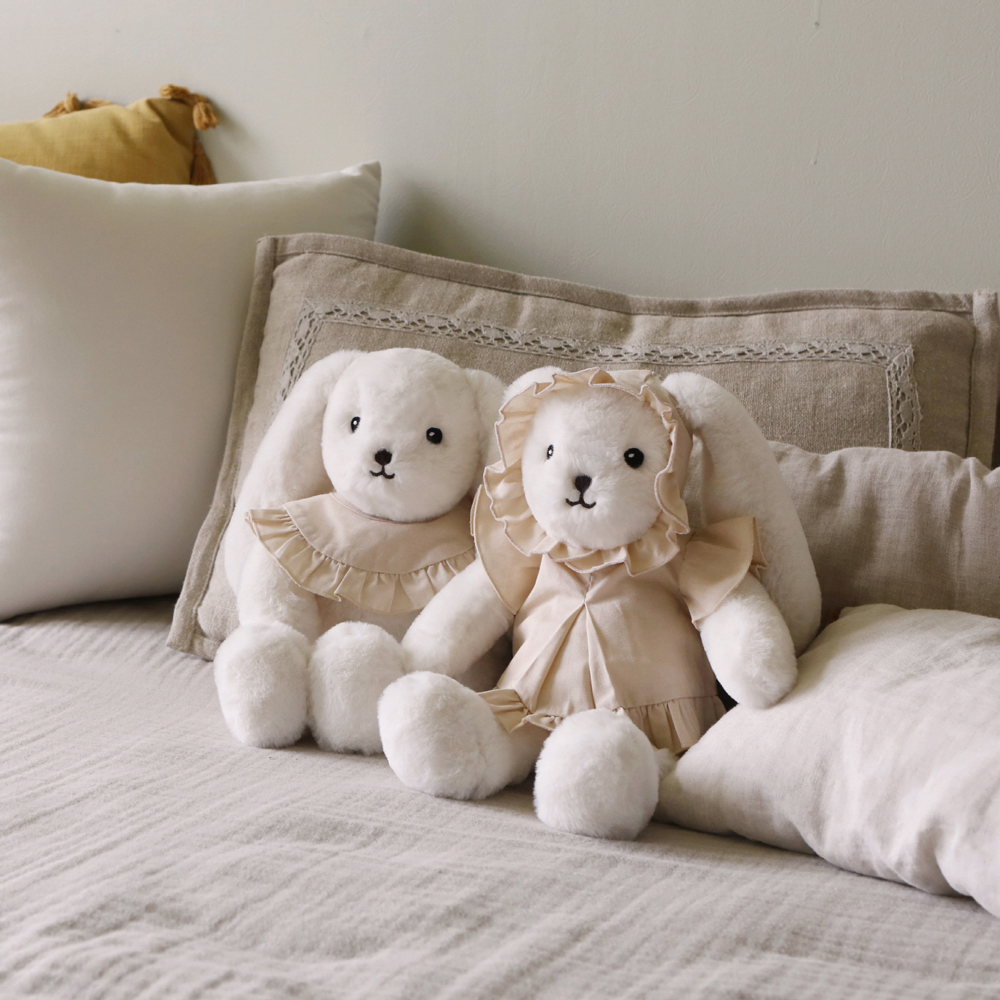
The production of stuffed animals, while providing joy and comfort to many, also carries significant environmental implications. From the raw materials used to the manufacturing processes, the industry faces challenges that impact our planet. Understanding these factors is essential for consumers and manufacturers alike, especially as sustainability becomes a priority in many sectors.
The environmental impact of stuffed animal manufacturing processes is multifaceted. Traditional methods often rely on synthetic materials, such as polyester, which are derived from petroleum. This not only contributes to fossil fuel depletion but also results in increased greenhouse gas emissions during both production and disposal. Furthermore, the dyeing processes frequently employed can lead to water pollution if not managed correctly, affecting local ecosystems. Additionally, the production process may involve significant energy consumption and waste generation, raising concerns about the overall carbon footprint associated with these beloved toys.
Sustainable Materials in Production
The shift towards sustainable materials in stuffed animal production is gaining traction, driven by consumer demand for eco-friendly products. Various alternative materials can reduce the environmental impact significantly. These include organic cotton, bamboo, recycled polyester, and hemp. Each of these materials offers distinct advantages:
- Organic Cotton: Grown without harmful pesticides and fertilizers, organic cotton helps preserve soil health and reduce water usage compared to conventional cotton.
- Bamboo: Bamboo is a renewable resource that grows rapidly and requires minimal water. Its fibers are naturally antibacterial and biodegradable, making it an excellent choice for stuffed animals.
- Recycled Polyester: Made from recycled plastic bottles and other polyester waste, recycled polyester diverts materials from landfills while reducing reliance on new petroleum-based products.
- Hemp: Hemp is known for its durability and low environmental impact, requiring little water and no pesticides. It also sequesters carbon, contributing positively to the environment.
Several companies stand out for their commitment to eco-friendly stuffed animal practices, embracing sustainability in their production processes. These brands not only prioritize environmental responsibility but also exhibit transparency in their sourcing and manufacturing techniques. Here are a few notable examples:
- Earth Rangers: This organization focuses on creating plush toys from sustainable materials and is committed to environmental conservation efforts.
- Green Toys: Known for their commitment to using recycled materials, Green Toys offers a range of plush toys made from eco-friendly resources.
- Finn + Emma: This brand prioritizes organic and sustainable fabrics, ensuring their stuffed animals are not only safe for children but also kind to the planet.
- Jellycat: While primarily known for their plush designs, Jellycat has made strides in sustainability by incorporating more organic materials and ensuring responsible sourcing.
“Choosing eco-friendly stuffed animals not only fosters a child’s imagination but also encourages environmental stewardship from a young age.”
The Connection Between Stuffed Animals and Imaginative Play
Stuffed animals play a vital role in enhancing imaginative play for both children and adults. These cuddly companions serve as a gateway to creativity, allowing individuals to explore various scenarios, emotions, and experiences. By engaging with stuffed animals, players can create intricate worlds, develop narratives, and express their thoughts and feelings in a safe and comforting environment.
Imaginative play is crucial for cognitive and emotional development. Stuffed animals serve as versatile props that can be incorporated into a wide range of scenarios. For instance, children may use their stuffed animals to enact everyday situations, such as going to the doctor, having a tea party, or embarking on an adventure in a jungle. Adults also benefit from imaginative play with stuffed animals, often using them to relieve stress or tap into their creativity. Whether it’s through storytelling or role-playing, stuffed animals offer a unique avenue for self-expression and exploration.
Examples of Play Scenarios with Stuffed Animals
Various play scenarios commonly involve stuffed animals, providing both entertainment and developmental benefits. These scenarios can help children navigate social situations, understand emotions, and develop empathy. The following examples illustrate some popular play scenarios:
- Doctor Visits: Children use stuffed animals as patients during pretend doctor visits, allowing them to understand and process their own feelings about healthcare and visits to the doctor.
- Tea Parties: Stuffed animals become guests in a whimsical tea party, encouraging social skills and imaginative conversation among children.
- Adventure Stories: Children create elaborate stories where their stuffed animals embark on daring quests, fostering creativity and narrative skills.
- Family Dynamics: Stuffed animals represent family members, enabling children to role-play different family dynamics and learn about relationships.
Imaginative play with stuffed animals supports various developmental stages. Young children, particularly, benefit from this type of play as it enhances their language skills, social interactions, and emotional understanding. As they grow, imaginative play continues to play a crucial role in refining problem-solving abilities and fostering empathy. Engaging with stuffed animals allows individuals to explore scenarios that may be beyond their current experience, providing valuable life lessons in a playful context.
Engagement with stuffed animals during imaginative play cultivates vital skills such as empathy, communication, and problem-solving.
Cultural Representations of Stuffed Animals in Media
Stuffed animals have long held a special place in the hearts of children and adults alike, often symbolizing comfort, companionship, and childhood innocence. Their portrayal in various forms of media—be it films, books, or television—has significantly influenced societal perceptions of these plush friends, embedding them in the cultural fabric of storytelling. The diverse representations serve not only as entertainment but also as reflections of human emotions and societal norms.
The depiction of stuffed animals in media often imbues them with anthropomorphic qualities, allowing them to communicate, express emotions, and even embark on adventures. This anthropomorphism elevates their status from mere toys to characters that resonate with audiences on emotional levels. These portrayals can shape viewers’ understanding of companionship, friendship, and the importance of emotional support, often encouraging empathy and nurturing behaviors.
Key Characters and Stories in Media
Various characters and narratives have cemented the cultural significance of stuffed animals through cinema and literature. These beloved figures showcase the bond between humans and their stuffed companions, often reflecting deeper themes of love, loss, and resilience. Below are some notable examples that highlight their impact:
- Winnie the Pooh: Created by A.A. Milne, this classic character epitomizes friendship and adventure, teaching children the value of loyalty and imagination. Pooh’s journeys with his friends in the Hundred Acre Wood resonate with themes of camaraderie and the importance of community.
- Toy Story Series: This iconic film franchise delves into the lives of toys, illustrating their emotional depth. Woody and Buzz Lightyear represent themes of loyalty, identity, and the fear of being replaced, while the inclusion of plush toys like Lotso adds layers to the narrative around love and betrayal.
- Paddington Bear: Paddington’s adventures emphasize kindness, multiculturalism, and family. His unique perspective as a bear from Peru navigating life in London reinforces the importance of acceptance and understanding in a diverse world.
- Care Bears: These colorful bears teach lessons about sharing, caring, and emotional intelligence. Each character embodies different virtues, promoting messages of compassion among children.
These examples illustrate how stuffed animals in media not only entertain but also serve as vital tools for teaching and reinforcing social values. By providing relatable characters that reflect real-life emotions and experiences, these narratives contribute to shaping positive attitudes toward companionship and emotional health.
“The comfort of a stuffed animal can bridge the gap between childhood fears and the courage to face them.”
The cultural representations of stuffed animals in media clearly underscore their role as more than just playthings; they are invaluable companions that help navigate the complexities of human emotion and social interaction.
Summary
In summary, stuffed animals are not merely childhood companions; they are woven into the fabric of our emotional and cultural lives. Their historical significance, coupled with the psychological benefits they offer and their role in therapy, highlights their importance across various age groups. As we continue to embrace and celebrate these beloved toys, they will undoubtedly remain a source of comfort, creativity, and connection for generations to come.
Answers to Common Questions
What age group benefits most from stuffed animals?
Children typically gain the most emotional support from stuffed animals, but adults can also find comfort and nostalgia in them.
Can stuffed animals help with anxiety?
Yes, many people find that cuddling or having a stuffed animal nearby can help reduce anxiety and provide a sense of security.
How do I choose the right stuffed animal for a child?
Consider the child’s age, interests, and any allergies, and look for soft, washable materials that are safe for their age group.
Are there any collectible stuffed animals that are particularly valuable?
Yes, vintage stuffed animals from brands like Steiff or rare limited editions can fetch high prices among collectors.
What materials are commonly used in making stuffed animals?
Stuffed animals are typically made from cotton, polyester, and various synthetic fibers, with many brands now prioritizing eco-friendly materials.