 Nolan Paxton
Robot toys have captivated the imaginations of children and adults alike, merging creativity with technology in a unique way. From humble mechanical beginnings to the sophisticated smart toys of today, these gadgets have evolved significantly over the decades. They not only spark joy but also serve educational purposes, engaging young minds in ways that traditional toys often cannot.
The world of robot toys is a fascinating blend of engineering, design, and playful interaction, showcasing how advancements in technology have shaped the toys we know today. As we delve deeper into this topic, we’ll explore the evolution of these toys, the mechanics that make them tick, and the psychological benefits they provide for children, shedding light on their role in the future of play.
The Evolution of Robot Toys Over the Decades
The journey of robot toys is a fascinating reflection of technological progress, cultural shifts, and changing consumer interests. From their inception as simple mechanical models to today’s sophisticated smart toys, robot toys have consistently captivated the imaginations of children and adults alike. The evolution of these toys not only mirrors advancements in engineering and design but also illustrates the influence of popular culture and the critical role of play in childhood development.
The historical development of robot toys can be traced back to the early 20th century when mechanical toys were first introduced. These toys, often made of tin, operated through simple wind-up mechanisms, offering limited functionality. However, the introduction of electronic components in the 1960s marked a significant turning point. Toys like the “Lunar Robot” and “Robbie the Robot” showcased early electronics and began to incorporate sound and movement. By the 1980s, programmable robots like “Omnibot” emerged, allowing kids to input simple commands and experience a taste of robotics firsthand.
Significant technological advancements have profoundly influenced robot toy design, notably the development of microcontrollers, sensors, and artificial intelligence (AI). Microcontrollers allowed for more complex programming, enabling toys to respond to user inputs and interact in unique ways. Meanwhile, sensors equipped robots with the ability to navigate their environments, as seen in toys like “Zoomer” and “Sphero,” which can detect obstacles and make decisions accordingly. The integration of AI has taken these advancements a step further, allowing for adaptive learning and personalized play experiences.
Iconic Robot Toys and Their Cultural Impact
Throughout the decades, several robot toys have left a lasting mark on both the toy industry and popular culture. These iconic figures not only entertained but also inspired generations of inventors, engineers, and dreamers. Some notable examples include:
- Mr. Roboto (1980s): This toy became a pop culture phenomenon, thanks to the Styx song “Mr. Roboto.” It featured robotic movements and phrases, capturing the essence of futuristic technology in the 1980s.
- Transformers (1984): Originally a line of toys, Transformers revolutionized the market by allowing children to transform vehicles into robots. This concept led to a massive franchise that includes animated series, movies, and comic books.
- Aibo (1999): Sony’s robotic dog was one of the first consumer robots to incorporate AI, enabling it to learn from its interactions. Aibo not only became a beloved pet for many but also set the stage for future robotic companions.
- BB-8 (2015): From the “Star Wars” franchise, this droid captured hearts with its unique design and personality. Its popularity exemplified how modern robot toys could blend technology with storytelling, making them integral to the broader narrative of the franchise.
As technology continues to advance, the future of robot toys looks bright, promising even more engaging and interactive experiences for children and adults alike. The interplay between innovation and imagination will undoubtedly keep robot toys at the forefront of play for generations to come.
Understanding the Mechanics Behind Robot Toys
Robot toys have evolved significantly over the years, merging playtime with technology to create engaging and interactive experiences for children and adults alike. These toys are not just simple mechanisms; they are intricate systems that combine various components, including sensors, motors, and advanced programming, allowing them to perform a multitude of tasks and respond to their environment. This blend of engineering and software makes robot toys fascinating objects that captivate the imagination while also introducing users to the fundamentals of robotics and programming.
The role of artificial intelligence (AI) in robot toys has become increasingly prominent, enhancing their interactivity and educational value. AI algorithms enable robot toys to learn from their environments, adapt to user interactions, and make decisions based on the data they collect. For instance, some robot toys utilize machine learning techniques to understand user behaviors over time, allowing them to tailor their responses and actions, which creates a more personalized experience. A robot toy equipped with AI can engage in conversations, respond to voice commands, and even recognize faces, making it not just a toy but a companion. This level of interactivity is significant as it fosters cognitive development in children, encouraging them to think critically as they interact with these toys. As they explore the robot’s capabilities, they also learn about cause and effect, as well as basic programming concepts. The incorporation of AI transforms traditional play into an interactive learning experience, making robot toys a valuable educational tool.
Components and Functions of Sensors in Robot Toys
Various sensors play a crucial role in the functionality of robot toys, allowing them to perceive and interact with their environment effectively. Understanding how these sensors work not only enhances gameplay but also illustrates fundamental concepts of robotics and automation. Here’s a detailed breakdown of common sensors found in robotic toys and their significance:
- Infrared Sensors: These sensors detect obstacles by emitting infrared light and measuring the reflection. They enable robot toys to navigate around objects, promoting exploration and spatial awareness.
- Ultrasonic Sensors: Working similarly to sonar, these sensors emit sound waves and measure the time it takes for the echo to return. This allows robot toys to gauge distances, helping them avoid collisions and execute precise movements.
- Touch Sensors: These sensors register physical contact and can trigger responses in the robot. For example, a robot may perform a dance when patted on the head, teaching children about feedback mechanisms in robotics.
- Light Sensors: These detect ambient light levels and can be used to control the robot’s behavior in different lighting conditions. For instance, a robot might follow a light source, illustrating principles of phototropism.
- Audio Sensors: By recognizing sound patterns or specific voice commands, these sensors allow robot toys to respond to users verbally or through actions, enhancing interactivity and engagement.
Each sensor contributes uniquely to gameplay, enabling robot toys to emulate certain aspects of human behavior and decision-making. The integration of these technologies not only elevates the excitement of play but also instills an understanding of how sensors work in real-world applications, paving the way for future learning in robotics and technology.
The Psychological Benefits of Robot Toys for Children
Robot toys are not just physical playthings; they represent a fusion of fun, learning, and technological innovation. As children engage with these interactive devices, they are not only entertained but also exposed to numerous developmental benefits. The multifaceted nature of robot toys stimulates cognitive processes, enhances emotional intelligence, and fosters social interactions, paving the way for holistic growth in young minds.
Cognitive Development and Problem-Solving Skills
Robot toys serve as excellent tools for promoting cognitive development and enhancing problem-solving skills among children. These toys often come with programming features, enabling children to engage in activities that require critical thinking and logical reasoning. As kids learn to code simple commands or troubleshoot operational issues, they develop essential skills that are applicable in real-world situations.
For instance, a study conducted by the University of California highlighted that children who interacted with programmable robots showed a marked improvement in their spatial awareness and mathematics proficiency. This finding aligns with the idea that hands-on experience with technology solidifies abstract concepts, making them easier to understand.
Moreover, when children encounter challenges while playing with robot toys, such as figuring out how to maneuver a robot through an obstacle course, they engage in trial and error. This process not only boosts their resilience but also reinforces the idea that failure is a stepping stone to success. Such experiences cultivate perseverance and adaptive thinking, valuable traits as they navigate life’s challenges.
Emotional and Social Benefits of Interaction with Robot Toys
Engagement with robot toys extends beyond cognitive skills, significantly impacting emotional and social development. Interacting with these toys fosters a sense of companionship, allowing children to project their feelings and emotions onto them. This interaction can lead to enhanced emotional intelligence, as children learn to recognize and express their feelings in a safe, playful environment.
For example, a child who plays with a robot that responds to voice commands can observe how their tone and choice of words influence the robot’s actions. These experiences teach children about communication nuances, empathy, and emotional regulation.
Additionally, robot toys often encourage collaborative play, allowing children to work together to achieve a common goal, such as programming a robot to complete a task. This collaboration nurtures teamwork and social skills, as children must negotiate, share ideas, and respect each other’s inputs. A study conducted by the American Psychological Association found that children who regularly engaged in cooperative play with robotic toys exhibited improved social cohesion and better conflict resolution skills.
In essence, the emotional connections forged through robot play can lead to greater self-esteem and confidence. Children learn to value their creativity and ideas as they experiment with different commands and solutions. They develop an innovative mindset as they see the tangible results of their efforts, which can translate into higher engagement levels in academic settings.
“Interactions with robot toys serve as a critical component in fostering emotional intelligence, social skills, and cognitive development in children.”
In summary, robot toys provide a rich avenue for children to explore various facets of their development, significantly influencing their cognitive abilities, emotional intelligence, and social skills.
Comparing Traditional Toys and Robot Toys in Playtime

The debate between traditional toys and robotic counterparts has gained momentum as technology continues to evolve. Traditional toys, such as dolls, action figures, and building blocks, have long been cherished for their simplicity, creativity, and ability to inspire imaginative play. In contrast, robot toys offer interactive experiences, often integrating elements of technology, coding, and even artificial intelligence. This shift in playtime dynamics raises questions about engagement, educational value, and the overall play experience for children.
Robot toys can significantly enhance collaboration and teamwork among children during playtime. Unlike traditional toys that typically focus on solitary play or require minimal interaction among peers, robotic toys often necessitate group participation to maximize their potential and enjoyment. Children learn to work together as they navigate challenges, solve problems, and achieve collective goals. For instance, a group of children programming a robot to complete an obstacle course must communicate effectively, share ideas, and delegate tasks. This fosters essential collaboration skills, such as negotiation, listening, and conflict resolution.
Furthermore, robot toys often come with interactive features that encourage cooperative play. Many robotic toys allow multiple users to engage simultaneously, promoting a sense of shared achievement when the robot successfully completes a task together. This ability to code and control the robot encourages children to brainstorm and experiment collectively, enhancing their critical thinking and creativity.
In addition to teamwork, robot toys can integrate educational content, making them valuable learning tools. They often align with STEM principles, cultivating interests in science, technology, engineering, and mathematics from an early age. This added layer of educational value differentiates them from many traditional toys, which may lack structured learning opportunities.
The following table compares the pros and cons of robot toys versus traditional toys in terms of play experience:
| Aspect | Robot Toys | Traditional Toys |
|---|---|---|
| Engagement | High interactivity, encourages hands-on learning. | Often relies on imaginative play and creativity. |
| Educational Value | Integrates coding and STEM learning; enhances problem-solving skills. | Develops fine motor skills and creativity without structured learning. |
| Collaboration | Promotes teamwork and communication among peers. | Usually geared towards individual play or limited cooperative scenarios. |
| Cost | Often more expensive due to technology and features. | Generally more affordable and accessible. |
| Durability | Potentially vulnerable to technical malfunctions over time. | Usually robust and can last for generations. |
The distinctions in engagement and educational value between traditional and robot toys highlight the evolving landscape of children’s play. While traditional toys nurture creativity and imaginative skills, robot toys introduce advanced learning and collaborative play dynamics that can significantly enhance children’s social and cognitive development.
Safety Considerations When Choosing Robot Toys
When selecting robot toys for children, safety should always be a top priority. With the increasing complexity and interactivity of these toys, it’s essential to be aware of the safety features that can help mitigate potential hazards. Whether they are simple remote-controlled cars or sophisticated robotic companions, understanding how to choose the right toy can prevent accidents and ensure a fun experience for kids.
One of the most critical aspects of safety in robot toys is age-appropriate design and materials. Toys that are designed for specific age groups take into consideration the physical and cognitive development of children. For instance, toys made for toddlers should not contain small parts that could pose choking hazards. Moreover, materials used should be non-toxic and free from harmful chemicals. It’s important to look for certifications such as ASTM or EN71, which indicate that the toy meets safety standards. These certifications ensure that the toy has been tested for various hazards, including sharp edges, flammability, and toxic substances.
When it comes to materials, plastics should be durable yet lightweight, reducing the risk of injury during play. For older children, more complex toys may contain electronic components, which should be encased securely to prevent exposure to wires and batteries. Additionally, the design should eliminate any sharp edges or movable parts that could pinch or trap fingers.
Common Hazards Associated with Robot Toys
Understanding the common hazards associated with robot toys is crucial for preventing injuries. Here are some of the key risks and ways to mitigate them:
Children can be exposed to sharp edges or small parts during playtime. Always inspect toys before use and look for any signs of wear and tear that could lead to dangerous components being exposed. If you notice any broken parts, it’s best to remove the toy from play until it can be repaired.
Another common concern is the risk of electric shock from battery-operated toys. Ensure that the battery compartment is secure and cannot be easily opened by a child. Use only the recommended battery types and avoid mixing old and new batteries, as this can lead to leaks or malfunctions.
In addition, robot toys with moving parts can sometimes lead to pinching injuries. Always supervise younger children while they are playing with such toys, and teach them the importance of playing safely and responsibly.
“Safety is not just a checklist; it’s a continuous process that involves monitoring and teaching children how to interact with toys safely.”
In summary, being aware of safety considerations when selecting robot toys not only protects children from physical harm but also contributes to a more enjoyable play experience. Always prioritize features that enhance safety and choose toys that are appropriate for a child’s age and developmental stage. By being informed, parents can ensure their children can explore and play with robot toys safely.
The Future of Robot Toys in an Increasingly Digital World
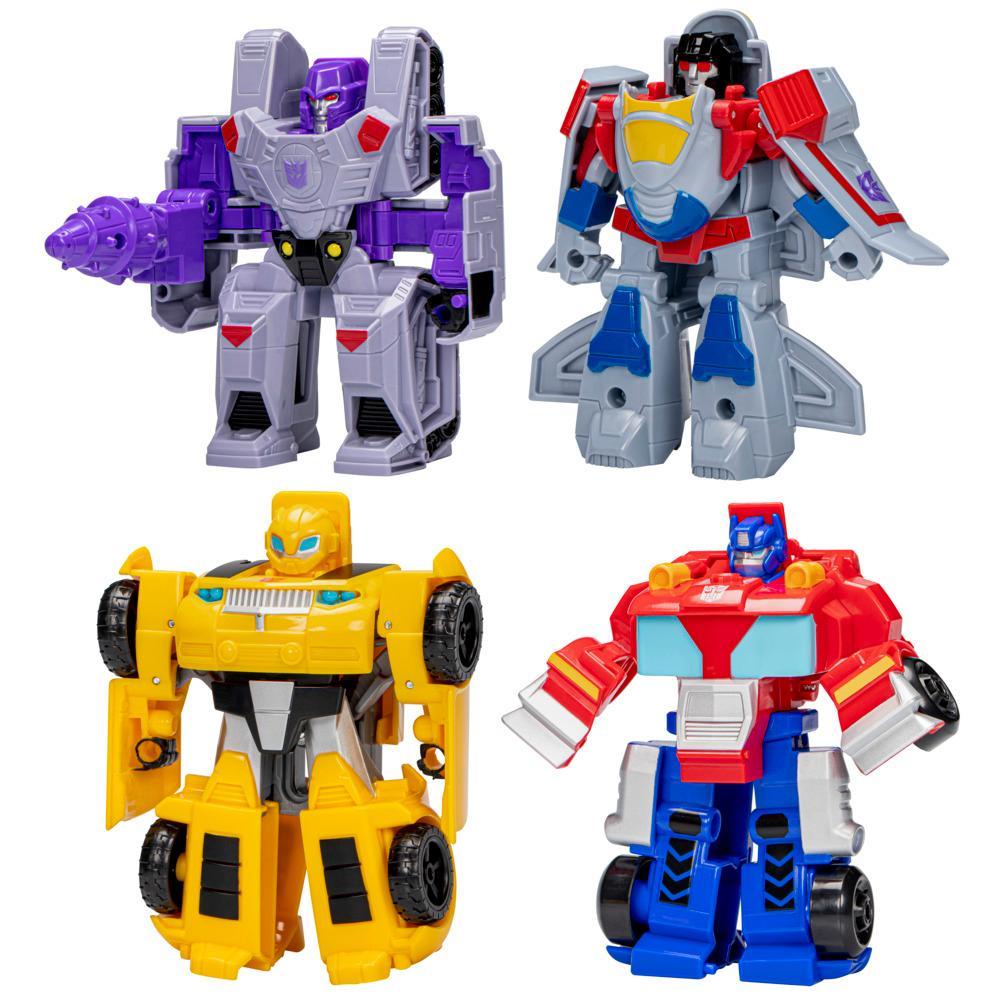
The evolution of technology has dramatically impacted the way children play and learn. In recent years, robot toys have become more than just simple mechanical figures; they are now intelligent companions that can interact and educate. As we move further into an increasingly digital world, the future of robot toys promises to be even more exciting, with emerging trends in robotics poised to redefine playtime experiences.
The integration of augmented reality (AR) and virtual reality (VR) technologies into robot toys represents a significant advancement in enhancing the overall play experience. These technologies allow for a more immersive interaction between children and their toys, creating an environment where the lines between the physical and digital worlds blur. For example, a simple robot toy can come to life through AR, where children can use their tablets or smartphones to see animated characters interacting with their physical robots. This not only makes playtime more engaging but also educational, as children can learn about programming, robotics, and even problem-solving in a fun manner.
Incorporating AR and VR in robot toys can lead to diverse play experiences. When a child interacts with a robot through an augmented reality app, they might see the robot performing tasks or navigating through different virtual environments, which can enhance their creativity and imagination. VR experiences can transport children into a fantastical world where they can interact with their robot in a fully immersive setting, providing them with a unique storytelling experience. The ability to customize these interactions through digital interfaces can further personalize the play, making each child’s experience unique.
Emerging Concepts and Prototypes in Robot Toys
Innovative concepts and prototypes are currently being developed that push the boundaries of traditional play. The integration of AI is one such trend, where robot toys are equipped with machine learning capabilities, allowing them to learn from their interactions with children. This adaptability means that the robot can evolve with the child, changing its responses and challenges based on the child’s preferences and learning pace.
One notable example is the development of social robots that can recognize and respond to emotional cues from children. These robots are designed to not only entertain but also to provide companionship, helping children to develop social skills. As children engage with these robots, they can learn empathy and communication, skills essential for their growth.
Another exciting innovation is the concept of modular robot toys, allowing children to construct their robots from interchangeable parts. This hands-on approach not only makes playtime more interactive but also introduces fundamental principles of engineering and design. Children can experiment with different combinations, learning about mechanics and robotics in the process.
Furthermore, the introduction of cloud connectivity in robot toys is revolutionizing how children interact with their devices. Toys linked to the cloud can download updates, new games, and educational content, ensuring that the play experience remains fresh and exciting. This connectivity also allows parents to monitor and curate their child’s playtime, ensuring it aligns with educational goals.
In summary, the future of robot toys is poised to be rich with opportunities for immersive, educational, and emotionally enriching experiences. As we embrace these innovations, the potential for robot toys to not only entertain but also educate children will continue to expand, creating a generation of tech-savvy, imaginative thinkers.
Last Word
In conclusion, robot toys represent a remarkable intersection of fun and learning, offering children not just entertainment but also valuable lessons in creativity and collaboration. As technology continues to advance, the potential for these toys to enhance playtime experiences is limitless. By fostering engagement and inspiring the next generation, robot toys are set to remain a vital part of childhood for years to come.
FAQ Summary
What age group are robot toys suitable for?
Robot toys vary widely, with many designed for ages 3 and up. Always check the manufacturer’s recommendations for safety and age appropriateness.
Do robot toys require batteries?
Most robot toys do require batteries, either for operation or for charging. Some advanced models may also come with rechargeable options.
Can robot toys be programmed?
Many modern robot toys come with programmable features, allowing children to learn basic coding skills while interacting with their toys.
Are robot toys safe for young children?
Yes, but it’s crucial to choose toys with appropriate safety features and materials. Look for certifications and age ratings to ensure safety.
How do robot toys enhance learning?
Robot toys can enhance learning by promoting problem-solving skills, encouraging creativity, and teaching basic principles of coding and robotics.