
 Nolan Paxton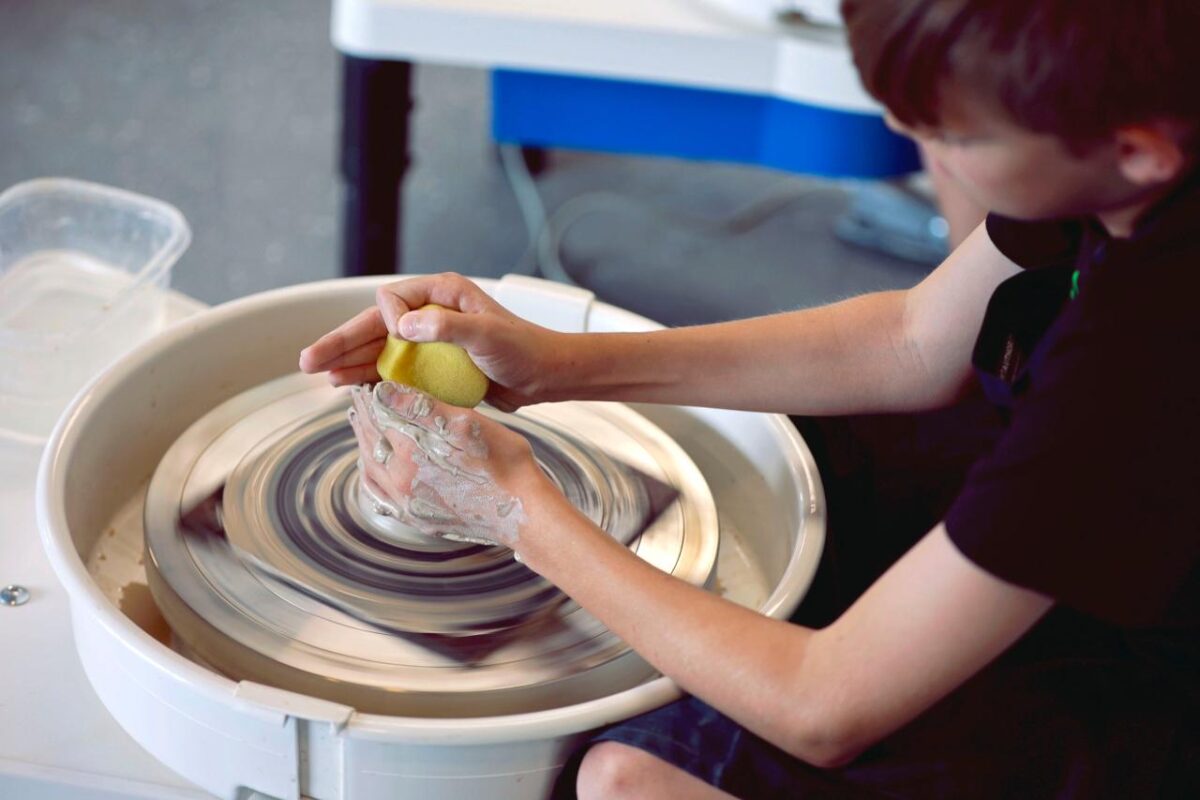
Pottery wheel is an essential tool in the world of ceramics, transforming humble lumps of clay into stunning works of art. This device, typically featuring a rotating disk, allows artists to shape and mold clay with precision and creativity. Understanding its main components, such as the wheel head and motor, is crucial for anyone looking to master the art of pottery.
From its ancient origins to modern innovations, the pottery wheel has evolved significantly, playing a vital role in pottery making across cultures and time periods. Whether you’re a beginner or an experienced potter, embracing the pottery wheel opens the door to endless possibilities in creating both functional and decorative pieces that resonate with personal expression.
Understanding the Basics of a Pottery Wheel
A pottery wheel is an essential tool for potters, allowing them to create clay forms with precision and efficiency. This device, also known as a potter’s wheel, has been a vital part of pottery making for centuries. Its main components include a rotating wheel head, a foot pedal or lever for speed control, a base, and a support structure. The wheel head is typically made of a smooth material like plaster or metal, providing a stable surface for shaping clay. The foot pedal allows the potter to control the speed of the wheel, enabling a range of techniques from centering to shaping.
The operation of a pottery wheel involves a combination of mechanical principles and pottery techniques. When the potter presses the foot pedal, the wheel spins, creating centrifugal force that helps in centering the clay. To start, a lump of clay is placed in the center of the wheel head. As the wheel spins, the potter uses their hands to shape the clay, gently applying pressure to form bowls, vases, or other objects. The key to successful pottery is mastering the balance between speed, pressure, and moisture content in the clay. The process requires practice and skill, as even slight adjustments can greatly affect the final shape and appearance of the piece.
Historical Evolution of Pottery Wheels
The pottery wheel has a rich historical background, tracing its roots back to ancient civilizations. The earliest evidence of pottery wheels can be found in Mesopotamia around 3500 BCE. Initially, these wheels were hand-driven, operated by a potter who spun the wheel by hand or foot. This innovation revolutionized pottery-making, allowing for more uniform and intricate designs compared to hand-formed techniques.
Over the centuries, the design and function of pottery wheels evolved. The introduction of the kick wheel in the 1st millennium BCE represented a significant advancement. This version used a heavy stone wheel that was kicked to start spinning, making it easier for potters to shape larger pieces. By the time of the Industrial Revolution, electric pottery wheels emerged, further enhancing the potter’s ability to create with speed and efficiency. The use of electric wheels allows for consistent rotation and improved control, enabling potters to experiment with various forms and techniques.
The significance of pottery wheels in pottery making cannot be overstated; they have transformed the art form, enabling artisans to produce both functional and decorative pieces with intricate designs. As pottery continues to evolve, the wheel remains a foundational tool, adapting to the needs of modern potters while honoring its historical roots.
Types of Pottery Wheels and Their Uses
When it comes to creating beautiful pottery, the type of pottery wheel you choose can greatly influence your artistic process and the quality of your work. Understanding the different types of pottery wheels available in the market today is essential for potters, whether they are beginners or advanced artists. Each type has distinct features that cater to specific needs, making it crucial to select the right one for your pottery journey.
There are primarily two types of pottery wheels: electric and manual, each with its unique advantages and disadvantages. Additionally, various models within these categories offer a range of features that can enhance your crafting experience. Below is a detailed discussion of these types, along with a comparison of their features.
Types of Pottery Wheels
Pottery wheels can be categorized mainly into electric and manual types. Each type serves different purposes and preferences, influencing how potters work with clay.
- Electric Pottery Wheels:
Electric wheels are powered by a motor, making them easy to operate with a simple foot pedal for speed control. They are preferred for their efficiency and consistency in speed, allowing for smoother throwing.“Electric wheels enhance productivity and can accommodate larger workpieces with ease.”
- Manual (Kick) Pottery Wheels:
Manual wheels require the potter to kick to spin the wheel. This traditional method connects the artist more closely with the clay, offering a comforting tactile experience. However, it may require more physical effort, especially with larger pieces.“Using a manual wheel can deepen your connection to the craft, making it a fulfilling choice for many.”
Advantages and Disadvantages of Electric vs. Manual Pottery Wheels
Understanding the pros and cons of electric and manual wheels is essential for making an informed decision:
- Electric Wheels:
- Advantages:
- Consistent speed control for better results.
- Less physical effort required, making it easier to handle larger projects.
- Disadvantages:
- Higher initial cost compared to manual wheels.
- Dependence on electricity may limit usage in certain locations.
- Advantages:
- Manual Wheels:
- Advantages:
- Lower cost, making them accessible for beginners.
- Provides a traditional experience, connecting the artist with their craft.
- Disadvantages:
- Requires more physical effort, which can be tiring.
- Speed is not as consistent as electric wheels.
- Advantages:
Comparison of Pottery Wheel Models
Choosing the right pottery wheel model depends on various features. The table below highlights key features of popular pottery wheel models from both categories:
| Model | Type | Speed Control | Weight Capacity | Price Range |
|---|---|---|---|---|
| Shimpo VL-Lite | Electric | Foot Pedal | 100 lbs | $700 – $800 |
| Brent CXC | Electric | Foot Pedal | 150 lbs | $1,200 – $1,400 |
| Amaco Pottery Wheel | Manual | N/A | 50 lbs | $300 – $400 |
| Bailey 14” Kick Wheel | Manual | N/A | 75 lbs | $500 – $600 |
Essential Tools and Materials for Pottery Wheel Work
Setting up for pottery wheel work requires a well-thought-out selection of tools and materials. Understanding the essentials will not only enhance your crafting experience but also ensure that you achieve better results with your creations. From the wheel itself to the clay you choose, each component plays a pivotal role in the process.
Essential Tools for Pottery Wheel Work
A variety of tools are necessary for effective pottery wheel work. Each tool has a specific function that aids in the shaping, trimming, and finishing of your pottery. Below is a list of essential tools along with their purposes:
- Pottery Wheel: The main tool for throwing clay, available in electric or kick-wheel models, which allows you to shape the clay while it spins.
- Clay Tools: These include wooden and metal modeling tools, which help in shaping and detailing your piece.
- Sponge: Used for moisture control and smoothing the surface of the clay.
- Wire Cutter: Essential for cutting clay from the block or removing finished pieces from the wheel.
- Trimming Tools: Used to carve designs and trim the excess clay from the bottom of a pot after it has been thrown.
- Rib Tools: Available in various shapes, these tools help in smoothing and shaping the clay as it spins.
- Calipers: Used for measuring and ensuring uniformity in the thickness of walls and diameters of pots.
- Bat System: A flat disc that allows you to easily remove your work from the wheel without distortion.
Selecting Clay Types for Wheel Throwing
Choosing the right clay is crucial for successful pottery wheel work. Different types of clay offer varying properties that can affect the outcome of your project. Here are some common clay types suitable for wheel throwing:
- Stoneware Clay: A popular choice for beginners, stoneware is durable and versatile. It can be fired at high temperatures, making it suitable for functional ware.
- Earthenware Clay: This type is softer and easier to work with, but it is more porous and suitable for lower firing temperatures. Earthenware is great for decorative pieces.
- Porcelain Clay: Known for its fine texture and translucence, porcelain is more challenging to work with due to its sensitivity. It yields beautiful results for delicate pieces.
- Raku Clay: Specifically formulated for raku firing, this clay allows for unique surface effects and is often used for decorative pottery.
Preparing Your Workspace for Pottery Making
A well-organized workspace is essential for enhancing productivity and creativity in pottery wheel work. Here’s how to prepare your area for optimal results:
- Choose a Stable Surface: Ensure that your pottery wheel is on a stable and level surface to prevent any wobbling during use.
- Gather Tools: Keep all your essential tools within reach to minimize distractions. Organize them in a tool tray or a nearby table.
- Dust Control: Cover surfaces with newspapers or plastic to facilitate easy cleanup, and use a vacuum to manage clay dust.
- Water Supply: Keep a bucket of water and a sponge handy for maintaining the moisture of your clay and cleaning your tools as you work.
- Lighting: Ensure adequate lighting in your workspace to clearly see details and imperfections in your work.
“Proper preparation of your workspace can significantly enhance your pottery-making experience, leading to more successful and enjoyable creative sessions.”
Techniques for Throwing Clay on the Wheel
Centering clay on the pottery wheel is a fundamental skill that every potter must master. It sets the stage for creating symmetrical and well-formed pieces. This discussion will delve into the step-by-step process of centering clay, explore various throwing techniques for beginners, and Artikel best practices to maintain consistency and quality in your thrown pieces.
Centering Clay on the Wheel
Centering the clay on the wheel is crucial for achieving uniform shapes. Here’s a step-by-step guide to effectively center your clay:
1. Prepare the Clay: Start with a wedged ball of clay, approximately the size of a grapefruit. This ensures that the air bubbles are removed, making the clay more pliable.
2. Place the Clay: Firmly press the clay down onto the center of the wheel head. It’s vital that it is as close to the center as possible.
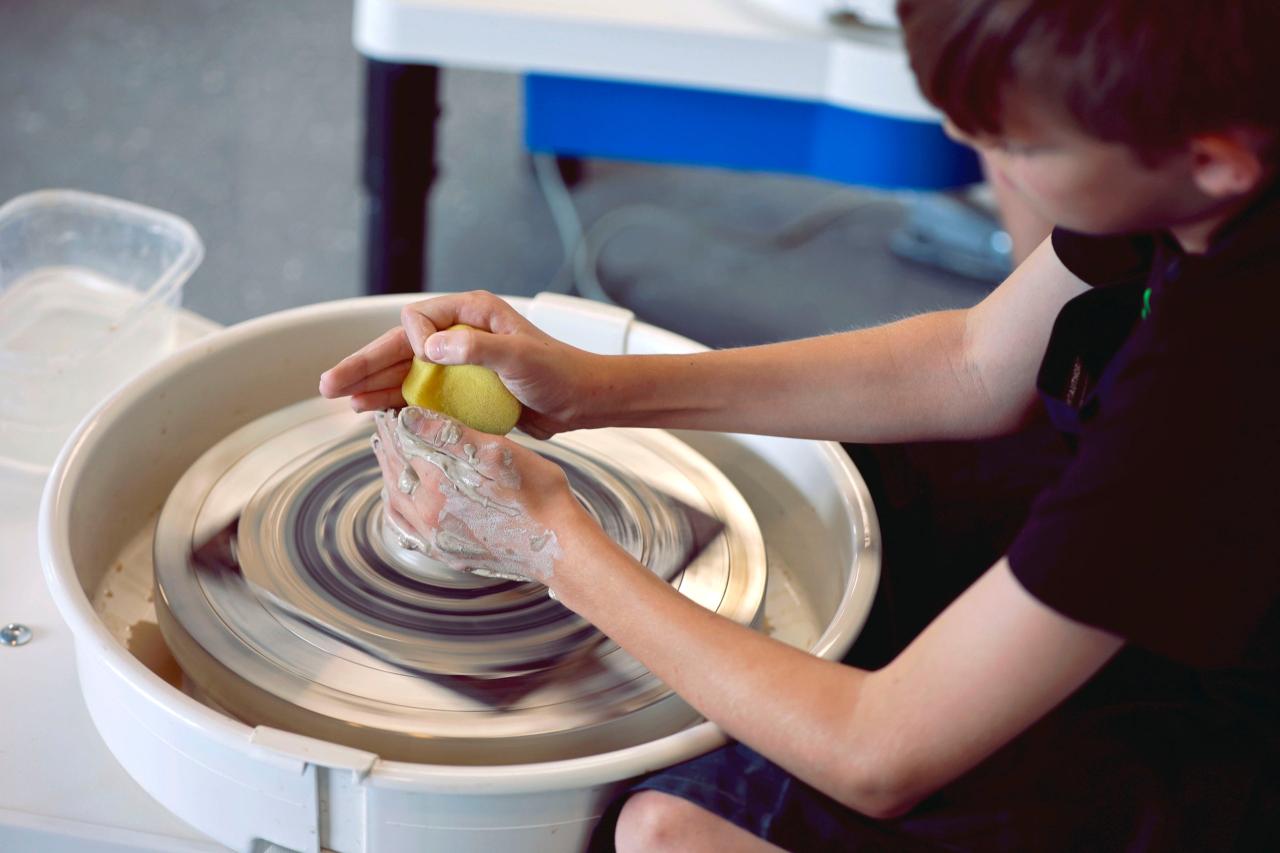
3. Moisten the Clay: Use a sponge or water to dampen the clay. This helps reduce friction and prevents the clay from sticking to your hands.
4. Begin the Wheel: Turn on the wheel to a moderate speed. Adjust according to your comfort level.
5. Apply Pressure: With your hands, press down on the clay while simultaneously pushing inward. Your thumbs should be at the top of the clay, and your fingers should be at the base.
6. Check the Center: As the clay spins, look for any wobbling. If it wobbles, adjust your pressure and position until it spins evenly.
7. Refine the Shape: Once centered, gently shape the clay into a cone form, pulling it up toward the center while ensuring it stays balanced.
By following these steps, you will solidify your understanding of centering clay, which is vital for any following techniques.
Throwing Techniques for Beginners
Employing various throwing techniques enhances a beginner’s skills and promotes creativity. Here are several fundamental methods:
– Pinch Technique: This involves using your fingers to pinch the clay into shape, great for small pots or bowls.
– Pulling Technique: Start with a centered mound and use your fingers to pull the clay upward while applying consistent pressure, ideal for taller forms.
– Swirling Technique: For decorative bowls, apply this method by gently swirling your hands while the clay spins, creating unique shapes and textures.
– Shaping with Tools: Utilize tools such as ribs and wooden paddles to refine edges and smooth surfaces, crucial for finishing pieces with defined lines.
Each technique encourages exploration and experimentation, enabling growth in your pottery practice.
Best Practices for Consistency and Quality
Maintaining consistency and quality in thrown pieces is essential for developing your craft. Here are several best practices:
– Consistent Clay Preparation: Ensure that all clay batches are of similar texture and moisture content. This affects how the clay behaves on the wheel.
– Regular Wheel Maintenance: Keep your wheel clean and in good working order. A well-maintained wheel enhances performance and longevity.
– Practice Regularly: Frequent practice helps in developing muscle memory, leading to better control over your pieces.
– Observe Experienced Potters: Learning from others, whether through workshops or videos, can introduce new techniques and refine your skills.
– Quality over Quantity: Focus on producing fewer, higher-quality pieces rather than numerous, inconsistent ones. This leads to better craftsmanship and understanding of your tools.
By implementing these practices, potters can ensure that their work is not only consistent but also of high quality, which is paramount in achieving professional results.
Troubleshooting Common Issues While Using a Pottery Wheel
Using a pottery wheel can be a rewarding yet challenging experience. Potters, whether beginners or experienced, often face several common issues while working on the wheel. Understanding these problems and their solutions is essential for creating beautiful and functional pottery. This section addresses common problems encountered during pottery wheel use, along with practical solutions and preventative measures to enhance your pottery experience.
Common Problems and Solutions
There are numerous problems that potters may face, each requiring specific remedies. Here are some of the most frequent challenges along with their solutions:
- Clay Sticking to the Wheel: This is a common issue that can interrupt your workflow. To prevent this, ensure your wheel is clean and use a thin layer of water or clay slip on the wheel head before starting. This creates a barrier between the clay and the wheel.
- Uneven Walls: Uneven walls can occur due to improper centering or inconsistent pressure while shaping. To remedy this, focus on centering the clay properly and apply even pressure with your hands during shaping. Practicing this technique can greatly improve your results.
- Collapsed Pots: A pot may collapse if the walls are too thin or if too much weight is applied too quickly. To fix this, work with thicker walls and gradually shape your piece. If a pot collapses, you can often rework the clay if it hasn’t dried completely.
Preventing Common Issues
Preventative measures can save time and frustration during your pottery sessions. Here are some key tips to keep in mind:
- Proper Centering: Make sure your clay is perfectly centered on the wheel to avoid unevenness. Spend time practicing centering techniques.
- Using the Right Clay: Different types of clay have varying workability. Choose a clay that suits your skill level and project needs to minimize issues.
- Maintaining Consistent Pressure: While shaping, maintain a steady, consistent pressure to help create even walls and prevent collapse.
Fixing Specific Issues
When pottery doesn’t turn out as planned, knowing how to address specific problems can help salvage your work. Here are several strategies for fixing common issues:
Monitor the firmness of your clay; if it’s too soft, it may collapse, while overly dry clay may crack.
- Reworking Uneven Walls: If you notice uneven walls while throwing, you can gently push in or pull out the clay to adjust thickness. Do this with care to avoid structural integrity issues.
- Repairing Collapsed Pots: If a pot has collapsed, check if the clay is still damp enough to be molded. If so, gently reshape it while it’s still wet. If it’s dried, consider recycling the clay for future projects.
- Dealing with Cracks: If cracks appear during drying, these can sometimes be mended by applying a slip mixture over the cracks to bind the clay together.
Glazing and Finishing Techniques for Wheel-Thrown Pottery
Glazing is a crucial step in pottery that enhances the beauty and functionality of wheel-thrown pieces. It not only adds color and texture but also provides a protective layer to the clay. Understanding the various glazing techniques and how to apply them effectively can significantly improve the overall aesthetics of your work.
Different glazing techniques can be employed depending on the desired final effect. Each method offers unique characteristics and applications that can transform a simple piece into a stunning work of art. Below are some common glazing techniques suitable for wheel-thrown pottery.
Types of Glazing Techniques
When exploring glazing methods, it’s important to consider the aesthetic and practical aspects each technique brings. Here are some popular techniques used in wheel-thrown pottery:
- Dipping: This method involves submerging the pottery piece into a bucket of glaze. It’s great for achieving an even coating but requires careful control to avoid drips.
This involves using a rag to apply glaze, which can create a textured and varied appearance. It’s particularly effective for organic or rustic looks. Layering different glazes can produce stunning visual effects. The interaction between glazes can yield unexpected colors and textures.
Applying Glaze for Even Coverage
Achieving even coverage with glaze is critical for a professional finish. Here’s a guide to ensure your glaze application is effective:
1. Preparation: Always start with clean, dry pottery. Dust or oil can create uneven surfaces.
2. Consistency Check: Ensure that the glaze is mixed well and has a smooth, even consistency. A glaze that is too thick may clump, while one that is too thin may run off.
3. Technique Choice: Select a glazing technique that aligns with your desired finish. For instance, dipping is often the fastest way to achieve an even coat.
4. Multiple Coats: If necessary, allow the first coat to dry before applying additional layers. This can enhance depth and richness in color.
5. Testing: Always test glazes on small pieces before applying them to larger works. This can help avoid unexpected results.
Achieving Desired Finishes and Textures
Finishing techniques can drastically alter the final appearance of wheel-thrown pottery. Here are some tips for achieving various finishes and textures:
Use a matte glaze to achieve a soft and subdued look. Ensure the glaze is designed for a matte finish to avoid unwanted shine. A glossy glaze can enhance colors and create a reflective surface. Ensure proper firing temperatures as well, as some glazes require higher temps to achieve gloss. Adding materials like sand or grog to the glaze can create unique textures. Experiment with different ratios to find the perfect balance. Incorporating oxides and underglazes can add depth and complexity. They can be applied before glazing to create intricate designs. Using transparent glazes over colored slips or underglazes can enhance colors while adding a protective layer.
“The beauty of pottery lies not just in the form, but in the layers of glaze that bring it to life.”
The Role of Practice in Mastering Pottery Wheel Skills
Regular practice is essential for anyone looking to master the art of pottery, especially when it comes to using the pottery wheel. The tactile nature of working with clay requires not only physical coordination but also an understanding of the material itself. As with any skill, consistent practice allows for muscle memory to develop, enabling potters to focus more on creativity and expression rather than technique.
Establishing a structured practice schedule can significantly enhance the learning curve for beginners. A well-planned routine not only keeps learners engaged but also ensures that they cover all essential aspects of pottery wheel skills.
Structured Practice Schedule
A structured practice schedule can make a world of difference in skill development. Here’s a suggested weekly plan for beginners to follow:
- Day 1: Centering the Clay – Focus on understanding how to center the clay on the wheel. Spend at least 30 minutes practicing this fundamental skill.
- Day 2: Opening the Clay – Once centered, practice opening the clay to create the base of your piece. Aim for 30 minutes of practice, refining your technique.
- Day 3: Pulling Up the Walls – Work on pulling the walls of your pot. Dedicate an hour to experiment with different heights and thicknesses.
- Day 4: Trimming and Finishing Techniques – Practice trimming your pieces and adding finishing touches. Spend about 45 minutes on this to refine your final products.
- Day 5: Glazing Techniques – Although not wheel work, understanding glazing is crucial. Spend 30 minutes learning about different glazing methods.
- Day 6: Free Day for Creativity – Use this day to freely create whatever you like, applying skills learned throughout the week. Enjoy at least an hour of creative expression.
- Day 7: Reflection and Review – Take some time to review your progress and reflect on what techniques need more focus. Spend 20-30 minutes journaling your thoughts.
Engaging in pottery offers numerous psychological benefits that contribute to overall well-being.
Psychological Benefits of Pottery
Pottery is not only a craft but also a therapeutic activity. The act of molding clay has been shown to reduce stress and anxiety, providing a calming effect that can be likened to meditation. This process of creation allows individuals to express emotions, leading to improved mental clarity and focus.
“Creating art, such as pottery, can have profound effects on the mind, providing a sense of accomplishment and relaxation.”
In addition, the repetitive motions involved in wheel throwing can create a meditative state that fosters mindfulness. Participants often report feeling a sense of peace and joy when engaged in this tactile art form. The satisfaction derived from creating something beautiful out of a lump of clay can boost self-esteem and promote emotional release, making pottery a valuable pursuit for personal development.
Exploring Artistic Expressions with Pottery Wheel Creations
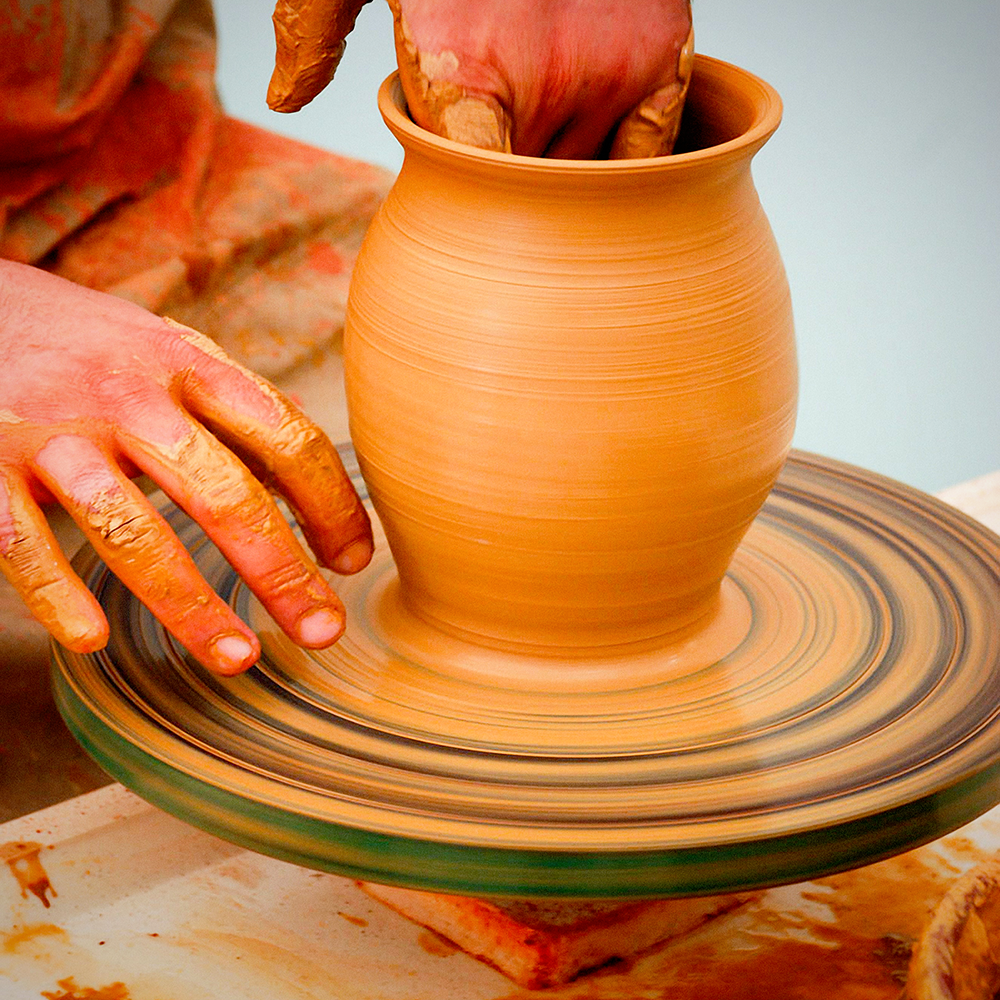
The pottery wheel serves not only as a tool for shaping clay but also as a medium for artistic expression. Each piece crafted on the wheel can reflect a variety of artistic styles, showcasing the creativity and unique vision of the potter. This exploration into the artistic possibilities of pottery reveals the rich diversity of techniques and personal styles that emerge from this age-old craft.
Artistic Styles Achieved Through Pottery Wheel Techniques
The pottery wheel can give rise to numerous artistic styles, each with its own distinctive characteristics. Understanding these styles allows potters to experiment and develop their creations more effectively. Some notable styles include:
- Traditional Functional Pottery: This style emphasizes the use of pottery for everyday purposes, such as bowls, plates, and mugs, often featuring subtle glazes and forms that blend aesthetics with practicality.
- Contemporary Sculptural Forms: Potters in this style often prioritize artistic expression over functionality, creating abstract shapes and sculptures that challenge conventional ideas of pottery.
- Raku Pottery: Known for its unique glazing techniques, Raku involves removing pottery from the kiln while hot and placing it in combustible materials to create dramatic surface effects and rich colors.
- Stoneware and Earthenware: Different clay types allow for various surface finishes and firing techniques; stoneware is durable with a vitreous finish, while earthenware is often more porous and traditionally used for decorative pieces.
- Japanese Mingei Movement: This style focuses on the beauty of handmade objects, emphasizing simplicity and natural forms, often using earthy glazes and traditional techniques.
Stories of Renowned Potters and Their Unique Approaches
Renowned potters have not only shaped the craft but have also inspired future generations with their unique approaches. One example is Lucie Rie, a Viennese-born potter who settled in England. Rie is celebrated for her innovative glazes and elegant, minimalist forms that combine functionality with artistic integrity. Her collaboration with other artists and willingness to experiment have made her works timeless and influential.
Another notable figure is Peter Voulkos, known for revolutionizing the world of ceramics by blending pottery with abstract expressionism. Voulkos created large, sculptural pieces that broke free from traditional pottery constraints, encouraging a movement that valued pottery as a form of fine art.
Finding and Developing Personal Style in Pottery
Developing a personal style in pottery is a journey of exploration and self-discovery. It involves experimenting with different techniques, glazes, and forms. Potters can begin by understanding their preferences and influences, whether they lean toward traditional methods or contemporary aesthetics.
To cultivate this personal style, potters may consider the following steps:
- Experimentation: Trying out various clay types and glazing methods can lead to unexpected results, helping potters discover what resonates with their artistic vision.
- Inspiration from Nature: Observing natural forms and patterns often inspires unique designs and textures that can be incorporated into pottery work.
- Engagement with the Community: Joining pottery groups or attending workshops can provide valuable feedback and expose potters to new techniques, enhancing their creative repertoire.
- Consistency: Regular practice on the pottery wheel helps refine skills and allows potters to become more attuned to their personal style.
- Reflection: Taking time to evaluate finished pieces and understand what elements work well or resonate can guide future projects and development.
Community and Resources for Pottery Wheel Enthusiasts
Joining a pottery community can significantly enhance your skills and provide a source of inspiration. Whether you’re a novice or an experienced potter, engaging with fellow enthusiasts fosters a supportive environment where you can share ideas, techniques, and constructive feedback. Pottery communities often serve as a hub for creativity, offering opportunities for collaboration and growth.
Participating in both online and offline resources is essential for deepening your understanding of pottery. Many local studios offer workshops that cater to different skill levels, while online platforms provide flexible learning options. Engaging with various resources can lead to discovering new techniques and materials that elevate your pottery craft.
Online and Offline Resources for Learning Pottery
Exploring workshops and classes is vital for both beginners and seasoned potters. Here are some valuable resources to consider:
- Local Pottery Studios: Many cities have pottery studios that offer classes. These hands-on experiences can help you refine your skills under the guidance of experienced instructors.
- Community Colleges: Look for art programs at community colleges that often include pottery courses for both beginners and advanced students.
- Online Courses: Websites like Skillshare and Udemy provide a variety of pottery courses that you can take at your convenience, covering everything from wheel throwing to glazing techniques.
- YouTube Tutorials: Channels dedicated to pottery can be a fantastic resource. Look for creators who share tips and techniques in detail, allowing you to learn visually.
Recommended Books and Websites for Pottery Techniques
To further explore pottery techniques, numerous books and websites offer in-depth knowledge and inspiration. These resources can guide your practice and spark your creativity:
- Books:
- The Complete Book of Pottery Making by John D. Dwyer: A comprehensive guide covering all aspects of pottery creation.
- Pottery for Beginners by Thomas K. Wong: Ideal for novices, this book offers simple projects and clear instructions.
- Making Pottery: A Comprehensive Guide by Janet J. McCarthy: This book focuses on advanced techniques, including sculptural work.
- Websites:
- Pottery Heads: A community-driven site where potters share tips, techniques, and experiences.
- Ceramic Arts Network: A rich resource with articles, forums, and videos for pottery enthusiasts.
- Pottery Making Info: This site offers guides, forums, and a variety of resources for potters at every level.
Engaging with pottery communities not only enhances technical skills but also nurtures creativity through shared experiences and inspiration.
Closure
In conclusion, delving into the world of pottery wheels not only enhances your artistic skills but also connects you to a rich heritage of craftsmanship. With practice and dedication, anyone can master this art form and develop their unique styles, contributing to a vibrant community of pottery enthusiasts. So grab your tools, get your hands dirty, and let the pottery wheel guide you on an exciting creative journey!
Essential FAQs
What is the best clay for wheel throwing?
The best clay for wheel throwing is typically stoneware or porcelain, as they have the right balance of plasticity and strength for shaping on a pottery wheel.
How often should I practice on the pottery wheel?
Regular practice is key; aiming for at least a few hours each week can significantly improve your skills and comfort with the pottery wheel.
Can I use any type of glaze on my wheel-thrown pottery?
Not all glazes are suitable; it’s essential to choose glazes that are compatible with the clay body and firing temperature you are using.
How long does it take to learn pottery wheel techniques?
Learning pottery wheel techniques varies per individual, but with consistent practice, beginners can start creating simple pieces within a few weeks.
Is it necessary to take pottery classes?
While classes can provide valuable guidance and techniques, many potters are self-taught and learn through experimentation and online resources.