
 Nolan Paxton
Exploring the world of a painting set can open up a treasure trove of creativity for both novice and seasoned artists alike. These essential kits not only contain the fundamental materials for artistic expression but also serve as a convenient gateway to various techniques and styles. Whether you’re mixing colors or experimenting with different mediums, a quality painting set empowers you to bring your imaginative visions to life.
By understanding the critical components of a painting set, the benefits of comprehensive supplies, and how to choose the right kit for your skill level, you can enhance your artistry and explore new avenues of creativity. The following sections delve deeper into the various aspects of painting sets that contribute to a fulfilling artistic journey.
The Essential Components of a Quality Painting Set

A quality painting set is crucial for artists at any level. Whether you are a beginner or an experienced painter, the materials you use can greatly influence your artistic expression and the final outcome of your work. In this discussion, we will explore the primary materials commonly found in painting sets, their significance, and a comparison of various painting mediums.
Primary Materials in a Painting Set
A comprehensive painting set typically includes several essential components. Each of these materials plays a vital role in the painting process, contributing to the overall artistic expression. The common components include:
- Paints: The heart of any painting set, paints come in various types such as acrylic, oil, and watercolor. Each medium has distinct properties that affect drying time, texture, and color vibrancy.
- Brushes: Brushes vary in size, shape, and material, influencing the application of paint. Different brushes can create a range of effects, from fine details to broad strokes.
- Palette: A palette is used for mixing colors. It allows artists to experiment with color combinations before applying them to canvas.
- Canvas or Paper: The surface on which artists paint is crucial. Canvases are typically used for oils and acrylics, while textured paper is preferred for watercolors.
- Easel: An easel provides stability and allows artists to work at a comfortable height and angle.
- Mediums and Additives: These include various substances to alter the properties of the paint, such as retarders for slowing drying time or gloss mediums for added sheen.
- Cleaning Supplies: Brushes and palettes require proper cleaning materials to maintain their quality and performance.
Significance of Each Component
Understanding the significance of each component in a painting set enhances the artist’s ability to express themselves creatively. Each material not only fulfills a functional role but also influences the overall artistic experience.
“The right tools can transform an artist’s vision into reality, making each component of a painting set indispensable.”
Paints, for instance, are not just color; they embody the mood of the artwork. A skilled artist selects paints based on their properties to achieve specific effects or emotional impacts. Brushes allow for a personal touch, as their shapes and sizes can produce unique textures and lines, making each brushstroke a signature of the artist’s style.
Comparison of Various Painting Mediums
Painting sets often offer a range of mediums, each with its unique characteristics and artistic potential. It’s beneficial to understand the strengths and weaknesses of each medium to select the right one for a specific project.
- Acrylic Paint: Fast-drying and versatile, acrylics can mimic the appearance of both oil and watercolor. They are water-soluble, making cleanup easy, and can be used on various surfaces.
- Oil Paint: Known for their rich colors and slow drying time, oils allow for blending and layering techniques. However, they require solvents for cleanup and can take longer to dry.
- Watercolor: Watercolors are transparent and ideal for subtle effects and delicate washes. They are easily diluted with water, but their unforgiving nature can be challenging for beginners.
- Gouache: This opaque watercolor offers vibrant colors and is often used for illustrations. It can be reactivated with water, making it versatile for revisions.
- Pastels: Available in soft and oil varieties, pastels provide a different texture and can be blended easily for unique effects. They require fixatives to prevent smudging.
By understanding these mediums, artists can make informed choices that enhance their creative expression and artistic output.
The Benefits of Using a Comprehensive Painting Set
A comprehensive painting set is not just a collection of supplies; it represents a holistic approach to creativity that can significantly enhance the artistic experience. When artists choose a complete set over individual items, they gain access to a carefully curated assortment of tools that can improve their ability to express themselves creatively. A well-rounded set often includes brushes, paints, canvases, and various other materials, making it easier for artists to experiment with different techniques and styles.
One primary advantage of utilizing a complete painting set is the convenience it offers. Artists can spend less time shopping for individual supplies and more time focusing on their creative process. This all-in-one solution simplifies the setup, enabling artists to dive right into their work without the hassle of sourcing each component separately. Moreover, a comprehensive set often includes a variety of colors and tools that encourage experimentation, pushing artists out of their comfort zones and promoting innovative creations. With everything laid out before them, artists may find themselves inspired to explore new styles or techniques they might not have considered with a minimal selection of supplies.
Cost savings also play a crucial role when it comes to comprehensive painting sets. Purchasing items individually can quickly add up, especially if artists seek high-quality materials. In contrast, a complete set typically offers a better value, as manufacturers often provide discounts when items are bundled together. For example, a high-quality acrylic painting set might cost significantly less in total than if each component were purchased separately. This financial benefit allows artists to invest in their craft without breaking the bank.
In summary, a comprehensive painting set enhances the creative process by providing convenience, encouraging experimentation, and offering potential cost savings. Whether a beginner or a seasoned artist, having an all-in-one solution can streamline the painting journey, allowing for more focus on creativity and less on logistics.
How to Choose the Right Painting Set for Your Skill Level
Choosing the right painting set is essential for artists at any level, as it significantly influences their creative process and artistic development. Selecting a set that aligns with one’s skill level not only enhances the enjoyment of painting but also fosters growth in technique and style. This guide will explore key features to consider when selecting a painting set based on experience while providing tailored recommendations for beginners, intermediate, and advanced artists.
Features to Consider When Selecting a Painting Set
When choosing a painting set, several features should be evaluated, including the type of paint, quality of materials, and the variety of tools included. The paint type—acrylics, oils, or watercolors—affects ease of use and drying time. The quality of brushes and canvases can impact the final outcome of the artwork. It is also essential to consider the range of colors provided in the set, as a broader palette allows for more creative expression.
- Type of Paint: Each paint type has its unique characteristics. Acrylics are versatile and dry quickly, making them ideal for beginners. Oils offer rich colors and blending capabilities, appealing to more experienced artists. Watercolors provide a delicate finish but require a different technique that might be challenging for novices.
- Quality of Materials: Higher quality paints and brushes may be initially more expensive but often yield better results and last longer. Invest in good quality materials to avoid frustration and ensure an enjoyable painting experience.
- Tools Included: Look for sets that come with essential tools like palettes, brushes, and canvases. A comprehensive kit can provide a convenient starting point, especially for those just beginning their painting journey.
Recommendations for Different Skill Levels
Selecting a painting set based on skill level can greatly enhance an artist’s learning experience. Here are tailored recommendations for beginners, intermediate, and advanced artists:
- Beginners: A good option is the Crayola Acrylic Paint Set, which includes a variety of colors, brushes, and palettes. This set offers affordability and ease of use, making it perfect for those just starting. Alternatively, the Winsor & Newton Cotman Watercolor Set provides a great introduction to watercolors with high-quality pigments.
- Intermediate: The Artistro Acrylic Paint Set is an excellent choice, featuring a wide range of vibrant colors and high-quality brushes. It allows for greater experimentation and is suitable for those looking to refine their skills. For those interested in oil painting, the Van Gogh Oil Color Set is highly regarded for its consistency and richness.
- Advanced: The Sennelier Oil Paint Set is recommended for advanced artists who desire a professional-grade experience. Known for its buttery texture and vibrant pigments, this set is perfect for creating detailed artwork. For acrylic painters, the Golden Heavy Body Acrylic Paint Set delivers exceptional color quality and versatile use.
Comparison of Popular Brands
Certain brands have become synonymous with quality in the art world, offering products tailored to various proficiency levels.
| Brand | Skill Level | Product Highlights |
|---|---|---|
| Crayola | Beginner | Affordable, user-friendly, great introductory sets. |
| Winsor & Newton | Beginner/Intermediate | High-quality pigments, suitable for both beginners and those advancing their skills. |
| Artistro | Intermediate | Comprehensive acrylic sets with a good variety of colors and tools. |
| Sennelier | Advanced | Professional-grade oil paints known for quality and performance. |
| Golden | Advanced | Exceptional acrylic paints, highly regarded for vibrant colors and consistency. |
Choosing a painting set that aligns with your skill level can enhance your creative journey and ensure a fulfilling artistic experience.
Tips for Maintaining and Caring for Your Painting Set
Taking care of your painting supplies is essential for both the longevity of the materials and the quality of your artwork. By following some simple maintenance tips, you can ensure that your brushes, palettes, and paints remain in optimal condition, allowing for a smoother and more enjoyable painting experience. In this section, we’ll delve into best practices for cleaning and storing your painting supplies, the importance of regular maintenance, and methods for organizing your painting set for better efficiency during use.
Best Practices for Cleaning and Storing Painting Supplies
Proper cleaning and storage of your painting supplies can significantly extend their lifespan and maintain their effectiveness. Here are key practices to follow:
- Clean Brushes Immediately: After each use, rinse your brushes in water (or the appropriate solvent for oil paints) to prevent paint from drying in the bristles. Use soap and water for a thorough clean, reshaping the bristles afterward.
- Store Brushes Upright: If possible, store brushes in a container with bristles facing up to avoid damage. If they need to be laid flat, use a clean cloth to cushion them.
- Secure Paints Tightly: Always close paint tubes and jars tightly after use. For watercolors, make sure the lids are sealed to prevent them from drying out.
- Use Sealable Containers: For palettes and mediums, consider using sealable containers to keep them fresh when not in use. This is especially helpful for acrylics that dry quickly.
Importance of Regularly Checking and Maintaining Quality
Regular checks on your painting supplies are crucial for maintaining high-quality performance. Over time, materials can deteriorate or become compromised, which can lead to subpar results in your artwork. Consider these maintenance points:
- Inspect Brushes: Regularly examine your brushes for split or worn bristles. Replacing damaged brushes helps maintain the quality of your strokes.
- Test Paint Consistency: Before starting a new project, test your paints for consistency. If they have thickened or separated, they may need to be replaced or reconstituted.
- Check Palettes: Clean your palettes after each session to avoid color contamination and buildup of dried paint, which can affect future mixing.
- Maintain Easel Condition: If using a wooden easel, check for any loose screws or structural issues. Tightening and repairing as needed ensures stability while painting.
Methods for Organizing a Painting Set for Efficiency
Efficient organization of your painting supplies can greatly enhance your creative process. A well-organized set allows for quicker access to materials and reduces time spent searching for items. Here are some strategies to consider:
- Use Clear Containers: Store small items like brushes, palettes, and tubes of paint in clear containers, which allows for easy visibility and access.
- Label Everything: Label containers and drawers to know exactly where everything belongs, which saves time during setup and cleanup.
- Create a Mobile Setup: Consider a rolling cart or a portable caddy that holds all your essential supplies, making it easy to move your entire setup around as needed.
- Group Similar Items: Keep similar supplies together, such as all oil paints in one area and all brushes in another, to streamline your workflow during painting sessions.
“A well-maintained painting set is an artist’s best ally in the pursuit of creativity.”
Exploring Different Painting Techniques with Your Set
Painting is a delightful form of expression that can be enjoyed by individuals of all skill levels. With the right painting set, beginners can experiment with various techniques to enhance their creativity and gain confidence. This section explores several beginner-friendly painting techniques, providing detailed instructions on how to execute each one effectively using the components of your painting set.
Acrylic Pouring Technique
Acrylic pouring is a fun and captivating method that allows colors to flow and mix on the canvas, creating unique abstract designs. This technique is excellent for beginners as it does not require advanced brush skills.
To execute acrylic pouring, you will need:
– Acrylic paints in various colors
– Pouring medium to enhance fluidity
– Canvas or a suitable surface
– A cup for mixing paints
– Protective gloves and a plastic drop cloth for mess management
Steps to execute acrylic pouring:
1. Prepare your surface: Lay down a plastic drop cloth to keep your area clean. Position your canvas on an elevated surface so that the paint can flow off the edges.
2. Mix the paints: In a cup, combine your acrylic paints with the pouring medium in a ratio of 1:2 (one part paint to two parts medium). This mixture will give the paint a smooth consistency, allowing it to flow easily.
3. Layer the colors: In a separate cup, layer different colors of paint. You can experiment with the order and amount of each color to create different effects.
4. Pour onto the canvas: Holding the cup above the center of the canvas, gently pour the paint mixture. Allow the colors to flow and mix as they spread across the surface. You can tilt the canvas to encourage movement.
5. Let it dry: Allow your painting to dry completely. This technique produces stunning results, with vibrant swirls and patterns.
Dry Brush Technique
The dry brush technique creates a textured effect that can add depth and interest to your paintings. This technique is perfect for adding highlights or creating rough textures in landscapes or abstract pieces.
To execute the dry brush technique, you will need:
– A stiff-bristled brush
– Acrylic or oil paints
– A palette or tray for mixing
Execution steps:
1. Prepare the brush: Dip your stiff brush into the paint, and then wipe off most of the paint on a paper towel or cloth. The goal is to have just a tiny amount of paint left on the bristles.
2. Apply to the surface: Using light pressure, stroke the brush across the canvas in the areas you want to highlight or texture. This technique works best on a dry canvas.
3. Layer for effect: You can build up layers of color to create a more pronounced texture. Experiment with different colors to see how they interact.
4. Finishing touches: Once you achieve the desired look, allow the painting to dry. This technique works beautifully for creating fur textures, foliage, or rough surfaces.
Blending Technique
Blending is a fundamental technique in painting that allows colors to transition smoothly into one another. This technique is especially useful for creating realistic skies, landscapes, or skin tones.
To master blending, you will need:
– Soft-bristled brushes
– Paints in your desired colors
– A palette for mixing
– A spray bottle with water for dampening the brushes
Steps for effective blending:
1. Prepare your colors: On your palette, lay out the colors you wish to blend. It’s helpful to have a darker color, a mid-tone, and a lighter color.
2. Moisten the brushes: Before beginning, lightly spray your brushes with water to keep them damp. This will help facilitate smoother blending.
3. Start with the base: Apply your darkest color to the canvas where you want the deepest shade to be.
4. Blend the colors: While the paint is still wet, take your mid-tone and apply it next to the dark color, using a clean brush to gently blend the two colors together in small circular motions. Then, add the lighter color in a similar manner, blending into the mid-tone.
5. Refine the transition: Continue blending until you achieve a seamless gradient. Allow the painting to dry fully for the final look.
Utilization of Painting Set Components
Understanding how to effectively use the components of your painting set can enhance your ability to execute various techniques. Here are a few ways to utilize different items in your set:
– Brush types: Use flat brushes for bold strokes, round brushes for finer details, and fan brushes for textured effects. Each type serves a unique purpose in different techniques.
– Palette knives: Ideal for creating sharp lines, texture, or even scraping off paint for unique effects in techniques like impasto.
– Spray bottle: A handy tool for keeping your paints moist during blending or for creating interesting drips and runs in pouring techniques.
By exploring these various techniques and learning to utilize your painting set effectively, you can unlock your creative potential and enjoy the journey of painting.
The Artistic Journey
Embarking on an artistic journey with a painting set opens up a world of creative expression and skill development. Whether you are a beginner eager to explore your artistic side or an advanced artist looking for new challenges, the projects listed below cater to all skill levels. Each project not only enhances your painting skills but also allows for personal expression and adaptation.
Beginner to Advanced Projects
The following projects are designed to develop a range of artistic skills, from basic techniques to more advanced concepts. Each project encourages creativity and provides opportunities to personalize the artwork according to individual styles.
-
Acrylic Pour Painting
This technique involves pouring acrylic paint onto a canvas to create a beautiful, abstract design. It’s a fantastic project for beginners as it requires minimal tools and allows for spontaneous creativity.
“Embrace the unpredictability of the paint; each pour can lead to a unique masterpiece.”
Skills Developed: Color blending, layering, and understanding paint flow.
-
Watercolor Landscapes
Create serene landscapes using watercolors. This project helps beginners learn about water control and color mixing.
“Watercolor is all about balance; control the water to control the paint.”
Skills Developed: Brush techniques, gradient creation, and layering washes.
-
Still Life Composition
Set up a simple still life with everyday objects and paint it. This project can be tackled by beginners and advanced artists alike, focusing on observation and representation.
“Capturing the essence of a still life teaches you to appreciate the details in everyday objects.”
Skills Developed: Composition, color accuracy, and observational skills.
-
Mixed Media Collage
Incorporate various materials like paper, fabric, and paint to create a mixed media piece. This project is perfect for artists looking to experiment beyond traditional painting.
“Mixing mediums allows for limitless creativity; don’t hesitate to break the rules.”
Skills Developed: Textural effects, layering, and creative thinking.
-
Abstract Expressionism
Explore feelings and emotions through abstract forms and colors. This advanced project encourages artists to let go of structure and focus on expression.
“In abstract art, every stroke conveys a feeling, inviting viewers into your creative mind.”
Skills Developed: Emotional expression, color theory, and freedom of technique.
Personalization and Adaptation
While these projects provide a framework for practice, personalizing them can elevate your artistic expression. Here are some tips to adapt these projects to fit your style:
- Choose Your Palette: Select colors that resonate with you or match a theme you want to convey. Consider using colors that evoke specific emotions.
- Add Personal Elements: Incorporate objects, symbols, or imagery that reflect your personality or experiences into your artwork.
- Experiment with Techniques: Feel free to mix techniques from different projects. For instance, you could add watercolor washes to an acrylic pour for a unique effect.
- Incorporate Textures: Use different tools such as sponges, brushes, or even your fingers to create various textures in your artwork, enhancing its visual appeal.
These projects not only foster artistic skills but also encourage you to express your individuality, making the journey enjoyable and rewarding.
How to Use Your Painting Set to Create a Cohesive Artwork Series
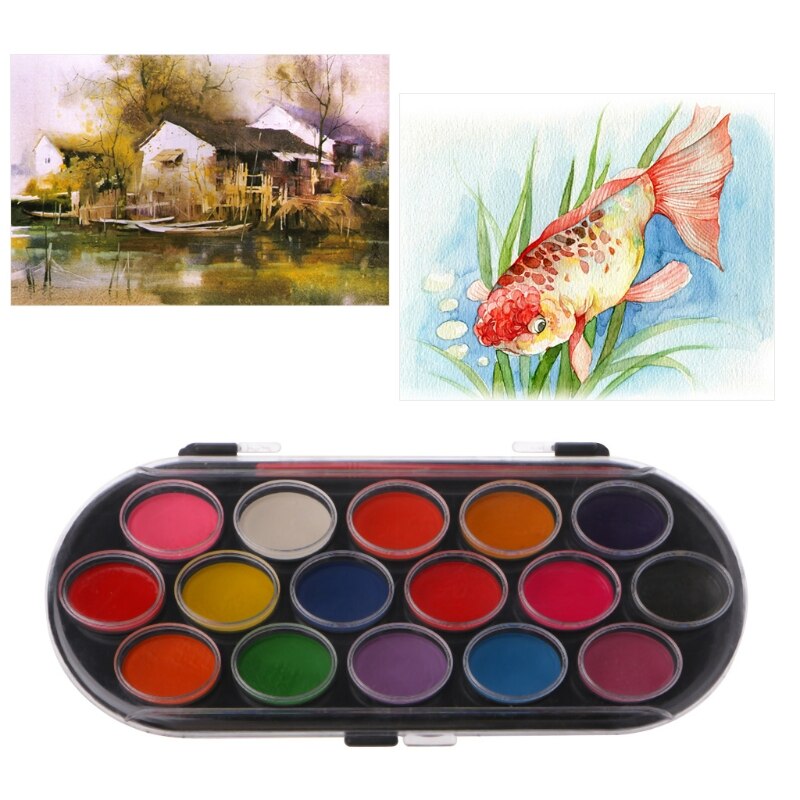
Creating a cohesive artwork series is an enriching journey that enables artists to explore their themes and skills more deeply. Utilizing your painting set effectively can help you develop a unique style and voice throughout the series. This approach allows for exploration of various techniques and subjects while ensuring that each piece contributes to a larger narrative or visual dialogue.
Developing a theme for your series is crucial; it enhances focus and direction. Start by reflecting on your interests, experiences, or emotions that resonate with you. Perhaps it’s a natural landscape, urban life, or human emotions that ignite your creativity. Once you’ve selected a theme, brainstorm color palettes, compositions, and styles that align with it. Consistency in these aspects not only ties the series together but also strengthens your artistic identity.
Benefits of Creating a Series for Artistic Growth
Creating a series of artworks offers numerous benefits that contribute to both personal and professional growth. Firstly, working on multiple pieces around a single theme fosters deeper exploration. It encourages experimentation with techniques and materials, pushing your boundaries as an artist. Artists often find that by repeating a theme, they refine their skills and develop a stronger understanding of their artistic voice.
Secondly, a series can enhance visibility and marketability. As a complete body of work, it attracts more attention from galleries and collectors, who often seek cohesive collections. This can lead to exhibitions and sales opportunities that might not arise from standalone pieces.
Additionally, the act of creating a series promotes discipline and commitment. Artists may find it easier to establish a regular practice when focused on a specific project, allowing for continuous improvement.
To ensure consistency across various pieces within the series, consider the following strategies:
– Choose a limited color palette that will be used throughout the series to create visual harmony.
– Maintain similar composition techniques or styles, whether it’s brushwork, layering, or color application.
– Develop a narrative or conceptual framework that connects each piece, allowing viewers to engage with the series as a whole.
These strategies will help unify your artworks, making the series not just a collection but a dialogue that speaks to your unique perspective as an artist.
The Role of Painting Sets in Art Education
Painting sets serve as fundamental tools in art education, offering structured resources that enhance the learning experience for students. They provide a foundational understanding of essential materials, enabling learners to explore various techniques and styles of painting. By using a standardized set, educators can create a consistent curriculum that fosters creativity while ensuring that students are equipped with the necessary tools to express themselves artistically.
In educational settings, painting sets are not only practical but also integral to developing artistic skills. They include a range of supplies such as brushes, paints, canvases, and palettes, which are vital for experimenting with different painting methods. Utilizing a standardized set simplifies the teaching process, allowing instructors to focus on imparting knowledge about color theory, brushwork, and composition without the distraction of varying materials. This consistency promotes a smoother learning curve and enhances students’ confidence as they progress through their artistic endeavors.
Benefits of Standardized Painting Sets in Teaching
The adoption of standardized painting sets in art education brings numerous advantages that can significantly impact students’ learning experiences and outcomes. Here are some crucial benefits:
- Uniformity in Learning: A standardized set ensures all students have access to the same quality and variety of materials, which leads to a more uniform learning experience across different classrooms.
- Focus on Technique: With all students using the same tools, instructors can concentrate on teaching painting techniques more effectively, such as blending, shading, and layering, without the complications arising from differing materials.
- Cost-Effectiveness: Standardized sets can lead to bulk purchasing, resulting in cost savings for educational institutions, which can then be redirected toward enhancing art programs.
- Easier Assessment: Having all students work with the same materials allows educators to assess their progress more accurately, as variations in outcomes are less influenced by differing quality of supplies.
Impact of Accessible Painting Sets on Aspiring Young Artists
The availability of affordable and accessible painting sets plays a vital role in nurturing young artists. When painting materials are easy to obtain and economical, it encourages more children to engage in artistic activities, thereby fostering creativity from an early age.
Accessible painting sets help to eliminate barriers that may prevent children from exploring their artistic potential. For instance, community programs that distribute painting sets enable kids from various backgrounds to participate in art classes, promoting inclusivity and diversity in artistic expression.
Moreover, the presence of these resources supports the development of essential cognitive and motor skills. Young artists learn to manipulate brushes and colors, enhancing hand-eye coordination and fine motor skills through practice. Furthermore, engaging in painting activities provides a therapeutic outlet for self-expression, helping children articulate their thoughts and feelings in a constructive manner.
In summary, the incorporation of painting sets in art education significantly enhances learning experiences, promotes uniformity in teaching, and inspires young artists to develop their skills and creativity.
Last Point
In summary, a painting set is more than just a collection of supplies; it is a versatile tool that nurtures artistic growth and exploration. From understanding the essential components to mastering various techniques, a well-chosen painting set can provide the framework for endless creativity. So, whether you’re starting your artistic journey or looking to refine your skills, investing in the right painting set can make all the difference in your creative endeavors.
FAQ Compilation
What types of painting mediums are included in sets?
Painting sets typically include mediums like acrylics, watercolors, and oils, each offering unique properties and techniques.
How can I enhance my creativity with a painting set?
Using a painting set allows for experimentation with different styles and techniques, which can spark new ideas and creativity.
Are painting sets suitable for all skill levels?
Yes, there are painting sets designed specifically for beginners, intermediates, and advanced artists, making them accessible to everyone.
How should I store my painting supplies?
It’s best to store painting supplies in a cool, dry place, and organize them in containers to prevent damage and ensure easy access.
Can I create a series of artworks using one painting set?
Absolutely! A painting set can be used to create a cohesive series by maintaining consistent techniques and themes across the works.