 Nolan Paxton
Memory games have emerged as a fascinating blend of entertainment and cognitive enhancement, engaging people across all age groups. These games not only challenge our memory but also provide numerous cognitive benefits, such as improved attention span and focus.
From children to seniors, memory games cater to various preferences, making them an enjoyable way to boost mental agility. As technology evolves, so do the ways we play these games, with mobile applications transforming the landscape and offering new levels of engagement.
Memory games provide cognitive benefits that enhance mental function in individuals of all ages.
Engaging in memory games is not just a fun pastime; it also serves as a powerful tool for enhancing cognitive abilities across various age groups. These games challenge players to recall information, recognize patterns, and solve problems, thereby stimulating brain activity. As a result, individuals can experience improvements in various cognitive functions, including memory retention, problem-solving skills, and overall mental agility.
Participating in memory games can lead to significant cognitive benefits that enhance mental functions. These benefits can be categorized into several key areas, including improved memory recall, increased processing speed, and better problem-solving abilities.
Improvement in Attention Span and Focus
Focusing attention and maintaining concentration are critical skills that can be significantly enhanced through memory games. These games require players to pay close attention to details and make quick decisions, which helps in training the brain to focus better over time. Engaging regularly in such activities can also lead to longer attention spans in daily tasks.
To illustrate the cognitive benefits, here are some specific memory games that effectively target cognitive skills:
- Matching Games: These games involve flipping cards to find pairs, exercising visual memory and concentration.
- Simon Says: This classic game enhances auditory memory by requiring players to repeat increasingly complex sequences of colors and sounds.
- Crossword Puzzles: Solving these puzzles improves verbal memory and problem-solving skills, while also expanding vocabulary.
- Memory Apps: Numerous apps are available that offer various memory challenges tailored to different age groups, helping to keep the brain engaged and sharp.
Incorporating memory games into daily routines can have profound implications on cognitive health. Regular engagement with these types of activities not only provides entertainment but also promotes brain health, making it an excellent practice for individuals seeking to maintain or enhance their mental faculties as they age.
Different types of memory games cater to diverse age groups and preferences.
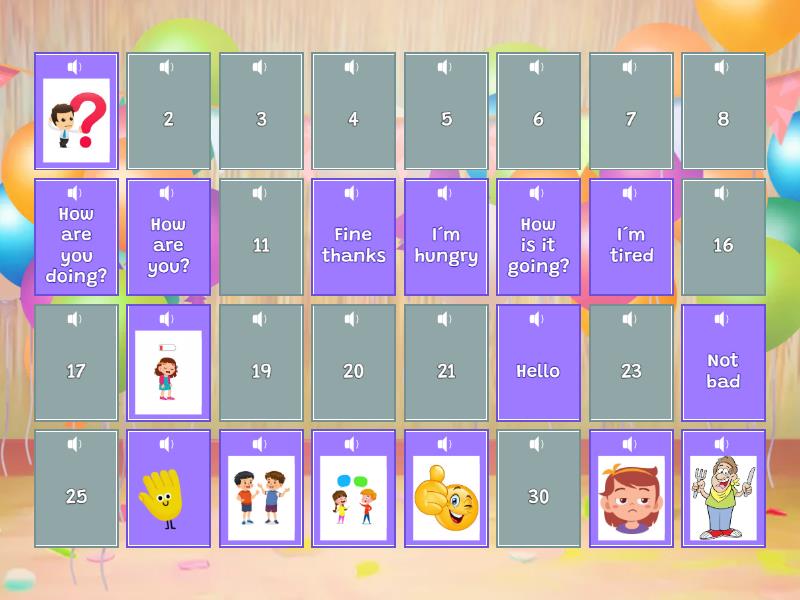
Memory games are not just entertaining; they serve as effective tools for cognitive development across various age groups. Tailoring these games to specific ages and interests ensures that players remain engaged and challenged. Below are insights into different types of memory games, showcasing how they cater to children, adults, and seniors.
Memory Games for Children
Children thrive on play that combines fun with learning. Memory games designed for this age group often incorporate colorful visuals, engaging themes, and simple mechanics. These games not only enhance memory retention but also develop critical thinking and problem-solving skills. The following are popular types of memory games suitable for children:
- Picture Matching Games: These games feature cards with various images that players must flip over to find pairs. For example, a game with animals or cartoon characters can captivate young players while improving their visual memory.
- Story-Based Memory Games: Games that include characters and narratives allow children to remember sequences of events. An example is a game where players need to recall what a character did in a story, reinforcing both memory and storytelling skills.
- Interactive Memory Apps: Digital memory games available on tablets or smartphones are designed with appealing graphics and sound effects. Games like “Simon Says” require players to follow sequences, enhancing auditory and visual memory.
- Educational Memory Games: These focus on learning subjects such as letters, numbers, or shapes. For instance, a numbers memory game can help children recognize and memorize numbers while having fun.
Memory Games Popular Among Adults and Seniors
Memory games for adults and seniors often lean towards more complex strategies and themes. These games not only provide entertainment but also stimulate mental faculties, making them a valuable tool for cognitive health. Examples include:
- Classic Card Matching Games: Games like Concentration challenge players to remember the locations of matching pairs, which is both engaging and beneficial for memory retention.
- Trivia and Quiz Games: Games such as Trivial Pursuit require players to recall information from various categories, which not only tests memory but also broadens knowledge.
- Sudoku and Crossword Puzzles: These games enhance cognitive skills through logic and vocabulary, making them popular among older adults seeking mental challenges.
- Board Games with Strategy: Games like Scrabble or Settlers of Catan require players to remember rules, vocabulary, and strategies, promoting social interaction while keeping the mind sharp.
Themes in Memory Games
Themes play a crucial role in attracting different players to memory games. A well-chosen theme can significantly enhance the appeal and engagement level of the game. Here are some examples of how themes can attract various players:
- Fantasy Themes: Games featuring fantasy elements, such as dragons or magical creatures, often attract children and young adults, sparking their imagination and curiosity.
- Historical Themes: Memory games based on historical events or figures can engage adults and seniors interested in history, providing a fun way to learn while exercising their memory.
- Pop Culture Themes: Incorporating elements from movies, music, or current trends can appeal to young adults who enjoy games that reflect their interests.
- Nature and Animals: Games that use themes revolving around nature or animals can attract players of all ages, fostering a connection with the environment while sharpening memory skills.
Technology has transformed the way memory games are played and accessed.
The evolution of technology has significantly reshaped the landscape of memory games, moving them from traditional formats to innovative digital platforms. This transformation has broadened accessibility and enhanced the gaming experience for players of all ages. With the advent of mobile applications and online platforms, memory games have become more interactive and engaging, appealing to a modern audience eager for both entertainment and cognitive development.
Impact of Mobile Applications on Memory Games
Mobile applications have revolutionized memory games by introducing features that enhance user engagement and accessibility. Players can now enjoy memory games anytime and anywhere, making them a convenient option for quick gameplay during breaks or while commuting. The integration of features such as leaderboards, social sharing, and in-game rewards fosters a sense of competition and community among players.
- Accessibility: Mobile apps allow players to access memory games from their smartphones or tablets, eliminating the need for physical game pieces and boards.
- Variety: Digital platforms offer a wide range of memory games with varying themes and difficulty levels, catering to different skill sets and preferences.
- Interactivity: Many applications incorporate interactive elements, such as animations and sounds, which enhance the overall gaming experience.
- Personalization: Players can often customize their avatars or game settings, making the experience more personal and engaging.
Engagement Comparison: Traditional vs. Digital Memory Games
When comparing traditional memory games to their digital counterparts, several aspects of engagement come into play. Traditional games often foster face-to-face interaction, encouraging social bonding among players. However, digital games can enhance engagement through immersive experiences and the addition of gamification elements.
- Social Interaction: Traditional memory games typically require physical presence, which can strengthen relationships but may limit participation to local groups.
- Challenge Levels: Digital versions allow for adjustable difficulty settings, ensuring that players are constantly challenged and motivated to improve.
- Instant Feedback: Digital platforms provide immediate feedback on performance, allowing players to track their progress and adjust strategies in real-time.
- Visual and Audio Stimuli: Digital memory games can incorporate rich graphics and sounds that contribute to a more stimulating environment compared to traditional games.
Advantages and Disadvantages of Online vs. Offline Memory Games
Playing memory games online offers both benefits and drawbacks compared to offline gaming. Understanding these aspects can help players make informed choices about how they prefer to engage with memory games.
- Advantages of Online Gaming:
- Convenience: Players can access games anytime without needing physical materials.
- Global Reach: Online platforms connect players from different locations, creating diverse interaction opportunities.
- Continuous Updates: Developers can frequently introduce new games and updates, keeping the content fresh and exciting.
- Disadvantages of Online Gaming:
- Screen Fatigue: Prolonged screen time can lead to eye strain and fatigue, affecting overall enjoyment.
- Distraction: Online environments can be prone to distractions, leading to fragmented focus during gameplay.
- Dependency on Technology: Players must have access to devices and internet connectivity, which may not always be available.
- Advantages of Offline Gaming:
- Social Engagement: Traditional games encourage face-to-face interactions that can strengthen relationships and create memorable experiences.
- No Distractions: Offline memory games offer a focused environment, minimizing interruptions and enhancing concentration.
- Disadvantages of Offline Gaming:
- Limited Accessibility: Players need to gather in person, which can limit participation based on location and availability.
- Less Variety: Traditional games may not offer the same variety and complexity available in digital versions.
“The transition from traditional to digital memory games has not only transformed how we play but also expanded our cognitive horizons, making learning and entertainment more intertwined.”
The role of memory games in educational settings enhances learning processes.
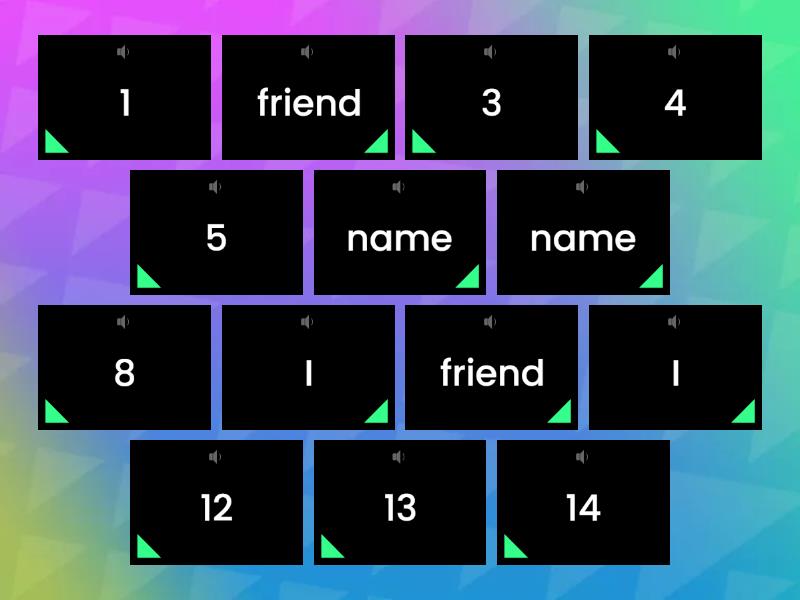
Memory games are powerful tools in educational settings, as they engage students actively and enhance their ability to retain and recall information. These games provide a fun yet structured way to improve cognitive skills, making learning processes more effective. By tapping into the natural dynamics of memory, these games can be integrated across various subjects, fostering a more interactive and memorable learning experience.
Strategies for incorporating memory games into classroom activities
Integrating memory games into classroom activities can be straightforward and highly effective. Teachers can use various strategies to incorporate these games seamlessly into their lesson plans, enhancing student engagement and retention of information.
- Utilize flashcards: Create flashcards with key terms or concepts relevant to the subject matter. Students can play matching games or quiz each other, reinforcing their understanding in a collaborative environment.
- Incorporate digital memory games: Many online platforms offer educational memory games tailored to specific subjects. These can be utilized during computer lab sessions or as homework assignments to reinforce learning outside of the classroom.
- Create themed memory challenges: Design games around specific themes or units of study, where students must remember important facts, vocabulary, or historical events related to the topic. This not only reinforces knowledge but also makes the learning process enjoyable.
Reinforcement of subject matter across different disciplines
Memory games are versatile and can be tailored to reinforce subject matter across various disciplines. The adaptability of these games allows educators to create a rich learning environment that supports cross-curricular integration.
- Language arts: Memory games focusing on vocabulary, grammar rules, or literary terms can help students improve their language skills while having fun.
- Mathematics: Games that require students to remember mathematical formulas or operations can aid in developing their problem-solving abilities and enhance their understanding of complex concepts.
- Science: Using memory games to memorize the periodic table, biological classifications, or historical scientific discoveries can make learning more interactive and memorable for students.
Impact of collaborative memory games in fostering teamwork among students
Collaborative memory games play a significant role in fostering teamwork and social skills among students. By encouraging cooperation, these games create an inclusive atmosphere that promotes collective learning.
- Enhancing communication: Students must communicate effectively to strategize and recall information, which builds their interpersonal skills and encourages group discussion.
- Building trust: Working together on memory games helps students develop trust in their peers, as they rely on each other to achieve common goals.
- Encouraging healthy competition: Collaborative memory games can instill a sense of camaraderie, where groups compete against each other in a friendly manner, motivating students to support one another and celebrate shared achievements.
“Memory games not only enhance cognitive skills but also foster important social interactions essential for holistic student development.”
Designing your own memory games can be a creative and rewarding endeavor.
Creating your own memory game is not only an engaging activity but also a fantastic way to exercise your creativity. Personalizing a game allows you to infuse your thematic ideas, making it unique and tailored to the preferences of your target audience. This process can be both fun and educational, enhancing your understanding of game design while promoting cognitive skills in players.
The journey of designing a memory game involves several key steps, such as brainstorming themes, selecting materials, and testing the game’s effectiveness. This process helps ensure that the final product is enjoyable and serves its intended purpose effectively. Below are detailed steps and considerations to guide you through creating your personalized memory game.
Steps for Creating a Personalized Memory Game
Before getting started, it’s important to understand the essential components of the game. Here’s a structured approach to help you craft your memory game:
- Choose a Theme: Determine a theme that resonates with your target audience, such as animals, famous landmarks, or even pop culture references.
- Select Materials: Decide on the materials you will use for the game. Options include cardstock, cardboard, or even digital platforms for an online version.
- Create Game Cards: Design pairs of cards that relate to your chosen theme. Each card should have an image or word that corresponds with its pair.
- Determine Game Rules: Establish clear rules on how the game will be played, including turn-taking, winning conditions, and any special actions.
- Test the Game: Playtest the game with friends or family to gauge its effectiveness and make adjustments as necessary.
It’s crucial to remember that playtesting can reveal unexpected challenges that may require you to refine your game mechanics or card designs.
Materials Needed for Memory Game Creation
The right materials can significantly enhance the overall quality and durability of your memory game. Below is a list of commonly used materials along with their functions:
- Cardstock or Cardboard: These materials are ideal for creating sturdy cards that withstand repeated use.
- Markers or Colored Pencils: Use these for designing and coloring your game cards, bringing your theme to life visually.
- Printer: If you’re creating a digital version, a printer can help produce high-quality images for physical cards.
- Scissors or a Cutter: Necessary for cutting out your cards from larger sheets.
- Glue: For attaching images or decorative elements to the cards, if necessary.
Each of these materials contributes to the tactile experience of the game, enhancing engagement and enjoyment.
Testing the Game’s Effectiveness
To ensure your memory game is both fun and functional, it is important to test its effectiveness. Here are a few ways to do so:
Game effectiveness is measured by player engagement, enjoyment, and the ability to achieve the intended cognitive challenge.
You can assess the game’s effectiveness by conducting the following:
- Conduct Playtests: Gather a group of diverse players and observe their interactions with the game. Take notes on their feedback and any difficulties they encounter.
- Adjust Difficulty Levels: Ensure that the game challenges players appropriately without being overly frustrating. Adjust the number of pairs or complexity based on feedback.
- Gather Feedback: After playtesting, ask players open-ended questions about their experience, which will help fine-tune the game.
- Iterate Based on Results: Use the feedback to make necessary changes, whether that involves redesigning cards or modifying rules.
This iterative process of testing and refining helps create a well-balanced game that can be enjoyed by all players.
Adapting Existing Memory Game Formats for Unique Themes
Adapting existing memory game formats allows for endless creativity and personalization. Here are some ideas to cultivate unique themes or targeted audiences:
- Professional Themes: Create a memory game based on industry-specific terminology or concepts to assist with learning in a fun way.
- Seasonal Themes: Develop games that reflect seasonal events like holidays, using imagery associated with those occasions.
- Educational Content: Use the game format to reinforce educational material, such as vocabulary, math problems, or historical facts.
- Artistic Designs: Incorporate original artwork or photography to create a visually stunning version of traditional memory games.
By implementing these adaptations, you can widen the appeal of your memory game and create a more meaningful play experience for various audiences.
Memory games can be a crucial tool in therapeutic settings for cognitive rehabilitation.
Memory games serve as effective therapeutic tools in cognitive rehabilitation, particularly for individuals facing challenges such as dementia and recovery from injuries. Engaging in these games not only promotes cognitive engagement but also provides an enjoyable way to enhance memory function and improve overall mental health. This section delves into how memory games are applied in therapy, especially for dementia patients, and the broader benefits they offer in rehabilitation contexts.
Utilization of Memory Games in Therapy for Dementia Patients
Memory games are frequently integrated into therapeutic sessions for dementia patients to stimulate cognitive functioning and provide mental exercise. These games are designed to target specific cognitive skills, such as recall, recognition, and attention. By playing memory games, patients can improve their brain function, resulting in better communication abilities and emotional wellbeing.
Key approaches include:
- Personalized Game Selection: Therapists often choose games that align with the patient’s interests or past experiences, making them more engaging and effective.
- Social Interaction: Many memory games are designed for multiple players, encouraging social interaction which can help reduce feelings of isolation commonly experienced by dementia patients.
- Incremental Difficulty: Therapists can adjust the complexity of the games to match the patient’s cognitive level, promoting a sense of achievement while preventing frustration.
“Engagement in memory games has shown to slow the progression of cognitive decline in dementia patients.”
Therapeutic Benefits of Memory Games for Individuals Recovering from Injuries
For individuals recovering from neurological injuries or surgeries, memory games play a significant role in rehabilitation. They help patients regain cognitive skills that may have been impaired due to trauma while offering a structured way to practice and reinforce these skills.
The benefits include:
- Cognitive Reinforcement: Regular engagement with memory games aids in the rebuilding of neural pathways, enhancing cognitive recovery processes.
- Motivation and Engagement: Games facilitate a fun and motivating environment, essential for maintaining focus and effort during rehabilitation.
- Error Correction: Patients can practice their skills in a low-stakes environment, allowing them to learn from mistakes without the pressure of real-world consequences.
“Incorporating memory games into therapy can lead to significant improvements in cognitive function post-injury.”
Case Studies of Successful Memory Game Interventions in Therapy
Several case studies illustrate the positive impact of memory games in therapeutic settings. One notable case involved a 70-year-old woman with early-stage Alzheimer’s disease. Her therapist introduced personalized memory games, focusing on family photos and familiar locations. Over six months, her ability to recognize family members improved significantly, which was reflected in her enhanced mood and social interactions.
Another example is a rehabilitation center where memory games were implemented as part of a comprehensive cognitive therapy program for stroke patients. The center reported that 80% of participants showed measurable improvements in memory recall and problem-solving skills after a series of structured memory game sessions.
These real-life examples demonstrate the effectiveness of memory games in enhancing cognitive rehabilitation, leading to better outcomes for patients dealing with memory-related challenges.
The social aspect of memory games can strengthen relationships and community bonds.
Memory games are more than just a fun pastime; they serve as a powerful tool for fostering connections among family members and community members alike. Engaging in these games can lead to meaningful interactions and shared experiences that enhance relationships. As players collaborate, compete, and communicate, they create lasting memories that deepen their bonds.
Playing memory games can significantly encourage social interactions among family members. These games often bring together players of different ages, allowing for family members to connect regardless of generational gaps. The collaborative and competitive nature of memory games prompts laughter, storytelling, and shared moments that contribute to stronger family ties.
Benefits of organizing memory game nights in community settings
Community game nights that focus on memory games provide numerous benefits, making them an excellent choice for social events. These gatherings create opportunities for individuals to come together, share experiences, and foster a sense of belonging. Here are some key advantages:
- Encouraging Socialization: Community game nights promote interaction among participants, helping to break down barriers and build friendships.
- Strengthening Community Spirit: These events can enhance community cohesion, as people come together for a common purpose, fostering unity and collaboration.
- Opportunities for Intergenerational Connections: Memory games attract players of all ages, allowing younger and older generations to bond over shared gameplay.
- Reducing Loneliness: Organizing regular memory game nights can alleviate feelings of isolation among community members, creating a friendly and welcoming atmosphere.
- Fun and Engagement: Participants experience entertainment and engagement, which can lead to improved mental well-being and a positive outlook.
Memory games can also create memorable experiences that resonate with players long after the game is over. For instance, consider a small community that organized a memory game tournament. Families joined forces, forming teams that spurred friendly rivalry. As laughter filled the air, stories from childhood emerged, with players reminiscing about their own experiences. These moments not only enriched the game but also strengthened ties among participants, leading to new friendships and shared traditions.
“Playing memory games together can turn strangers into friends and families into closer units.”
In conclusion, the social aspect of memory games plays a vital role in enhancing relationships and community bonds. By encouraging interactions and creating shared experiences, these games serve as a catalyst for stronger connections and a sense of belonging.
Evaluating the effectiveness of memory games requires careful observation and feedback.
Evaluating memory games is crucial to understanding their impact on cognitive skills. This assessment ensures that these games are not only entertaining but also effective in enhancing memory capabilities. By focusing on specific metrics and incorporating player feedback, developers can refine their designs to maximize benefits for users.
Key Metrics for Success
When assessing the effectiveness of memory games, several key metrics can provide valuable insights into their success. These metrics help gauge improvements in memory skills and overall user engagement.
- Improvement in Recall Time: Tracking the time taken by players to recall information or complete tasks can indicate the effectiveness of the game in enhancing memory speed.
- Accuracy of Responses: Monitoring the number of correct responses versus incorrect ones can help determine how well players are retaining information.
- Player Engagement Levels: Assessing how long and frequently players engage with the game can highlight its appeal and effectiveness in maintaining interest.
- Progress Over Time: Analyzing player performance over multiple sessions allows for tracking improvements in memory skills, providing a clearer picture of long-term benefits.
Importance of Player Feedback
Player feedback is invaluable in refining memory game designs. It provides direct insights into user experiences, preferences, and challenges faced while playing.
- Identifying Difficulties: Players often highlight specific areas where they struggle, allowing designers to adjust difficulty levels appropriately.
- Enhancing User Experience: Feedback can offer suggestions for improving game mechanics, visuals, and overall enjoyment, making the game more appealing.
- Feature Requests: Players may propose new features or game modes that could enhance engagement and effectiveness.
- Gathering Emotional Responses: Understanding how players feel during and after gameplay can inform enhancements that promote positive experiences.
Framework for Analyzing Impact Over Time
To effectively analyze the impact of memory games over time, a structured framework is essential. This framework allows for systematic data collection and analysis to measure long-term cognitive benefits.
- Baseline Assessment: Establishing initial memory skill levels through standardized tests before gameplay to serve as a reference point.
- Regular Monitoring: Implementing periodic assessments to track changes in memory skills, noting improvements or regressions after consistent gameplay.
- Comparative Analysis: Comparing data against control groups (non-gamers or different types of games) to determine the specific effects of memory games.
- Longitudinal Studies: Conducting studies over extended periods to assess sustainability of memory improvements and any emerging trends.
Effective evaluation relies on a combination of measurable data and qualitative feedback to create a holistic view of memory games’ impact.
Final Summary
In summary, memory games serve as a versatile tool for cognitive development, education, and social interaction. Whether you’re designing your own game or enjoying a classic with friends and family, the benefits of these engaging activities extend far beyond mere entertainment.
FAQ Insights
What age group benefits the most from memory games?
All age groups can benefit, but children and seniors often see the most significant improvements in cognitive skills.
Do memory games really improve attention span?
Yes, consistent play can enhance attention span by training the brain to focus better.
Are digital memory games as effective as traditional ones?
Digital games can be equally effective, often offering more engaging formats and instant feedback.
Can you use memory games in professional settings?
Absolutely, they can be used for team building and improving collective cognitive functions in workplaces.
How can memory games help in therapy?
Memory games are used in therapy to aid cognitive rehabilitation for conditions like dementia and brain injuries.