 Nolan Paxton
Educational & STEM Toys are not just playthings; they are powerful tools that enhance a child’s learning journey. By blending fun with education, these toys help children explore the world around them, igniting curiosity and fostering a love for learning. As children engage with these innovative toys, they develop essential skills that pave the way for future success in various fields.
From building blocks that encourage spatial awareness to science kits that stimulate inquiry and experimentation, Educational & STEM Toys are designed to cater to diverse learning styles. They play a pivotal role in cognitive and social development, aligning closely with key milestones in a child’s growth, including creativity, critical thinking, and collaboration. These toys not only entertain but also empower young minds to think outside the box and solve problems effectively.
The importance of educational and STEM toys in child development
Educational and STEM toys play a crucial role in fostering cognitive and social development in children. These toys are designed not only for entertainment but also to stimulate critical thinking, creativity, problem-solving skills, and collaboration among peers. By engaging with these toys, children participate in hands-on learning experiences that enhance their understanding of science, technology, engineering, and mathematics in a fun and interactive way.
The impact of educational and STEM toys on child development is profound. They serve as tools that bridge the gap between theoretical knowledge and practical application, allowing children to explore concepts in an engaging manner. Through play, children can develop essential skills that are foundational for their future success. For example, when children engage with building blocks or robotics kits, they learn to understand spatial relationships, programming, and engineering principles. These experiences contribute significantly to their cognitive development and pave the way for academic achievement.
Key developmental milestones achieved through educational and STEM toys
Educational and STEM toys facilitate the achievement of various developmental milestones. Three critical milestones that can be reached through the use of these toys include:
- Problem-solving skills: Engaging with STEM toys challenges children to think critically and find solutions to complex problems. For instance, puzzle games require them to strategize and employ logical reasoning.
- Social skills: Many educational toys encourage collaborative play, which allows children to interact with peers. Activities such as group building projects or science experiments foster teamwork and communication, essential aspects of social development.
- Creativity and imagination: Open-ended toys, such as art kits, allow children to explore their creative side. These toys encourage them to think outside the box and express themselves, which is vital for cognitive flexibility and innovation.
The utilization of educational and STEM toys is instrumental in fostering creativity and critical thinking skills among young learners. These toys provide a safe space for exploration and experimentation. Children learn to hypothesize, test their ideas, and reflect on their findings, which enhances their analytical skills.
For example, when children play with a chemistry set, they are not just following instructions; they are encouraged to ask questions and investigate the outcomes of their experiments. This hands-on approach nurtures a mindset of inquiry and curiosity. Such experiences help children to develop the confidence to tackle challenges and learn from failures, which are key elements of resilience in learning.
Furthermore, educational toys often come with complex challenges that require children to devise strategies and implement solutions. This process of trial and error strengthens their ability to think critically and approach problems methodically. Through this engaging learning environment, children not only acquire knowledge but also learn to collaborate, innovate, and persist in the face of challenges. Thus, educational and STEM toys are not merely playthings; they are essential tools in shaping the minds of future thinkers and innovators.
A comparison of different types of educational and STEM toys available in the market
Educational and STEM toys play a vital role in children’s development, promoting critical thinking, creativity, and problem-solving skills. With numerous options available, parents and educators can choose from various categories that cater to different learning styles. This comparison will explore five categories of educational toys, highlighting their unique features and the benefits they bring to young learners.
Categories of Educational and STEM Toys
Understanding the different types of educational toys helps in selecting the right ones that align with a child’s learning style. Below are five prominent categories along with examples and their benefits:
- Building Sets
“Building sets encourage creativity and spatial reasoning.”
Examples include LEGO bricks and K’NEX. These sets allow children to construct their own designs, which enhances fine motor skills and spatial awareness while catering to visual and kinesthetic learners.
- Science Kits
“Science kits inspire curiosity and scientific inquiry.”
Examples like National Geographic Science Kits and Snap Circuits engage children in hands-on experiments. These kits foster a love for science and a methodical approach to problem-solving, appealing primarily to those who learn through experience.
- Math Games
“Math games make learning numbers engaging and fun.”
Products such as Sum Swamp and Zingo Math help children practice math skills in a playful context. These encourage logical reasoning and cater to both auditory and visual learners through interactive gameplay.
- Robotics Toys
“Robotics toys bridge the gap between technology and play.”
Examples like Ozobot and LEGO Mindstorms allow children to program and control robots. These toys appeal to logical-mathematical learners, enhancing coding skills and understanding of technology through practical applications.
- Creative Arts and Crafts
“Arts and crafts promote self-expression and innovation.”
Kits like Crayola Inspiration Art Case and Klutz Make Your Own Soap allow for creative exploration. These toys cater to artistic learners, fostering imagination and fine motor skills through hands-on creative projects.
Comparison Table of Popular Toys in Each Category
The following table Artikels the pros and cons of popular educational toys across different categories, helping parents make informed choices.
| Category | Toy Example | Pros | Cons |
|---|---|---|---|
| Building Sets | LEGO | Encourages creativity, improves spatial awareness | Pieces can be lost; may require adult supervision for younger children |
| Science Kits | National Geographic Science Kit | Hands-on learning, fosters scientific curiosity | Some kits may require adult assistance, can be messy |
| Math Games | Sum Swamp | Engaging, reinforces math skills | May not cover advanced concepts for older children |
| Robotics Toys | LEGO Mindstorms | Teaches programming and engineering principles | Can be complex; higher price point |
| Creative Arts and Crafts | Crayola Inspiration Art Case | Encourages creativity, broad range of materials | Can lead to mess; requires storage space |
The role of parents and educators in selecting appropriate educational and STEM toys
Parents and educators play a pivotal role in shaping children’s learning experiences, especially through the selection of educational and STEM toys. These toys are designed to foster critical thinking, creativity, and problem-solving skills, making them an essential part of a child’s development. With a plethora of options available on the market, it is crucial for caregivers to be discerning in their choices, ensuring that the toys they select promote effective learning while also being safe and engaging for children.
When considering educational and STEM toys, certain criteria should guide parents and educators. These include developmental appropriateness, safety standards, educational value, and the ability to engage children in meaningful ways. By understanding these factors, caregivers can make informed decisions that cater to the needs of the child and their learning environment.
Criteria for Selecting Educational and STEM Toys
Choosing the right educational and STEM toys requires careful consideration of various attributes. The following points elucidate the important criteria to evaluate:
- Age Appropriateness: Toys should match a child’s developmental stage, ensuring they can engage with the toy effectively.
- Safety Standards: Verify that toys are made from non-toxic materials and meet safety regulations to prevent hazards.
- Educational Value: Select toys that encourage skills such as critical thinking, creativity, and collaboration, contributing to holistic development.
- Engagement Level: Toys that spark curiosity and interest promote active participation and prolonged use, enhancing learning outcomes.
- Durability: High-quality, robust materials ensure longevity, allowing for repeated use without compromising safety or functionality.
To further ensure that selected toys are suitable for children, parents can reference key questions that reflect safety and educational integrity. These questions include:
- Does the toy align with the child’s current developmental skills and interests?
- Are the materials used in the toy safe and non-toxic?
- Does the toy promote critical thinking or problem-solving abilities?
- Is the toy adaptable for various play scenarios to encourage creativity?
- What are the reviews from other parents or educational professionals regarding this toy?
Integrating educational and STEM toys into everyday learning and play can significantly enhance a child’s learning experience. These toys can serve as valuable tools for reinforcing concepts learned in school, offering practical applications of theoretical knowledge.
“Learning through play fosters curiosity and a love for exploration.”
For instance, using building blocks can teach principles of engineering and architecture while providing hands-on experience in construction. Similarly, science kits allow children to conduct experiments that tie into their curriculum, enabling them to visualize and understand scientific theories in a tangible way. Incorporating these toys into daily routines, such as family game nights or dedicated learning time, can facilitate a fun and enriching environment, promoting both learning and bonding among family members. By actively engaging with children during play, parents and educators can model curiosity and enthusiasm for learning, making educational pursuits enjoyable and impactful.
The impact of technology on the evolution of educational and STEM toys

The integration of technology into educational and STEM toys has revolutionized the way children learn and play. Traditional toys, often simple and static, have transformed into dynamic learning tools that engage young minds in innovative ways. This technological evolution not only enhances the educational value of these toys but also aligns with the digital age that children are growing up in.
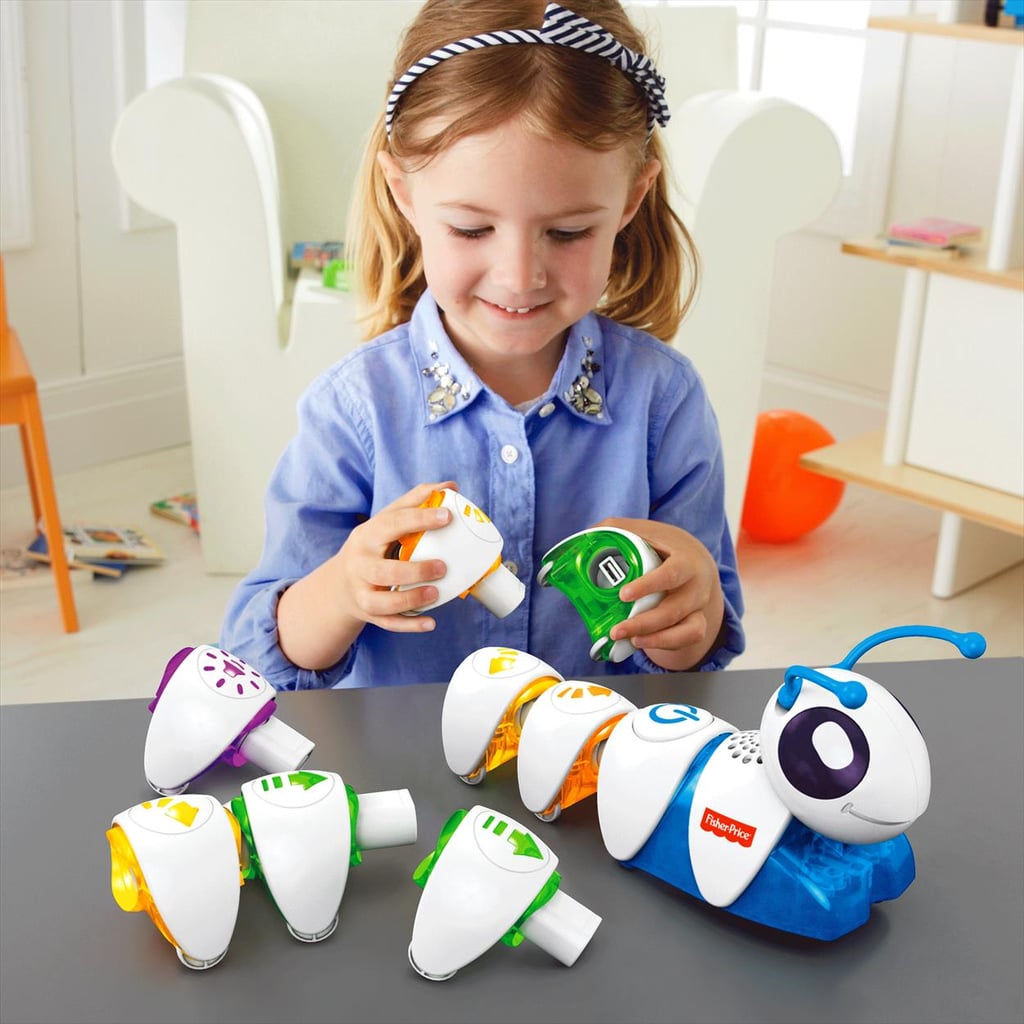
The transformation of educational toys into technologically advanced learning tools can be attributed to the rapid advancements in software and hardware. For instance, toys equipped with sensors and interactive features foster a hands-on learning experience. Products like programmable robots or smart building blocks allow children to explore concepts such as coding, engineering, and robotics through play. Such toys often include mobile applications that provide additional layers of interactivity, offering tutorials, challenges, and games that adapt to the child’s learning pace. This blend of physical and digital play embodies the modern learning environment, which is focused on interactivity and engagement.
Benefits and drawbacks of incorporating technology into playtime
While there are numerous advantages to combining technology with play, it is essential to acknowledge the potential drawbacks as well. The following points highlight the implications of this trend:
- Enhanced Engagement: Technological toys often captivate children’s attention longer, making learning more enjoyable.
- Skill Development: Toys that incorporate coding and problem-solving encourage critical thinking and creativity.
- Accessibility: Many tech-based educational toys provide interactive feedback that can support various learning styles and needs.
- Screen Time Concerns: The shift towards technology may lead to increased screen time, raising concerns about excess exposure to screens.
- Dependency: Children might become reliant on tech for entertainment and learning, potentially limiting their imaginative play.
As we look to the future, trends in educational and STEM toys are increasingly leaning towards using technology in innovative ways to create enriched learning experiences. For example, augmented reality (AR) is making waves, allowing children to visualize complex concepts interactively. Imagine a child using a tablet to see a 3D model of the solar system come to life in their living room; this immersive experience can significantly deepen understanding and retention. Moreover, artificial intelligence (AI) is being integrated into toys, enabling personalized learning paths and adaptive challenges that can respond to a child’s progress. Such advancements suggest that the future of educational toys will be defined by interactivity, personalization, and a greater alignment with real-world applications, ensuring that children are not just passive consumers of technology but active participants in their learning journey.
Creative ways to use educational and STEM toys for collaborative learning
Educational and STEM toys are not just tools for individual learning; they can also foster collaboration among children in group settings. By engaging in collaborative play, children develop essential communication skills, enhance their ability to work within a team, and cultivate problem-solving skills. This form of learning encourages sharing of ideas and perspectives, enriching the educational experience.
One effective method for using educational and STEM toys in collaborative settings is through group challenges. These challenges can be designed to spark teamwork and innovation while allowing children to leverage their individual strengths. Here are three creative methods to promote collaboration among children using these toys:
Collaborative Building Projects
Building projects using construction sets or robotics kits can be an excellent way for children to work together. By assigning roles and responsibilities, each child can contribute to the project in a unique way. For instance, one child can focus on the design, another on construction, and a third on testing the project.
“Teamwork makes the dream work.”
Interactive Science Experiments
Conducting science experiments as a group is another engaging way to use STEM toys collaboratively. Children can take turns leading different aspects of the experiment, such as making predictions, conducting the experiment, and analyzing results. This not only promotes teamwork but also enhances their understanding of scientific concepts.
Creative Storytelling with Toys
Using educational toys as props in storytelling encourages children to collaborate on narrative creation. Each child can contribute to the story, using the toys to represent characters or scenes. This method not only boosts creativity but also fosters communication and negotiation skills as children share their ideas and build on each other’s contributions.
Engaging in collaborative play has significant effects on children’s communication skills. When children work together, they are encouraged to express their thoughts clearly and listen to others. This mutual exchange of ideas is crucial for developing effective communication, as it teaches children how to articulate their viewpoints while also valuing the input of their peers.
Parents and educators can design activities around these collaborative learning opportunities by organizing game days, science fairs, or building challenges. For example, setting up a “STEM Olympics” event where children compete in teams to solve problems or create structures can be a fun and educational way to promote teamwork. Additionally, family game nights using educational board games can provide an engaging platform for collaborative problem-solving and strategic thinking among children.
Through these creative methods, educational and STEM toys can significantly enhance collaborative learning experiences, equipping children with the skills they need to succeed in both academic and social settings.
Evaluating the effectiveness of educational and STEM toys in real learning scenarios
Assessing the impact of educational and STEM toys on children’s learning can seem daunting, yet it provides crucial insights into how these tools facilitate cognitive and skill development. By systematically evaluating these toys, educators and parents can understand their effectiveness and make informed decisions. The evaluation process often involves a combination of qualitative and quantitative measures to capture the full spectrum of learning outcomes associated with these toys.
One effective approach to assessing the impact of educational and STEM toys is through direct observation and structured assessments. This can include pre- and post-intervention evaluations that measure children’s knowledge, skills, and engagement levels. Comparisons can be made against traditional learning methods to highlight differences in outcomes. Here are some evaluation methods and their significance:
Methods for Evaluating Learning Outcomes
To accurately evaluate the effectiveness of educational and STEM toys, several methods can be employed, each contributing unique insights into children’s learning experiences:
- Standardized Testing: Utilizing tests designed to measure specific skills or knowledge before and after the introduction of these toys can provide quantitative data on learning gains.
- Qualitative Assessments: Interviews and feedback from children, parents, and educators can reveal insights into engagement and enjoyment, which are critical components of effective learning.
- Case Studies: Detailed examinations of individual or group experiences with educational toys can showcase significant learning improvements and areas for further enhancement.
- Longitudinal Studies: Tracking children’s progress over time provides a comprehensive view of how sustained interaction with educational toys impacts learning and development.
An exemplary case study that highlights the effectiveness of STEM toys comes from a small school experimenting with building blocks designed to teach engineering concepts. Over a semester, the participating children showed a 40% increase in their understanding of basic physics principles, as measured by project-based assessments. Additionally, children reported higher levels of enthusiasm and motivation when engaging with hands-on learning materials compared to traditional textbook methods.
Challenges in Evaluating Learning Effectiveness
While evaluating the effectiveness of educational and STEM toys is essential, several challenges can arise during this process. These include variability in children’s learning styles, the influence of external factors, and the subjective nature of qualitative assessments. It’s important to acknowledge these challenges and implement strategies to mitigate them.
To address these issues, the following approaches can be utilized:
- Individualized Assessment: Recognizing that children learn differently, tailor evaluations to accommodate various learning styles and preferences.
- Control Groups: Utilize control groups to compare outcomes effectively, ensuring that variations in results can be attributed to the toys themselves rather than external influences.
- Training for Evaluators: Providing training for those assessing the effectiveness of toys can help ensure consistency and objectivity in data collection.
- Incorporating Technology: Leveraging technology, such as educational software that tracks progress, can streamline evaluations and provide valuable data.
Overall, the process of evaluating educational and STEM toys is complex yet vital in understanding their role in enhancing children’s learning experiences. By employing diverse assessment methods and addressing the inherent challenges, a clearer picture of their effectiveness can emerge, guiding future educational strategies and toy developments.
The environmental considerations surrounding educational and STEM toys
The production and use of educational and STEM toys come with significant environmental implications. As awareness of sustainability grows, manufacturers are increasingly focusing on eco-friendly practices. This shift not only benefits the planet but also promotes healthier choices for children. Understanding the materials used and the manufacturing processes is crucial for consumers who wish to support sustainability in the toy industry.
Sustainable materials in educational and STEM toys
Sustainable materials play a vital role in reducing the environmental impact of toy production. Here are three commonly used sustainable materials that are gaining traction in the industry:
- Bamboo: This rapidly renewable resource is known for its durability and strength. Bamboo grows quickly and requires minimal pesticides or fertilizers, making it an environmentally friendly alternative to traditional wood.
- Recycled plastics: Many manufacturers are now using recycled plastics to create new toys. By repurposing materials that would otherwise contribute to landfill waste, these companies help reduce pollution and conserve natural resources.
- Organic cotton: For fabric-based toys, organic cotton is a popular choice. Grown without the use of harmful chemicals, organic cotton is safer for children and has a lower environmental footprint compared to conventional cotton production.
Importance of eco-friendly practices in toy manufacturing
Eco-friendly practices are essential for addressing the pressing issues of climate change and pollution. The toy manufacturing industry has a responsibility to implement sustainable practices that minimize waste and reduce carbon footprints. Some key reasons for this shift include:
- The reduction of harmful emissions during the production process, which helps combat global warming.
- The use of sustainable materials, which can lead to less deforestation and habitat destruction.
- Encouraging consumers to adopt environmentally conscious behaviors, thereby fostering a culture of sustainability.
Making informed choices as consumers
Consumers have the power to drive change in the toy industry by making informed purchasing decisions. Here are some strategies that can help support sustainability:
- Research brands: Look for companies that prioritize eco-friendly practices and provide transparency about their sourcing and manufacturing processes.
- Check for certifications: Products that are labeled with certifications such as Fair Trade, FSC (Forest Stewardship Council), or GOTS (Global Organic Textile Standard) often meet higher environmental standards.
- Choose durable products: Opt for toys that are built to last, reducing the likelihood of needing replacements and thereby minimizing waste.
Making thoughtful choices as consumers can lead to a significant positive impact on the environment, promoting the growth of sustainable practices in the toy industry.
The influence of cultural perspectives on the design and use of educational and STEM toys
Different cultures have unique ways of approaching educational play and toy design, heavily influenced by their values, traditions, and educational philosophies. These perspectives shape how children interact with toys, the types of skills they emphasize, and the overall learning objectives embedded within play. Understanding these cultural differences not only enriches the experience for children but also promotes inclusivity and appreciation for diversity in educational settings.
Cultural perspectives can significantly impact the design and functionality of educational toys. For instance, in many Eastern cultures, there is a strong emphasis on collaborative learning and group activities. Toys designed in these cultures often encourage teamwork and collective problem-solving, reflecting societal values that prioritize community over individual achievement. In contrast, Western cultures may lean towards toys that allow for individual exploration and self-directed learning, fostering independence and creativity.
Unique educational toys from various cultures
Several educational toys from around the world highlight the diversity in cultural approaches to learning. These toys not only serve as tools for education but also embody the cultural ethos from which they originate.
- Japanese Kendama: This traditional wooden toy is not just a game; it’s also a tool for developing hand-eye coordination, concentration, and patience. The Kendama’s design promotes skill-building through repetition, reflecting the Japanese value of perseverance.
- Mexican Lotería: Similar to bingo, Lotería incorporates unique cultural symbols and images. This game is a fun way to enhance language skills and cultural knowledge, as players learn about various aspects of Mexican culture while playing.
- Scandinavian Block Toys: Known for their minimalist design and natural materials, Scandinavian block toys encourage imaginative play and creativity. They often promote open-ended exploration, allowing children to build and create according to their own ideas and narratives.
- Indian Channapatna Toys: These colorful wooden toys are traditionally handcrafted and often reflect Indian folklore and culture. They are designed to stimulate imaginative play while also teaching children about craftsmanship and cultural heritage.
Incorporating diverse perspectives into the realm of educational toys can greatly enrich children’s learning experiences. By introducing toys from various cultures, children gain exposure to different problem-solving methods, play styles, and storytelling traditions. This not only broadens their understanding of the world around them but also fosters empathy and respect for different cultures.
“Diversity in educational resources prepares children for a globalized world, enhancing their adaptability and creativity.”
Conclusive Thoughts
In summary, Educational & STEM Toys serve as a bridge connecting play and education, equipping children with the skills they need to thrive in an ever-evolving world. By carefully selecting and utilizing these toys, parents and educators can create enriching environments that support collaborative learning and innovative thinking. Ultimately, the right Educational & STEM Toys can inspire the next generation of thinkers, creators, and leaders.
Questions Often Asked
What age group is best suited for Educational & STEM Toys?
While Educational & STEM Toys are available for a wide range of ages, it’s important to select toys that align with the child’s developmental stage, typically starting from infancy up to their pre-teen years.
How do I know if a STEM toy is effective?
Look for toys that encourage inquiry, problem-solving, and creativity while also providing measurable outcomes or feedback on the child’s learning progress.
Are all Educational & STEM Toys expensive?
No, there are a variety of options available at different price points, and many effective toys are budget-friendly, focusing on quality and educational value rather than just brand names.
Can these toys be used in classrooms?
Absolutely! Many Educational & STEM Toys are designed for group settings and can enhance collaborative learning experiences in the classroom.
What should I consider when buying STEM toys?
Consider the child’s interests, age appropriateness, safety, and the toy’s ability to engage them in hands-on learning experiences.