 Nolan Paxton
Board games have transcended mere entertainment; they are a vibrant cultural tapestry woven through history and community. From ancient civilizations to modern living rooms, these games have served as a conduit for social interaction, strategy, and creativity. Whether it’s a family gathering or a competitive tournament, the allure of board games lies not just in winning, but in the shared experiences and stories they foster.
The fascinating evolution of board games reveals their adaptability across different cultures. Traditional games have morphed into modern interpretations, each variant reflecting the values and creativity of its time. This blend of history and innovation continues to captivate players, making board games a compelling topic of discussion.
Board games as a cultural phenomenon around the world

Board games have long transcended mere entertainment, serving as a rich cultural tapestry that weaves together social interaction, history, and creativity across various societies. These games have acted as a reflection of cultural values and norms, often revealing the complexities of human relationships and societal structures. Throughout history, they have been an integral part of celebrations, family gatherings, and communal events, showcasing their significance in human connection.
The historical significance of board games can be traced back thousands of years across different regions. In ancient Mesopotamia, the game of Ur was played as early as 2600 BC, believed to offer players divine favor in the afterlife. Meanwhile, the ancient Egyptians played Senet, often found in tombs, symbolizing the journey through the afterlife. In Asia, games like Go in China and Chaturanga in India laid the groundwork for modern strategy games, influencing not only gameplay but also cultural philosophies. As trade routes expanded, these games migrated, evolving with each culture, adapting to local traditions and becoming a medium for storytelling and moral lessons. The Renaissance saw a surge in game development in Europe, with chess becoming a symbol of intellect and strategy, while games like backgammon showcased social and family interaction.
Evolution of board games in different countries
The evolution of board games reflects the cultural shifts and technological advancements within societies. In the early 20th century, board games such as Monopoly and Scrabble emerged, showcasing themes of capitalism and competition, which resonated with the socio-economic climate of the time. These games were accessible, designed for mass production, and became staples in households worldwide.
In Japan, traditional games like Shogi (Japanese chess) and Go maintained their legacy while contemporary adaptations emerged, reflecting modern themes. For instance, games inspired by pop culture have gained popularity, merging traditional rules with contemporary storytelling. Similarly, in Germany, the rise of “Eurogames” in the late 20th century transformed the board gaming landscape, emphasizing strategy, resource management, and player interaction. Titles such as Settlers of Catan and Carcassonne became central to social gatherings, promoting a shift towards cooperative and competitive gameplay that values strategy over chance.
The digital age has significantly impacted board games, introducing hybrid models that blend physical components with digital applications. For example, games like Gloomhaven have integrated app support, allowing players to track progress and enhance gameplay experiences, making them more immersive.
Comparison of traditional board games to modern adaptations
Traditional board games have often been defined by their simplicity, cultural roots, and social engagement, whereas modern adaptations tend to incorporate complex mechanics, thematic storytelling, and enhanced player interaction. Traditional games like chess or Go, rooted in centuries of history, emphasize strategic thinking and skill, often reflecting the cultural values of patience and foresight. These games are typically designed for two players, promoting intense focus and competition.
In contrast, modern adaptations embrace diverse themes and mechanics. Many board games today are designed for larger groups, encouraging collaboration and social interaction. For instance, party games such as Codenames and Dixit emphasize creativity and quick thinking, often with a focus on storytelling and group dynamics. These games often incorporate visual and emotional elements that were less prominent in traditional games.
Moreover, modern board games frequently utilize innovative components such as miniatures, modular boards, and advanced mechanics like worker placement or deck-building. This evolution creates a more dynamic gameplay experience, inviting players to engage in deeper strategy and replayability.
The accessibility of modern board games has also increased, with crowdfunding platforms allowing independent designers to reach audiences directly. This shift has led to a diverse array of games that appeal to various interests and age groups, moving beyond the traditional confines of board gaming. The rise of online platforms has further expanded this accessibility, allowing players to connect and play remotely, showcasing the adaptability and enduring appeal of board games in today’s digital society.
“Board games are not just a pastime; they reflect culture, society, and the intricate tapestry of human interactions.”
The psychological benefits of playing board games
Engaging in board games offers more than just entertainment; it serves as a powerful tool for enhancing cognitive functions and improving mental health. The structured nature of board games requires players to think critically, strategize, and interact with others, all of which foster psychological well-being. This discussion delves into the cognitive skills enhanced through board gaming, the improvement of social interactions and teamwork, and the positive impacts on mental health and stress relief.
Cognitive skills enhanced by board gaming
Board games challenge players’ cognitive abilities, sharpening various skills that translate into everyday situations. Problem-solving and strategic thinking are at the forefront of these mental exercises. Players must analyze situations, predict opponents’ moves, and develop plans that can change throughout the game.
- Problem-solving: Games like chess or Settlers of Catan require players to navigate complex situations, encouraging them to evaluate options quickly and efficiently. For instance, when playing chess, a player must anticipate their opponent’s strategy and adapt their own in real-time, thereby enhancing their critical thinking skills.
- Strategic thinking: Titles such as Risk or Ticket to Ride challenge players to formulate long-term strategies while managing limited resources. In these games, players learn to weigh risks against rewards, which can help in making calculated decisions in real-life scenarios.
Improvement of social interactions and teamwork
Board games also foster social interactions, making them an excellent medium for building relationships and enhancing teamwork. By engaging in collaborative games, players learn to communicate effectively, share responsibilities, and work towards common goals.
- Collaboration: Cooperative games like Pandemic require players to work together to achieve a shared objective. This encourages open communication and fosters a sense of community among players, as they must discuss strategies and support one another.
- Conflict resolution: Competitive games, such as Monopoly, help players navigate disagreements and learn to handle rivalries gracefully. In doing so, they enhance their negotiation skills and emotional intelligence, vital components for personal and professional relationships.
Impact on mental health and stress relief
The influence of board games on mental health is profound, offering significant stress relief and enhancing overall well-being. Engaging in a board game allows players to disconnect from daily stressors and immerse themselves in a structured yet playful environment.
- Stress relief: The act of focusing on a game can serve as a form of mindfulness, drawing attention away from anxieties and fostering relaxation. The laughter and camaraderie often present during game nights contribute to the release of endorphins, leading to improved mood and emotional health.
- Cognitive distraction: Playing board games provides a healthy escape from stressful thoughts, allowing individuals to recharge mentally. This distraction can be particularly beneficial for those experiencing anxiety or depression, as it creates a safe space for social interaction and engagement.
- Building resilience: Board games require players to face challenges and setbacks, teaching them how to cope with disappointments and develop a growth mindset. This resilience can translate into handling life’s obstacles more effectively.
Engaging in board games not only entertains but also cultivates essential life skills that promote mental well-being.
The process of designing a board game from concept to creation
Designing a board game is an exciting journey that transforms a concept into a tangible experience. This process involves a series of painstaking yet thrilling steps that require creativity, strategic planning, and collaboration. From the initial brainstorming sessions to the final touches of artwork, every phase plays a crucial role in shaping the final product.
Brainstorming and Developing a New Board Game Idea
The initial phase of board game design revolves around brainstorming and refining ideas. This stage is essential for laying the groundwork for the game. The following steps are typically involved in this creative process:
- Identifying themes and mechanics: Start by considering the themes that intrigue you, such as fantasy, strategy, or educational concepts, and then think about how these themes can be expressed through game mechanics, such as resource management or cooperative play.
- Conceptualizing gameplay: Envision how players will interact with the game. Consider the objectives, rules, and the overall experience you want to create. A clear vision at this stage helps to guide the design process.
- Sketching initial ideas: Create rough sketches of the game board, components, and layout. This visual representation can help in refining the concept and making necessary adjustments.
- Gathering feedback: Share your initial ideas with friends or fellow designers. Constructive feedback can provide new perspectives and insights, enhancing the development process.
Playtesting and Feedback Collection
Playtesting is a critical component of game development that allows designers to observe how players interact with their creation. This phase helps identify potential issues and refine the gameplay experience. Here are key considerations for effective playtesting:
- Early and frequent testing: Engage players in testing as soon as you have a playable prototype, even if it’s rough. Early testing can unveil critical flaws that, if left unaddressed, could hinder the game’s success.
- Diverse player groups: Test with various player demographics to gather a wide range of feedback. This diversity can reveal different perspectives and experiences that may not be apparent with a homogenous group.
- Documenting feedback: Take notes during playtests on players’ reactions, suggestions, and any confusion they express. This documentation is invaluable for making informed adjustments.
- Iterative design: Use the feedback collected to make revisions and improvements. This cycle of testing and refining is often repeated multiple times until the game reaches its optimal form.
The Importance of Artwork and Graphic Design
Artwork and graphic design play a vital role in elevating a board game from a simple collection of rules and pieces to an immersive experience. Visual elements significantly impact player engagement and understanding of the game. The following aspects highlight their importance:
- First impressions matter: The cover art and overall design can attract potential players and create an immediate interest in the game. A striking visual can convey the theme and tone, drawing players in.
- Clarity through design: Well-designed components, such as cards, tokens, and boards, enhance usability and comprehension. Clear symbols and intuitive layouts reduce confusion and improve the flow of gameplay.
- Enhancing immersion: Artwork that aligns with the game’s theme can significantly enhance the players’ experience, making them feel more connected to the game world and its narrative.
- Branding opportunity: A strong visual identity can create a memorable brand, making the game recognizable and appealing in a crowded marketplace.
The future of board games in a digital age
As technology continues to advance, the board game industry is experiencing a transformative shift, introducing a blend of physical and digital experiences. This evolution has opened doors for innovative gameplay and accessibility, appealing to a broader audience than ever before. The integration of virtual and augmented reality (VR and AR) into board gaming is particularly noteworthy, offering immersive environments that enhance traditional gameplay.
The influence of technology on the board game industry is profound. With platforms enabling digital adaptations of classic games, players can enjoy their favorites from anywhere. Virtual reality applications allow players to engage in a lifelike game setting, providing spatial awareness and interactive components that traditional board games cannot replicate. For instance, games like “Tabletop Simulator” and “Board Game Arena” have gained popularity, allowing players to connect and play with friends across the globe. In addition, augmented reality features in games such as “Pokemon Go” have been adapted to board games, merging the physical interactions of traditional gameplay with digital enhancements, offering a unique twist to familiar mechanics.
Balancing physical and digital gaming experiences
Maintaining a balance between physical and digital gaming experiences is essential for the future of board games. While digital adaptations provide convenience and accessibility, the tactile joy of handling physical components remains unmatched. Physical board games foster social interactions and create memorable experiences with friends and family, while digital versions can facilitate gameplay without geographical constraints.
The advantages of traditional gameplay include:
- Tactile Experience: The physical interaction with pieces, boards, and cards creates a sensory experience that enhances enjoyment.
- Social Interaction: Playing together in person fosters connections and camaraderie that digital experiences can sometimes lack.
- Game Ownership: Purchasing a physical game contributes to the ownership of tangible items, which some players value greatly.
In contrast, digital adaptations provide their own set of advantages:
- Accessibility: Players can access a wide variety of games without needing physical copies, making it easier to try new experiences.
- Convenience: Digital games often come with features such as automated scoring and rule enforcement, streamlining gameplay.
- Updates and Expansions: Digital platforms can easily provide updates and new content, keeping the game fresh and engaging.
Both formats offer unique benefits, and consumer preferences will likely dictate the direction of the board game industry in the coming years. As the landscape evolves, striking a balance between traditional and digital gaming will be crucial in appealing to a diverse audience.
The role of board games in family bonding and education
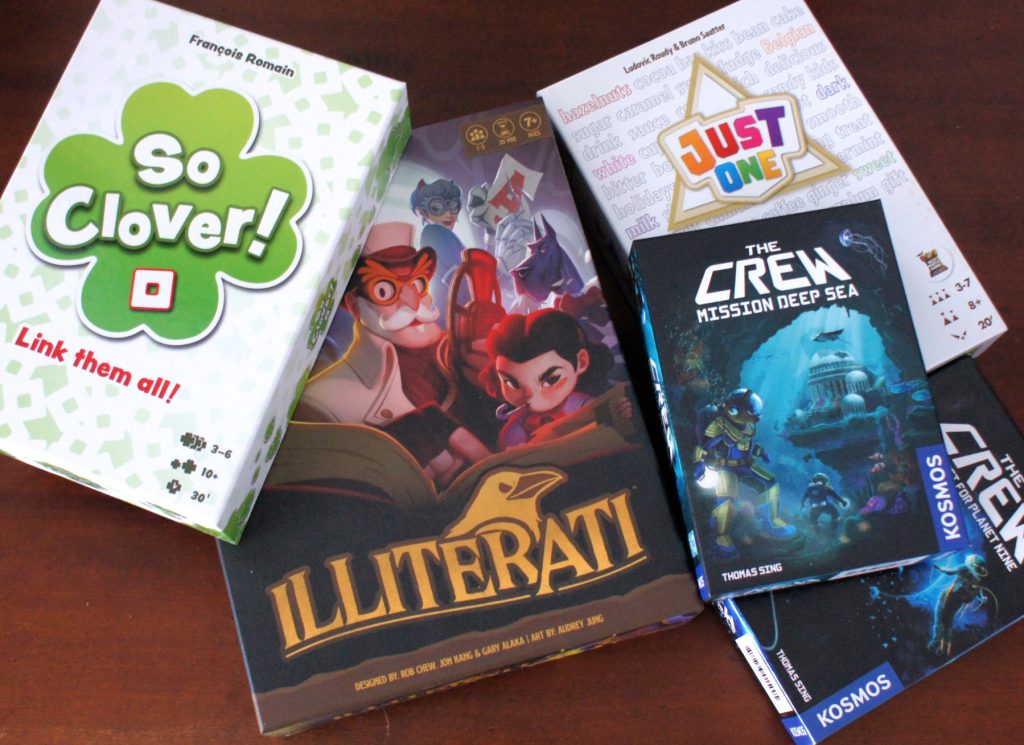
Board games have long been a staple in family gatherings, serving not only as a source of entertainment but also as powerful tools for learning and relationship building. They create an interactive environment where family members of all ages can engage, communicate, and collaborate, fostering both educational growth and emotional connections. In an age dominated by screens and digital distractions, board games offer a refreshing way to unplug and connect with one another.
Educationally, board games can be tailored to cover various subjects, making learning fun and engaging. These games encourage critical thinking, problem-solving, and strategic planning, all of which are vital skills in today’s world. A variety of board games can be utilized to reinforce concepts across subjects such as math, language arts, history, and science, allowing families to incorporate education seamlessly into their leisure time.
Methods of using board games as educational tools
Engaging children in educational board games can enhance their learning experience while making it enjoyable. Here’s how various subjects can be addressed through specific board games:
- Math Skills: Games like “Monopoly” and “Sum Swamp” require players to practice addition and subtraction, develop money management skills, and understand basic financial concepts.
- Language Arts: “Scrabble” and “Boggle” promote vocabulary development and spelling proficiency, encouraging players to think creatively about word formation.
- History and Geography: “Ticket to Ride” opens discussions about geography, while “Timeline” helps players learn historical events in chronological order, making history interactive and memorable.
- Science Concepts: Games such as “Catan” incorporate strategy and resource management, allowing players to explore concepts related to ecology and sustainability through gameplay.
Incorporating board games into family routines not only bolsters academic skills but also encourages teamwork and collaboration among family members.
Strengthening family relationships through board games
The shared experience of playing board games fosters communication and teamwork, which are essential for building strong family relationships. When families gather around a game board, they create a space for laughter, challenges, and shared accomplishments. This time spent together can lead to lasting memories that children will cherish as they grow older.
Board games also provide opportunities for teaching important life skills, such as patience, resilience, and sportsmanship. As family members navigate wins and losses, they learn to support one another, celebrate successes, and enjoy the process of play, regardless of the outcome.
Examples of family-friendly board games for different age groups
Choosing the right board games that cater to a range of ages can help ensure that everyone in the family can participate and enjoy. Here are some excellent options for various age groups:
- Young Children (Ages 3-6): “Candy Land” and “Chutes and Ladders” are simple games that introduce basic counting and color recognition in an engaging way.
- Middle Childhood (Ages 7-12): “Guess Who?” and “Connect 4” encourage strategic thinking and social skills, making them perfect for this age group.
- Teens and Adults: “Codenames” and “Dixit” are fantastic for fostering communication and creativity, appealing to older audiences while still being family-friendly.
By selecting games that suit the interests and developmental stages of family members, families can ensure inclusive and enjoyable experiences that reinforce bonds and make learning a shared adventure.
An exploration of niche board game genres and their communities
Niche board game genres have carved out unique spaces within the gaming world, attracting dedicated communities that thrive on their specialized interests. From cooperative games that emphasize teamwork to legacy games that unfold over multiple sessions, each genre offers distinct gameplay experiences that resonate deeply with players. This exploration aims to shine a light on these genres and the vibrant communities that support them.
Cooperative games, where players work together towards a common goal, have gained immense popularity. These games often require strategic planning and communication, fostering a sense of camaraderie among participants. Legacy games take this a step further, introducing a narrative element that evolves over multiple playthroughs, allowing players to witness the consequences of their decisions. Thematic games, on the other hand, immerse players in richly crafted worlds, often tied to specific themes such as fantasy, horror, or history, enhancing the storytelling aspect of gameplay.
Cooperative Board Games and Their Communities
Cooperative games like “Pandemic” and “Gloomhaven” encourage players to strategize together to overcome challenges presented by the game itself. These games have cultivated passionate communities that share strategies, discuss game expansions, and even create fan-made content.
– “Pandemic”: Players become disease control specialists working together to find cures for outbreaks. Its community thrives on forums where strategies and experiences are shared.
– “Gloomhaven”: This game combines tactical combat with a rich narrative, leading to a community of players who often engage in long campaigns and share their evolving stories online.
Players often express how these games foster not just teamwork but friendships, as shared victories and defeats forge deeper connections.
Legacy Board Games and Their Evolving Narratives
Legacy games have revolutionized storytelling in board gaming. Titles like “Risk: Legacy” and “Charterstone” create a unique experience where players shape the game world over time.
– “Risk: Legacy”: This game allows players to permanently alter the board based on their actions, creating a personalized gaming experience that evolves with each session.
– “Charterstone”: As a competitive legacy game, it introduces towns that develop based on player choices, encouraging ongoing engagement with its shifting narrative.
The communities around legacy games are often involved in detailed discussions about their experiences, sharing how their decisions impacted future gameplay, and the emotional connections they build through these evolving stories.
Thematic Board Games and Their Rich Worlds
Thematic board games captivate players with their immersive settings and narratives. Games like “Terraforming Mars” and “Betrayal at House on the Hill” transport players into unique worlds filled with lore and adventure.
– “Terraforming Mars”: Players take on the roles of corporations competing to make Mars habitable, and the community actively shares strategies on resource management and exploration tactics.
– “Betrayal at House on the Hill”: A game that combines exploration with horror, it invites players to experience different haunt scenarios, leading to countless discussions about favorite haunt stories and strategies.
Thematic game communities often celebrate their shared love for storytelling and world-building, with players eagerly sharing custom scenarios and expansions that enrich their experiences.
“Board games are not just about competition; they are about the stories we create together.”
The economics of board game production and marketing
Producing a board game is not just about creativity; it’s also about understanding the economic landscape that surrounds it. The costs associated with board game production can vary widely based on several factors, including game complexity, materials, and marketing strategies. This analysis delves into the financial aspects of creating and promoting a board game, providing insight into how independent designers can navigate these challenges effectively.
Cost Analysis of Board Game Production
The journey of developing a board game begins with conceptualization, which can incur costs related to research and development. A well-thought-out game design not only includes gameplay mechanics but also art and graphic design. The costs associated with producing a board game can be broken down into several key components:
- Game Design: This involves hiring designers, playtesting, and refining the game mechanics. Initial costs can range from a few hundred to several thousand dollars.
- Art and Graphic Design: Visual appeal is crucial for attracting players. Hiring an artist can cost anywhere from $1,000 to $10,000 depending on the game’s complexity and style.
- Production Costs: This includes materials (like cardboard, plastic, and wood), manufacturing processes, and assembly. Depending on the size and quality, production costs can range from $5 to $50 per unit.
- Shipping and Fulfillment: Once produced, games must be shipped to retailers or directly to customers. This can add another $2 to $10 per unit, depending on the shipping method and distance.
- Marketing and Advertising: Allocating a budget for marketing is essential. Costs can include social media advertising, attending conventions, and influencer partnerships, often ranging from $500 to $5,000 or more.
Marketing Strategies for Board Games
Marketing a board game requires targeted strategies to effectively reach potential players. Engaging the right audience involves several approaches:
- Community Engagement: Building a community around the game through social media platforms, forums, and local events helps in fostering loyal players. Engaging directly with potential customers allows for valuable feedback and building anticipation.
- Social Media Advertising: Utilizing platforms like Facebook and Instagram allows designers to target specific demographics. Sponsored posts, ads, and even viral marketing can significantly enhance visibility.
- Demo Events and Conventions: Participating in gaming conventions or hosting demo events provides a hands-on opportunity for potential players to experience the game. These events can lead to direct sales and word-of-mouth promotion.
- Influencer Collaborations: Collaborating with popular board game reviewers and influencers can amplify reach. When influencers showcase a game, it often leads to increased interest and trust in the product.
- Content Marketing: Creating engaging content related to the game’s theme or mechanics can attract attention. This includes blog posts, videos, and even podcasts that discuss the game and its unique features.
The Role of Crowdfunding Platforms
Crowdfunding platforms like Kickstarter and Indiegogo have revolutionized the way independent game designers can fund their projects. These platforms allow creators to showcase their games and gain immediate financial support from backers.
The advantages of using crowdfunding include:
- Market Validation: A successful crowdfunding campaign serves as proof of market interest, which can be beneficial for future sales and partnerships.
- Funding and Pre-sales: Designers can raise the necessary funds for production while simultaneously securing pre-orders from enthusiastic backers.
- Community Building: Crowdfunding campaigns create a community of supporters who are invested in the game’s success, providing invaluable feedback and promotion.
Overall, understanding the economics of board game production and effective marketing strategies is crucial for those looking to make a mark in the industry. By navigating the complexities of costs and leveraging innovative marketing techniques, independent game designers can successfully launch their creations into the competitive market.
The impact of board games in fostering creativity and imagination
Board games have long served as a medium through which players can explore their creativity and imagination. These games offer immersive experiences that not only entertain but also challenge players to think outside the box. By engaging in narratives and scenarios, players can tap into their creative potential, which is often expressed through storytelling, strategic thinking, and collaborative problem-solving.
Different game mechanics play a significant role in stimulating imaginative play across various age groups. Mechanics such as role-playing, storytelling, and open-ended scenarios encourage players to create and share their unique narratives. Games like “Dungeons & Dragons,” for example, are renowned for their ability to foster creativity through character development and world-building. Players create intricate backstories for their characters, collaborate on plotlines, and even invent new rules to enhance their experience.
Games that encourage creative thinking and storytelling
Several board games are designed specifically to spur creative thinking and storytelling. The following examples illustrate how these games encourage players to unleash their imagination:
- Dungeons & Dragons: This classic role-playing game allows players to create characters, craft backstories, and develop intricate plots, all while engaging in collaborative storytelling.
- Once Upon a Time: A storytelling card game that encourages players to create a fairy tale using their cards, leading to unexpected and imaginative narratives.
- Story Cubes: A game consisting of dice with various images, where players roll the dice and create stories based on the pictures that appear, fostering spontaneous storytelling.
- Gloom: Players tell dark, twisted tales about their characters while trying to make them as miserable as possible, resulting in creative and humorous narratives.
Game mechanics also play a pivotal role in encouraging imaginative play. Mechanics such as player choice, narrative progression, and collaborative creation allow players to influence the game’s outcome, thereby enhancing their creative engagement. For instance, games that feature modular boards or variable player actions encourage players to think strategically and creatively about how to navigate challenges and create unique experiences.
Significance of player-generated content and house rules
Player-generated content and house rules significantly enhance the creative aspects of board gaming. These elements empower players to modify games to suit their preferences, fostering a sense of ownership and imagination. Allowing players to create their own characters, scenarios, or even entirely new games bolsters their creative confidence and can lead to memorable experiences.
“The beauty of board games lies in their adaptability and the creativity they inspire among players.”
The significance of these elements can be seen in how players often modify rules or add new challenges to existing games. This practice not only enhances the replayability of games but also encourages players to collaborate and share ideas, thereby enriching the gaming experience. For example, a group may decide to alter the rules of “Catan” to incorporate new resources or governance systems, leading to a fresh and imaginative way to play.
In summary, board games serve as powerful tools for fostering creativity and imagination in players of all ages. Through the incorporation of engaging mechanics, storytelling elements, and opportunities for personalized content creation, these games provide a unique platform for creative expression and collaborative play.
Closing Notes
As we explore the multifaceted world of board games, it becomes clear that they are more than just a pastime. They promote mental wellness, foster family bonds, and ignite creativity. The journey is ever-evolving, with technology introducing novel ways to experience these games while still honoring their roots. In a world where connection is paramount, board games remain a cherished bridge between generations and cultures.
Clarifying Questions
What are the most popular board games today?
Some of the most popular board games include Settlers of Catan, Ticket to Ride, and Codenames, known for their engaging gameplay and accessibility.
How do board games benefit mental health?
Board games offer stress relief, promote cognitive skills, and enhance social connections, contributing positively to mental well-being.
Can board games be educational?
Yes, many board games are designed to teach skills like math, strategy, and teamwork, making them effective educational tools.
How can I start designing my own board game?
Begin by brainstorming ideas, researching existing games, and playtesting your concepts with friends to gather feedback.
What role do board game conventions play?
Conventions are vital for networking, showcasing new games, and fostering communities among enthusiasts and creators.