 Nolan Paxton
Beanie babies have taken the toy world by storm, captivating hearts and creating a unique place in pop culture. These adorable, bean-filled plush toys emerged in the 1990s and quickly transformed from a simple idea into a collector’s dream, sparking an unprecedented craze. As we explore the fascinating origins, cultural significance, and the evolving nature of Beanie babies, you’ll discover why they remain beloved by fans of all ages.
From their humble beginnings crafted by Ty Warner of Ty Inc. to their status as nostalgic treasures, Beanie babies have left an indelible mark on generations. We’ll dive into the history that shaped these collectibles, the social phenomena they ignited, and the emotional connections they fostered over the years. Join us on this journey that encapsulates not just toys, but memories and community spirit.
The Origins and History of Beanie Babies

Beanie Babies emerged in the early 1990s as a unique line of stuffed animals filled with plastic pellets, or “beans,” which gave them a distinctive feel and flexibility. The concept was the brainchild of Ty Warner, a visionary entrepreneur who sought to create a product that was not only appealing to children but also collectible for adults. This innovative approach led to the rise of Beanie Babies as a cultural phenomenon, capturing the hearts of many and creating a new market segment in the toy industry.
The initial market reaction to Beanie Babies was mixed; however, as word spread, the toys gained immense popularity. Collectors began to swarm the market, leading to a frenzy that saw some Beanie Babies selling for hundreds or even thousands of dollars. Ty Inc., the company founded by Warner in 1986, played a pivotal role in this success. With a commitment to quality and a strategy that included limited production runs and clever marketing, Ty Inc. transformed Beanie Babies into a must-have item for enthusiasts and collectors alike.
Role of Ty Inc. and Ty Warner in the Toy Industry
Ty Inc. was established with a focus on creating unique and high-quality plush toys, but it was Warner’s innovative marketing strategies that propelled Beanie Babies into the limelight. The company capitalized on nostalgia and the thrill of collecting, which resonated deeply with the target audience.
With a keen sense for trends, Warner implemented several key strategies that influenced the toy industry significantly:
- Limited Editions: Each Beanie Baby was often produced in limited quantities, creating an artificial scarcity that drove demand and sparked the collector’s market.
- Discontinuation Strategy: Ty Inc. would regularly retire certain Beanie Babies, further fueling the desire among collectors to purchase them before they became unavailable.
- Retail Partnerships: Strategic partnerships with small retailers, rather than large chains, allowed for more personal sales experiences and cultivated a sense of community among collectors.
- Innovative Marketing: Ty Warner used creative marketing techniques, including creating naming contests and offering community events, which engaged fans and increased brand loyalty.
Warner’s hands-on approach extended to the design of the Beanie Babies themselves. Each character was crafted with care, featuring unique names and backstories that added depth to their appeal. The combination of quality, storytelling, and marketing savvy positioned Beanie Babies not just as toys, but as collectibles that told a story—an approach that would influence the toy industry for years to come.
“Beanie Babies are more than just toys; they are pieces of art that tell a story and connect collectors through shared experiences.”
The Cultural Impact of Beanie Babies in the 1990s
Beanie Babies emerged in the mid-1990s as a beloved collectible, quickly becoming a cultural phenomenon that captivated both children and adults alike. Their unique designs, limited editions, and the thrill of collecting turned these plush toys into much more than just playthings. The impact of Beanie Babies on popular culture during this decade is evident in various aspects of social life, economics, and even fashion.
As Beanie Babies gained popularity, they became a significant part of the 90s lifestyle, influencing social interactions and spawning a community of collectors. What started as a simple line of stuffed animals quickly evolved into a worldwide craze. Collectors would frequent stores, often lining up for hours to get their hands on the latest releases, while others engaged in trading events and conventions. The phenomenon grew to such proportions that news outlets began covering Beanie Baby stories, showcasing collectors who would boast extensive collections worth thousands of dollars. Beanie Babies became a bonding experience, as friends and families shared their passion for collecting, often turning the act into a social event.
Social Phenomena Surrounding Beanie Babies Collectors
The social dynamics surrounding Beanie Baby collectors illustrate the cultural significance of these toys. The allure of Beanie Babies was not only in their cuteness but also in the thrill of the hunt for rare editions. Collectors formed clubs, attended conventions, and exchanged stories about their prized possessions. The following points highlight the social phenomena that defined the Beanie Baby collecting experience:
- Community Building: Collectors often organized events and gatherings to share their collections, fostering a sense of community and camaraderie among enthusiasts.
- Online Trading: The rise of the internet allowed collectors to trade and sell Beanie Babies online, further connecting people from various regions and increasing the competitive nature of collecting.
- Market Speculation: Many collectors viewed Beanie Babies as investments. Some bought them with the hope that their value would increase, leading to extensive discussions and speculation about which toys would become rare and sought after.
The cultural impact of Beanie Babies can also be compared to other toy trends of the decade, such as Pokémon cards and Tamagotchis. Each of these trends engaged collectors and enthusiasts in different ways. Beanie Babies, unlike these trends, appealed broadly across age groups, uniting adults and children in a shared interest.
A notable aspect of their popularity was the marketing approach by Ty Inc., the company behind Beanie Babies. Unique marketing strategies, such as the introduction of “retirement” for certain Beanie Babies, created a sense of urgency and exclusivity among collectors.
“Beanie Babies weren’t just toys; they were a cultural currency, a means of social interaction, and an investment opportunity.”
In conclusion, the cultural impact of Beanie Babies in the 1990s was profound, intertwining social interactions, economic speculation, and community building in a way that few toy trends have replicated since. Their legacy remains evident in the continued interest in collectibles and nostalgia for the 90s.
The Collectibility and Value of Beanie Babies
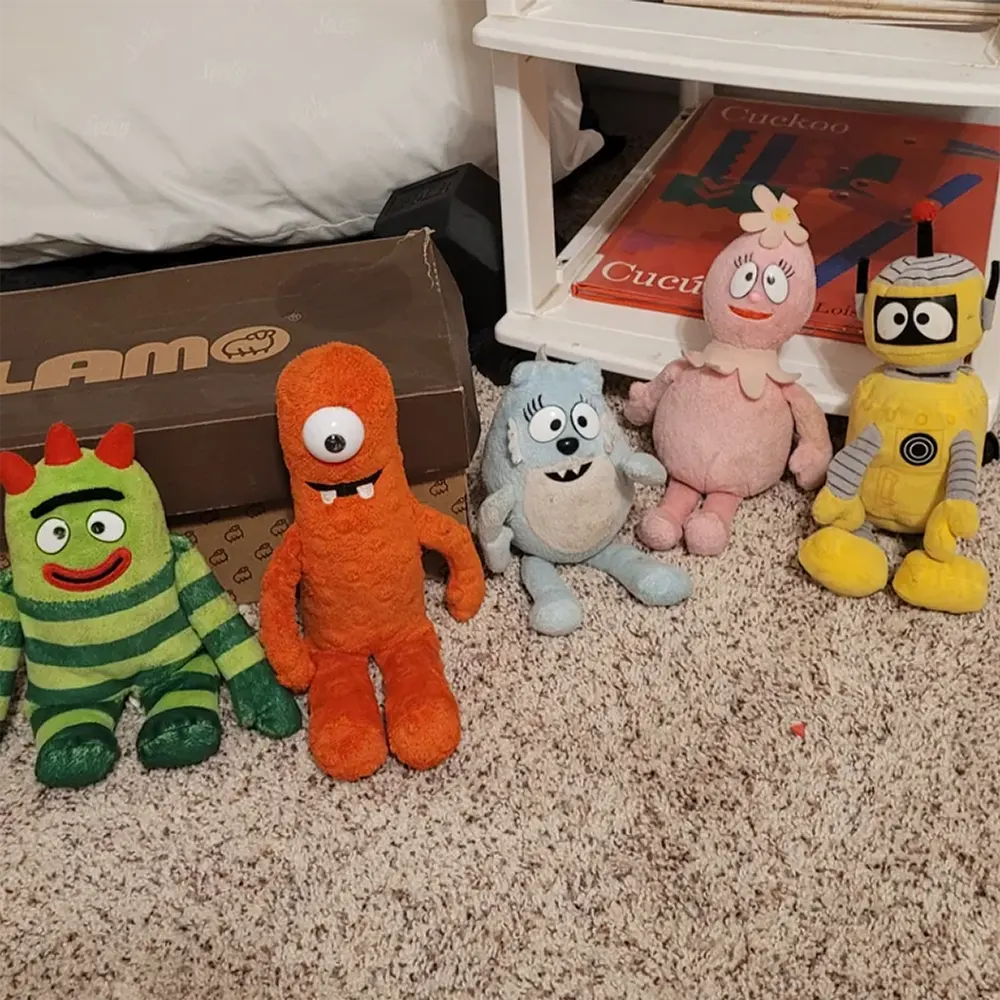
Beanie Babies have transcended their role as simple children’s toys to become a phenomenon in the world of collectibles. Their unique designs, limited releases, and the nostalgia they evoke have made them highly sought after by collectors. This section explores the various factors that contribute to the collectibility and value of Beanie Babies, identifies rare examples along with their current market values, and provides insights on how to appraise these charming collectibles.
Factors Contributing to Collectibility
Several factors play a crucial role in enhancing the collectible nature of Beanie Babies. Limited production runs, unique designs, and the retirement of certain characters create artificial scarcity that drives demand. Additionally, the emotional connection many collectors have with their childhood experiences contributes significantly to their value. The following points elaborate on these factors:
- Limited Editions: Many Beanie Babies were released as limited editions, making them rarer and more desirable.
- Retired Characters: Once a character is retired, it often becomes more valuable due to reduced availability in the market.
- Condition: The condition of the Beanie Baby plays a significant role in its value; mint condition items fetch higher prices.
- Tag Errors: Beanie Babies with mistakes in their tags are particularly valuable to collectors, as they are considered rare anomalies.
Rare Beanie Babies and Market Values
Certain Beanie Babies are recognized for their rarity and have achieved remarkable market values. Here are examples of some of the rarest Beanie Babies and their estimated values based on recent market trends:
- Princess Diana Bear: This bear, created in memory of Princess Diana, can be worth between $5,000 and $15,000 depending on its condition.
- Second Generation Brownie: With an estimated value of around $2,500, this Beanie Baby is sought after due to its limited release.
- Valentine the Bear: A rare find, some versions of Valentine the Bear have sold for upwards of $3,000.
These values fluctuate and can vary based on the collector’s market and condition of the items.
Appraising Beanie Babies
For collectors looking to appraise their Beanie Babies, several guidelines can assist in determining their value. Understanding the market dynamics and using reliable resources is key. Here are some essential tips for appraising Beanie Babies:
- Research Current Market Trends: Check auction sites, collector forums, and price guides to gauge current market values.
- Evaluate Condition: Assess the overall condition, looking for any wear, tear, or damage that could affect value.
- Check for Authenticity: Ensure that the Beanie Baby is authentic, as counterfeit items are common in the market.
- Seek Professional Appraisal: For high-value items, consider consulting a professional appraiser who specializes in collectibles.
Collecting Beanie Babies can be both a nostalgic hobby and a lucrative investment when approached with knowledge and care.
“The value of a Beanie Baby is not only in its rarity but also in the memories and joy it brings to its owner.”
The Evolution of Beanie Babies Over the Years
Beanie Babies, the iconic plush toys filled with plastic pellets, have undergone significant evolution since their inception in the early 1990s. Initially created by Ty Inc., these collectibles not only captured the hearts of children but also became a cultural phenomenon among adults and collectors. The journey of Beanie Babies reflects changes in market trends, consumer preferences, and the toy industry at large.
The evolution of Beanie Babies can be traced through pivotal developments in design, marketing strategies, and product lines. Understanding these changes sheds light on how the Beanie Babies franchise has adapted to remain relevant in a competitive landscape.
Timeline of Beanie Babies
The timeline of Beanie Babies showcases key milestones in the brand’s history. Each phase represents shifts in design, marketing, and consumer engagement. Below is a detailed Artikel of significant events:
- 1993: The launch of Beanie Babies with nine original designs, including “Legs the Frog” and “Chocolate the Moose,” introduces the concept of collectible plush toys. Early marketing focuses on word-of-mouth and limited availability.
- 1995: Beanie Babies gain immense popularity, leading to the introduction of more characters and designs. The introduction of the “retirement” strategy increases demand as collectors rush to acquire soon-to-be-discontinued items.
- 1998: The peak of Beanie Babies’ fame occurs with extensive media coverage and the emergence of Beanie Baby conventions. Ty Inc. releases a wider range of products, including seasonal and holiday-themed Beanie Babies.
- 2000: The market sees a decline in popularity as new toy trends emerge. Ty Inc. adapts by releasing “Attic Treasures” and other product lines to diversify offerings.
- 2010: A revival of interest in nostalgia leads to a resurgence in Beanie Babies, along with the launch of the Beanie Boos line that features larger eyes and contemporary designs.
- 2023: The brand continues to innovate with digital collectibles and collaborations with popular franchises, merging traditional toys with modern technology.
Changes in Designs and Marketing Strategies
Over the years, Beanie Babies have seen a transformation in their design aesthetics and marketing approaches. Initially, the designs focused on realistic animal representations, prioritizing simplicity and cuteness. As consumer tastes evolved, Ty Inc. began experimenting with vibrant colors and unique character traits, appealing to a broader audience.
Marketing strategies have also diversified. The original reliance on grassroots marketing tactics transitioned into more sophisticated advertising campaigns, utilizing social media platforms and influencer partnerships to reach younger audiences. The limited availability model, which created urgency and excitement among collectors, remains a hallmark of Beanie Baby marketing.
Introduction of New Lines and Limited Editions
The expansion of Beanie Babies into new lines and limited editions has been a crucial element of its success. The introduction of themed collections—such as holiday editions, sports teams, and characters inspired by pop culture—has kept the brand fresh and appealing. Limited edition releases, often tied to special events or anniversaries, continue to generate buzz among collectors.
Such strategies have not only attracted new customers but have also retained the loyalty of existing fans. Each new line or limited edition often comes with unique tag designs and special characteristics, enhancing their collectible value. The blending of nostalgia with contemporary design has ensured that Beanie Babies remain a beloved choice for both new generations and long-time enthusiasts.
The Role of Online Communities in Beanie Babies Collecting
The rise of the internet has significantly transformed the landscape of Beanie Babies collecting. Online communities have become essential platforms for collectors to connect, share knowledge, and engage in trading activities. With the help of forums and social media, enthusiasts can find a sense of belonging while navigating the complexities of this vibrant collecting hobby.
Online forums and social media platforms have facilitated the formation of communities that bring collectors together from all over the globe. These digital spaces serve as hubs for information sharing, where collectors can discuss rarity, value, and their personal experiences. Additionally, they provide a marketplace for buying, selling, and trading Beanie Babies, thus expanding collector networks. Platforms like Facebook groups, Reddit threads, and dedicated Beanie Babies forums are particularly popular for connecting with like-minded individuals, exchanging tips, and showcasing rare finds.
Impact of E-commerce on Beanie Babies Buying and Selling
E-commerce has revolutionized the way collectors buy and sell Beanie Babies, providing unprecedented access to a global market. Collectors can now easily browse listings, compare prices, and make purchases with just a few clicks. This shift has made it easier for collectors to find specific items that may not be available locally. Moreover, platforms such as eBay and Etsy have become popular venues for both individual sellers and small retailers to reach a broader audience.
The convenience of online shopping has also affected pricing dynamics within the Beanie Babies market. With various listings available, collectors can quickly determine the fair market value of items based on recent sales trends. This transparency encourages more informed purchasing decisions, while competition can lead to fluctuating prices. Furthermore, e-commerce allows collectors to spot trends in demand, which may influence their collecting strategies.
Strategies for Connecting with Other Collectors Through Digital Platforms
In order to successfully connect with other collectors online, a few strategies can be employed that enhance engagement and participation in these communities. Below are several effective methods to foster connections.
Utilizing these strategies can significantly enhance the experience of collecting Beanie Babies. Engaging effectively with fellow collectors not only enriches the hobby but also creates lasting friendships and networks within the community. By embracing online platforms, collectors can continue to celebrate their passion for Beanie Babies while navigating the ever-evolving market landscape.
The Future of Beanie Babies in Today’s Market
The future of Beanie Babies in the current market presents a unique blend of nostalgia and modernity. As collectors and new fans alike navigate the evolving toy landscape, various trends are shaping the value and popularity of these iconic plush toys. Recognizing these trends is essential for understanding how Beanie Babies may adapt and thrive in today’s consumer environment.
Current trends affecting the value of Beanie Babies stem from their nostalgic appeal, the rise of online marketplaces, and changing consumer preferences. The resurgence of interest in 1990s collectibles has ignited a new wave of enthusiasm for Beanie Babies, reflecting a broader trend in vintage toys and memorabilia. Social media platforms and auction sites have made it easier for collectors to connect, share their collections, and set market prices, leading to potential spikes in value for rare and retired items.
Influence of Nostalgia and Collecting Communities
Nostalgia plays a pivotal role in the future of Beanie Babies, as many collectors seek to recapture fond memories of their childhood. This emotional connection can drive demand, especially for limited editions and rare pieces. The growth of collecting communities, particularly on social media platforms, further fuels interest.
– Community engagement thrives through online forums, social media groups, and dedicated websites, where collectors share their stories and trading tips.
– Events such as collector fairs and conventions also promote the culture around Beanie Babies, creating opportunities for enthusiasts to buy, sell, and trade.
“The power of nostalgia can transform mere toys into valuable collectibles.”
The impact of these communities is evident in the prices fetched at auctions, where certain Beanie Babies can sell for hundreds or even thousands of dollars, depending on their rarity and condition. For instance, the Princess Diana bear, one of the most sought-after Beanie Babies, has been listed for thousands on various platforms, showcasing how nostalgia and rarity combine to influence market dynamics.
Ty Inc. Adaptation Strategies
Ty Inc. has recognized the need to adapt to the modern toy industry while preserving the essence of Beanie Babies. The company has employed several strategies to stay relevant in a changing market environment.
– Introduction of new product lines that cater to the interests of younger generations, including collaborations with popular franchises and themed collections.
– Emphasizing online sales and digital marketing to reach a wider audience, capitalizing on e-commerce trends that have surged due to the pandemic.
– Engaging directly with consumers through interactive campaigns and social media to foster a sense of community and excitement around new releases.
Through these strategies, Ty Inc. aims to maintain the Beanie Babies brand’s relevance in an increasingly competitive toy market. The ability to innovate while honoring the legacy of Beanie Babies is crucial for attracting both seasoned collectors and new fans, ensuring that these beloved plush toys endure in popularity.
Beanie Babies and Their Educational Value
Beanie Babies, once a popular collectible, can also serve as innovative tools for education. Their vibrant colors, unique designs, and individual names can capture the attention of children, making them ideal for teaching various concepts. By incorporating Beanie Babies into educational settings, educators can create engaging learning experiences that promote both cognitive and social development.
Using Beanie Babies in education can enhance children’s understanding of various subjects. For instance, these plush toys can be utilized to teach subjects such as math, reading, and social skills. Teachers can create interactive lessons where students can count, categorize, or even engage in storytelling with their Beanie Babies, making abstract concepts more relatable.
Storytelling and Learning Enhancement
Storytelling plays a crucial role in enhancing learning experiences, particularly when integrated with Beanie Babies. This method encourages children’s imagination while helping them develop language skills and emotional intelligence. By assigning personalities and stories to each Beanie Baby, children can explore themes such as friendship, empathy, and problem-solving.
For example, a teacher might create a narrative involving multiple Beanie Babies facing a challenge, prompting students to think critically about how to resolve the situation. This not only fosters creativity but also emphasizes teamwork and collaboration. Incorporating storytelling into lessons can transform a simple plush toy into a powerful educational tool.
Integrating Beanie Babies into Educational Activities
Integrating Beanie Babies into various educational activities can significantly enhance student engagement and learning outcomes. Below are some effective methods:
1. Math Games: Use Beanie Babies for counting exercises or basic arithmetic. Children can group them, add, or subtract to solve problems, making math tangible and fun.
2. Language Arts: Encourage children to create stories or poems featuring their favorite Beanie Babies. This activity promotes writing skills and helps them express their thoughts creatively.
3. Science Exploration: Assign each Beanie Baby a particular animal or character trait and explore related science concepts, such as habitats or ecosystems. This approach can stimulate curiosity and research skills.
4. Social Skills Development: Use Beanie Babies in role-playing scenarios to teach conflict resolution, communication, and empathy. Children can act out situations, learning how to navigate social interactions effectively.
In conclusion, Beanie Babies can serve as versatile educational tools that promote learning through interactive and imaginative play. Their engaging nature allows educators to teach a variety of subjects while also fostering essential social skills in a fun and relatable way.
The Emotional Connection People Have with Beanie Babies
Beanie Babies have transcended mere collectibles; they evoke deep emotional connections for people across various generations. Originating in the 1990s, these plush toys symbolize a nostalgic era of childhood for many, holding memories that intertwine with significant moments in their lives. Whether it’s the joy of receiving a beloved Beanie Baby as a gift or the excitement of hunting for rare editions, the emotional attachment remains strong.
The nostalgic value of Beanie Babies can be seen in how they represent different stages of life for different individuals. For those who grew up in the 90s, these toys were more than just playthings; they were companions during formative years. Each Beanie Baby often carries its own story, creating a tangible link to personal experiences. Many adults today reminisce about the excitement they felt when finding a rare Beanie Baby, or how they cherished specific characters that resonated with their personality or interests.
Personal Stories of Attachment and Memories Associated with Beanie Babies
Personal stories surrounding Beanie Babies often highlight their role as cherished companions and sources of comfort. Many individuals recount memories of receiving a Beanie Baby during a significant life event, such as birthdays, holidays, or even during difficult times. These plush toys often became symbols of support and security.
For instance, one individual recalls receiving a “Princess” the Bear on their birthday after losing a family member. This particular Beanie Baby provided solace during a challenging time, and to this day, it serves as a reminder of love and support. Similarly, another person remembers sharing their Beanie Babies with a younger sibling, fostering a bond that continues to thrive, with the toys representing shared laughter and adventure.
Beanie Babies as Comfort Items for Children and Adults
Beanie Babies often serve as comfort items for both children and adults, offering a sense of security that can be particularly important during times of change or stress. The soft, plush texture and the familiar features of these toys provide an emotional anchor. They can help soothe anxieties, whether it’s a child facing their first day of school or an adult dealing with stress in daily life.
The psychological aspect of comfort items is well-documented, and Beanie Babies fit this role perfectly. Their unique personalities, often reflected in their names and backstories, allow individuals to form personal connections. The act of hugging or holding onto a Beanie Baby can trigger feelings of safety and reassurance, making them invaluable companions.
As more individuals reflect on their attachment to Beanie Babies, it becomes clear that these toys are more than just stuffed animals. They embody memories, provide comfort, and create lasting connections that span across generations, making them timeless treasures in the hearts of many.
Concluding Remarks
The story of Beanie babies is one of innovation, nostalgia, and community, showcasing the profound impact these small toys have had on culture and collectors alike. As we’ve seen, the journey of Beanie babies is not just about the toys themselves but the connections they create among people. Whether you are a seasoned collector or new to the world of Beanie babies, their legacy is a testament to the joy and comfort they bring into our lives.
Questions Often Asked
What year were Beanie babies first introduced?
Beanie babies were first introduced in 1993.
Are all Beanie babies valuable?
No, not all Beanie babies have high value; rarity and condition significantly affect their market price.
How can I tell if my Beanie baby is rare?
Look for unique features, errors, or limited edition tags which typically indicate rarity.
Where can I buy Beanie babies?
You can find Beanie babies on various online marketplaces, specialty toy stores, and collector fairs.
Do Beanie babies have any educational value?
Yes, they can be used in educational settings to teach concepts through storytelling and play.