 Nolan Paxton
Barbie doll has long been more than just a toy; it stands as a cultural phenomenon that has captivated audiences across generations. The narrative surrounding Barbie reflects societal shifts and evolving perceptions of femininity as it has transformed since its debut in 1959. From its origins to its influence on gender roles and diversity, the story of Barbie is a fascinating exploration of how one doll can inspire imagination, creativity, and dialogue about important societal issues.
Throughout the years, Barbie has donned numerous hats—from a fashion icon to a career-driven professional—and each iteration has sparked conversations about identity and aspirations. This iconic doll continues to adapt, making a significant mark not only in children’s play but also in media and advertising, thereby shaping cultural trends and perceptions surrounding beauty and empowerment.
The Historical Significance of the Barbie Doll
The Barbie doll, introduced by Ruth Handler in 1959, was designed to be more than just a toy; it was a groundbreaking concept that would influence generations. From its modest beginnings, Barbie has grown into a cultural icon, representing various facets of society and evolving gender roles. This doll has not only entertained young girls but also sparked conversations about femininity, identity, and empowerment.
Barbie’s impact on culture is profound, as it mirrors the changing societal norms and expectations placed on women over the decades. Initially designed as a teenage fashion model, Barbie was a reflection of the post-war era’s ideas of femininity and domesticity. As the years progressed, Barbie adapted to societal changes, showcasing careers, diverse races, and body types. This evolution underscores how the doll has responded to the women’s liberation movement, the fight for racial equality, and the push for broader representation in media and toys.
Origins and Creators of Barbie
The creation of Barbie was driven by Ruth Handler, co-founder of Mattel, who wanted to provide girls with a three-dimensional adult role model. The doll’s debut was marked by a fashion show at the American International Toy Fair, where it caught the attention of attendees with its stylish appearance and larger-than-life personality. Barbie was inspired by a German doll named Bild Lilli, but Handler envisioned a doll that would allow girls to envision their futures and explore their aspirations.
Barbie’s design was carefully crafted to appeal to young audiences through colorful fashion and elaborate accessories, encouraging imaginative play. Handler’s vision was to create a doll that would empower girls to dream beyond traditional roles, illustrating that women could be anything from doctors to astronauts. This revolutionary approach laid the groundwork for not just a successful product, but a cultural phenomenon that would resonate for decades.
“Through Barbie, girls could dream about their futures and embrace their aspirations.”
The vision behind Barbie has continued to evolve, with the introduction of various lines that reflect contemporary issues and values. This includes dolls that represent different professions, nationalities, and body types, reflecting a commitment to diversity and inclusivity. Each iteration of Barbie serves as a mirror to society, illustrating shifts in fashion, social norms, and gender expectations. Barbie has undeniably become a symbol of empowerment and change, sparking conversations about what it means to be a woman in a modern world.
The Evolution of Barbie Dolls Over the Years

Barbie dolls have undergone a remarkable transformation since their debut in 1959, reflecting societal changes and cultural shifts. The brand has continually adapted to meet the expectations and aspirations of each generation, resulting in a diverse range of dolls that celebrate various themes, careers, and appearances. This evolution is not just about aesthetics but also about the values Barbie represents in promoting inclusivity and empowerment.
One of the most notable aspects of Barbie’s evolution is the introduction of various career-themed dolls that have emerged throughout the years. Initially portrayed as a glamorous fashion icon, Barbie has taken on more than 200 careers, ranging from astronaut to doctor, and even president. Each new career reflects changing societal values and encourages young girls to envision themselves in diverse roles.
Career Themes and Representation
Barbie’s career-themed dolls serve as a source of inspiration and empowerment. Below are some significant examples showcasing her varied professions over the decades:
- 1965: Barbie as a Nurse, embodying care and compassion.
- 1973: Barbie as an Astronaut, representing women’s strides in space exploration.
- 1985: Barbie as a Computer Engineer, highlighting the tech industry’s growth.
- 2000: Barbie as an Olympic Athlete, promoting sports and fitness.
- 2018: Barbie as a NASA Scientist, encouraging interests in STEM fields.
These career iterations not only broaden the possibilities for young girls but also reflect the expanding roles of women in society.
Another significant area of evolution is the diversification of Barbie’s appearances. Over the years, the brand has made a conscious effort to represent a wider range of body types, skin tones, and hairstyles. This shift addresses the demand for dolls that children can relate to and see themselves in.
Diverse Body Types and Ethnicities
The introduction of various body types has been a game-changer for the Barbie brand. In 2016, Mattel launched the “Fashionista” line, which included dolls with different body shapes – curvy, petite, and tall. This move was crucial in promoting body positivity and acceptance among young girls.
The brand has also made strides in ethnic representation, offering dolls of different racial and cultural backgrounds. These editions include dolls with varied skin tones, facial features, and hair textures, reflecting a more realistic and inclusive world. For instance:
- 2015: Barbie introduced the “Shero” line featuring dolls modeled after inspiring women from different cultures.
- 2020: A Barbie doll representing the Philippines, complete with traditional attire, was released.
These steps have been instrumental in fostering a sense of belonging and cultural pride.
Limited Edition and Collector’s Dolls
Limited edition Barbie dolls have carved out a distinct niche in the market, appealing to collectors and enthusiasts alike. These dolls often celebrate milestones, collaborations, and iconic themes, making them highly sought after.
The significance of collector’s dolls lies in their craftsmanship, storytelling, and exclusivity. They often feature unique designs, high-quality materials, and intricate details. For example:
- The “Barbie Fashion Model Collection” celebrates fashion history through meticulously designed outfits.
- Collaboration with renowned designers such as Vera Wang and Christian Louboutin has resulted in exclusive pieces that merge high fashion with collectible art.
These limited editions not only enhance the brand’s prestige but also preserve its heritage, allowing fans to connect with the narrative behind each doll.
In conclusion, the evolution of Barbie dolls is a testament to the brand’s ability to adapt and respond to societal changes. From diverse career representations to the embrace of inclusivity in body types and ethnicities, Barbie continues to evolve, encouraging future generations to dream big and embrace their individuality.
The Role of Barbie in Promoting Imagination and Creativity
Barbie dolls have long been celebrated for their ability to inspire creativity and imaginative play among children. By offering a diverse range of characters and accessories, Barbie encourages children to explore various scenarios and roles, fostering a vibrant world of possibilities. This imaginative play not only entertains but also promotes cognitive and social development.
Barbie dolls serve as powerful tools for imaginative play, allowing children to engage in storytelling and role-playing. For instance, when a child plays with a Barbie doctor, they might enact a hospital scene, pretending to care for patients with various ailments. This type of play not only sparks creativity but also introduces children to different professions and life skills. Furthermore, Barbie’s extensive wardrobe and accessories can lead to fashion design play, where kids can mix and match outfits, think about color coordination, and even create their own clothing styles.
Creative Play Scenarios Inspired by Barbie Characters
The versatility of Barbie’s characters provides numerous opportunities for creative play. Here are some notable examples of scenarios inspired by Barbie’s diverse personas:
- Barbie as an Astronaut: Kids can create space missions, explore planets, and even design their own spacecraft, fostering an interest in science and exploration.
- Barbie as a Chef: Children can set up a pretend kitchen, experiment with cooking techniques, and learn about nutrition while crafting meals for their doll friends.
- Barbie as a Fashion Designer: Engaging in fashion design, kids can sketch outfits, understand different fabrics, and put together fashion shows, boosting their artistic skills.
- Barbie as a Veterinarian: This scenario allows children to care for animals, teaching empathy and responsibility as they create a veterinary clinic setting.
Engaging in these scenarios not only entertains children but also provides educational benefits through storytelling and role-playing activities. As they navigate different roles and craft narratives, children enhance their verbal skills, creativity, and problem-solving abilities, as well as develop a deeper understanding of social dynamics.
“The world of Barbie is a canvas for creative expression, shaping young minds through imaginative play and role exploration.”
Through the lens of Barbie’s ever-evolving characters, children learn about diversity and inclusivity, as Barbie has embraced various cultures, professions, and lifestyles. This representation encourages kids to envision a world full of possibilities, helping them to cultivate their identities and aspirations as they play. In essence, Barbie not only entertains but also enriches the minds of children, making her a timeless icon in promoting imagination and creativity.
Barbie as a Cultural Icon in Media and Advertising
Barbie, introduced in 1959, has transcended from a mere children’s toy to a significant cultural symbol in media and advertising. Over the decades, she has evolved to reflect societal changes and has made her mark in various forms of entertainment, notably in films, television shows, and promotional campaigns. This evolution illustrates not only her adaptability but also her profound influence on popular culture.
Barbie’s portrayal in films and television shows has often mirrored contemporary themes and values. From animated films like “Barbie as The Princess and The Pauper,” which explores themes of identity and friendship, to live-action adaptations such as “Barbie” (2023), the character embodies various roles and careers, encouraging ambition and creativity among young audiences. The various narratives often promote messages of empowerment, self-discovery, and the importance of individuality, which resonate with both children and adults.
Impact on Fashion Trends and Marketing Strategies
Barbie has undeniably influenced fashion trends and marketing strategies throughout her history. As a fashion doll, she has showcased an extensive range of styles, from classic looks to modern high fashion, thereby establishing her as a trendsetter in the industry.
The importance of Barbie’s impact on fashion can be Artikeld as follows:
- Collaboration with Designers: Barbie has partnered with renowned designers such as Christian Dior and Versace, creating exclusive doll collections that highlight high fashion. These collaborations not only promote the designers but also elevate Barbie’s status as a fashion icon.
- Shifting Fashion Norms: Over the years, Barbie’s wardrobe has reflected changing societal norms, embracing diversity in body types, skin colors, and styles, thus promoting inclusivity in fashion.
- Fashion Marketing Strategies: Barbie’s branding strategies are often integrated into larger marketing campaigns, which utilize social media and influencer partnerships to engage with audiences, particularly younger consumers.
Barbie’s role in promoting messages about empowerment and self-acceptance is significant. By showcasing a diverse range of careers, from astronaut to CEO, Barbie encourages children to envision their futures without limits.
“Barbie empowers girls to dream big and inspires them to pursue their passions.”
Her advertising campaigns frequently emphasize themes of self-discovery and confidence, aligning with broader movements in society advocating for personal acceptance and empowerment. For instance, recent campaigns have embraced body positivity, featuring dolls of various shapes, sizes, and ethnicities, which collectively send a powerful message about the importance of self-acceptance in a world often dominated by unrealistic beauty standards.
In summary, Barbie’s portrayal across various media and her role in advertising not only reflect cultural shifts but also actively participate in shaping societal perceptions around fashion, empowerment, and self-acceptance.
The Impact of Barbie on Gender Socialization
Barbie dolls have been an iconic part of childhood for many generations, serving as both a toy and a cultural phenomenon. The influence of Barbie extends beyond mere playtime; she has significantly shaped perceptions of femininity and gender roles in society. As a reflection of societal values, Barbie has often embodied ideals of beauty and success, leading to both praise and criticism over the years.
Barbie’s portrayal of femininity has often aligned with traditional gender roles, suggesting that beauty and appearance are paramount for women. This representation can lead to a narrow definition of what it means to be a woman, potentially impacting young girls’ understanding of their own identities. Additionally, Barbie’s various careers and roles can be seen as empowering; however, many argue that these portrayals still fall short of providing a comprehensive image of women’s capabilities. The doll’s glamorous lifestyle, coupled with her unrealistic physical proportions, can create unattainable standards for young girls, which may lead to issues related to body image and self-esteem.
Criticism Surrounding Body Image and Self-Esteem
The influence of Barbie on body image and self-esteem has sparked considerable debate among psychologists, educators, and parents. Critics emphasize that the doll’s unrealistic body proportions—a 39-inch bust, 18-inch waist, and 33-inch hips—can instill a skewed perception of beauty in children. Research has indicated that early exposure to Barbie can correlate with negative body image and lower self-esteem in young girls. This phenomenon is exacerbated by the relentless media portrayal of idealized beauty standards.
Parents and educators have voiced their concerns regarding Barbie’s impact on children. Many argue that despite Barbie’s diverse career choices, the emphasis on appearance can overshadow her accomplishments. The following points summarize the responses from parents and educators regarding Barbie’s portrayal of women:
- Concerns about the promotion of materialism and superficial values over personal achievements.
- Efforts to introduce alternative dolls that depict a wider range of body types and ethnicities to promote inclusivity.
- Encouragement of discussions around body positivity and self-acceptance among children.
- Promotion of educational materials that challenge traditional gender roles, fostering a more balanced view of femininity.
Barbie’s influence on young girls can lead to a complex relationship with self-image and societal expectations. The doll’s legacy continues to evolve as conversations around gender roles and body image remain prominent in contemporary culture.
“Barbie has the potential to be a role model, but only if we reshape her narrative to encompass a more inclusive and realistic portrayal of women.”
The Future of Barbie in a Changing World
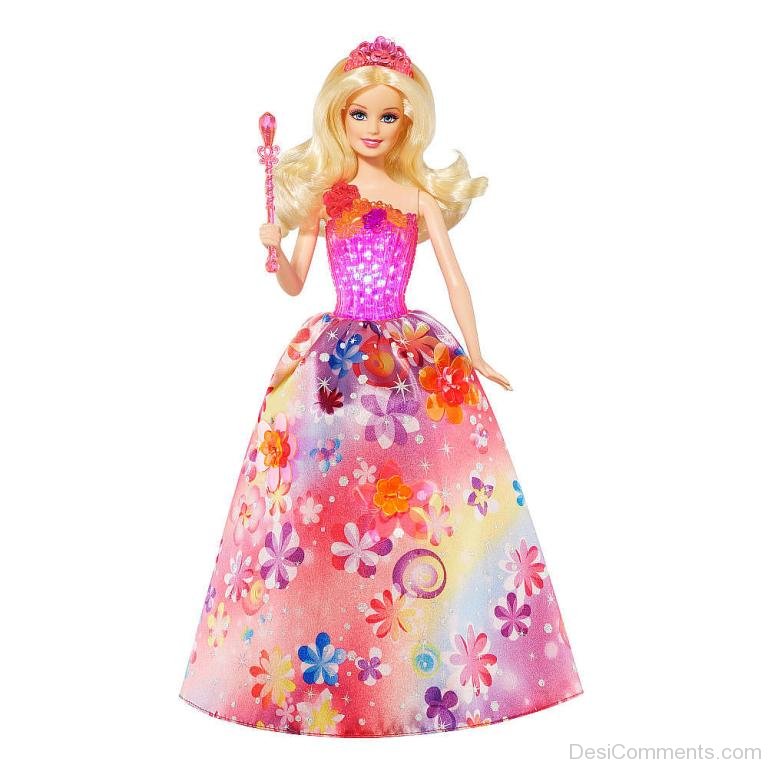
As society continues to evolve, so must cultural icons like Barbie. Over the decades, Barbie has faced both praise and criticism for her representation of women and femininity. With a growing emphasis on diversity, inclusivity, and mental health, Barbie’s future lies in adapting her image and themes to resonate with contemporary audiences while retaining her place in popular culture.
Barbie’s evolution will likely involve incorporating modern themes that reflect the values and challenges of today’s society. To remain relevant, Barbie may focus on promoting inclusivity, addressing mental health issues, and highlighting various professions and lifestyles that empower young girls. This could mean introducing a diverse range of dolls representing different ethnicities, body types, and abilities, thereby ensuring every child sees a piece of themselves in their toys.
New Themes and Representations
To align with current societal trends, Barbie can explore multiple themes that resonate with today’s values. Some potential themes include:
- Diversity and Representation: Barbie can embrace an even wider array of ethnic backgrounds and body types, creating dolls that represent various cultures and abilities. This approach aims to foster acceptance and understanding among children from a young age.
- STEM Empowerment: With the increasing focus on science, technology, engineering, and mathematics (STEM), Barbie can be depicted in roles such as engineers, scientists, and tech innovators, encouraging girls to pursue careers in these fields.
- Mental Health Awareness: Introducing storylines and accessories that promote self-care, mental wellness, and emotional intelligence can help children understand the importance of mental health from an early age.
- Environmental Awareness: With climate change and sustainability being pressing global issues, Barbie could become an advocate for eco-friendly practices, showcasing careers in environmental science and sustainability.
Adapting to these themes presents challenges, particularly in addressing contemporary issues like inclusivity and mental health.
Challenges in Adapting to Contemporary Issues
As Barbie seeks to evolve, several challenges may arise in aligning with modern expectations.
Barbie’s ability to resonate with new generations depends on her portrayal of authenticity, inclusivity, and emotional intelligence.
Challenges include:
- Consumer Expectations: Today’s consumers are more informed and vocal about their expectations. Barbie must navigate the fine line between staying true to her brand’s heritage while incorporating necessary changes.
- Representation Authenticity: Ensuring that diverse representations are authentic and not mere tokenism is crucial. This requires collaboration with communities and experts to accurately depict their stories and challenges.
- Addressing Mental Health Sensitively: Discussing mental health in a way that is age-appropriate and non-stigmatizing can be complex. Barbie needs to ensure that these messages are conveyed positively to empower rather than overwhelm children.
Final Wrap-Up
In conclusion, the Barbie doll is not merely a toy but a mirror reflecting cultural attitudes and aspirations. As Barbie evolves, it challenges the status quo and promotes a message of inclusivity and empowerment. This journey through the world of Barbie reveals the doll’s role in shaping not only childhood experiences but also broader societal narratives, ensuring that it remains relevant in conversations about gender, creativity, and identity.
FAQ Guide
What year was Barbie first introduced?
Barbie was first introduced on March 9, 1959.
What are some iconic careers that Barbie has held?
Barbie has had numerous careers, including doctor, astronaut, engineer, and president.
How has Barbie changed to reflect diversity?
Barbie has introduced dolls with various body types, skin tones, and hairstyles to promote inclusivity.
Are there limited edition Barbie dolls?
Yes, there are many limited edition and collector’s Barbie dolls that are highly sought after by fans and collectors.
What messages does Barbie promote in modern marketing?
Barbie promotes messages of empowerment, diversity, and self-acceptance in its marketing strategies.