 Nolan Paxton
Coloring set opens up a world of creativity and self-expression for individuals of all ages. From young children exploring their imagination to adults seeking relaxation, these sets have evolved significantly over the years. Originally crafted from simple materials, today’s coloring sets span a myriad of mediums, including watercolors, markers, and colored pencils, each tailored to different artistic needs and preferences.
As you delve into the history, types, benefits, and innovative trends of coloring sets, you’ll discover not only their artistic potential but also their cultural significance, therapeutic benefits, and environmental considerations. Whether you’re looking to unwind or enhance your skills, coloring sets offer something for everyone.
The History and Evolution of Coloring Sets
Coloring sets have a rich history that reflects the evolution of artistic expression and cultural practices. Originating as simple tools for children, these sets have transformed into a multifaceted medium enjoyed by people of all ages. From their inception to the modern day, coloring sets have not only entertained but also played significant roles in education, therapy, and personal expression.
The origins of coloring sets can be traced back to ancient civilizations where tools such as natural pigments, handmade paper, and primitive drawing instruments were used. Early coloring materials included ground minerals and plant-based dyes, which were mixed to create colors. Over the years, the materials available for coloring sets have evolved significantly, leading to the modern variations we see today.
Materials Used in Early Coloring Sets Compared to Modern Variations
Early coloring tools were largely dependent on the resources available in their respective cultures. The following highlights illustrate the transition in materials used for coloring sets:
- Natural Pigments: Ancient artists used naturally occurring minerals and plants to create pigments. For example, ochre was a common pigment derived from iron oxide and used in prehistoric cave paintings.
- Handmade Paper and Parchment: Prior to the invention of paper, coloring was done on animal skins or rough surfaces, limiting the scope of coloring. As paper became widely available in the 15th century, it opened new avenues for creativity.
- Wax Crayons and Chalk: In the 19th century, wax crayons were invented, making coloring more accessible and portable. These crayons were favored for their ease of use and vibrant colors.
- Modern Materials: Today’s coloring sets often include high-quality colored pencils, markers, and gel pens made from synthetic materials that provide a broader spectrum of colors and features like blending and shading.
The cultural significance of coloring sets has varied across different historical periods. In ancient times, coloring was often associated with religious and ceremonial practices, as seen in art from cultures like the Egyptians and Aztecs. These cultures used colors symbolically to convey messages and beliefs.
In the 18th and 19th centuries, the rise of childhood education emphasized the use of coloring as a developmental tool. Drawing and coloring were incorporated into school curricula as a means to foster creativity and motor skills. The introduction of coloring books in the mid-20th century, featuring popular characters and themes, solidified coloring’s place in children’s entertainment.
Cultural Significance in Historical Context
Coloring sets have also served as a reflection of societal norms and artistic movements. The following points illustrate their cultural relevance through different eras:
- Renaissance Era: During this period, artists utilized vibrant colors to depict religious themes in their works, with coloring tools evolving alongside advancements in art techniques.
- Industrial Revolution: The mass production of coloring materials led to the democratization of art, allowing children from various backgrounds access to creative outlets.
- Modern Art Movements: In the 20th century, abstract coloring books emerged, allowing artists and adults to explore expressionism and abstraction through color, showcasing coloring as a legitimate form of art.
Coloring sets have maintained their relevance over the years, adapting to the needs and preferences of various generations. Today, they are recognized not only as tools for creativity but also as therapeutic aids that promote mindfulness and relaxation, reflecting a deeper understanding of their value in contemporary society.
The Different Types of Coloring Sets Available Today
Coloring sets have evolved significantly over the years, catering to a wide range of artistic preferences and skill levels. From traditional methods to modern innovations, various types of coloring sets are available in the market today. Each type offers unique features designed to meet the needs of different users, whether they are casual hobbyists or professional artists.
This section explores the prominent types of coloring sets, namely watercolors, markers, and colored pencils, while also highlighting their distinct features and target demographics. Understanding these differences can help users select the most suitable medium for their artistic endeavors.
Types of Coloring Sets
Each coloring set comes with its own set of characteristics, advantages, and potential drawbacks. Here is a detailed overview of the three primary types of coloring sets available:
| Type | Unique Features | Intended User Demographic | Pros | Cons |
|---|---|---|---|---|
| Watercolors | Water-based paints that create a translucent effect when mixed with water. | Ideal for artists looking to achieve soft gradients and fluid designs. |
|
|
| Markers | Ink-filled pens that provide bold, vibrant colors with quick-drying capabilities. | Great for both casual doodlers and professional illustrators. |
|
|
| Colored Pencils | Graphite pencils encased in wood, filled with colored pigments. | Perfect for students, artists, and hobbyists focused on precision. |
|
|
“Choosing the right coloring set can enhance your creative experience and improve your artistic skills.”
The Benefits of Using Coloring Sets for All Ages
Coloring is often viewed as a simple pastime, but it offers a wealth of cognitive and emotional benefits that can enhance the lives of individuals across all age groups. From sparking creativity in children to providing therapeutic relief for adults, coloring sets have become an invaluable tool in promoting mental well-being. Engaging in this activity can foster mindfulness, enhance fine motor skills, and create a relaxing escape from the hustle and bustle of daily life.
Coloring serves as a delightful way to boost cognitive function and emotional stability for both children and adults. The act of coloring encourages focus and concentration, helping to improve fine motor skills and hand-eye coordination, particularly in younger users. For adults, it acts as a medium for creative expression, allowing them to explore their artistic side while also providing a therapeutic outlet for stress. Research has shown that engaging in artistic activities, such as coloring, can lower anxiety levels and promote relaxation, making it a highly effective tool for mental health management.
Cognitive and Emotional Benefits
Engaging in coloring activities provides numerous cognitive and emotional benefits that can be appreciated by all ages. These benefits include:
- Improved Focus and Concentration: Coloring requires attention to detail and concentration, fostering a meditative state that can help individuals concentrate better in other areas of life.
- Enhanced Fine Motor Skills: For children, coloring aids in developing fine motor skills and hand coordination, which are essential for writing and other tasks.
- Stress Relief: Studies have indicated that coloring can significantly reduce stress levels, with participants reporting feelings of calmness and relaxation. The repetitive nature of coloring can be a form of mindfulness, drawing focus away from anxiety-inducing thoughts.
- Creativity Boost: Coloring allows for the free expression of creativity, enabling both children and adults to explore color combinations and designs, which can lead to enhanced problem-solving skills.
Coloring sets can also be utilized effectively in therapeutic settings. Art therapy, which often includes coloring, has been shown to assist individuals in expressing emotions that may be difficult to articulate verbally. For example, a study published in the journal Art Therapy noted that participants experienced a significant decrease in anxiety and feelings of depression after engaging in structured coloring sessions.
“The act of coloring can be as effective as meditation, allowing individuals to disconnect from stressors and reconnect with their inner selves.”
Testimonials from individuals who have incorporated coloring into their routines frequently highlight its life-enhancing properties. Many adults report that dedicating time to color each day not only serves as a calming ritual but also inspires newfound creativity in other aspects of their daily life. Thus, whether for children honing their skills or adults seeking a mental health boost, coloring sets offer invaluable benefits that span across ages.
Tips for Choosing the Perfect Coloring Set
Selecting the right coloring set can enhance the creative experience for artists of all ages and skill levels. Whether you are purchasing for a child, a beginner, or a seasoned artist, understanding the essentials of coloring materials can make all the difference in achieving artistic goals and satisfaction.
When choosing a coloring set, it is essential to consider various factors, including age, skill level, and artistic aspirations. The quality of materials, the range of colors available, and your budget should all play significant roles in your decision-making process.
Considerations for Age and Skill Level
Understanding the age and skill level of the intended user is crucial when selecting a coloring set. Different age groups may require different types of materials for safety and ease of use.
- Young Children: Look for non-toxic, washable markers or crayons that are easy to grip and safe for ages 3 and up. Sets that offer larger pieces can help reduce choking hazards.
- Older Kids: For children aged 8 and above, colored pencils or fine-tip markers with a broader color spectrum can stimulate creativity and allow for more detailed work.
- Teens and Adults: High-quality markers, paint, or specialty colored pencils designed for advanced techniques will suit those looking to refine their skills or pursue more complex art projects.
Evaluating Material Quality and Color Range
The quality of materials used in a coloring set can significantly affect the final outcome of artwork. High-quality products not only provide a better coloring experience but also ensure longevity in use.
- Material Quality: Look for coloring materials made from high-grade pigments that offer vibrant colors. Products labeled as “lightfast” are resistant to fading when exposed to light.
- Color Range: A diverse color palette can inspire creativity. Sets that offer a wide variety of hues allow for more complex shading and blending techniques.
Budget Considerations
Budget plays a vital role in choosing a coloring set, impacting both quality and variety.
- Entry-Level Options: For beginners or casual users, affordable sets can still offer quality without breaking the bank. Basic sets of crayons or markers are often sufficient.
- Mid-Range Choices: As skills develop, investing in a mid-range set can provide better quality and a more extensive color range, especially for older kids and teens.
- Premium Products: Advanced artists should consider premium brands that offer specialized tools and a vast spectrum of colors, albeit at a higher cost.
Checklist Before Purchasing
A checklist can be an effective tool in ensuring that all necessary factors are considered before making a purchase. Keep these points in mind:
- What is the age of the intended user?
- What skill level does the user possess?
- Are the materials safe and non-toxic?
- Is the color range sufficient for the user’s artistic goals?
- Does the budget allow for quality products?
- Is the set easy to use and store?
Creative Techniques for Enhancing Coloring Experience
Coloring is not just a simple pastime; it can be an avenue for self-expression and creativity. To elevate your coloring experience, employing various techniques can significantly enhance the vibrancy and depth of your artwork. This section focuses on creative methods such as blending, shading, and layering colors that can take your coloring projects to the next level.
Using these techniques can turn a flat image into a dynamic piece of art, showcasing your unique style and skill. Mastering these methods will not only improve the quality of your work but also make the coloring process more enjoyable and fulfilling.
Blending Colors for a Seamless Transition
Blending is a technique that involves merging two or more colors to create a smooth transition. This can be particularly effective in producing gradients and adding realism to your artwork. Here’s a step-by-step guide to blending colors effectively:
1. Select Your Colors: Choose two or more colors that complement each other. For instance, a light blue and a dark blue work well together for sky effects.
2. Apply the Base Color: Start with the lighter color and apply it to the area you want to blend. Use even pressure to fill in the space uniformly.
3. Add the Second Color: Next, layer the darker color onto the edge of the first color. Use light strokes to avoid harsh lines.
4. Blend with a Tool: Use a blending stump, cotton swab, or your finger to gently rub over the intersection of the two colors. This will soften the line and create a smooth transition.
5. Layer for Depth: If necessary, go back with the original colors to enhance the depth. Repeat the blending as needed until you achieve the desired effect.
Blending not only adds dimension but also enhances the overall aesthetic of your coloring projects.
Shading for Added Dimension
Shading is a pivotal technique in coloring that helps create the illusion of depth and volume in your artwork. Proper shading can make objects appear more realistic and three-dimensional. Here’s how you can effectively implement shading in your coloring:
1. Identify the Light Source: Determine where the light is coming from in your artwork; this will guide where shadows should fall.
2. Choose Shadow Colors: Depending on the base color, select a slightly darker shade or complementary color to apply as a shadow.
3. Layer the Shadow: Apply the shadow color lightly along the edges of your object that are furthest from the light source.
4. Blend the Shadow: Use a blending technique similar to what was described previously, to ensure the shadow transitions smoothly into the base color.
5. Highlighting: Optionally, add a highlight with a lighter color to the areas closest to the light source to enhance the shading effect.
Shading provides depth and realism, making your artwork more captivating.
Layering Colors for Richness
Layering is a technique that involves applying multiple layers of colors to create depth and complexity in your artwork. This method is beneficial for achieving vibrant results and can significantly change the appearance of your coloring. Here’s a structured approach:
1. Base Layer: Begin with a light application of your chosen base color, filling in the entire area without applying too much pressure.
2. Add Additional Layers: Gradually add layers of darker tones or complementary colors. Make sure to allow each layer to dry before adding the next to avoid muddling the colors.
3. Vary Your Pressure: Use different amounts of pressure when applying each layer to create texture and variation in tone.
4. Use Color Mixing: Experiment with mixing colors on the paper. For instance, layering a warm color over a cool one can yield unique results and surprises.
5. Final Touches: Finish with a light touch of white or a lighter shade to highlight areas, enhancing the overall richness of the artwork.
Layering can transform simple coloring into an exquisite piece, allowing for personal expression while developing your artistic skills.
The Role of Coloring Sets in Educational Settings
Coloring sets play a significant role in educational environments, serving as versatile tools that enhance learning while fostering creativity. Integrating coloring activities into curricula not only engages students visually but also promotes cognitive development across various subjects.
Coloring sets can be seamlessly incorporated into diverse educational curricula to stimulate both learning and creativity. They provide a multi-sensory experience that can cater to various learning styles, making education more inclusive. The act of coloring helps reinforce fine motor skills, enhances focus, and encourages relaxation, which can be particularly beneficial in a learning environment.
Integration into Subjects
Utilizing coloring sets can enhance the learning experience in subjects like art, science, and geography. Below are some practical applications:
– Art: In art classes, coloring sets can be used for teaching color theory. Students can experiment with different color combinations and understand the emotional impact of colors. They can also recreate famous artworks or create their own pieces, allowing for personal expression.
– Science: Coloring sets can depict the life cycles of plants and animals or illustrate the human anatomy. For example, students can color a diagram of the human heart, helping them visualize its structure and function, thereby improving retention of complex biological concepts.
– Geography: In geography lessons, coloring maps can aid in teaching students about different countries, continents, and physical features. For instance, students can color different regions according to climate zones, helping them understand geographical diversity and climate variations.
The implementation of coloring sets in the classroom may encounter challenges such as resource allocation, classroom management, and varying levels of interest among students. However, these challenges can be addressed effectively.
– Resource Allocation: Ensuring that coloring materials are readily available and accessible is crucial. Schools can create a shared resource pool that allows for easy distribution and replenishment of coloring sets.
– Classroom Management: To manage classroom dynamics effectively during coloring activities, teachers can establish clear guidelines and use structured sessions. Group coloring projects can foster collaboration and peer learning.
– Student Engagement: To keep students engaged, educators can incorporate themes or topics students are passionate about, such as favorite characters from books or movies, into the coloring activities. This not only enhances interest but also encourages a deeper connection with the subject matter.
By integrating coloring sets into educational settings, educators can create a vibrant and interactive learning atmosphere that nurtures creativity and supports academic growth.
Environmental Considerations in Coloring Set Production
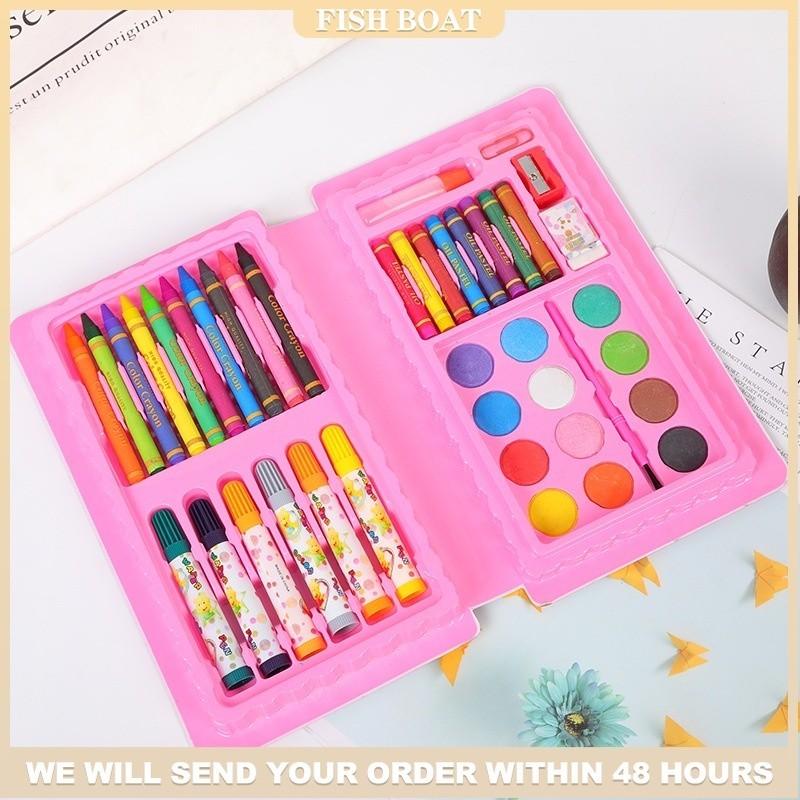
The production of coloring sets has significant implications for the environment, especially concerning the materials and manufacturing processes involved. As consumers become increasingly aware of environmental issues, brands are evolving, integrating sustainable practices to reduce their ecological footprint. This shift not only benefits the planet but also resonates with eco-conscious consumers who prioritize sustainability in their purchasing decisions.
The materials used in traditional coloring sets often include plastics and synthetic dyes, which can contribute to pollution and waste. Additionally, the manufacturing processes may involve harmful chemicals and excessive energy consumption. Brands are now recognizing the importance of adopting eco-friendly materials and processes. Sustainable practices include using recycled materials, natural pigments, and reducing water and energy usage during production. Such initiatives help minimize the environmental impact of coloring set production and promote a circular economy.
Adoption of Sustainable Practices by Brands
Many brands are stepping up to incorporate sustainable practices in their product lines. These methods not only aim to lessen environmental degradation but often enhance product appeal to a growing demographic of eco-friendly consumers.
- Recycled Materials: Brands like Crayola have introduced products made from recycled materials, such as their “Crayola Colors of the World” crayons, which utilize repurposed plastic.
- Natural Pigments: Companies such as Faber-Castell are using earth-friendly pigments in their coloring products, which are less harmful and more biodegradable compared to traditional synthetic dyes.
- Minimal Packaging: Eco-conscious brands are reducing packaging waste by opting for minimalistic designs and using recyclable materials in their packaging, such as cardboard instead of plastic wrappers.
- Energy-efficient Manufacturing: Some manufacturers are investing in renewable energy sources to power their production facilities, thereby reducing their carbon footprint significantly.
Brands committed to developing eco-friendly coloring products not only contribute positively to the environment but also inspire consumers to make more responsible choices. Below is a list of notable eco-conscious brands and their initiatives aimed at promoting greener coloring products:
Eco-Conscious Brands and Their Initiatives
The following brands have made commendable efforts in producing environmentally friendly coloring sets, showcasing their commitment to sustainability.
- Crayola: As mentioned, they focus on recycled materials for their products and have launched initiatives to educate children about recycling.
- Faber-Castell: This brand is known for its commitment to sustainability, using natural resources and implementing energy-efficient practices in manufacturing.
- Prang: They offer non-toxic, vegetable-based paints and crayons, ensuring that their products are safe for both children and the environment.
- Eco-Kids: Specializes in products made from natural ingredients and recycled materials, promoting a holistic approach to creativity.
By supporting brands that prioritize eco-friendly practices, consumers can contribute to a more sustainable future while enjoying the creative process of coloring. Each small step taken by both brands and consumers leads to a collective impact on the environment, making it imperative to choose wisely when selecting coloring sets.
Innovative Trends in Coloring Sets and Their Uses
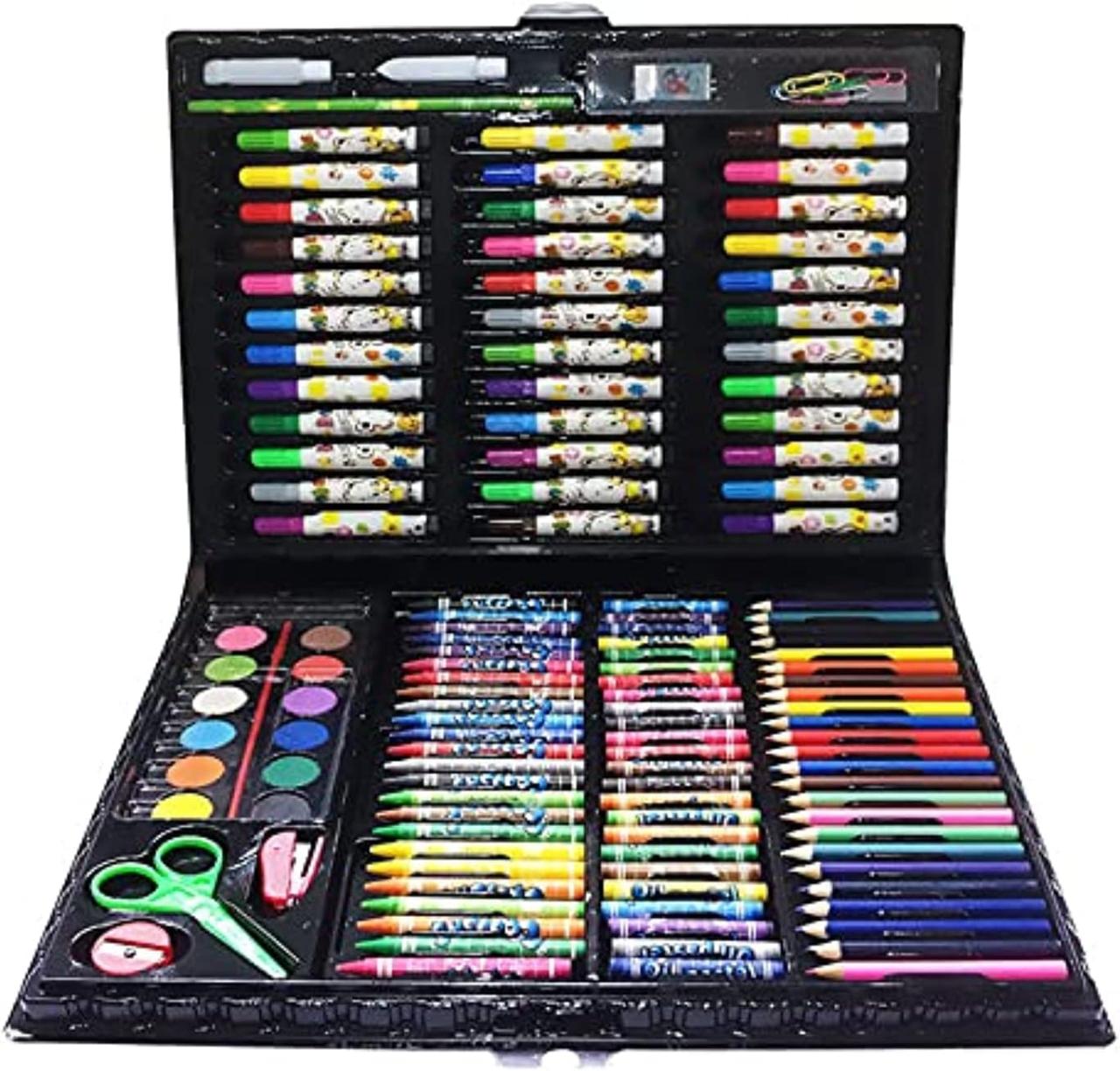
The world of coloring is evolving with innovative trends that appeal to diverse audiences. From digital platforms to adult-oriented designs, coloring sets are expanding their reach and applications. This transformation reflects not only a shift in artistic expression but also the way people engage with creativity as a form of relaxation and therapy.
The recent surge in popularity of digital coloring apps and adult coloring books signifies a broader trend towards mindfulness and self-care. These contemporary coloring sets cater to various age groups and interests, making them suitable for stress relief, artistic exploration, and even educational purposes.
Emerging Markets and Unique Uses for Coloring Sets
Coloring sets have found unique applications beyond traditional uses, appealing to new markets and demographics. The following table Artikels some of the popular trends in coloring sets, their descriptions, and target audiences:
| Trend | Description | Target Audience |
|---|---|---|
| Digital Coloring Apps | Mobile applications that allow users to color digitally, offering various tools and effects. | Teenagers, young adults, and busy professionals seeking a portable creative outlet. |
| Adult Coloring Books | Intricate designs aimed at adults, promoting relaxation and stress relief through art. | Adults of all ages, particularly those interested in self-care and mindfulness practices. |
| Therapeutic Coloring | Coloring sets used in therapy settings to assist with emotional healing and stress reduction. | Individuals undergoing therapy or seeking mental wellness practices. |
| Coloring for Education | Coloring sets designed to teach concepts such as math, science, and history through interactive engagement. | Students and educators looking for creative ways to enhance learning experiences. |
| Environmental Themes | Coloring books that focus on nature conservation and environmental awareness. | Eco-conscious consumers and children learning about sustainability. |
Each of these trends showcases how coloring sets are adapting to the needs and interests of contemporary users. By incorporating elements of technology and addressing mental health, coloring is emerging as a versatile tool in various fields, paving the way for innovative uses that extend far beyond mere entertainment.
Wrap-Up
In conclusion, coloring sets have transcended generations, providing both a canvas for artistic expression and a tool for mindfulness and creativity. As you explore the diverse options available, remember that the right set can enrich your life, spark joy, and promote well-being. So gather your materials, unleash your imagination, and let the vibrant colors bring your creativity to life!
FAQs
What age group are coloring sets suitable for?
Coloring sets are suitable for all ages, from toddlers to seniors, with specific sets designed for different skill levels.
How can coloring sets be used in education?
Coloring sets can enhance learning by promoting creativity, improving fine motor skills, and making subjects more engaging.
Are there eco-friendly coloring sets available?
Yes, many brands now offer eco-friendly coloring sets made from sustainable materials and non-toxic inks.
Can coloring be a form of therapy?
Absolutely! Coloring can reduce stress and anxiety, serving as a therapeutic activity for individuals seeking relaxation.
What are some creative techniques to try with coloring sets?
Techniques like blending, shading, and layering can enhance the vibrancy and depth of your artwork.