 Nolan Paxton
Soft toy sets the stage for this enthralling narrative, offering readers a glimpse into a story that is rich in detail and brimming with originality from the outset. These cherished companions have not only evolved in their design and purpose but have also woven themselves into the fabric of our emotional lives, providing comfort and security across generations. From their humble beginnings to the high-tech innovations of today, soft toys have captured hearts and imaginations alike, making them a significant part of both childhood and adulthood.
As we explore their historical significance, psychological benefits, and craftsmanship, we’ll uncover how these delightful creations have shaped our experiences, facilitated learning, and even adapted to modern sustainability demands. Join us as we dive into the world of soft toys, where nostalgia meets innovation and each plush figure tells a story.
The history and evolution of soft toys provides insight into their cultural significance over time.
Soft toys, often seen as innocent companions for children, have a rich history that reflects our evolving culture, technology, and material usage. Their journey dates back centuries, with early forms serving as comforting objects for children and adults alike. The cultural significance of these soft companions has grown, adapting to changing societal norms, values, and technological advancements.
The creation of soft toys began in the 19th century, when they were primarily made for the upper class as a luxury item. Initially, they were handcrafted from materials like wool, felt, and silk, reflecting the craftsmanship of the time. As the Industrial Revolution took hold, the production of soft toys transitioned to factories, making them more accessible to the masses. This shift not only made soft toys widely available but also led to the introduction of new materials like plush fabrics and synthetic stuffing, which provided softer and more durable options for manufacturers.
Materials and their Reflection of Societal Changes
The changing materials used in soft toy production over time illustrate significant societal shifts. Each era brought new innovations and material advancements that mirrored contemporary lifestyles and values.
– 19th Century: Handcrafted toys were made from natural fibers, such as cotton and wool, reflecting the artisanal craftsmanship and labor-intensive processes before industrialization.
– Early 20th Century: The introduction of plush and mohair fabrics became popular, coinciding with a growing consumer culture and the rise of department stores, allowing for mass production.
– Post-War Era: The use of synthetic materials like nylon and polyester increased, symbolizing post-war modernization and the shift towards affordable, durable products for the middle class.
– Contemporary Era: Today, eco-friendly materials are gaining traction, with brands prioritizing sustainability in response to environmental consciousness, showcasing a societal shift towards eco-awareness.
Key milestones in the soft toy industry include the creation of the first teddy bear in 1902, inspired by President Theodore Roosevelt’s bear-hunting trip. This event sparked a teddy bear craze that has lasted for over a century, leading to the establishment of iconic brands like Steiff. Furthermore, the introduction of licensed characters, such as those from Disney, in the mid-20th century expanded the soft toy market significantly, making them staples in children’s lives. The evolution of soft toys offers a fascinating glimpse into how our cultural values have transformed, reflecting our relationships with childhood comfort, nostalgia, and sustainability.
The psychological benefits of soft toys for children and adults demonstrates their importance in emotional development.
Soft toys have long been cherished companions for individuals of all ages, providing comfort and emotional support. Their significance transcends mere playthings; they play a pivotal role in emotional development for both children and adults. This discussion delves into the various ways soft toys foster emotional security, highlighting their impact on psychological well-being.
Emotional security in young children
Soft toys contribute significantly to emotional security in young children. They serve as transitional objects, helping children navigate the complex emotions associated with separation and new experiences. When a child faces a stressful situation, such as starting school or moving to a new home, a soft toy can provide a sense of familiarity and comfort.
- Soft toys act as a source of comfort, offering a physical presence that can reduce anxiety and provide reassurance during times of distress.
- They encourage imaginative play, which is crucial for emotional expression and understanding, allowing children to create narratives that help them process feelings.
- Studies suggest that having a soft toy nearby can enhance a child’s ability to explore their environment confidently, knowing they have a safe object to return to if they feel overwhelmed.
“Transitional objects, such as soft toys, play a key role in a child’s emotional development by providing comfort and aiding in the management of anxiety.” – Dr. E. B. Spangler
Comfort for adults during stressful times
The comfort derived from soft toys extends beyond childhood into adulthood. Many adults find solace in the presence of soft toys during stressful periods. These objects can evoke fond memories from childhood, linking them to feelings of safety and calm.
- Soft toys can serve as a tangible reminder of simpler times, offering a sense of nostalgia that can alleviate stress and anxiety in adults.
- During challenging moments, such as grief or loss, adults may find comfort in hugging or holding a soft toy, which can trigger the release of oxytocin, the hormone associated with bonding and emotional warmth.
- Research indicates that soft toys can also facilitate emotional expression in adults, allowing them to process complex feelings in a non-threatening manner.
“For adults, soft toys can represent a safe space for emotional expression, providing a comforting presence in times of stress.” – Dr. J. A. Branford
Psychological studies supporting emotional benefits
Numerous psychological studies underline the emotional benefits of soft toys for both children and adults. Research has shown that the presence of a soft toy can significantly lower anxiety levels and improve emotional regulation.
- A study published in the Journal of Child Psychology and Psychiatry found that children who used soft toys as transitional objects exhibited lower levels of anxiety during separations from their parents.
- Another study by the University of Cambridge highlighted that adults with soft toys reported feeling more relaxed and able to cope with stressors effectively, showcasing the importance of these objects in emotional health.
- Research conducted by the American Psychological Association revealed that soft toys can help mitigate feelings of loneliness, providing companionship and enhancing overall well-being.
“Soft toys not only provide comfort but also have measurable psychological effects, enhancing emotional stability and resilience.” – Prof. L. M. Henderson
The craftsmanship behind soft toys involves complex techniques and artistic creativity.
The creation of soft toys is not simply a matter of stitching fabric together; it is an intricate blend of artistry and technical skill. Each soft toy is a product of careful design and various craftsmanship techniques that transform raw materials into beloved companions. The process involves several methods that bring creativity and innovation to life, ensuring that each piece is unique and of high quality.
The foundational techniques in soft toy craftsmanship include sewing and stuffing, which require precision and attention to detail. The sewing process can involve multiple techniques such as hand-stitching, machine sewing, and the use of embroidery for detailing. Each method contributes to the overall aesthetic and durability of the toy. Stuffing is equally crucial; the choice of material influences the toy’s feel and appearance. Common stuffing materials include polyester fiberfill, natural cotton, and even recycled materials, each providing different textures and levels of firmness.
Methods of Creation
The methods of creating soft toys vary significantly, depending on the design and intended use of the toy. Below are key techniques involved in the creation process:
- Pattern Making: The initial stage begins with creating a pattern, which acts as a blueprint for the toy’s shape and size. Designers often draft patterns by hand or use computer-aided design (CAD) software to ensure precision.
- Sewing Techniques: Various sewing techniques are employed, including:
- Machine sewing for rapid assembly.
- Hand-stitching for intricate details and finishing touches.
- Embroidery to personalize the toys with names or designs.
- Stuffing Techniques: After sewing, the soft toys are stuffed using specific techniques to ensure an even distribution of filling. Techniques include:
- Layering the stuffing for a more natural contour.
- Using weighty materials in certain areas for balance.
Design and Fashion Trends
Design plays a vital role in the soft toy industry, as aesthetics significantly influence consumer choice. Trends in fashion and design often dictate the styles and themes of soft toys. For instance, contemporary trends lean towards minimalistic designs with neutral colors, while others embrace vibrant patterns and cartoonish characters.
Seasonal trends can also affect soft toy design, with holiday-themed toys becoming particularly popular during festive periods. The influence of pop culture, such as movies and television shows, has led to a surge in character-based soft toys, fostering a connection between children and their favorite media figures.
Prominent Brands and Artisans
Numerous brands and artisans have distinguished themselves in the soft toy market through exceptional craftsmanship and innovative designs. Notable examples include:
- Steiff: Renowned for their high-quality teddy bears, Steiff has been a leader in the soft toy industry since 1880, known for their signature button in ear and attention to fine detail.
- Gund: This brand is famous for its plush bears and other soft toys, incorporating a focus on huggable designs and soft materials.
- Jellycat: Known for quirky and whimsical designs, Jellycat offers a range of unique soft toys that appeal to both children and collectors.
- Local Artisans: Many artisans craft bespoke soft toys, often using eco-friendly materials and unique designs that reflect personal styles. These toys often carry a story, adding to their appeal.
“Craftsmanship in soft toys combines the heart of creativity with the hands of artisans, resulting in cherished companions for generations.”
The role of soft toys in play and learning illustrates their educational value.
Soft toys are more than just comforting companions for children; they serve a vital role in the realms of play and learning. Through imaginative play, children can explore their creativity and develop essential social skills. Soft toys act as versatile tools that foster engagement, communication, and cognitive development, making them indispensable in early childhood education.
Soft toys facilitate imaginative play and the development of social skills in children by providing them a safe and relatable vehicle for expression. When children interact with soft toys, they often engage in role-playing scenarios that mirror real-life situations, helping them to understand and navigate social norms. For instance, a child may engage in caring for their soft toy, mirroring the nurturing behaviors they observe with pets or siblings. This kind of play encourages empathy and emotional awareness, as children learn to express feelings and understand the perspectives of others. Additionally, soft toys can encourage cooperative play, where children interact with one another, sharing toys and ideas, thus enhancing their communication and teamwork skills.
Examples of games and activities using soft toys for educational purposes
Incorporating soft toys into games and activities not only makes learning fun but also reinforces various educational concepts. Here are specific examples of how soft toys can be integrated into learning experiences:
- Storytime Adventures: Caregivers can use soft toys to bring stories to life during reading sessions. For example, holding a teddy bear while reading a story about friendship allows children to visualize characters and understand key themes.
- Role-Playing Scenarios: Children can act out different social situations using their soft toys. For instance, setting up a “vet clinic” with soft animals allows children to role-play as veterinarians, facilitating discussions about animal care and empathy.
- Math Games: Soft toys can serve as counting tools. For example, children can use a group of stuffed animals to practice basic addition and subtraction by physically moving the toys during counting exercises.
- Emotion Recognition Activities: Caregivers can encourage children to express different emotions by using soft toys to demonstrate feelings. For instance, a sad-looking plush might prompt discussions about sadness and how to support friends who feel that way.
Caregivers can enhance learning experiences by intentionally integrating soft toys into daily activities. This integration can be achieved through various strategies:
- Encouraging Interaction: Encourage children to talk to their soft toys, which can enhance language skills and spark imaginative conversations.
- Creating Themed Play Areas: Set up areas where soft toys are the main attraction. For instance, a “dollhouse” setup with plush toys can promote imaginative scenarios and storytelling.
- Using Soft Toys for Teaching Concepts: Soft toys can be used as visual aids when teaching new vocabulary, emotions, or concepts, making learning relatable and engaging.
By incorporating these practices, caregivers can turn ordinary playtime into rich educational experiences that foster growth across multiple developmental domains.
The sustainability of soft toys raises awareness about environmental considerations in production.
The growing concern for the environment has led to a significant shift towards sustainability within the soft toy industry. As consumers become more conscious of their choices, brands are re-evaluating their production methods and material sources to minimize their ecological footprint. This focus on sustainability not only benefits the planet but also enhances brand loyalty among environmentally aware consumers.
Material choices play a crucial role in the environmental impact of soft toy production. Traditional materials, such as polyester and non-biodegradable plastics, contribute to pollution and waste. In contrast, eco-friendly materials like organic cotton, recycled fibers, and natural dyes are gaining traction. Brands are increasingly opting for these sustainable materials to reduce their environmental impact. For instance, organic cotton is produced without harmful pesticides, promoting healthier ecosystems and safer working conditions for farmers.
Eco-friendly practices in the soft toy industry
Implementing eco-friendly practices is essential for brands that wish to remain competitive and relevant in today’s market. This involves not only the use of sustainable materials but also ethical manufacturing processes and transparent supply chains. Companies are now adopting practices that minimize waste and energy consumption throughout their production cycles.
Several brands are exemplifying these eco-conscious efforts. For example, Plush Toys utilizes 100% recycled materials in their toy lines, drastically reducing the amount of plastic waste. Similarly, EcoBunny creates soft toys from organic cotton and uses non-toxic dyes, ensuring that their products are safe for children and the environment. Another notable mention is Tender Tots, which sources materials from sustainable farms and employs fair-trade practices in their production, thereby supporting local communities.
Adopting these sustainable methods not only helps the environment but also resonates with consumers who prioritize eco-friendly choices. This shift towards sustainable soft toys reflects a broader trend in consumer awareness, promoting a cycle of responsible production and consumption.
“Sustainable choices in the soft toy industry pave the way for a greener future, fostering responsible consumerism and environmental stewardship.”
{The phenomenon of collecting soft toys and its cultural implications shows the diverse nature of this hobby.}
Soft toy collecting has evolved beyond a mere pastime into a rich cultural phenomenon that resonates across various demographics. This hobby encapsulates nostalgia, emotional connection, and even financial investment, illustrating the diverse motivations behind it. From children to adults, soft toy collectors find joy in the unique stories and sentiments that these plush companions represent, creating a vibrant tapestry of community and culture around them.
The reasons behind soft toy collecting vary significantly among different age groups. For children, plush toys often serve as comfort items, offering companionship and security. As they grow, many retain their attachment to these toys, transitioning into collectors who seek out specific characters or brands. For adults, collecting soft toys can represent nostalgia, with many seeking to recapture the innocence of childhood or connect with cherished memories. Furthermore, some collectors view soft toys as an investment opportunity, particularly with limited edition or vintage pieces that can appreciate in value over time.
{Notable collectible soft toys and their market value}
The collectors’ market is rich with noteworthy soft toys, each with its unique story and monetary value. Notable examples include:
- Teddy Bears: Classic teddy bears, especially those made by brands like Steiff or Hermann, have seen substantial appreciation in value. Some rare models can fetch thousands of dollars at auctions.
- Beanie Babies: Once a fad, certain Beanie Babies can still command high prices, particularly those that were limited edition or misnamed, with some selling for over $10,000.
- Disney Plush Toys: Characters from Disney films, particularly vintage or limited-edition plushies, hold significant sentimental and market value, often appealing to both children and adult fans alike.
- Anime Plushies: Collectibles from popular anime series can rise in value, especially when they are exclusive to events or conventions, making them highly sought after among fans.
These toys not only have sentimental value but also represent a financial investment for many collectors. The fluctuating market trends for these items often reflect broader cultural phenomena and nostalgia waves.
{Communities and events centered around soft toy collecting}
The soft toy collecting community is diverse and active, with numerous platforms for enthusiasts to connect, share, and celebrate their collections. Online forums, social media groups, and dedicated websites provide spaces for collectors to showcase their prized possessions, trade tips, and discuss market trends.
Events such as toy fairs, collector conventions, and local meet-ups play a vital role in fostering community among collectors. These gatherings often feature:
- Swap Meets: Opportunities for collectors to trade items, fostering a sense of camaraderie and shared passion.
- Exhibitions: Showcasing rare and vintage soft toys, allowing collectors to appreciate the artistry and history behind their favorite pieces.
- Workshops: Teaching techniques for caring for and restoring soft toys, ensuring they remain in excellent condition for years to come.
These communities not only enhance the collecting experience but also bridge generational gaps, as collectors of all ages come together to celebrate their shared love for soft toys. The implications of such a vibrant community extend beyond collecting; it weaves a narrative of nostalgia, emotional support, and the timeless nature of playfulness in a fast-paced world.
The impact of technology on the soft toy market explores modern innovations in the industry.
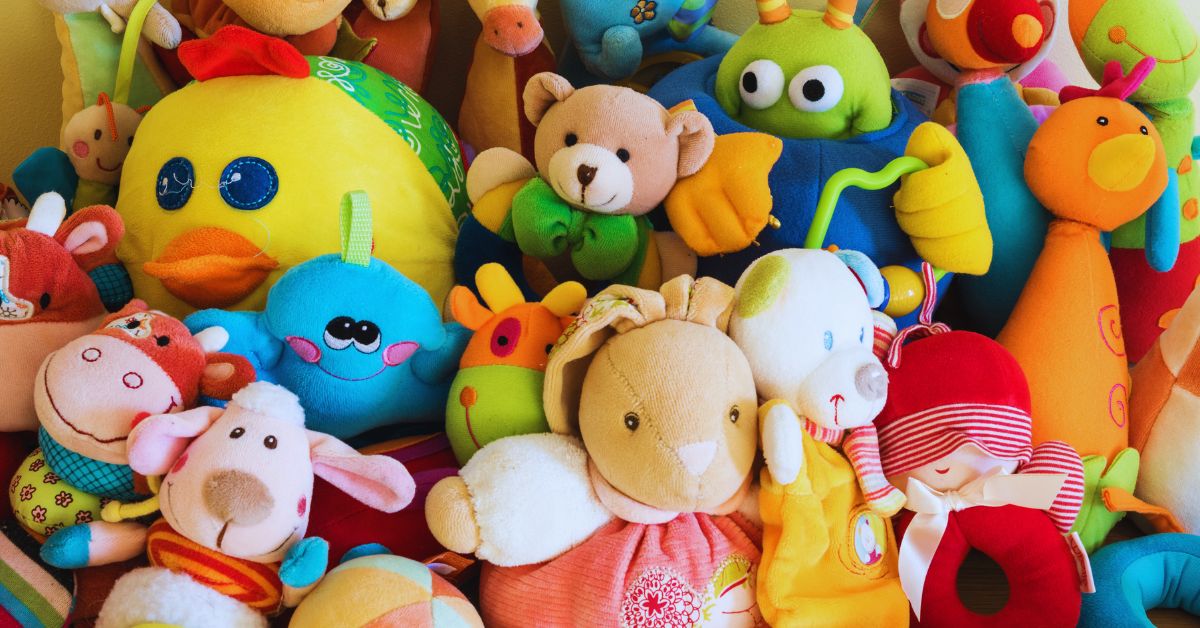
The intersection of technology and play has transformed the soft toy market, blending traditional comfort with modern innovation. As children today grow up in a digital world, the demand for toys that reflect their experiences has led to exciting advancements. These innovations not only enhance the play experience but also cater to educational and developmental needs, making soft toys more than just cuddly companions.
Technology has significantly influenced the design and functionality of soft toys, ushering in a new era of creativity and interactivity. Designers now utilize advanced materials and manufacturing techniques, allowing for intricate designs and features that were previously unimaginable. For example, 3D printing technology enables the creation of custom soft toys tailored to individual preferences, while smart textiles can make soft toys more durable and versatile. This convergence of design and technology results in products that are not only visually appealing but also functional and engaging.
Rise of interactive and smart soft toys
The emergence of interactive and smart soft toys has captured the attention of both children and parents. These toys incorporate various technologies such as sensors, lights, and sounds, providing a multi-sensory experience that enhances playtime.
The appeal of these toys lies in their ability to engage children on multiple levels. For instance, smart soft toys can respond to voice commands, recognize songs, or even interact with mobile apps, creating a dynamic play environment. This interaction fosters learning and development, promoting skills such as problem-solving, creativity, and emotional intelligence.
Several key elements contribute to the growing popularity of smart soft toys:
- Personalization: Many interactive toys can adapt to a child’s preferences, providing a sense of ownership and connection.
- Educational Value: Toys that incorporate learning games or storytelling elements help children develop cognitive skills while having fun.
- Social Interaction: Some smart toys are designed to facilitate group play, encouraging socialization among peers.
A notable example is the “Cuddle + Kind” line of dolls, which not only provides companionship but also supports child nutrition programs through their sales.
Future trends in soft toys due to technological advancements
As technology continues to evolve, the soft toy industry is poised for further innovation. Future trends may include the integration of augmented reality (AR) and virtual reality (VR) elements, allowing children to immerse themselves in interactive narratives. Imagine a scenario where a child uses a tablet or smartphone to bring their soft toy to life within a virtual environment, enhancing storytelling and imaginative play.
Moreover, advancements in artificial intelligence (AI) could lead to the development of soft toys that learn and adapt to a child’s behaviors and preferences over time. This personalized approach to play could revolutionize the way children interact with their toys, creating deeper emotional bonds and fostering a sense of companionship.
In summary, the fusion of technology with soft toys is an exciting development that reflects contemporary children’s needs and preferences. As innovations continue to unfold, the future of soft toys promises to offer even more engaging, educational, and personalized experiences for the next generation of play.
The representation of soft toys in popular culture reveals their influence on media and entertainment.
Soft toys have held a significant place in popular culture, showcasing their deep-rooted connection to nostalgia and emotional comfort. These plush companions often transcend their physical form, becoming symbols of childhood, innocence, and even companionship in various media. From animated films to bestselling books and television series, soft toys have not only entertained but have also shaped public perception surrounding their importance in our lives.
The portrayal of soft toys in movies, TV shows, and literature often reflects broader cultural themes and ideals, resonating deeply with audiences. These representations can create lasting impressions, influencing how society views these stuffed companions. Iconic characters such as Winnie the Pooh from A.A. Milne’s beloved children’s books and the subsequent Disney adaptations, or the lovable, colorful characters from the animated series “Teletubbies,” have cemented soft toys as cultural icons. The sentimental attachment to these characters often drives merchandise sales and deepens emotional connections with brands.
Iconic Soft Toys in Media
Numerous soft toys have gained fame through their media representations, becoming integral parts of various narratives. These characters symbolize not just childhood but also the virtues of friendship and love. Notable examples include:
- Teddy Bear: Often featured in stories as a child’s first friend, representing security and warmth, as seen in “The Velveteen Rabbit.” This classic tale emphasizes the transformative power of love and attachment.
- Sully and Mike Wazowski from “Monsters, Inc.”: These characters, while not traditional soft toys, embody the essence of plush companionship. Their friendship reflects how soft toys can symbolize support and loyalty.
- Care Bears: Originating from greeting cards, these characters have appeared in numerous TV shows and films, promoting themes of caring and sharing, reinforcing positive emotional values.
- Paddington Bear: This character from children’s literature has been featured in films that emphasize kindness and adventure, making him relatable to both children and adults.
These representations shape public nostalgia, reminding audiences of their childhood experiences and emotional bonds with soft toys.
Marketing Strategies for Soft Toys
The marketing strategies employed to promote soft toys in connection with media franchises are crucial in enhancing their cultural presence. Companies leverage the emotional connections fostered by these characters to boost merchandise sales. Marketing tactics include:
- Character Licensing: Brands often collaborate with film and TV studios to create plush versions of popular characters, capitalizing on existing fan bases to increase sales.
- Cross-Promotion: Soft toys are frequently promoted alongside related media releases, such as movie premieres or new seasons of TV shows, ensuring visibility and relevance.
- Social Media Campaigns: Platforms like Instagram and TikTok allow brands to engage with audiences through interactive content, showcasing soft toys in relatable scenarios, enhancing their appeal.
- Limited Edition Releases: Creating exclusive, collectible versions of popular soft toys can drive urgency and excitement among fans, encouraging immediate purchases.
Through these strategies, soft toys maintain a prominent role in popular culture, reinforcing their connection to cherished memories and emotional experiences.
“The plush companion serves as a bridge between childhood innocence and adult nostalgia.”
Final Wrap-Up
In conclusion, the journey of soft toys is a tapestry of history, care, and creativity that transcends time. They not only serve as comforting friends for children but also play a pivotal role in emotional well-being for adults. As we embrace the future with advancements in design and sustainability, soft toys remain a beloved staple in our lives, bridging generations and evoking cherished memories. Whether as collectibles, learning tools, or simple companions, their impact is undeniable, reminding us of the joy found in these cuddly creations.
Quick FAQs
What materials are commonly used in soft toys?
Common materials include plush fabrics like polyester, cotton, and natural fibers, which are chosen for their softness and safety.
Are soft toys safe for infants?
Yes, as long as they are made from non-toxic materials and are free from small parts that could pose choking hazards.
How can soft toys benefit emotional development?
Soft toys provide comfort and security, helping children explore their emotions and develop attachment and social skills.
Can adults benefit from soft toys?
Absolutely! Many adults find comfort in soft toys during stressful times, serving as a source of nostalgia and emotional support.
What are some popular collectible soft toys?
Notable collectibles include vintage Teddy bears, Beanie Babies, and limited-edition character plushies from popular franchises.
How do brands ensure sustainability in soft toy production?
Brands focus on using eco-friendly materials, ethical production practices, and reducing waste to create sustainable soft toys.
What role do soft toys play in educational settings?
Soft toys facilitate imaginative play, helping children develop social skills, emotional intelligence, and creativity through interactive learning.