
 Nolan Paxton
Puppet brings to life a world where artistry meets storytelling, captivating audiences through a unique blend of creativity and tradition. From its ancient origins to modern interpretations, puppetry weaves a rich tapestry of cultural significance and artistic expression that transcends generations.
As we delve into the historical evolution of puppetry, we’ll uncover its diverse types, the techniques that make performances magical, and the profound role it plays in education and storytelling. Additionally, advancements in technology continue to shape this art form, ensuring its relevance in contemporary performance arts.
Puppet’s Historical Evolution in Performance Arts
Puppetry is a performance art that has captivated audiences for centuries, originating from ancient traditions and evolving through various cultural lenses. This art form combines creativity, storytelling, and visual artistry, allowing performers to bring inanimate figures to life. The evolution of puppetry reflects the social, political, and technological changes throughout history, showcasing its adaptability and enduring appeal.
Puppetry can be traced back thousands of years, with its roots deeply embedded in ancient civilizations. The transformation of puppetry over the centuries has been influenced by diverse cultures, each contributing unique styles and techniques. From the elaborately crafted shadow puppets of Southeast Asia to the marionettes of Europe, puppetry has evolved into a multifaceted art form. The following points highlight the key aspects of this evolution and the significant milestones that marked its journey.
Origins of Puppetry
The origins of puppetry are rich and varied, with different cultures developing their own interpretations and techniques. Some of the earliest records of puppetry date back to ancient Egypt, where figurative representations were used in religious rituals.
- In ancient Greece, puppetry was part of theatrical performances, often used to entertain and educate the public.
- Asian cultures, especially in countries like Indonesia and India, developed intricate forms of puppetry, such as Wayang Kulit and Kathakali, which are deeply rooted in mythology and storytelling.
- Europe saw a rise in puppet theater during the Middle Ages, with the commedia dell’arte influencing the development of character-driven puppetry.
The longstanding tradition of puppetry reflects the cultural narratives and artistic expressions of the societies that created them.
Cultural Influences on Puppetry
Across different regions, puppetry has absorbed influences from local folklore, religion, and social issues. These cultural elements have played a pivotal role in shaping the variety of puppetry styles seen around the world.
- In Africa, traditional puppetry often incorporates elements of dance and music, serving both educational and entertainment purposes in community gatherings.
- The Renaissance in Europe brought greater artistic innovation, leading to the development of sophisticated puppet theaters that mirrored the human experience.
- Modern puppetry has also taken on political dimensions, with artists using puppetry as a medium for social commentary and activism.
The interaction of these cultural factors has created a rich tapestry of puppetry that continues to evolve.
Milestones in Puppetry History
Throughout its history, puppetry has experienced several significant milestones that have defined its trajectory as an art form.
- The establishment of the first puppetry guilds in the 16th century in Europe marked an important step towards professionalization in the field.
- The introduction of the first puppet films in the early 20th century, such as “The Adventures of Prince Achmed,” showcased puppetry’s potential in cinema.
- The rise of television puppetry in the mid-20th century, exemplified by shows like “Sesame Street,” brought puppetry into homes worldwide and expanded its audience significantly.
Each of these milestones highlights the innovative spirit of puppeteers who have continually pushed the boundaries of this captivating art form.
Puppetry is not just about manipulation; it is a powerful medium for storytelling, cultural expression, and social dialogue.
The Diverse Types of Puppets and Their Unique Characteristics
Puppet performances have been an integral part of various cultures around the globe, providing entertainment, storytelling, and cultural expression. The diverse types of puppets used in these performances each have their own unique characteristics and methods of construction and manipulation, reflecting the rich traditions from which they originate. Understanding these types gives insight not only into their artistry but also into the cultural significance they hold within different societies.
The construction and manipulation of puppets can vary widely, influenced by the type of puppet and the cultural context in which it is used. Below are some notable types of puppets, along with their construction methods, manipulation techniques, and cultural significance.
Marionettes
Marionettes are stringed puppets that are controlled from above using strings or wires. They are known for their complex movements and high level of detail in design and character portrayal.
– Construction: Typically made from wood or lightweight materials, marionettes feature articulated joints that allow for a wide range of motion. The strings are usually attached to a control bar that the puppeteer operates.
– Manipulation: Puppeteers control marionettes by pulling the strings, allowing for nuanced movements that can mimic human actions.
– Cultural Significance: Marionettes have been used in Europe, Asia, and beyond, often to convey moral tales or entertain audiences. In places like Italy, they are integral to traditional performances like the “Opera dei Pupi,” showcasing heroic tales.
Hand Puppets
Hand puppets, or glove puppets, are designed to be worn on the hand, allowing the puppeteer to control their movements directly through the hand and arm.
– Construction: Made from fabric or soft materials, hand puppets are often brightly colored and can be designed to resemble animals, humans, or fantastical creatures.
– Manipulation: The puppeteer moves the puppet by inserting their hand into the puppet’s body and manipulating the head and arms through hand movements.
– Cultural Significance: Hand puppets are prevalent in many cultures, often used in children’s theater and educational performances. For instance, in the Middle East, they are used to impart cultural stories and moral lessons.
Shadow Puppets
Shadow puppetry involves the projection of silhouettes onto a screen, created by manipulating flat cut-out figures illuminated by a light source.
– Construction: Shadow puppets are crafted from materials like leather or cardboard, with intricate designs that can cast detailed shadows.
– Manipulation: Puppeteers manipulate the figures behind the screen, often using rods to control their movements, while the light source creates the shadow on the screen.
– Cultural Significance: This form of puppetry is prominent in Asia, especially in Indonesia and China, where it has historical roots in storytelling and rituals. The performances often convey folklore and cultural heritage, making it a significant art form.
Bunraku
Bunraku is a traditional Japanese form of puppetry characterized by its elaborate puppets and the use of multiple puppeteers for each puppet.
– Construction: Bunraku puppets are large and made of wood, featuring detailed facial expressions and costumes. They require substantial skill to create, as they often incorporate mechanisms for facial expressions.
– Manipulation: Each puppet is operated by three puppeteers, each responsible for different aspects of the puppet’s movement, such as the head, arms, and feet, allowing for synchronized and expressive performances.
– Cultural Significance: Recognized as an Important Intangible Cultural Asset in Japan, Bunraku performances often narrate historical tales and traditional stories, reflecting Japanese culture and aesthetics.
Rod Puppets
Rod puppets are manipulated using rods attached to various parts of the puppet, allowing for expressive movements.
– Construction: Typically made of lightweight materials such as foam or plastic, rod puppets often feature jointed limbs that can be moved independently.
– Manipulation: The puppeteer controls the puppet by moving the rods, which can give the puppet a dynamic and lively range of motion.
– Cultural Significance: Rod puppetry is common in various cultures, including in Eastern Europe, where it has been used in folk theater to entertain and educate audiences about moral values.
Puppetry Techniques and Performance Skills
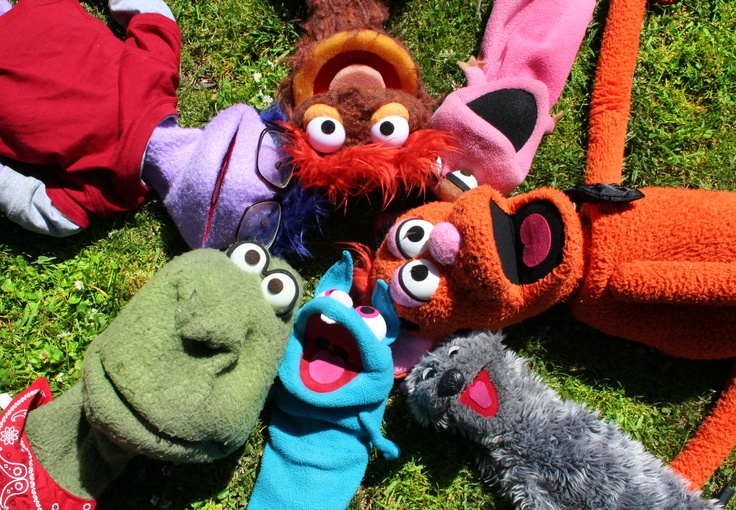
Puppetry is a unique art form that combines storytelling, visual artistry, and performance. To captivate an audience, puppeteers must master a variety of techniques and skills that allow them to breathe life into their characters. This section delves into the essential puppetry techniques and the performance skills required for effective puppetry.
Essential Puppetry Techniques
The foundation of successful puppetry lies in a range of techniques that puppeteers must develop. These techniques not only enhance the performance but also ensure that the puppets convey emotions and narratives effectively. Some key techniques include:
- Manipulation: Puppeteers must develop precise hand and body movements to control their puppets. This includes skills in finger manipulation for marionettes and body movements for larger puppets to create realistic actions.
- Breath Control: Proper breathing techniques are essential for adding life to a puppet. Puppeteers often synchronize their breathing with the puppet’s movements, enhancing the illusion of life.
- Blocking and Staging: Effective staging involves positioning puppets and puppeteers in a way that maximizes visibility and impact. This includes the arrangement of scenes and the pacing of movements to hold the audience’s attention.
Physical and Vocal Skills Development
To successfully portray characters, puppeteers must cultivate both physical and vocal abilities. These skills are crucial for creating distinct personalities and ensuring the audience connects with each character. The following skills are fundamental:
- Body Language: A puppeteer’s physicality should reflect the personality and emotions of the character. This includes using posture, gestures, and facial expressions to convey feelings, even if the puppet lacks facial features.
- Vocal Techniques: Mastering voice modulation and character voices is essential. Puppeteers often develop unique vocal traits for each character, which can include varying pitch, tone, and accent to enhance character differentiation.
- Physical Conditioning: Puppeteering can be physically demanding. Regular exercise and flexibility training help puppeteers maintain endurance and agility, which are important for performances that require sustained physical movement.
Importance of Timing and Audience Engagement
Timing and synchronization are critical aspects of puppetry that significantly affect audience engagement. Effective puppeteers understand that the rhythm of a performance can make or break a moment. Key elements include:
- Comedic Timing: In comedic puppetry, the timing of jokes and punchlines is vital. A well-timed pause or a sudden movement can enhance comedic effect, leading to greater audience laughter.
- Emotional Pacing: The pacing of emotional scenes must be carefully controlled. Slower movements and pauses can heighten tension and anticipation, drawing the audience deeper into the narrative.
- Audience Interaction: Engaging with the audience can elevate a performance. This might involve direct interaction through questions or reactions, encouraging a sense of connection and involvement.
“The magic of puppetry lies in the ability to create a bridge between the puppeteer’s skill and the audience’s imagination.”
The combination of these techniques and skills allows puppeteers to create memorable performances that resonate with audiences, making puppetry a truly enchanting art form.
The Role of Puppetry in Storytelling and Education
Puppetry has been a part of human culture for centuries, serving as a unique medium for storytelling that transcends language and cultural barriers. Through the use of various types of puppets, performers can convey complex narratives and emotions, allowing audiences from diverse backgrounds to connect with the stories being told. This art form not only entertains but also educates, making it a powerful tool in both storytelling and educational settings.
Puppetry serves as a versatile medium for storytelling across various cultures. From the traditional shadow puppets of Indonesia to the marionettes of Europe and finger puppets of North America, each form brings its own flair and cultural significance. These puppets often embody cultural tales, folklore, and moral lessons, making them a rich source of heritage. The interactive nature of puppetry engages audiences of all ages, encouraging them to participate in the storytelling experience. Notably, puppet performances often incorporate music and visual art, enhancing the narrative and making it more memorable.
Educational Benefits of Puppets in Teaching
The use of puppets in educational contexts offers significant advantages in teaching concepts to children. Puppets can simplify complex ideas, making them more accessible and engaging for young learners. By using puppetry, educators can create a dynamic learning environment that fosters creativity, critical thinking, and emotional development.
The educational benefits of puppetry include:
- Enhanced Engagement: Puppets capture children’s attention, making lessons more enjoyable and interactive.
- Development of Communication Skills: Children learn to express themselves better through role-playing and dialogue with puppets.
- Fostering Empathy: Puppetry allows children to explore different perspectives, promoting understanding and compassion.
- Encouraging Teamwork: Collaborative puppet-making and performances strengthen social skills and teamwork among peers.
- Creativity and Imagination: Puppetry stimulates imaginative play, allowing children to create their own stories and characters.
Examples of Successful Puppetry Programs in Schools and Community Settings
Numerous schools and community organizations have implemented successful puppetry programs that underscore its educational value. These programs provide children with opportunities to engage in both the creation and performance of puppet shows, fostering a sense of accomplishment and teamwork.
Noteworthy examples include:
- The Puppet Showplace Theater: Located in Massachusetts, this theater offers educational workshops where children learn puppetry techniques and storytelling, culminating in performances for the community.
- Hands-on Science with Puppets: Some schools have integrated puppetry into science lessons, using puppets to explain complex scientific concepts in a fun, relatable manner.
- Community Puppet Festivals: Various cities host annual festivals that encourage local schools to participate, promoting creativity and cultural exchange through puppetry.
Puppetry not only entertains but serves as an effective educational tool, bridging gaps in understanding while fostering creativity and teamwork among children. Its rich history and cultural significance continue to make it a vital part of storytelling and education today.
The Impact of Technology on Modern Puppetry
Advancements in technology have dramatically transformed the landscape of modern puppetry, enhancing both the artistry and the audience’s experience. Traditional puppetry, once reliant solely on manual manipulation and simple props, now incorporates a range of technological innovations that deepen engagement and expand creative possibilities. This evolution reflects a broader trend in the performing arts, where technology is embraced to enhance storytelling and visual spectacle.
The integration of digital elements into puppetry performances has opened new avenues for creativity and interaction. With the use of projection mapping, augmented reality, and sophisticated robotics, puppeteers can create immersive environments that captivate audiences in ways previously unimaginable. For instance, puppets can now interact with virtual backgrounds, creating dynamic narratives that blend live performance with digital artistry. This has not only broadened the scope of what puppetry can achieve but has also altered audience expectations, making them more attuned to multi-sensory experiences.
Innovative Puppetry Projects Utilizing Technology
Several contemporary puppetry projects exemplify the innovative use of technology in this art form. These projects reveal how creativity merges with technology to produce captivating performances that resonate with modern audiences.
One such project is “The Lion King” on Broadway, where puppetry is enhanced by advanced lighting and sound technologies. The intricate puppets are not only manipulated by skilled performers but are also enhanced with lighting effects that create lifelike movements and expressions, effectively drawing the audience into the story.
Another notable example is “War Horse,” which employs large-scale puppets operated by multiple puppeteers, combined with real-time video projections. This integration allows for stunning backdrops and environmental effects, immersing the audience in the world of the play and enhancing emotional engagement with the characters.
Additionally, the use of robotics in projects like “The Elephant in the Room” demonstrates how technology can breathe life into puppets, allowing for intricate movement and responsiveness. These robotic puppets can react to audience interactions, creating a unique and personalized experience for each viewer.
Moreover, the digital performance piece “Puppet in the Cloud” utilizes virtual reality to create an interactive puppet show where audiences can influence the plot through their choices. This project showcases the potential of technology not just for enhancement but for fundamental changes in how stories are told and experienced.
These examples highlight the profound impact of technology on modern puppetry, illustrating how digital elements are reshaping the craft and expanding its reach to new audiences. The synergy between traditional techniques and contemporary innovations fosters a vibrant and evolving art form that continues to captivate and inspire.
The Future of Puppetry in the Performing Arts
The world of puppetry is witnessing a transformative phase, blending traditional forms with modern techniques and technologies. As the performing arts evolve, puppetry is increasingly finding its place in contemporary narratives and artistic expressions, highlighting its versatility and relevance. This segment explores the current trends and potential future developments in puppetry, as well as its expanding role across various media.
Current Trends in Puppetry
Recent years have seen a resurgence of interest in puppetry, driven by a desire for innovative storytelling methods that engage audiences in unique ways. This rebirth is characterized by several trends that highlight the adaptability of puppetry in various artistic contexts:
- Integration with Technology: The fusion of puppetry with digital technologies, such as augmented reality (AR) and virtual reality (VR), is creating immersive experiences. For instance, performances that combine physical puppetry with digital animations allow for a richer narrative experience.
- Cross-Disciplinary Collaborations: Puppetry is increasingly collaborating with other art forms, including dance, visual arts, and music, leading to hybrid performances that captivate diverse audiences. For example, productions that incorporate live music with puppetry create an engaging multisensory experience.
- Social and Political Commentary: Many puppetry companies are using their art to address pressing social issues, creating thought-provoking performances that resonate with contemporary audiences. This trend emphasizes puppetry’s ability to tackle complex themes through a playful yet impactful medium.
Role of Puppetry in Theater and Film
Puppetry has long been a staple of theater, enchanting audiences with its unique ability to bring inanimate objects to life. In the realm of film, puppetry continues to evolve, enhancing storytelling through the use of sophisticated techniques. Notable examples include:
Puppetry offers filmmakers a tangible means to create fantastical characters and scenarios that would be difficult to achieve with traditional CGI alone.
In theater, productions like “War Horse” showcase the emotional depth and narrative power of puppetry, demonstrating how it can convey complex characters and stories. Similarly, films such as “The Dark Crystal” and “Labyrinth” highlight the artistry of puppetry, elevating the medium into high-profile cinematic experiences.
Adaptation to Changing Artistic Landscapes
As societal needs and artistic landscapes transform, puppetry is poised to adapt in ways that reflect these changes. Current predictions suggest several avenues for the evolution of puppetry:
- Increased Accessibility: With a growing emphasis on inclusivity, puppetry is becoming more accessible through community workshops and participatory performances. This grassroots approach encourages diverse voices and narratives within the medium.
- Focus on Sustainability: Puppetry is set to incorporate sustainable practices, with artists utilizing eco-friendly materials and methods in their productions. This shift aligns with global movements towards environmental consciousness.
- Global Influences: The cross-pollination of cultural styles in puppetry is likely to flourish, as artists draw inspiration from various traditions worldwide. This blending of styles will lead to innovative forms of puppetry that reflect a multicultural perspective.
Final Wrap-Up
The journey through the realm of puppetry reveals not only its historical and cultural significance but also its adaptability in the face of modern challenges. As we look to the future, it becomes clear that puppetry will continue to evolve, inspiring new generations while preserving the timeless magic of storytelling.
Popular Questions
What are the main types of puppets?
Common types of puppets include marionettes, hand puppets, shadow puppets, and rod puppets, each with distinct construction and manipulation techniques.
How can puppetry be used in education?
Puppetry serves as an engaging tool for teaching concepts, allowing children to explore ideas creatively and interactively while enhancing their comprehension and communication skills.
What skills are essential for puppeteers?
Puppeteers need to develop physical dexterity, vocal prowess, and strong timing skills to effectively convey emotion and engage audiences.
How has technology changed puppetry?
Technology has introduced digital elements and innovative techniques into puppetry, enhancing visual storytelling and audience engagement through multimedia integration.
What are some famous puppetry performances?
Notable performances include “The Muppet Show,” “War Horse,” and “Avenue Q,” showcasing the versatility and emotional depth puppetry can achieve.